

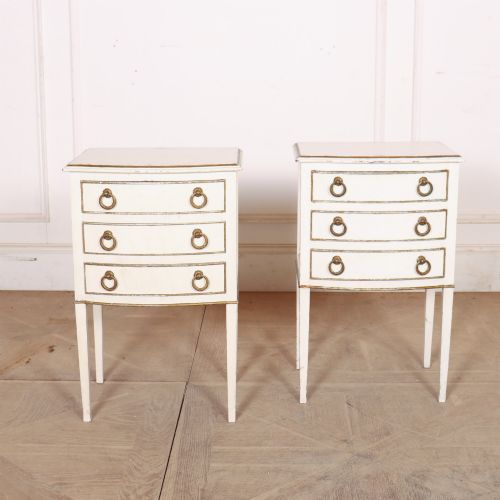
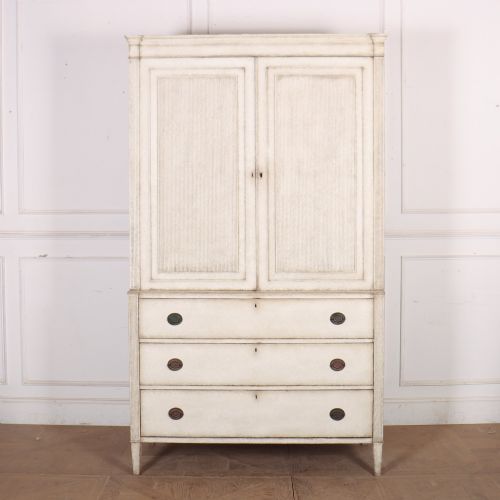
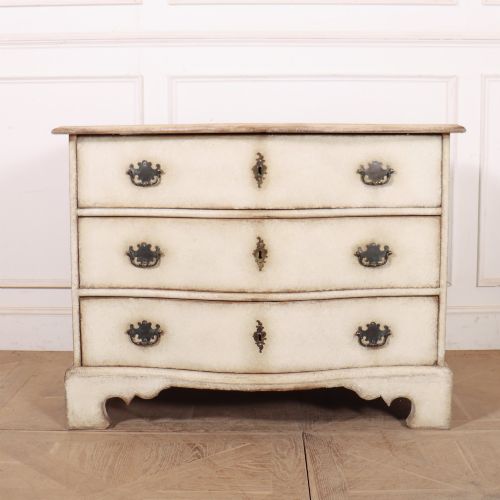
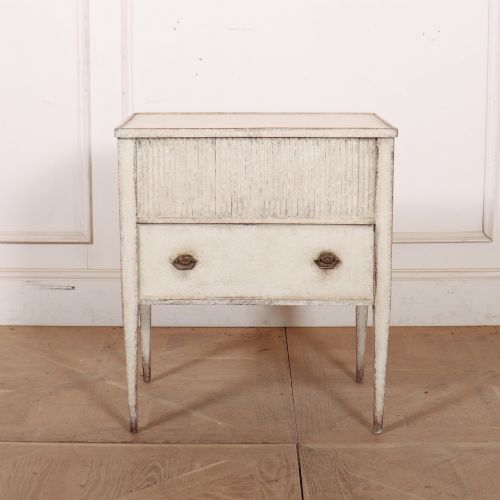


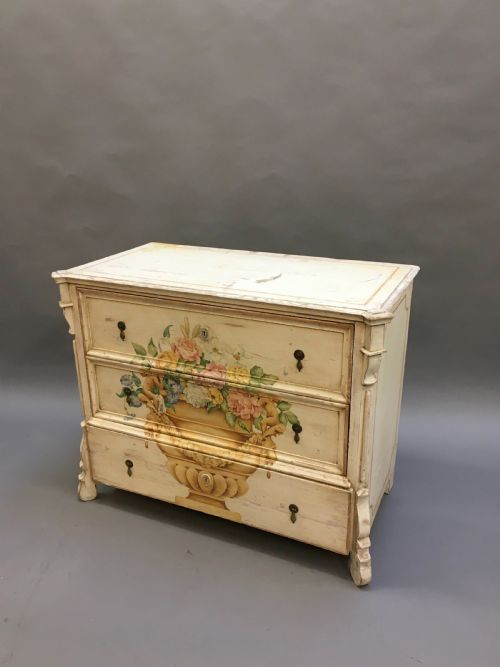

Vintage White Chest
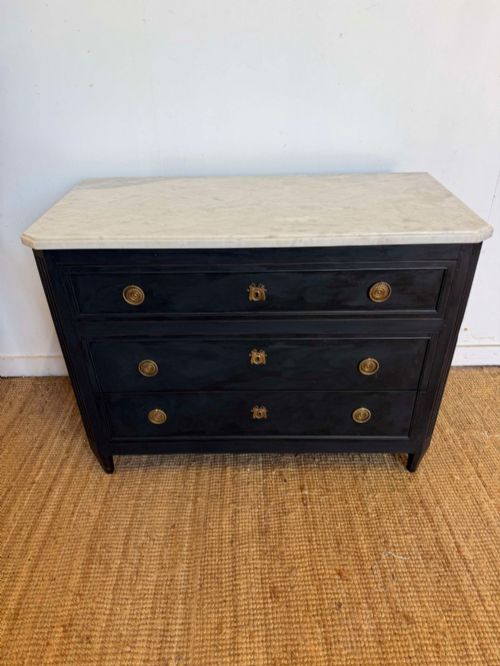
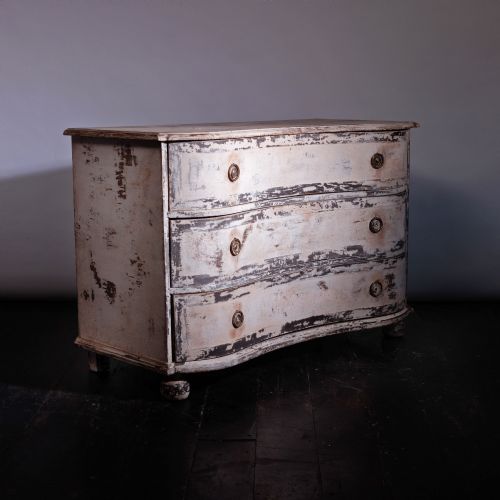
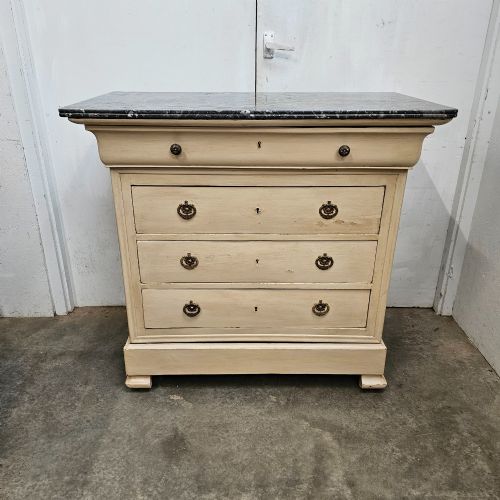
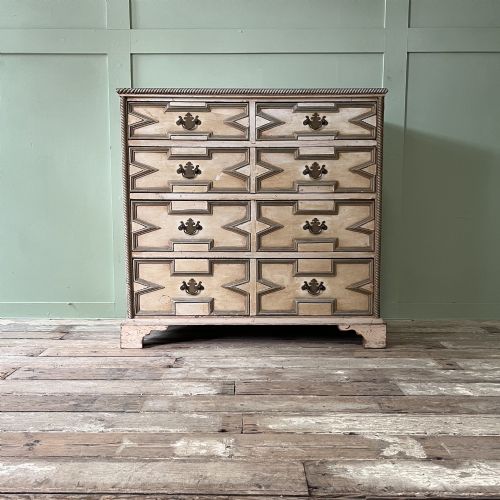
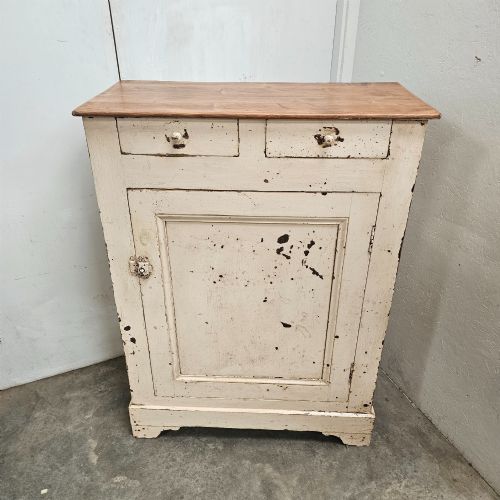
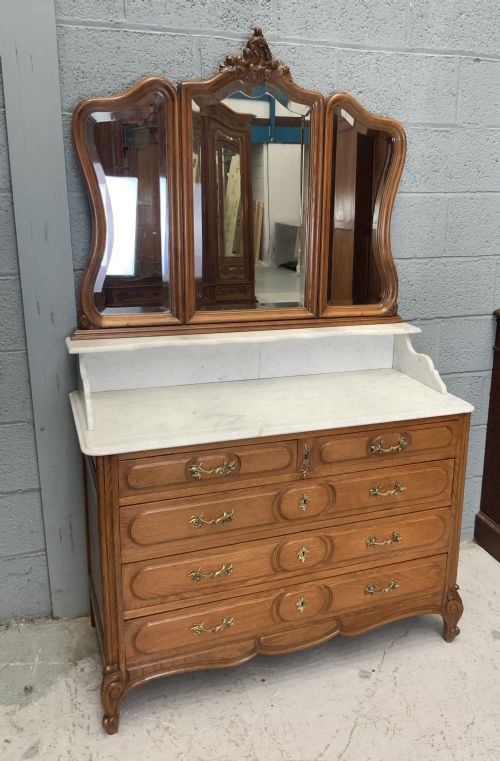
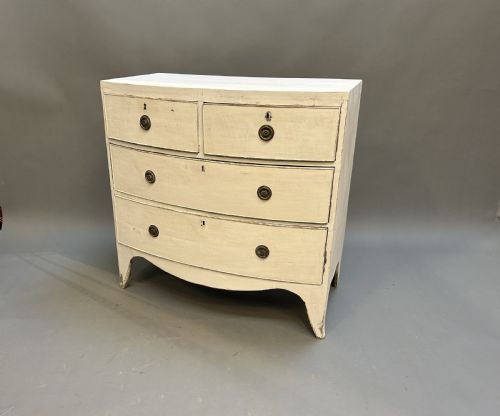
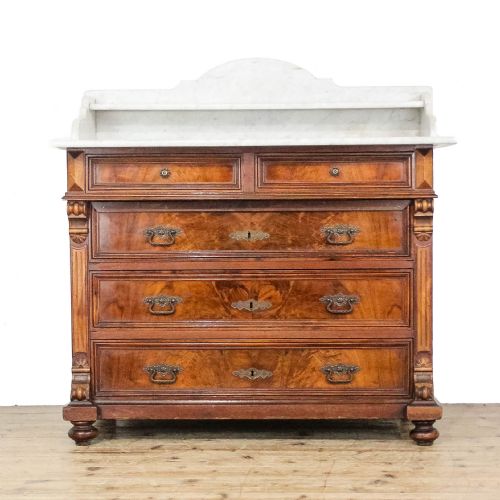
A vintage white chest brings light and texture into a room, taking the form of painted pine commodes, French provincial cabinets and marble-topped washstands.
Vintage White Chest
A vintage white chest encompasses storage forms that have received surface coats of paint, spanning centuries of regional European cabinetmaking. These pieces range from simple pine country commodes to serpentine fronts and marble-topped variants.
The most common form encountered here is the painted commode or chest of drawers originating from French, Swedish and English workshops. They provide practical storage through multiple drawers while introducing muted white and off-white painted finishes.
Makers and makers' studios utilised local timbers beneath layered paint, resulting in items that combine utilitarian storage with distinct regional stylistic traits from the eighteenth century onward.
Materials and Construction
Carpenters constructed these chests primarily using solid pine, oak, walnut and mixed woods, often employing dovetail joints for drawer construction and pegged joints for carcass frames. Timber selection depended heavily on regional availability across English, French and Scandinavian workshops.
Surfaces received multiple layers of paint, sometimes over earlier schemes, along with applied carved wooden details or brass hardware. Marble tops appear frequently on continental commodes and washstands, adding weight and durable utility to the painted wooden bases.
Vintage White Chest Retail Price Guide 2026
Typical asking prices for vintage white chest among the pieces listed under this phrase on Sellingantiques today, from the lower quarter to the upper quarter. They describe what is for sale here now, not the wider market.
Listings feature pieces from the 18th, 19th and early 20th centuries, utilising pine, oak, walnut, marble and brass.
Distinctions in Quality
Quality rests in the integrity of the timber construction, the crispness of any carved ornamentation, and the historical authenticity of the painted surface. Pieces retaining original layered paint without modern intervention hold greater integrity than those stripped and repainted recently.
The sophistication of the hardware, the precision of drawer movement within the carcass, and the inclusion of premium elements like fitted marble slabs separate standard country utility pieces from finer salon commodes.
Sir Clough Williams-Ellis·Edwards and Roberts
The Vintage White Chest Glossary
- Commode
- A low chest of drawers or cabinet, typically originating from French or continental workshops. They often feature serpentine or bow fronts and decorative painted finishes.
- Serpentine
- A furniture front shape that curves outward in the centre and inward at the sides. This contour requires advanced woodworking skill.
- Confiturier
- A small French storage cupboard traditionally utilised for storing confits and preserves. They generally feature a single door above or below a small drawer.
- Washstand
- A piece of furniture designed to hold a basin and pitcher for washing, frequently topped with marble. Many survive adapted as standard storage chests.
- Dovetail
- A joint formed by interlocking wedge-shaped fingers, used primarily in drawer construction. It indicates traditional craftsmanship and durable assembly.
Vintage White Chest: Frequently Asked Questions
What is a vintage white chest used for?
These chests serve as functional storage furniture in bedrooms, hallways and living spaces, holding clothing, linen or household items.
Beyond utility, their painted surfaces and varied forms contribute decorative character and brightness to interior schemes.
How do I care for a painted antique chest?
Dust surfaces gently with a dry, soft cloth and avoid chemical cleaners that can damage aged paint layers.
Keep wooden furniture away from direct heat sources and severe humidity changes to prevent timber movement.
Are these chests made of solid wood?
The pieces utilise solid timbers such as pine, oak, walnut and fruitwoods beneath their historic paint layers.
Secondary woods may appear in hidden structural areas like drawer linings and backboards.
How can I tell the period of a painted chest?
Dating relies on construction methods, timber types, hardware styles and the natural ageing of the paint surface.
Regional design traits, such as Swedish Gustavian lines or French provincial carving, also point to specific eras.