




Vintage White Ceramic Lamps
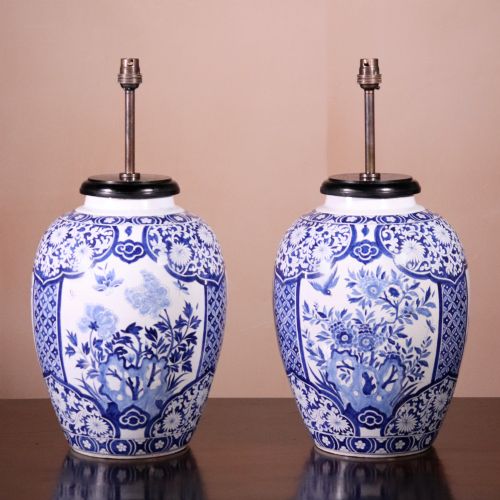
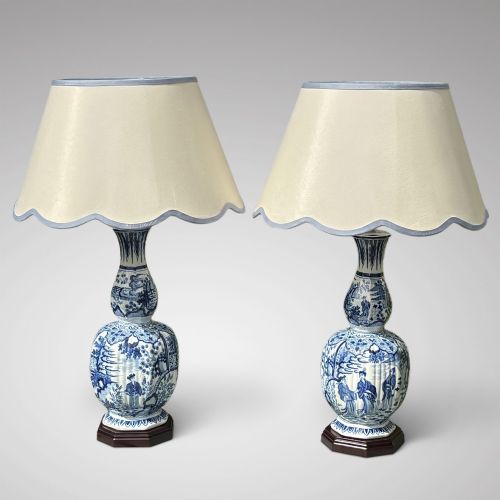
Vintage white ceramic lamps bring centuries of converted vases and figures into modern rooms as sculptural lighting.
Vintage White Ceramic Lamps
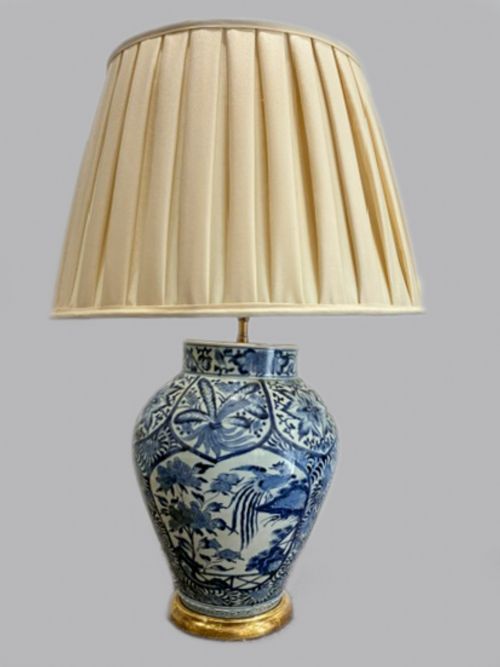
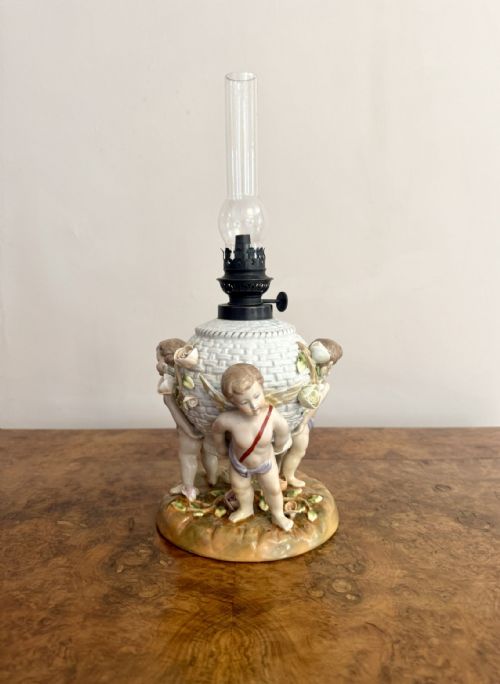
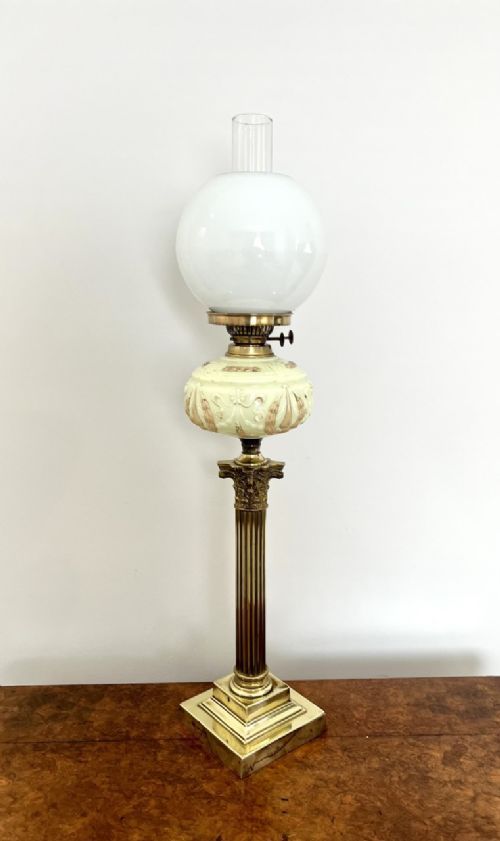
Buyers seeking vintage white ceramic lamps encounter a diverse selection of converted vessels and figural pieces originating from periods ranging from the late seventeenth century through the early twentieth century. Many of these items began as porcelain, earthenware, Delftware, or majolica vases, jars, and figures before being adapted into table lamps and oil lamps.
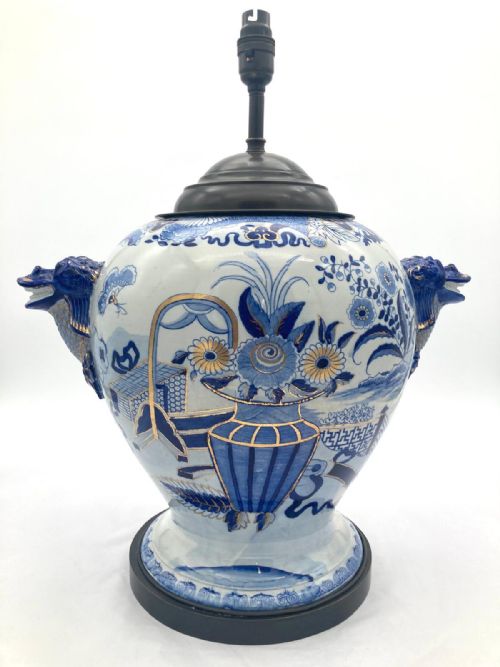
The most common examples on this page date from the nineteenth century and incorporate traditional forms such as Chinese blue and white jars, Japanese vases, and European porcelain figures. These pieces combine historic ceramic bodies with later electrical fittings or burner mechanisms, bridging centuries of decorative arts.
How they were made
Makers shaped ceramic, porcelain, and earthenware bodies on the wheel or in moulds before applying glazes, hand-painted decoration, or crackle effects. Many items incorporate mounts and bases fashioned from brass, bronze, or glass to elevate the ceramic body.
Conversion into lamps involved mounting the historic vases, jars, or figures, often integrating metal hardware such as ormolu or brass collars to secure electrical components or oil burners.
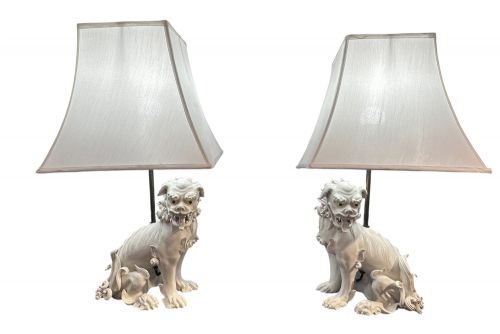
The inventory includes figural works depicting owls, dogs, and lions alongside traditional ginger jars and vases.
What varies in quality
Quality rests upon the artistic merit of the ceramic body, the crispness of the hand-painted decoration, and the harmony of any metal mounts. Finer examples display superior modelling in figural pieces, such as German porcelain animals or Chinese foo dogs.
The sophistication of the conversion also distinguishes the pieces, with well-integrated brass or bronze mounts preserving the integrity of the original vessel rather than overwhelming it.
Sitzendorf·Hicks and Meigh·Ernst Bohne and Sohn·Gien·Samson
The Vintage White Ceramic Lamps Glossary
- Delftware
- Tin-glazed earthenware produced in Dutch and English potteries, notable for its white surface and blue painted decoration. This technique is frequently seen on lamps dating to the eighteenth century.
- Majolica
- Opaque tin-glazed pottery produced across Italy and Europe, known for rich colours and textured surfaces. It provides a robust and decorative body for nineteenth-century lighting.
- Ormolu
- Gilded bronze mounts applied to ceramic vessels for decorative and structural support. French and Chinese style pieces often utilise this technique.
- Blanc de Chine
- White porcelain produced in Dehua, China, prized for its creamy glaze and smooth finish. Figures such as Shi Lions or dogs of Fo frequently employ this material.
- Crackware
- Ceramic pottery featuring a deliberate network of fine cracks in the glaze texture. This stylistic finish appears on nineteenth-century Asian vase lamps.
Vintage White Ceramic Lamps: Frequently Asked Questions
What periods do these lamps come from?
The pieces span from the late seventeenth century through the Victorian era and the early twentieth century, including Art Deco designs.
Many incorporate earlier Asian or European vessels adapted into lamps during subsequent centuries.
Were these always lamps?
Most started as vases, ginger jars, or decorative figures before conversion into table lamps or oil lamps.
Original ceramic bodies often date significantly earlier than the electrical or oil-burning fittings attached to them.
How do I identify ceramic types?
Examine the glaze, weight, and base of the ceramic body to distinguish porcelain from earthenware or majolica.
References to Delftware, crackleware, and Paris porcelain indicate specific regional manufacturing traditions and glazing techniques.
Can I use them in modern rooms?
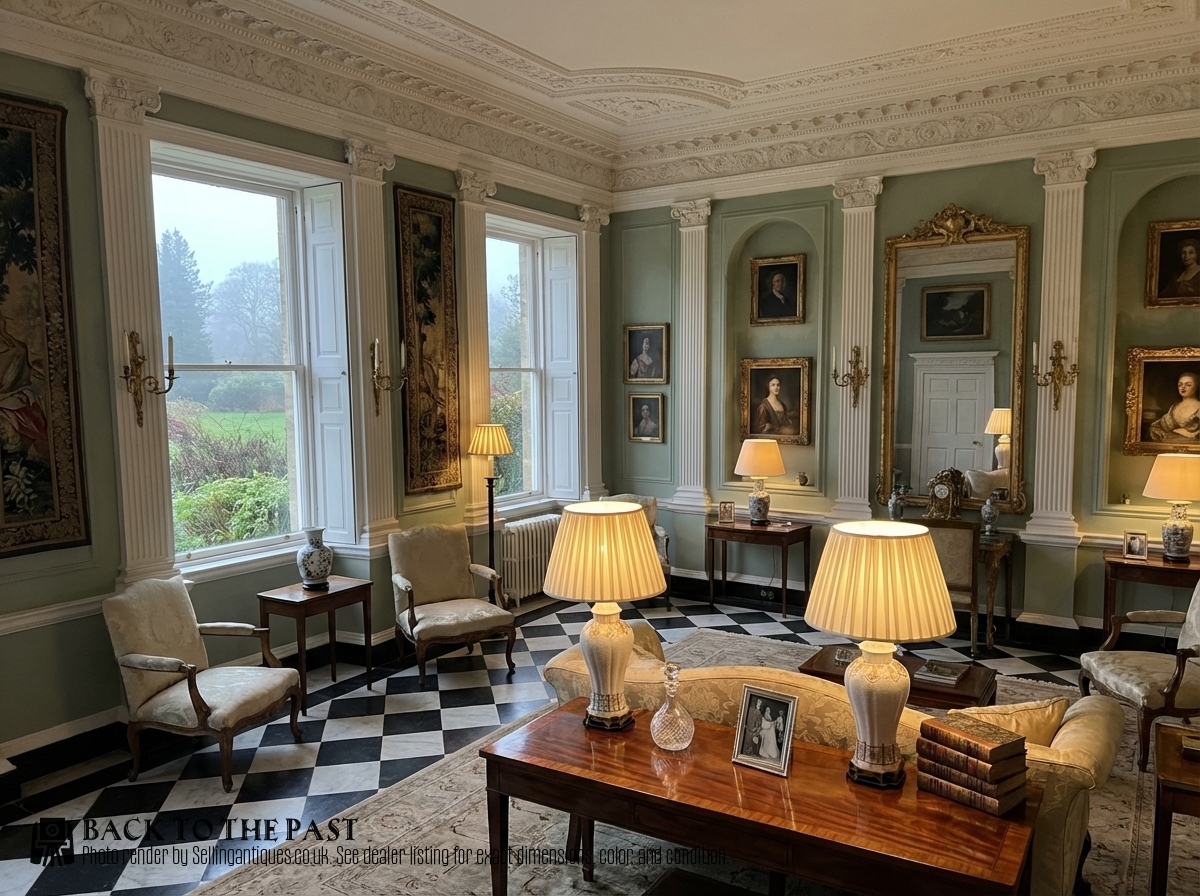
These lamps function effectively as focal points on side tables or desks, combining historic craftsmanship with functional lighting.
Neutral ceramic tones and classic blue and white patterns complement a wide range of interior schemes.