



Vintage Whiskey Bottles
These vintage whiskey bottles span robust stoneware advertising flagons to cut crystal decanters and silver hip flasks, offering practical service and period presence.
Vintage Whiskey Bottles
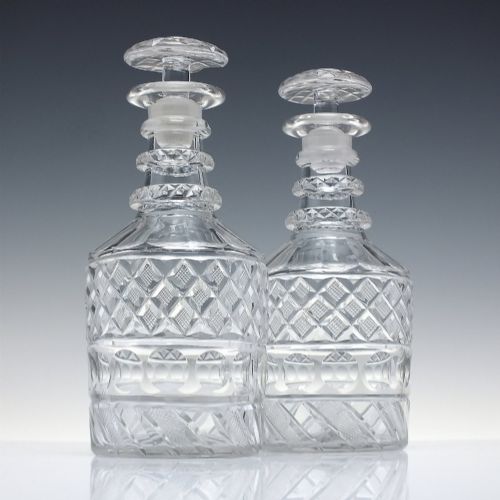
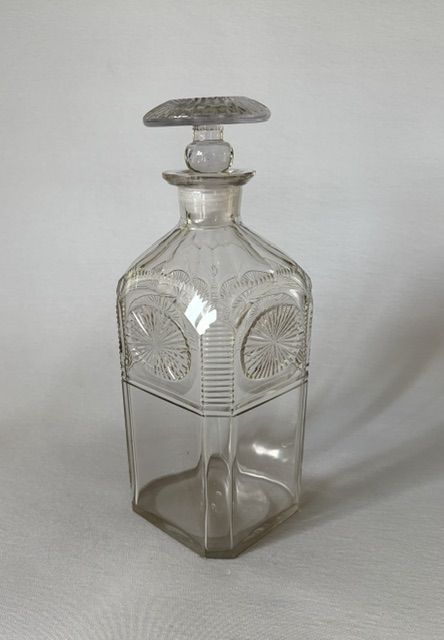
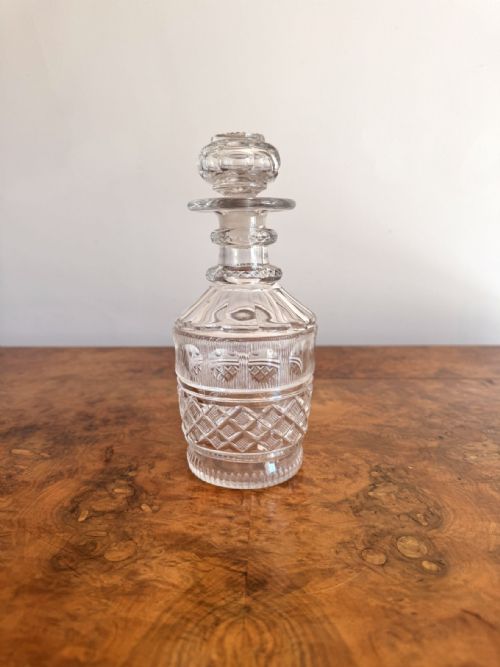
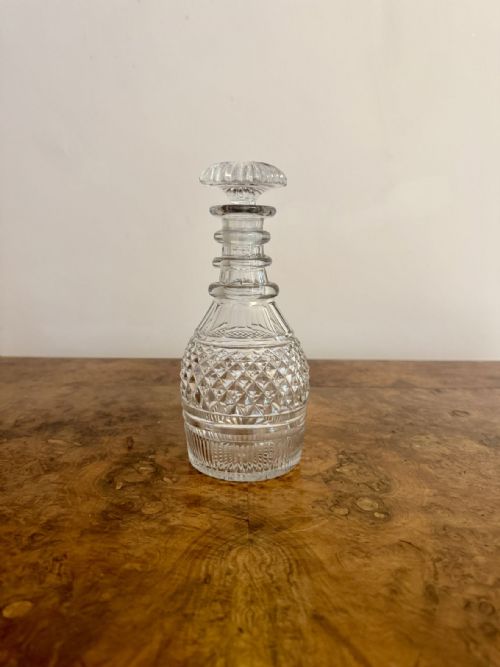
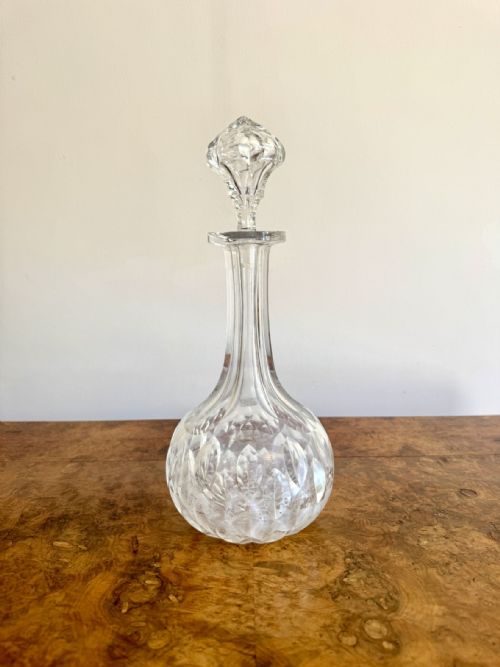
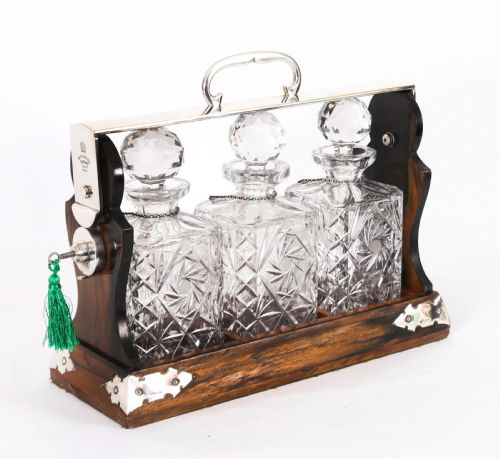
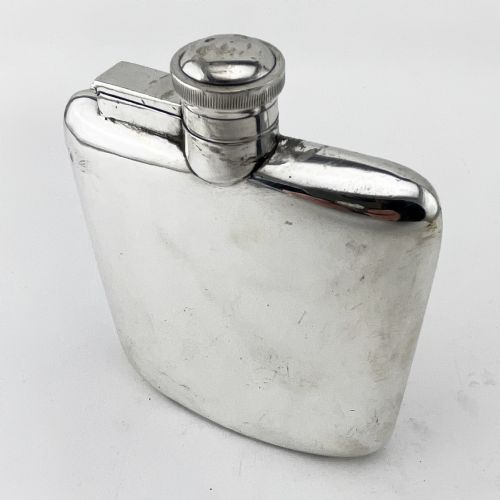
Vintage whiskey bottles encompass several distinct forms shaped by how spirits were stored, served, and carried across the nineteenth and twentieth centuries. When searching for vintage whiskey bottles, buyers encounter heavy glass decanters, lockable tantalus frames, stoneware flagons, and pocket-sized silver hip flasks.
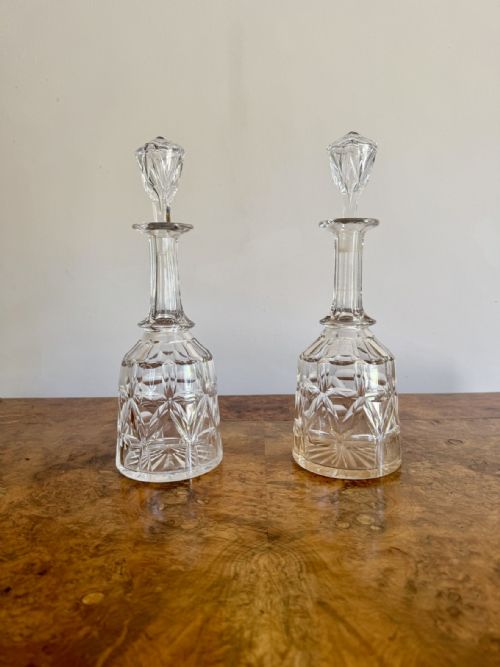
The domestic decanter dominates the selection, frequently appearing in cut glass or crystal with silver collars and matching labels. Edwardian and Victorian examples sit alongside Georgian shapes and Art Deco pocket flasks, marking shifts in social entertaining and personal accessories.
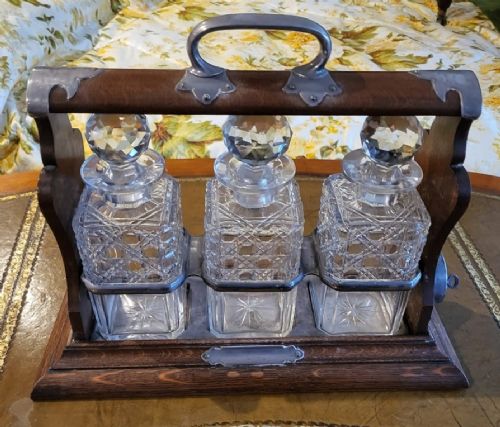
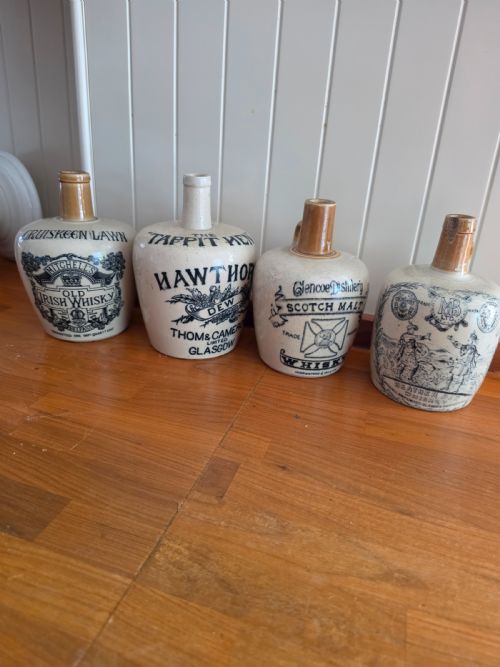
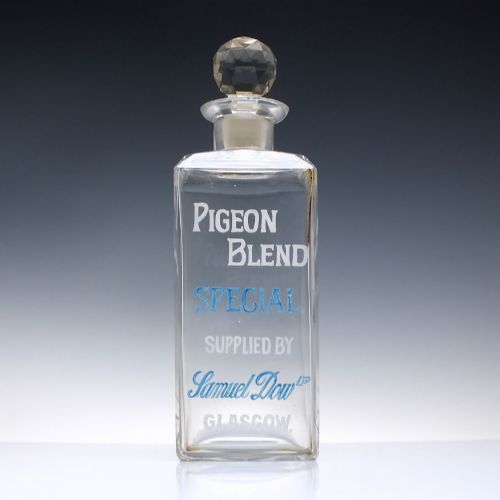
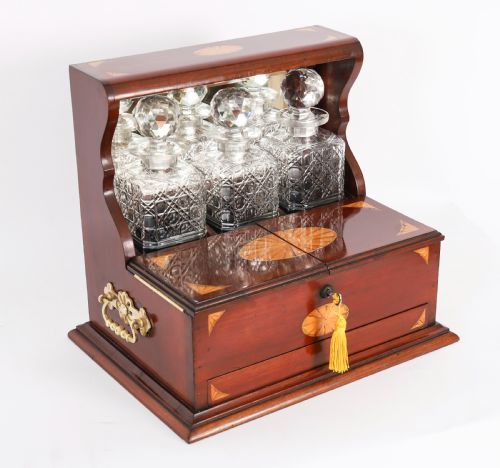
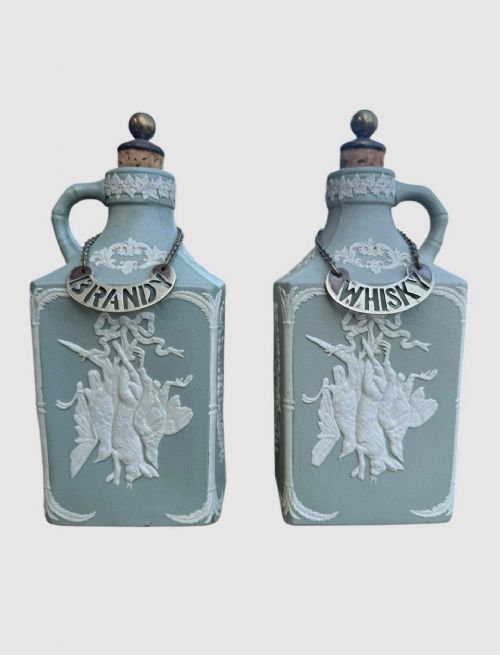
Stoneware advertising flasks and ceramic flagons represent the commercial side of spirit storage, carrying painted or moulded branding from nineteenth-century distilleries and merchants. Meanwhile, tantalus frames secure multiple crystal bottles within oak, satinwood, or coromandel housings fitted with brass or silver-plated mounts.
How they were made
Makers utilised heavy lead crystal and clear glass, shaping vessels through cutting, blowing, and moulding to achieve deep facets and bell or globular profiles. Stoneware flasks relied on traditional ceramic potting, finished with brown glazes, moulded motifs, and enamel inscriptions for distillery branding.
Metalwork forms an integral part of the construction, incorporating sterling silver collars, hallmarked mounts, and silver-plated frames alongside brass and oak cabinetry. Woodworkers built tantalus frames from oak, satinwood, and coromandel, integrating locking mechanisms to secure the decanters safely inside.
Vintage Whiskey Bottles Retail Price Guide 2026
Typical asking prices for vintage whiskey bottles among the pieces listed under this phrase on Sellingantiques today, from the lower quarter to the upper quarter. They describe what is for sale here now, not the wider market.
What varies in quality
The distinction between standard containers and finer examples rests on the depth of the glass cutting, the clarity of the crystal, and the weight of the metal mounts. Crisp facets catch the light sharply, whereas softer moulded patterns lack the same optical brilliance.
Cabinetry finish defines the better tantalus frames, showing precise wood grain alignment, solid brass fittings, and fully functioning locks with working keys. Hallmarked silver collars and matching spirit labels elevate glass decanters, demonstrating coordinated craftsmanship across the bottle and its accessories.
Walker & Hall·Betjemann’s·Royal Doulton·William Neale·James Powell
The Vintage Whiskey Bottles Glossary
- Tantalus
- A locking wooden frame that holds decanters securely while displaying the bottles within while preventing unauthorized access to the contents.
- Hip Flask
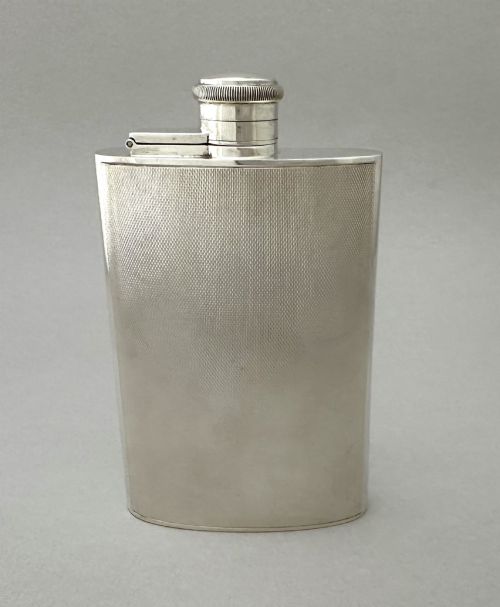
- A pocket-sized container fashioned from silver or metal, curved to fit the body for carrying spirits discreetly.
- Decanter
- A glass or crystal vessel designed for serving liquor, often fitted with a ground glass stopper and a silver neck collar.
- Flagon
- A large ceramic or stoneware bottle used historically for holding and transporting bulk spirits or advertising distillery products.
Vintage Whiskey Bottles: Frequently Asked Questions
What is a tantalus?
A tantalus is a lockable wooden frame designed to hold crystal decanters securely. The mechanism locks the stoppers in place so the bottles cannot be removed without a key.
First patented in the nineteenth century, these security frames were placed in dining rooms and studies to deter unauthorized pouring by guests or staff while still displaying the cut glass bottles.
How do I date a silver hip flask?
Silver hip flasks are dated by examining the hallmarks stamped into the metal. These small marks identify the assay office, the maker's mark, and a specific letter code for the year of manufacture.
Additional clues come from the shape and closure style, as curved Art Deco designs from the 1920s differ significantly from the plainer, heavier pocket flasks of the Victorian era.
Were decanters sold in pairs?
Many decanters were produced and sold in matched pairs or sets of three to sit within wooden tantalus frames or serve different spirits on a sideboard.
Pairs often featured engraved labels on the glass or matching silver neck rings to distinguish between contents such as whisky, brandy, or port.
How were stoneware flasks used?
Stoneware flagons served as commercial containers for storing and transporting whisky and other spirits before glass bottles became standard.
Distilleries and merchants commissioned these ceramic vessels with moulded motifs, glazed finishes, and enamel brand names to market their products directly to customers.