



Vintage West Persian
Vintage west persian rugs and carpets offer enduring tribal artistry and robust hand-knotted wool construction for domestic interiors.
Vintage West Persian
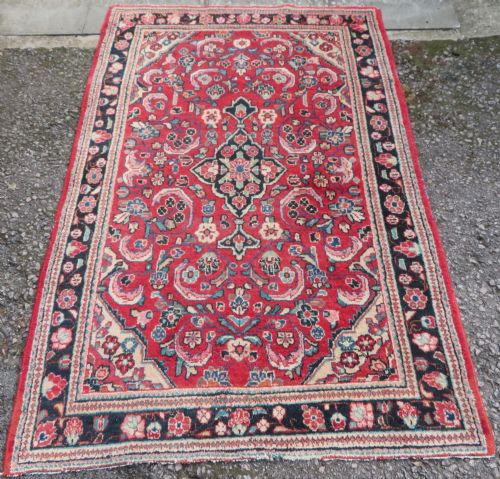
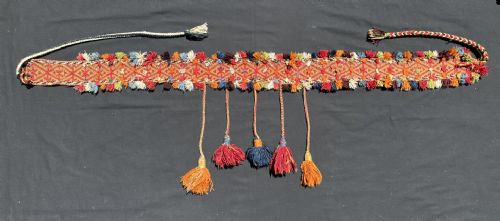
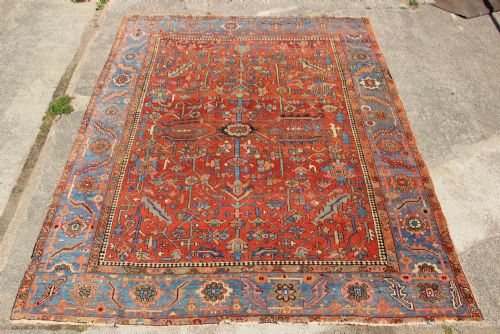
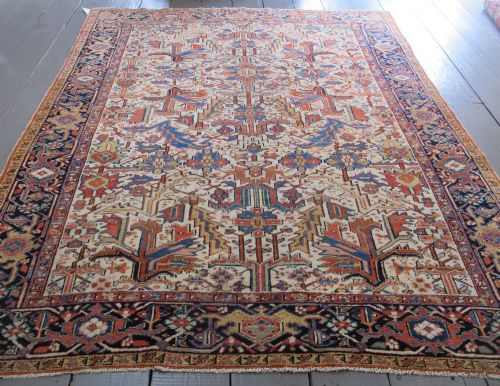
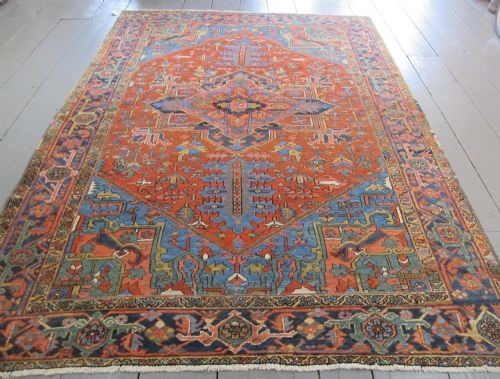
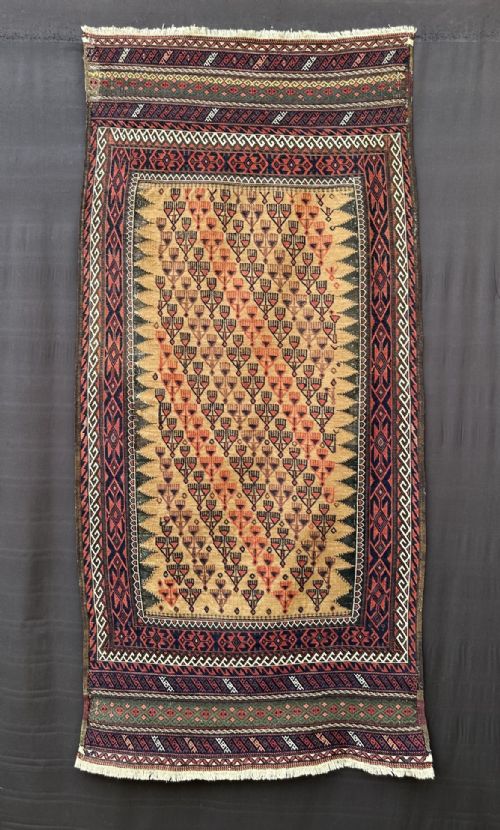
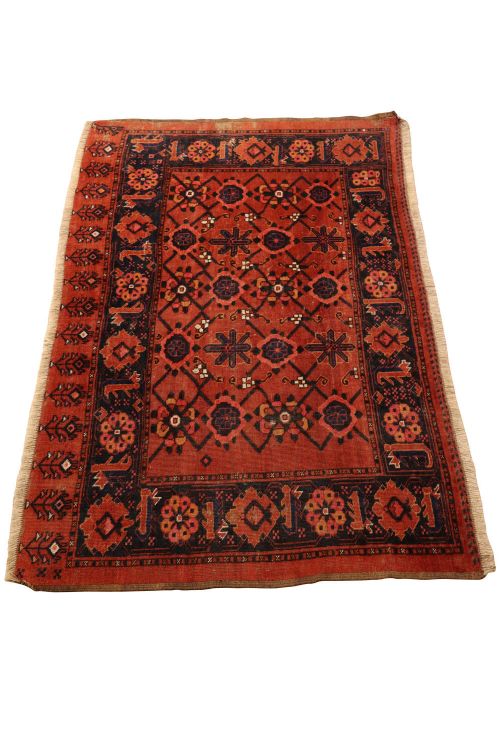
Vintage west persian textiles encompass hand-knotted village rugs, large carpets, long runners, and various tribal utility items produced across western regions of the country. Buyers exploring vintage west persian pieces encounter works originating from renowned weaving centres and nomadic confederacies dating from the nineteenth and early twentieth centuries.
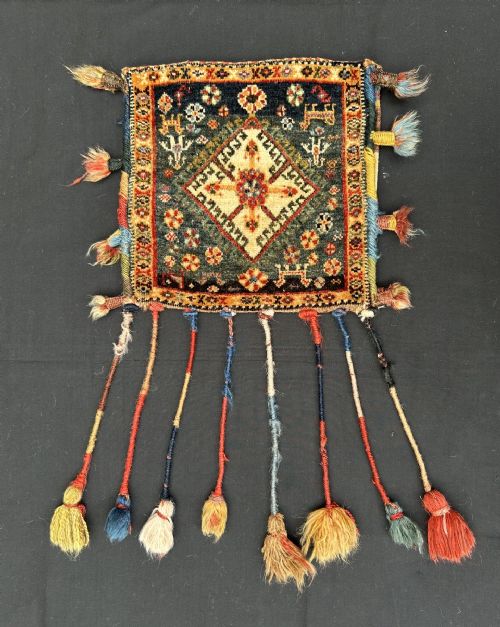
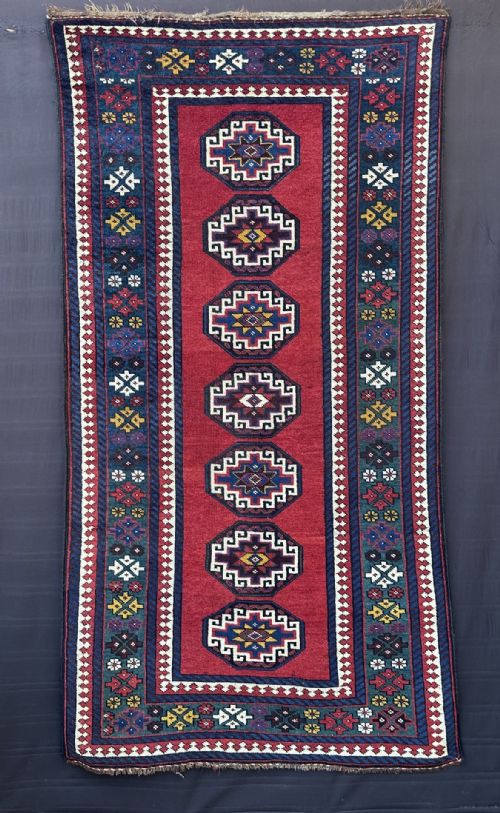
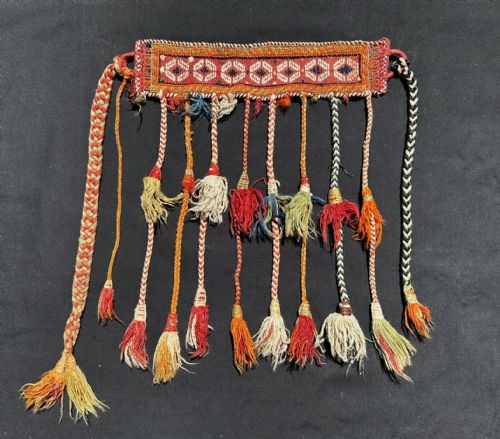
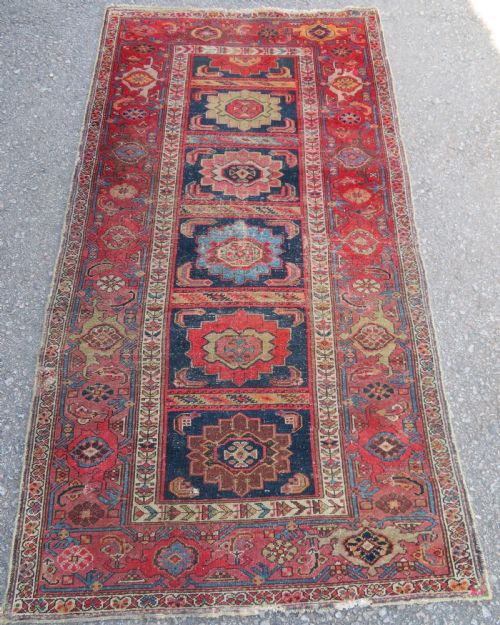
The selection ranges from geometric runner formats and village carpets to specialised items including animal trappings, saddle bags, and flatwoven sofres. These pieces reflect specific regional traditions linked to specific tribal groups and mountainous districts.
Village and nomadic productions dominate the available spectrum, showcasing traditional patterns rooted in local heritage rather than court workshop designs. Each item provides a tangible link to historical domestic textile production across the region.
Materials and construction methods
Weavers constructed these textiles primarily using hand-spun wool foundations and pile, combined with cotton warp and weft threads in many village workshop pieces. Natural dyes provided the foundational palette for colouring the wool yarns before the introduction of early synthetic dyes in later periods.
Nomadic items frequently incorporate goat hair and leather reinforcements alongside traditional wool to withstand utilitarian demands in pastoral settings. The hand-knotting technique secures the pile firmly to the warp and weft grid, creating a resilient textile structure designed for sustained use.
Certain antique animal trappings and tiny baby cradles survive as charming reminders of daily nomadic life on the move.
Determinants of quality
Quality in these textiles depends heavily on the fineness of the knotting and the precision of the underlying structural weave. Tighter knots allow for sharper definition within geometric and floral motifs across the surface.
The depth and brilliance of the natural dye palette contribute significantly to the visual merit of an individual piece. Wool quality also varies, with superior lanolin-rich fleece retaining flexibility and resilience over decades of wear.
Benlian·Ziegler
The Vintage West Persian Glossary
- Sofre
- A flatwoven or piled spread utilised for dining or processing bread within nomadic and village households. These textiles frequently display distinctive tribal iconography.
- Runner
- A long, narrow carpet format designed specifically for corridors, hallways, or narrow transitional spaces within a building. Such pieces often exhibit repeating geometric medallions.
- Natural Dyes
- Colorants derived from plant, insect, or mineral sources prior to the widespread adoption of synthetic alternatives. They impart a rich, varied patina as the textile ages.
- Warp
- The vertical foundation threads stretched lengthwise on the loom onto which the knots are tied. Cotton and wool are the standard materials utilised for this structural element.
- Weft
- The horizontal threads passed across the warp strands after each row of knots to secure the structure. They contribute to the rigidity and handle of the finished rug.
Vintage West Persian: Frequently Asked Questions
How are vintage west persian rugs cleaned?
Professional hand-washing utilising cold water and mild soap suits these traditional wool textiles best. Harsh chemical treatments and high temperatures damage the natural fibres and historical dyes.
Regular gentle vacuuming without a beater bar helps remove embedded dust from the pile. Keeping the rug out of direct, harsh sunlight preserves the original coloration over time.
Are these rugs suitable for heavy traffic?
Hand-spun wool pile combined with robust cotton foundations provides exceptional durability for everyday residential use. Many runner and carpet formats were originally engineered for demanding domestic environments.
Using an appropriate underlay beneath the textile prevents slipping and reduces friction against hard flooring. This simple addition extends the working life of the piece considerably.
How do I identify a tribal piece?
Tribal rugs typically display asymmetrical geometric layouts, stylised animal motifs, and spontaneous colour shifts executed by nomadic weavers. These designs rely on generational memory rather than formal paper cartoons.
Materials may include goat hair selvedges and softer, irregular foundations reflecting portable horizontal loom construction. Such characteristics separate nomadic works from fixed town workshop carpets.