



Vintage Wax Art
Vintage wax art brings together handmade furniture with waxed finishes, framed textile panels, and works on paper involving seals.
Vintage Wax Art
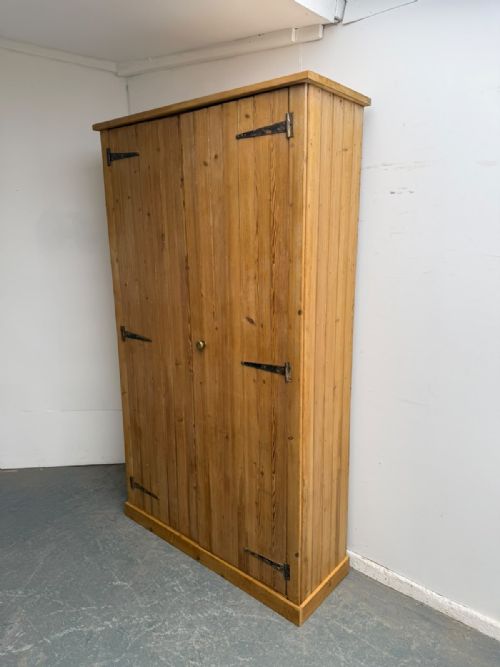
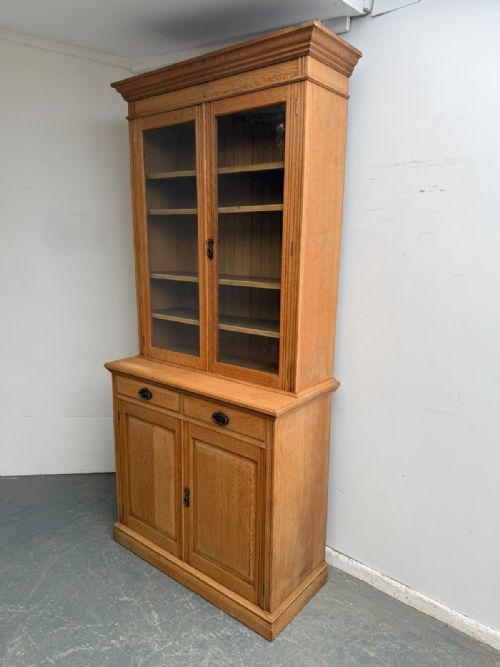
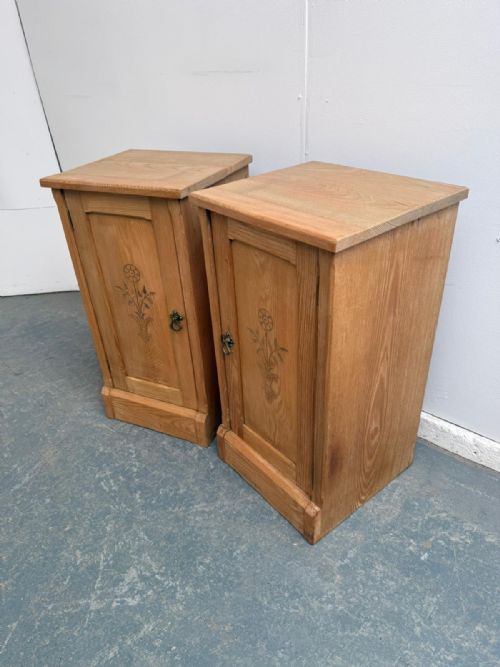
When you search for vintage wax art, you find a diverse group of items spanning the eighteenth century through to the mid-twentieth century. The selection ranges from waxed ash bedside cabinets and pine storage cupboards to framed batik textile panels and objects associated with wax seals.
The most common items meeting this description on this page are Arts and Crafts ash bedside cabinets and Art Nouveau pine storage furniture finished with wax, alongside mid-century textile art. These pieces combine functional storage with decorative surface treatments that highlight the underlying materials.
How they were made
Makers utilised solid timbers like ash and pine for furniture, applying wax finishes to protect and enhance the natural grain. These pieces often feature traditional joinery suited to domestic utility.
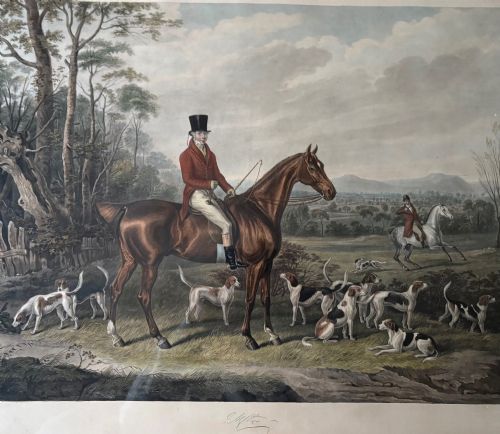
On paper and textile works, artists employed techniques including batik on cotton panels, brass rubbings with ink, and impressions made in wax seals alongside vellum indentures and aquatints.
Vintage Wax Art Retail Price Guide 2026
Typical asking prices for vintage wax art among the pieces listed under this phrase on Sellingantiques today, from the lower quarter to the upper quarter. They describe what is for sale here now, not the wider market.
Some items arrive with a notorious personality attached, including books and seals relating to the eccentric nineteenth-century figure John 'Mad Jack' Mytton.
What varies in quality
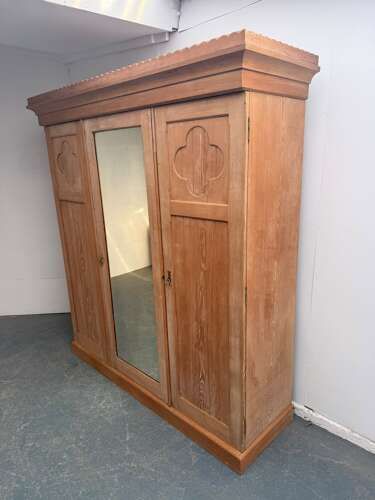
The standard of construction in the wooden furniture is evident in the selection of timber and the preservation of the waxed surface. Substantial items like compactum wardrobes and kitchen dressers display deliberate craftsmanship in their proportions and detailing.
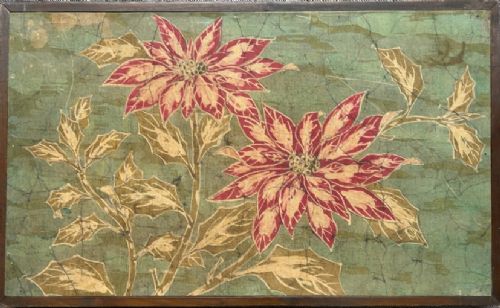
In the framed works and panels, quality relates to the clarity of the medium, whether that is the precision of a mid-century batik floral panel, the detail in a Tang horse brass rubbing, or the preservation of a vellum indenture.
The Vintage Wax Art Glossary
- Batik
- A method of dyeing cloth by resisting areas with wax, seen here in framed textile panels. This technique produces intricate patterns through the interaction of dye and wax resist.
- Wax Seal
- An impression made in molten wax using a signet or matrix to authenticate documents. These seals frequently survive alongside historic paperwork and manuscripts.
- Vellum
- A fine parchment made from calfskin, utilised historically for important legal documents and indentures. It provides a durable surface for handwritten text and seals.
- Aquatint
- A printmaking technique that produces halftone areas resembling watercolours. It is often found alongside prints and books from the nineteenth century.
- Arts and Crafts
- A design movement prioritising traditional craftsmanship and simple forms. Furniture from this period often utilises exposed ash and waxed finishes.
Vintage Wax Art: Frequently Asked Questions
What is vintage wax art?
Vintage wax art encompasses items finished with wax, such as Arts and Crafts ash furniture and Art Nouveau pine cupboards, alongside textile panels created using wax resist methods like batik.
It also includes historical objects incorporating wax seals alongside paper documents, vellum indentures, and framed rubbings.
How do I care for waxed wooden furniture?
Waxed furniture benefits from occasional applications of traditional furniture wax to maintain the finish on timbers like ash and pine.
Keep these pieces away from direct heat sources and moisture to preserve the condition of the wood.
How are batik textile panels displayed?
Batik textile panels are typically stretched and placed within frames to protect the fabric and cotton fibres from environmental wear.
Display them away from direct sunlight to prevent the fading of dyes and inks used in the floral and patterned designs.
What periods do these pieces come from?
The items span several centuries, including eighteenth-century vellum documents, nineteenth-century furniture and seals, and twentieth-century mid-century modern textile panels.
Each period utilises distinct materials, ranging from solid ash and pine to vellum and cotton.