
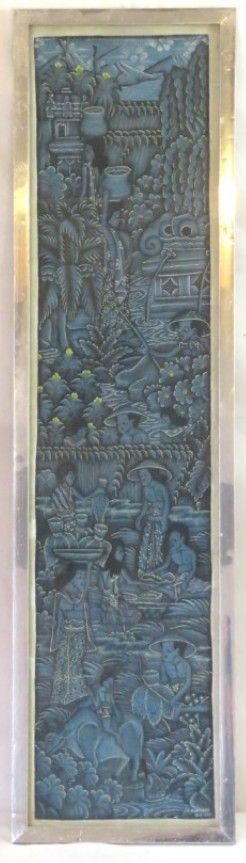

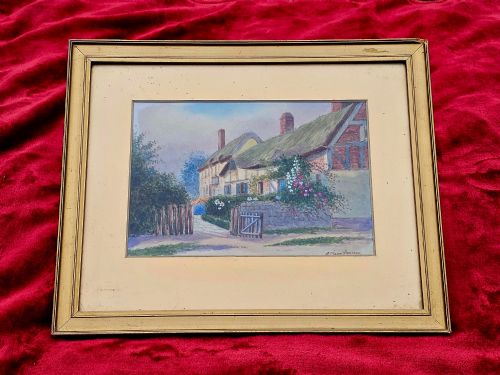
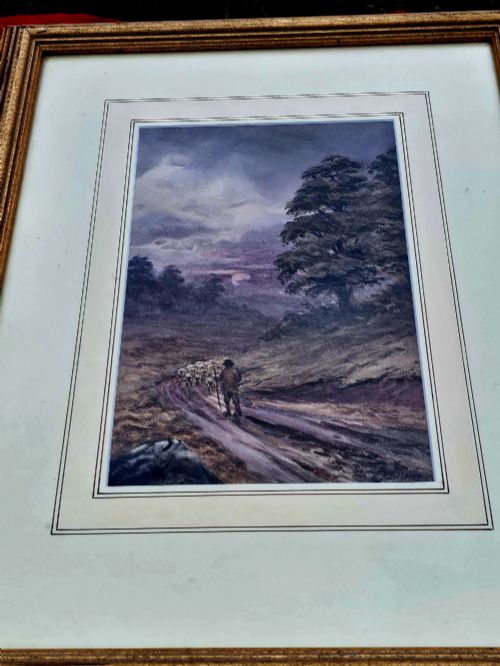
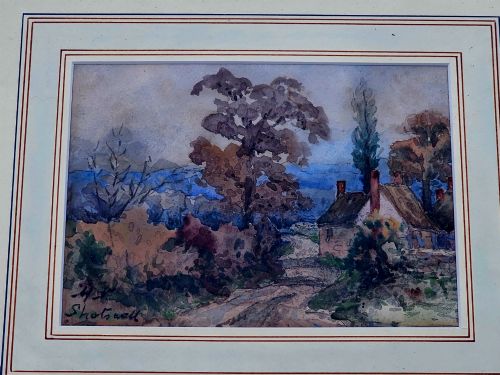
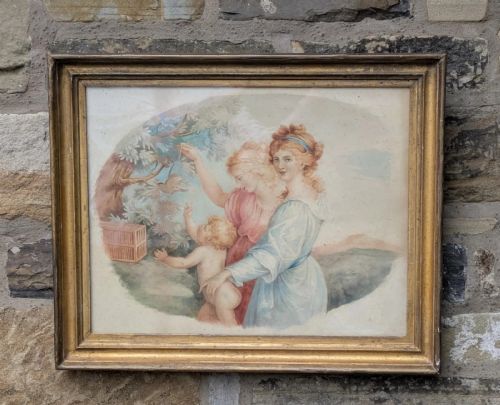
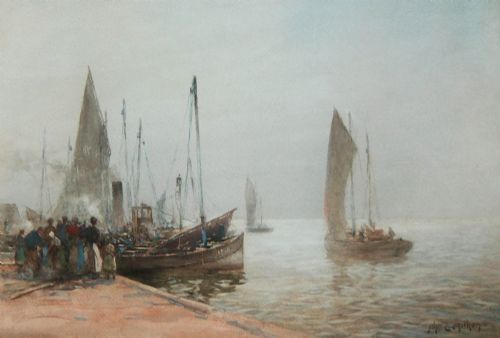

Vintage Watercolour Scene
When you search for a vintage watercolour scene, you are looking at original paintings capturing landscapes, seascapes, and townscapes on paper.
Vintage Watercolour Scene
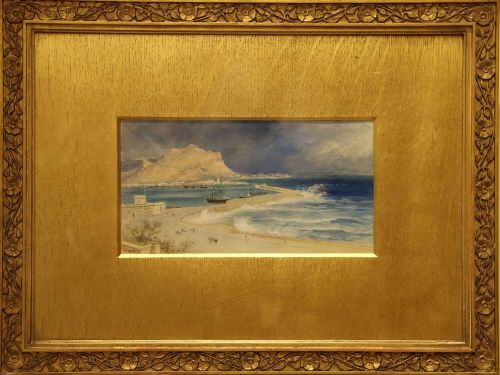
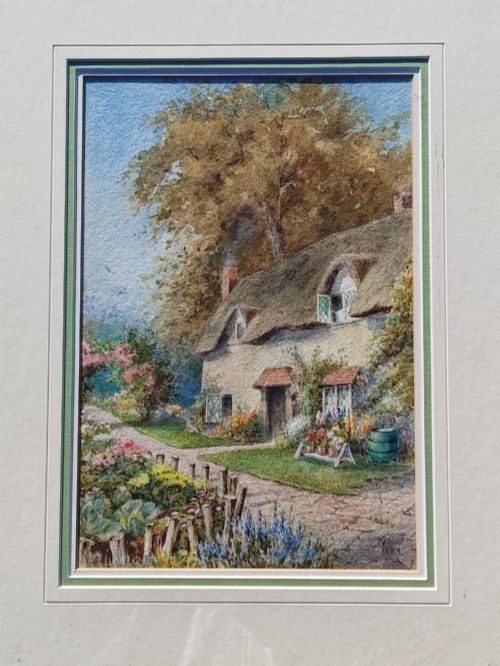
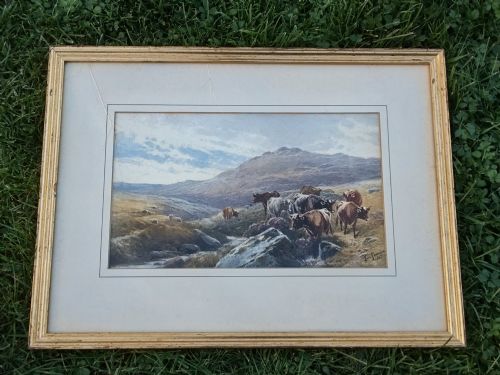
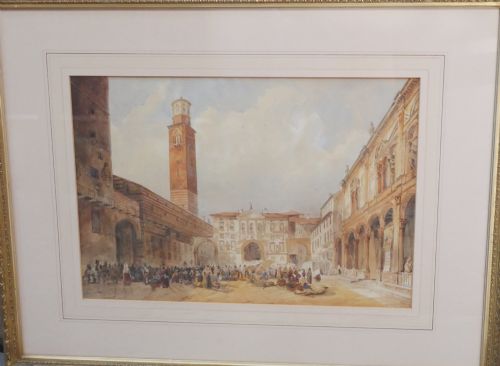
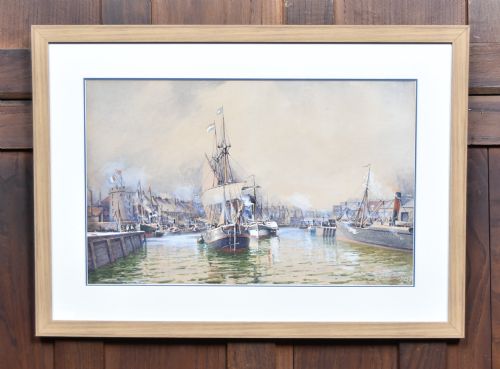
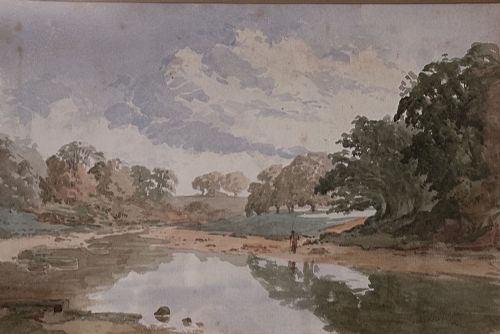
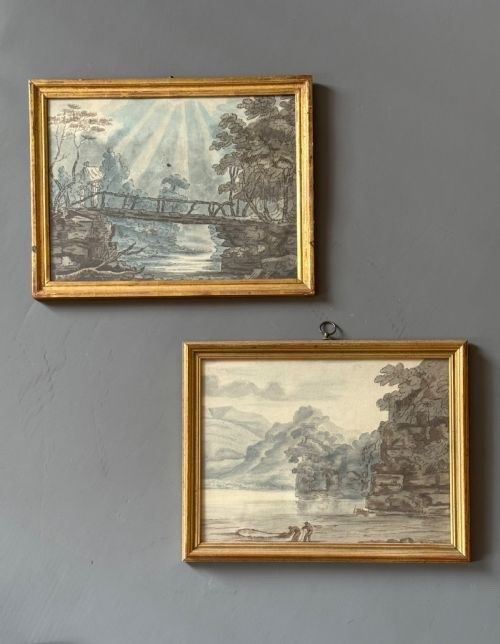
A vintage watercolour scene brings historical British and European landscapes, coastal harbours, and pastoral views into domestic spaces. These works span from the Victorian era through the early twentieth century up to the mid-century decades, capturing rivers, streets, and rural life.
The version you are most likely to meet on this page is a framed original painting on paper, often signed by the artist, depicting British countryside or maritime subjects. These pieces frequently showcase Edwardian and British Impressionist styles executed with watercolour pigment.
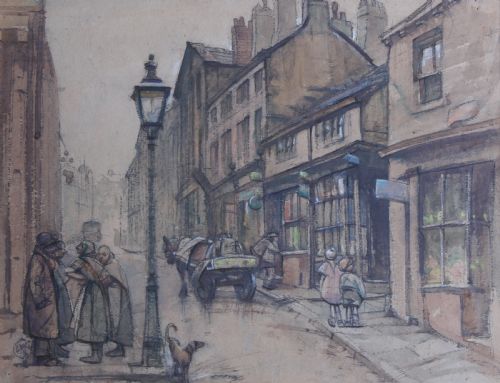
Subjects range from Welsh and Cumbrian landscapes to bustling fishing dockyards in Cornwall and scenes set in France or Holland. Collectors encounter both finished gallery watercolours and intimate ink and watercolour drawings recording daily life and travel.
What Varies In Quality
The success of a piece depends on the surety of the brushwork and the artist's ability to capture light and atmosphere with economy. Stronger works display confident handling of washes and harmonious colour relationships that convey a distinct sense of place.
Compositional balance and narrative engagement elevate certain paintings above standard topographical records. The depth of the pigment retention and the preservation of the paper support further distinguish accomplished gallery examples from routine sketches.
Periods represented span from the Victorian era through the 1900s, 1910s, 1920s, 1930s, 1940s, 1950s, and 1960s.
Alfred Young Nutt·A. Marie Parsons·EJ Letheren·James E. Aitken·John E. Aitken·William Banks Fortescue·Robert Leslie Howey·William Joseph Boyes·Henry Silkstone Hopwood·Fred Lawson·Robert Thorne Waite·Frederick Walker·Frederick James Kerr·Hendrik Valkenberg·David Cox·Albert Ludovici Jnr·Herman S Melville·Frank Kelsey·Charles Edward Wilson·George F Pennington·Alfred George Morgan·Richard Harry Carter·Samuel Timmins·William Lee Hankey·William Manners
The Vintage Watercolour Scene Glossary
- Watercolour
- A painting method in which the paints are made of pigments suspended in a water-soluble vehicle. This technique allows for delicate washes and luminous effects on paper.
- Gouache
- An opaque watercolour paint consisting of pigment, water, and an inert white pigment binder. Artists utilise it to add solid highlights and opaque areas of colour to a composition.
- Topographical
- Depicting a specific real place with accuracy and descriptive detail. These views often record towns, buildings, and identifiable geographical landmarks.
- Provenance
- The chronology of the ownership and origin of a work of art. Documented history helps confirm authenticity and previous exhibitions.
Vintage Watercolour Scene: Frequently Asked Questions
How should I hang vintage watercolours?
Keep framed paper art away from direct sunlight and damp walls to preserve the pigments and paper support. Utilise UV-filtering glass where possible to prevent fading over time.
Ensure the piece is securely hung using appropriate wall fixings suitable for the weight of the wooden frame.
What subjects are most common?
Landscapes, coastal havens, and rural street scenes dominate this selection of works. Artists frequently painted British rivers, Welsh mountains, and Cornish fishing harbours.
Travellers also recorded continental views including French towns and Dutch waterways during the nineteenth and twentieth centuries.
Are these watercolours original?
The inventory consists of hand-painted original works on paper rather than modern reproductions. Signatures and dates inscribed by the artists often accompany the compositions.
Examine the surface through the glass to observe the distinct brushstrokes and texture of the watercolour pigment on paper.
How do I identify the period?
Stylistic clues such as Edwardian costume, Victorian framing styles, and artist biographical dates help narrow down the decade of creation. Paper types and handwritten inscriptions on the reverse also provide chronological evidence.
Comparing the handling of light and subject matter to established artistic movements clarifies whether a piece belongs to the nineteenth or mid-twentieth century.