

Brown Watercolour Artwork
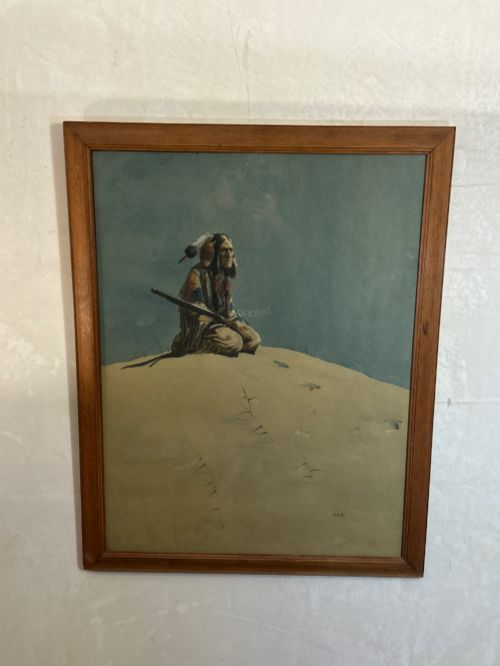
These brown watercolour artwork pieces span the nineteenth and twentieth centuries, offering intimate glimpses into historical scenes, portraits, and landscapes.
Brown Watercolour Artwork
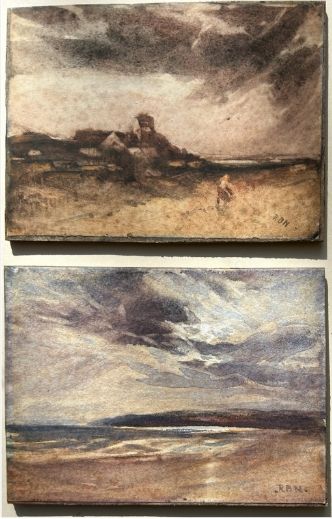
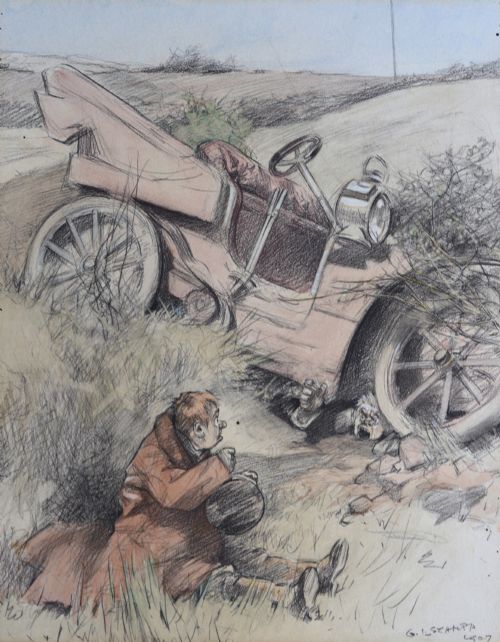
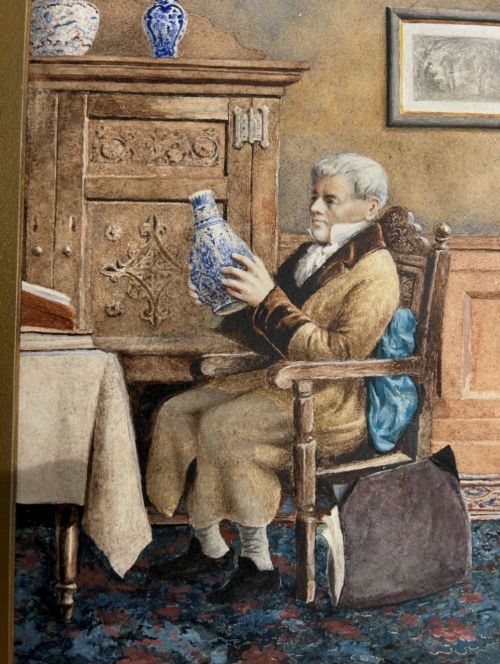
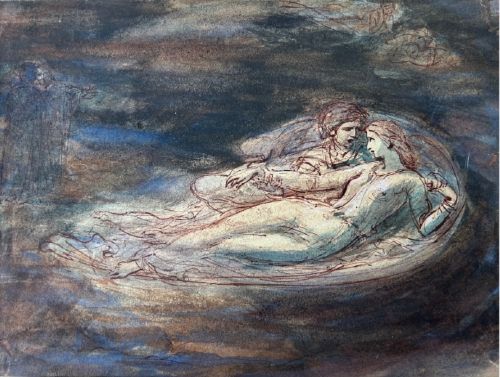
A brown watercolour artwork comprises original paintings, sketches, and studies rendered in monochrome brown wash, sepia, or ink and wash on paper. These pieces range from detailed Victorian genre scenes and coastal landscapes to early twentieth-century impressions and mid-century still lifes.
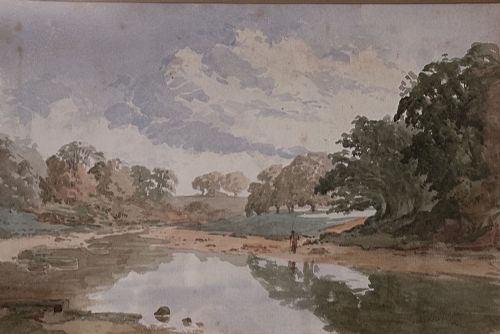
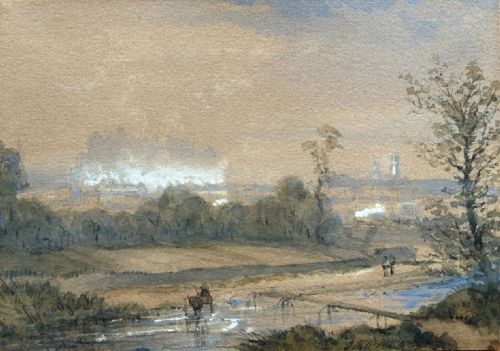
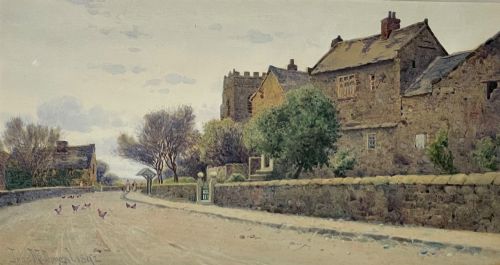
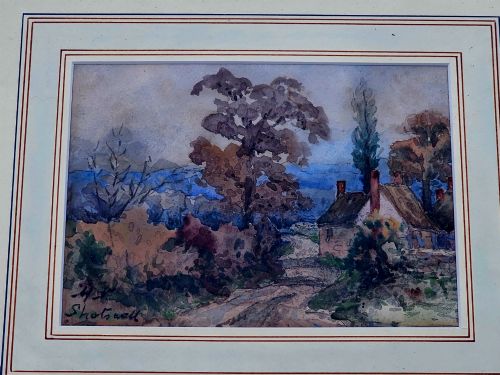
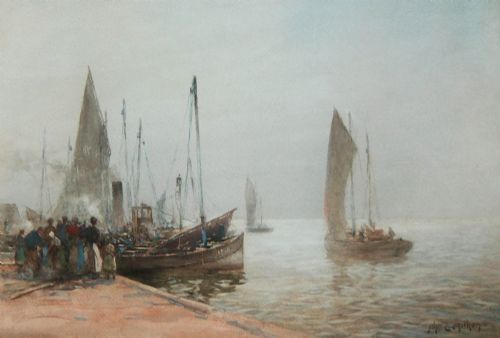
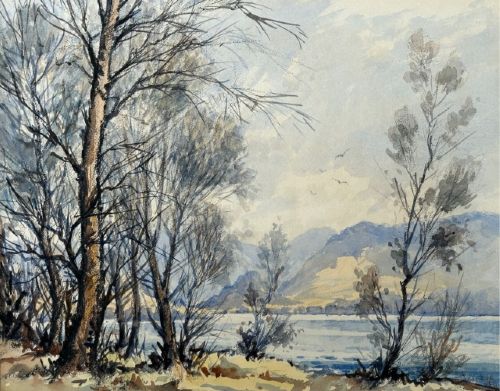
The selections on this page draw predominantly from nineteenth-century and early twentieth-century British art, incorporating framed works that showcase traditional subject matter such as rural villages, maritime harbours, and historical figures.
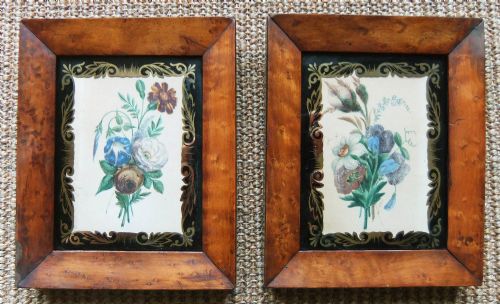
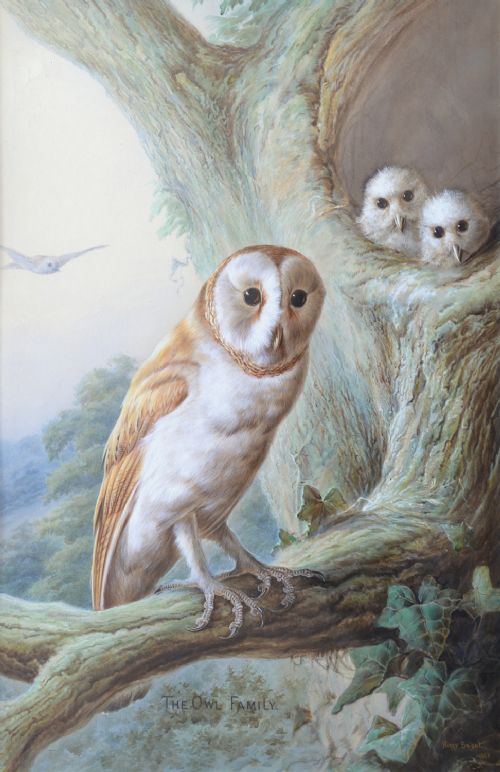
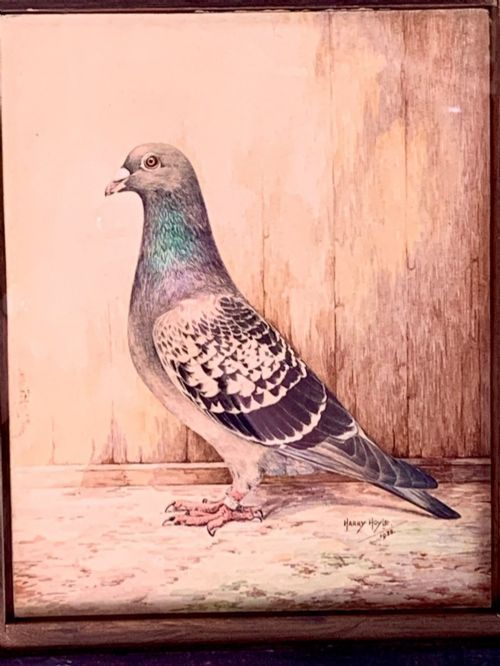
Collectors encounter various formats, including exhibition-size watercolours, framed sets of Chinese export gouache paintings, and intimate botanical or animal studies preserved beneath glass in period wooden frames.
How They Were Made
Artists executed these works using watercolour pigment, bodycolour, ink, and gouache applied to paper supports, frequently building depth through layered washes and fine ink lines.
Many surviving examples incorporate wood and glass in their original framing, protecting the delicate paper paintings from environmental wear over the decades.
Listings span the nineteenth and twentieth centuries, featuring paper, watercolour pigment, gouache, ink, wood, and glass.
What Varies in Quality
Quality rests upon the artist's draughtsmanship, the precision of brushwork, and the compositional strength evident across the paper surface.
The preservation of the pigment, the clarity of the paper support, and the authenticity of the period frame further distinguish the standard of individual pieces.
George Sydney Shepherd·George Lorain Stampa·James Orrock·John R Prentice·Henry Stacy Marks·John Hassall·John McDougal·James E Aitken·Robert Leslie Howey·Henry Silkstone Hopwood·Muriel Metcalfe·John Smith Atherton·Hector Caffieri·Carl Haag·TB Hardy·Hendrik Valkenberg·Frederick Tatham·Herman S Melville·George Stanfield Walters·Ralston Gudgeon·James Hayllar·John Moxon·Alfred George Morgan·James Tower
The Brown Watercolour Artwork Glossary
- Watercolour
- A paint consisting of a pigment suspended in a water-soluble vehicle, applied to paper to create translucent washes. This medium allows artists to achieve subtle tonal gradations and delicate atmospheric effects.
- Bodycolour
- Watercolour paint mixed with a white pigment to render it opaque, also known as gouache. This technique permits artists to add highlights and solid areas of colour over transparent washes.
- Ink and wash
- A drawing technique combining linear ink work with diluted monochrome watercolour pigment. It creates strong compositional outlines combined with soft tonal shadows.
- Chinese export
- Art objects produced in China specifically for Western markets during the nineteenth century. These items often depict traditional maritime scenes and junks on paper.
- Exhibition size
- A larger scale format intended for public display rather than a private sketch album. Such works typically command greater detail and compositional complexity.
Brown Watercolour Artwork: Frequently Asked Questions
How should I hang watercolour art?
Watercolour paintings require protection from direct sunlight to prevent the pigments and paper from fading over time. Position them away from bright windows on interior walls.
Ensure the room maintains stable humidity levels to protect both the antique paper and the original wooden frames from moisture damage.
What subjects appear in these paintings?
The subjects range widely from British coastal landscapes and fishing harbours to intimate family portraits and botanical studies. Artists frequently recorded everyday scenes, architectural landmarks, and historical narratives.
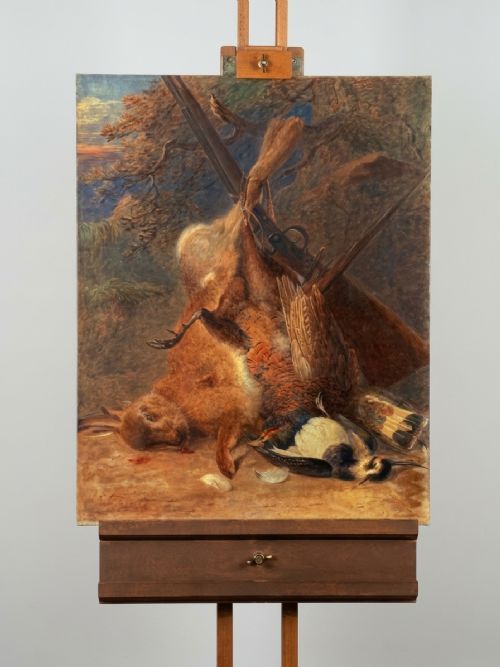
Specialised pieces also include depictions of animals, game, and still life compositions created across the nineteenth and twentieth centuries.
Are these works signed by the artists?
Many of the listed pieces bear signatures, initials, or contemporary inscriptions left by the original creators. Documentation often attributes works to specific painters active during the Victorian and Edwardian eras.
Unsigned examples are typically attributed through stylistic comparisons, historical provenance, and period framing techniques.
How do I identify a Victorian watercolour?
Victorian watercolours often employ muted earth tones, fine ink detailing, and subject matter rooted in landscape, literature, or domestic life. The paper stock and framing materials generally align with nineteenth-century manufacturing standards.
Examining the reverse of the frame can reveal period labels, titles, or artist biographies that confirm the era of production.