


Vintage Watercolour Art
Vintage watercolour art brings expressive British landscapes, maritime scenes and botanical studies into a room through delicate pigment on paper.
Vintage Watercolour Art
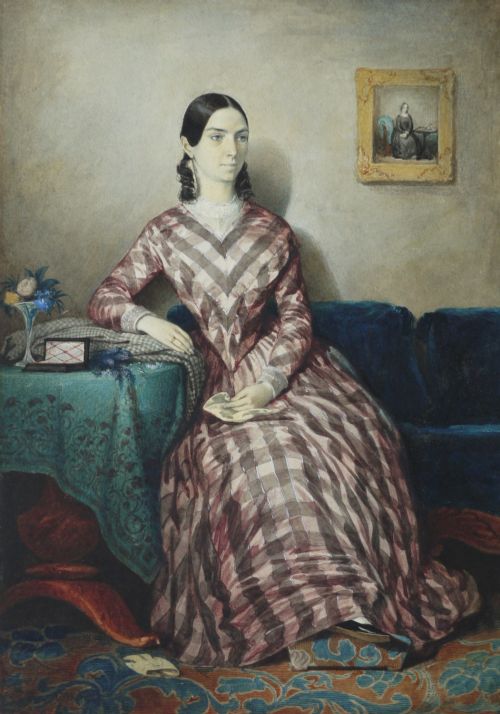
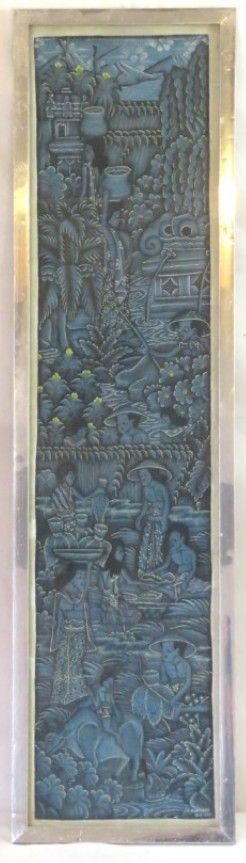
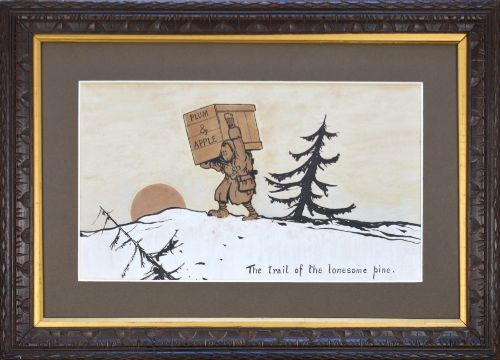
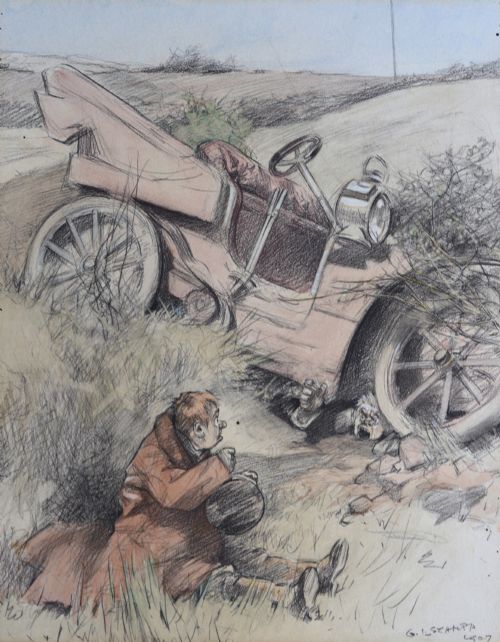
Vintage watercolour art spans intimate 19th-century botanical studies, Edwardian river scenes and mid-century coastal views. Buyers seeking these works encounter framed paintings, wall art and detailed illustrations executed on paper or silk. The selection draws heavily from British Impressionism, Victorian landscape art and regional topographical traditions.
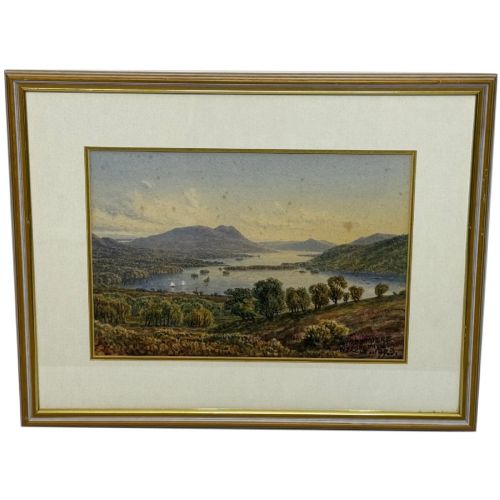
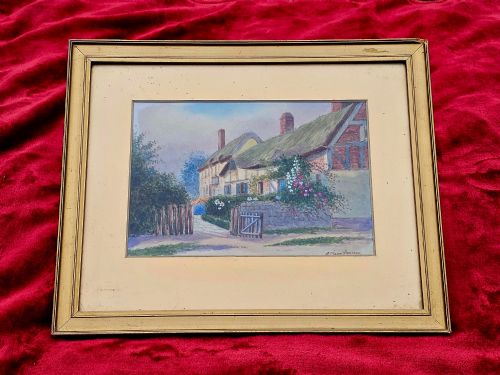
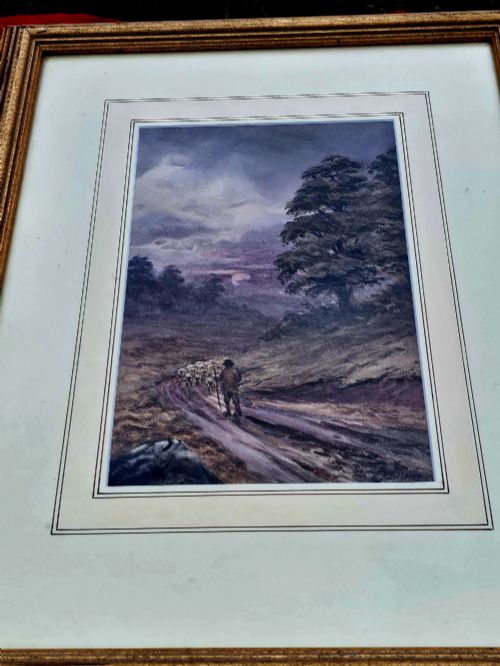
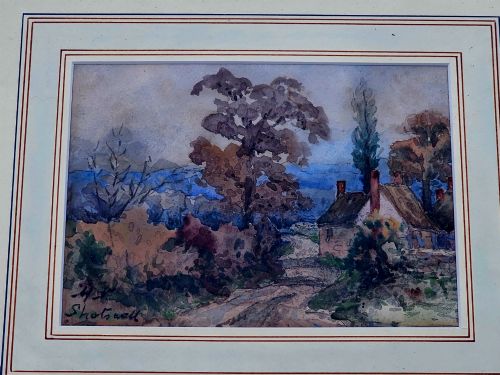
Most pieces date from the Victorian and Edwardian eras through to the mid-20th century. Landscapes featuring Welsh rivers, Yorkshire dales and the English Lake District appear frequently alongside maritime views and floral still lifes. Works range from rapid plein-air sketches to finished studio watercolours signed by regional artists.
Materials and technique
Watercolour pigment relies on water-soluble binders applied to prepared paper or occasionally silk. Artists layer translucent washes to build luminosity, often combining watercolour with ink, pencil underdrawing or gouache for highlights.
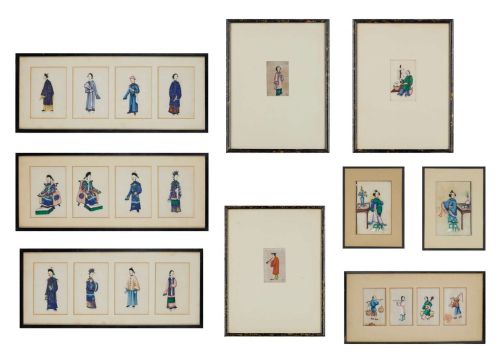
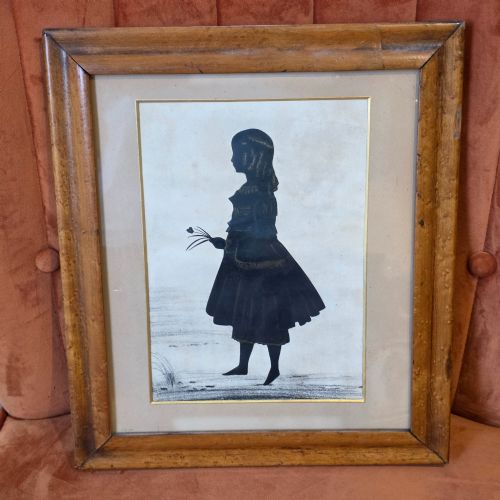
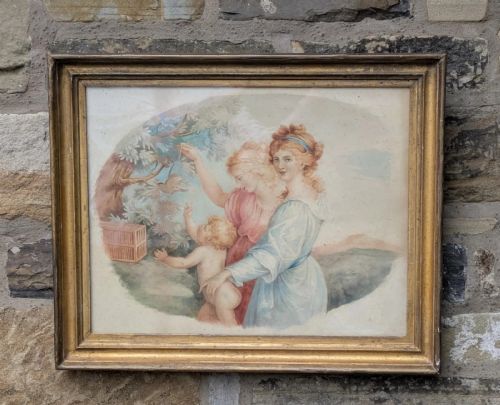
Framing materials reflect the period of production, incorporating glass, wood and giltwood alongside original rosewood frames. Cut-paper silhouettes and pith paintings demonstrate alternative mounting and support techniques used across the nineteenth and early twentieth centuries.
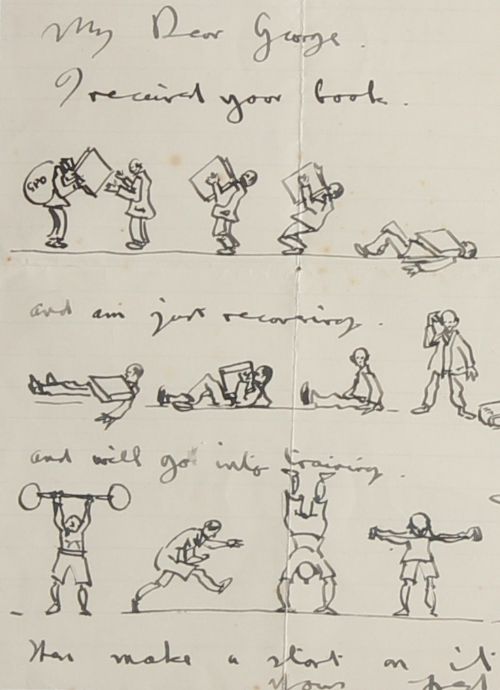
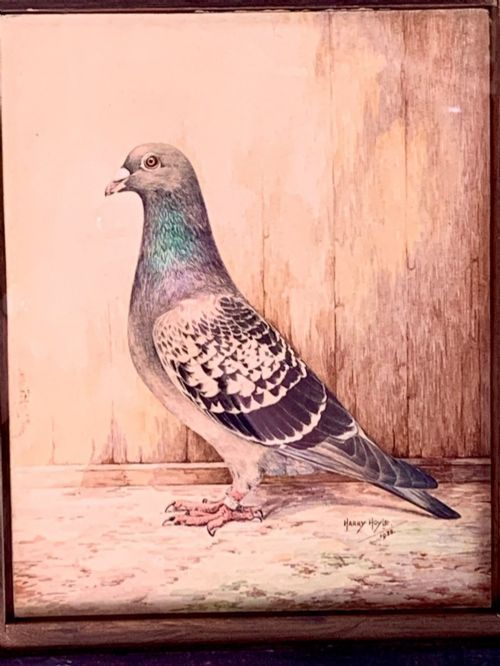
A racing pigeon named King George V Silver Jubilee Winner secured a permanent place in watercolour history.
Evaluating the range
Quality rests on the confidence of the brushwork and the precision of the composition. Masterful handling achieves atmospheric depth and natural light through minimal washes rather than overworked pigment.
Condition matters significantly because paper is vulnerable to fading, foxing and acid damage. Intact original frames and preserved paper tone distinguish superior examples from heavily restored or degraded works.
George Lorain Stampa·John Hassall·Robert Leslie Howey·James E Aitken·Charles Edward Dixon·Eric Tufnell·William Banks Fortescue·William Joseph Boyes·Frank Watson Wood·Henry Silkstone Hopwood·Thomas William Morley·Fred Lawson·Frank William Scarbrough·Robert Thorne Waite·Richard Henry Wright·Albert Pile·Jack Cross·John Arthur Dees·Orlando Greenwood·Emerson H Groom·Cecil Arthur Hunt·W H Dyer·John Charles Moody
The Vintage Watercolour Art Glossary
- Watercolour pigment
- Finely ground colour particles mixed with a water-soluble binder. This medium allows artists to create transparent washes that retain the luminous quality of the underlying paper.
- Gouache
- An opaque water-based paint often combined with watercolour. It introduces solid highlights and dense colour areas into a composition.
- Pith painting
- Artwork created on thin sheets of pith plant material. These delicate nineteenth-century works frequently depict Chinese figural subjects in vibrant hues.
- Foxing
- Brown spots that develop on older paper over time due to chemical reactions. Collectors assess how much these spots disrupt the visual integrity of the painted surface.
- Plein air
- Painting outdoors in direct natural light. This technique captures immediate atmospheric effects and spontaneous weather changes in landscape subjects.
Vintage Watercolour Art: Frequently Asked Questions
How should I hang vintage watercolours?
Keep watercolours away from direct sunlight to prevent the pigments and paper from fading over time. Professional conservation framing with UV-protective glass safeguards these delicate works against light damage and humidity.
Ensure wall spaces maintain a stable temperature away from radiators and damp zones. Proper hanging protects both the paper support and the original antique frame.
What subjects are most common?
British landscapes, coastal scenes and rural river valleys dominate the selection. Artists frequently recorded local topography, from Yorkshire dales to Welsh rivers and London harbour views.
Botanical studies of wildflowers, fruit and roses also appear regularly alongside maritime subjects and architectural watercolours. These diverse themes reflect changing artistic interests across the nineteenth and twentieth centuries.
How do I date a watercolour?
Examine the signature, inscriptions on the reverse, and stylistic clues within the landscape or costume. Dates written by the artist provide the most direct evidence of production.
Frame construction and paper type offer additional chronological markers. Comparing the style to known periods like the Edwardian era or mid-century helps narrow down the timeframe.
Are these works always signed?
Many pieces carry signatures or studio stamps, while others remain attributed to a broader regional school. Unsigned works frequently emerge from artist studio sales or historical portfolios.
Signatures add historical context but unsigned paintings still demonstrate significant artistic skill and period character. Quality of execution remains the primary guide for attribution.