
Vintage Watch
When you search for a vintage watch, you find precision instruments and wearable history spanning the Victorian era through the mid-century modern period.
Vintage Watch
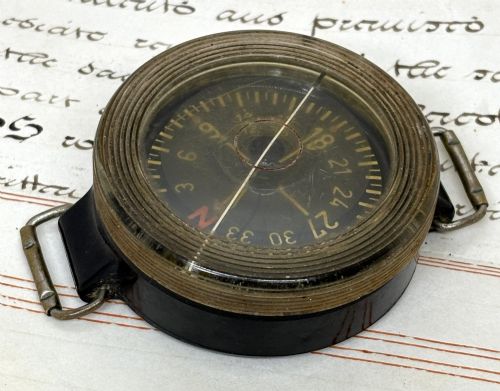
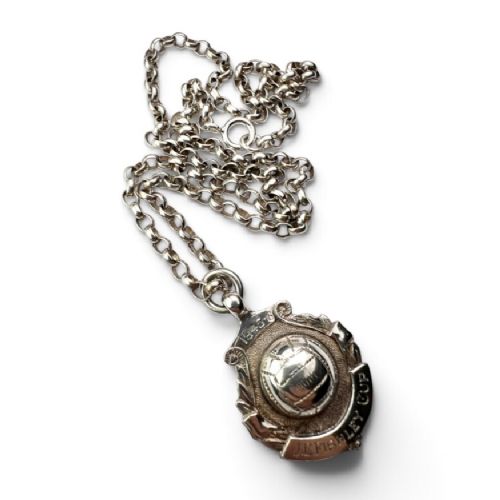
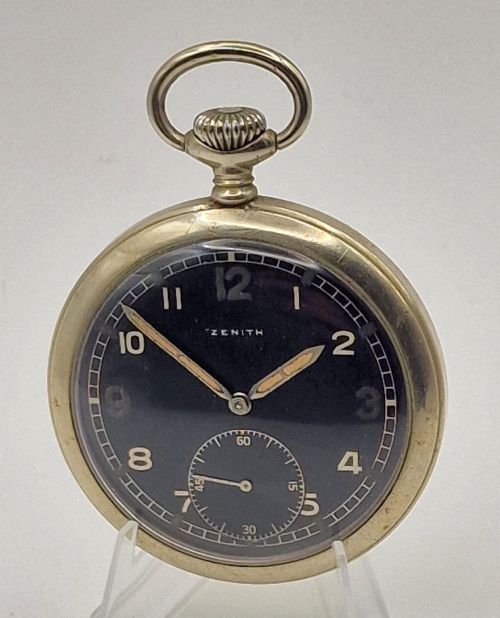
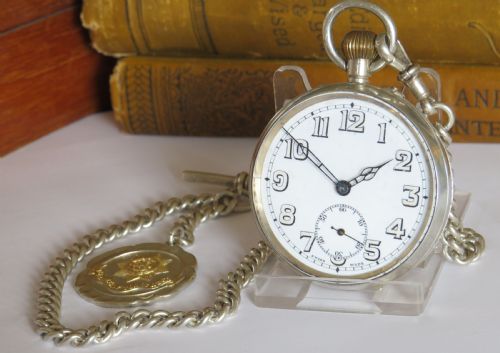
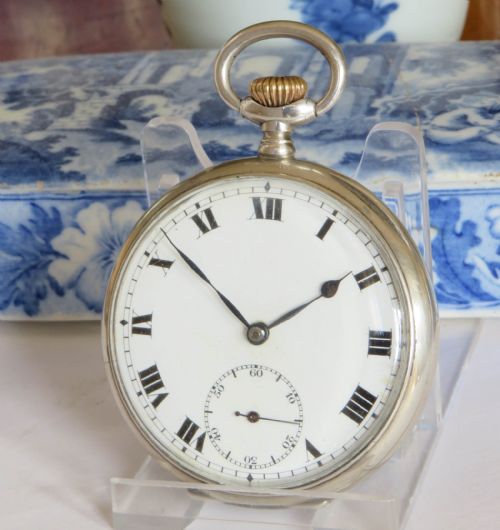
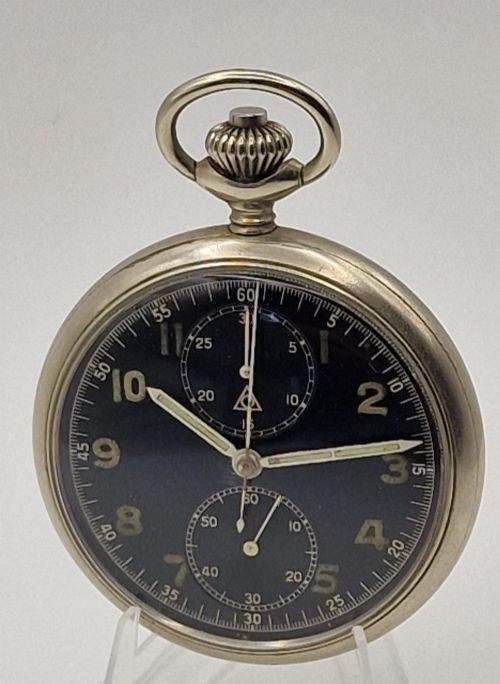
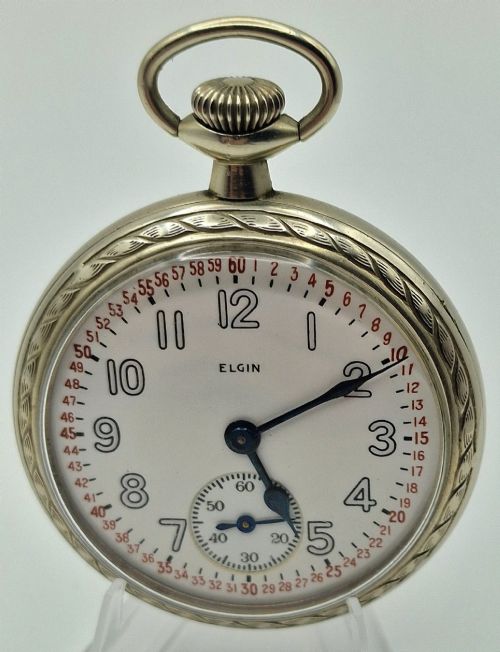
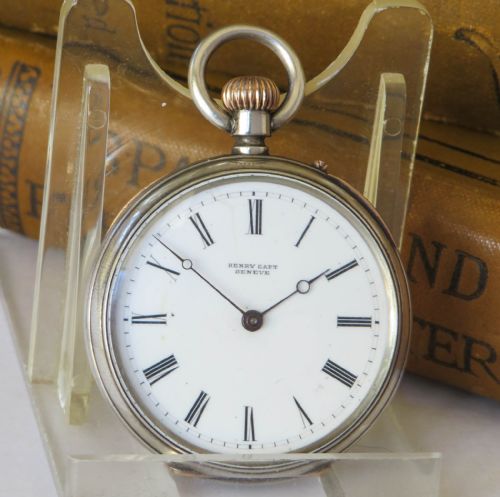
A vintage watch selection encompasses both pocket watches and wristwatches, alongside related chains, fobs, and military instruments. Buyers encounter pieces originating from the Victorian and Edwardian eras, progressing through Art Deco designs and mid-century military productions.
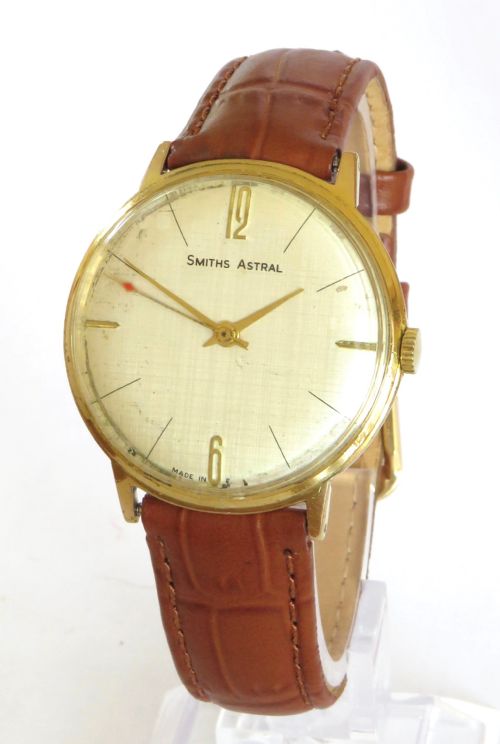
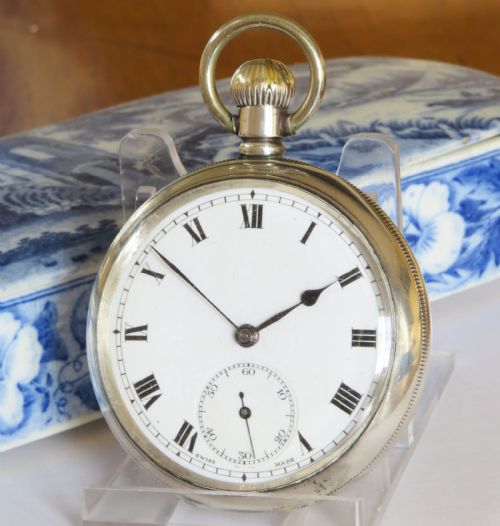
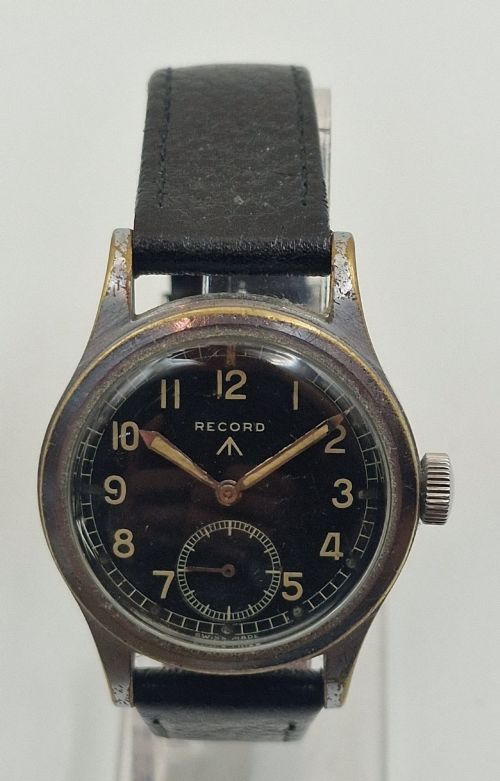
Pocket watches dominate the earlier decades, featuring silver cases and specialist movements. Wristwatches emerge strongly in the mid-century period, with steel and gold cases housing mechanical calibres from established makers.
Materials and Construction
Cases utilise metals ranging from stainless steel and silver to rolled gold and solid nine-carat gold. Glass protects the dials, while leather provides strap options for wrist-worn pieces.
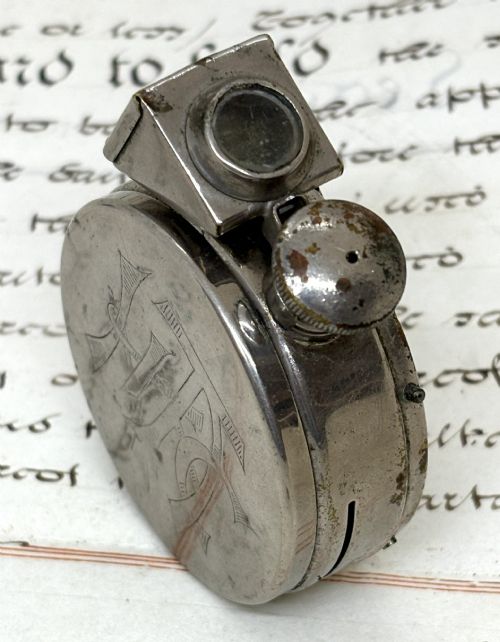
Among the timepieces, buyers can acquire a WW1 pocket spy camera designed for covert photography.
Factors That Determine Quality
Quality rests in the preservation of the original movement and the clarity of the dial. Pieces retaining authentic components distinguish themselves from examples with replacement parts.
The choice of case material also defines the tier, with solid gold housings and signed movements sitting apart from base metal alternatives. Documentation and original boxes further elevate the standing of a piece.
Zenith·Elgin·Omega·Longines·Waltham·Cortebert
The Vintage Watch Glossary
- Calibre
- The specific internal movement design and model created by a watch manufacturer. This designation identifies the exact mechanical engine powering the timepiece.
- Fob
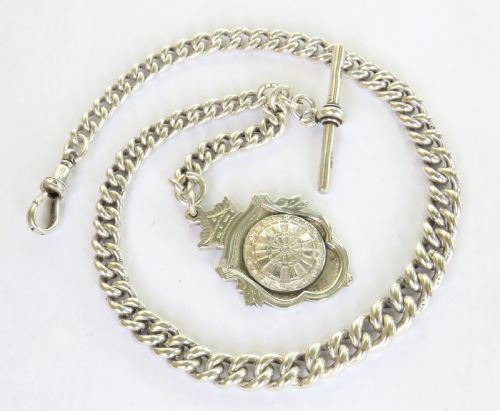
- A small medallion, seal, or ornament attached to a pocket watch chain. These decorative items often incorporate stones such as bloodstone or carnelian.
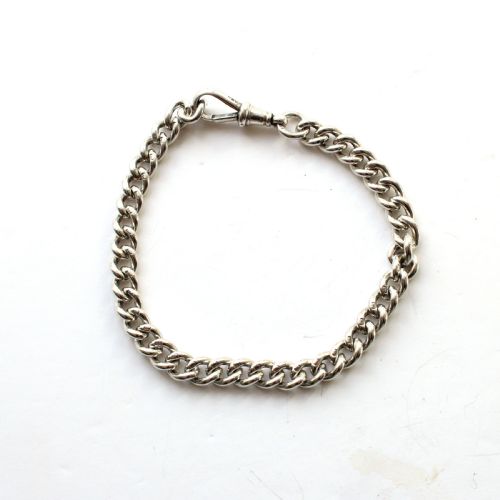
- Albert chain
- A short length of chain used to secure a pocket watch to a waistcoat or garment. Double Albert versions attach from one buttonhole to another with a drop piece in the centre.
- Chronograph
- A watch equipped with a stopwatch function alongside the standard time-displaying hands. These complications require additional subdials and pusher buttons.
- Goliath
- An extra-large pocket watch designed primarily for desk or travel carriage use. They sit inside dedicated leather cases rather than waistcoat pockets.
Vintage Watch: Frequently Asked Questions
How do I wind a mechanical watch?
Turn the crown clockwise between your thumb and forefinger until you feel gentle resistance. Stop immediately to avoid damaging the internal mainspring.
Perform this action at the same time each day for consistent timekeeping.
Are these watches water resistant?
Most vintage pieces lack modern rubber gaskets and modern sealing techniques. Even military models from the mid-century period should stay clear of moisture.
Keep them away from swimming, showers, and heavy rain to protect the delicate internal movement.
How do I date a pocket watch?
Examine the silver or gold hallmarks stamped inside the case back for specific assay office symbols and date letters. Movement serial numbers also provide manufacturing decades through maker records.
Stylistic cues such as Art Deco numerals or Victorian engraving help narrow the production era.
Can I wear a pocket watch daily?
Secure the piece using an appropriate chain fastened to a secure buttonhole or belt loop. Keep the watch in a dedicated pocket free from keys or coins to prevent scratching.
Have a professional service the mechanical movement periodically to ensure reliable operation.