

Vintage Watch with Fob
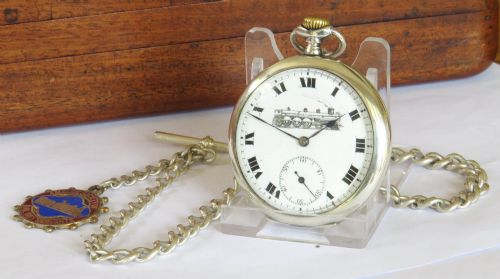
These pieces of vintage watch with fob bring together pocket timepieces and their matching chains, offering a direct link to early twentieth-century timekeeping.
Vintage Watch with Fob
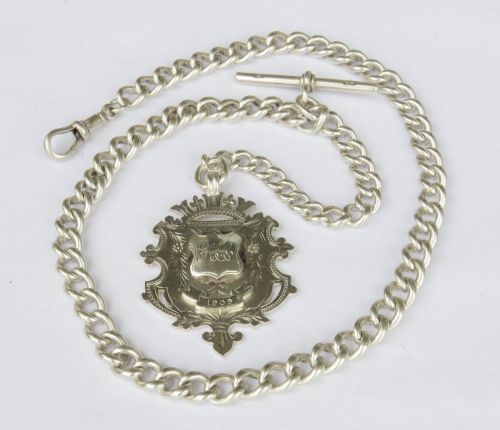
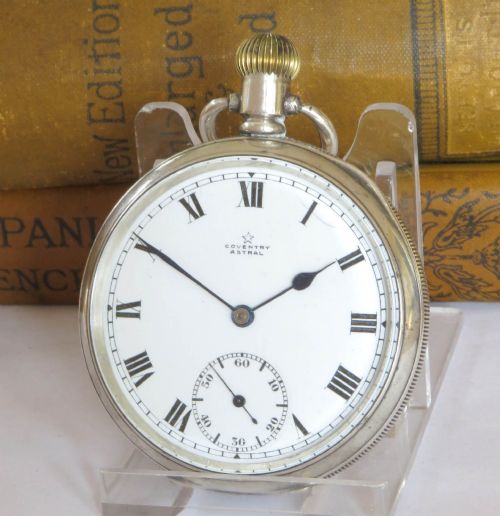
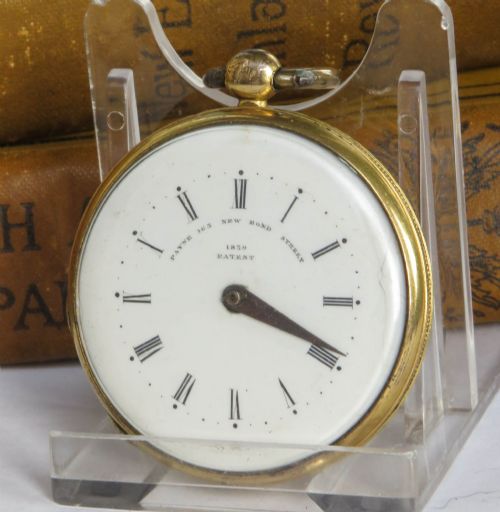
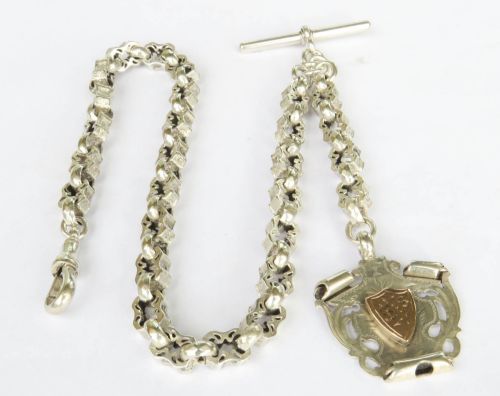
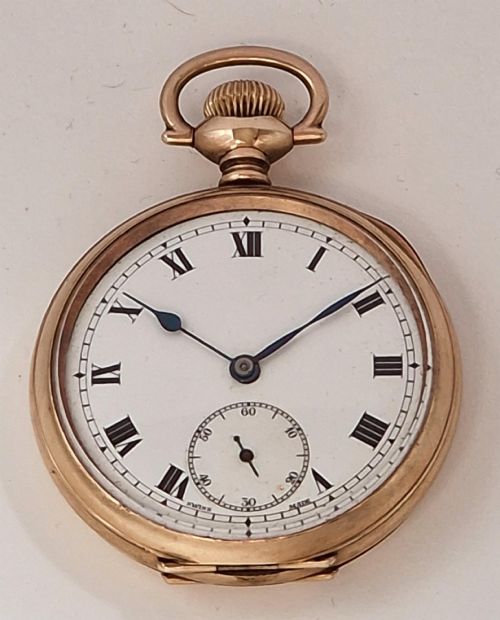
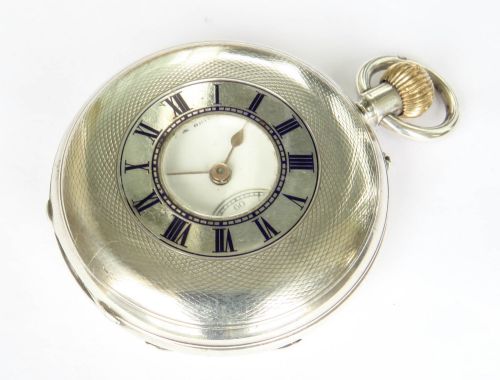
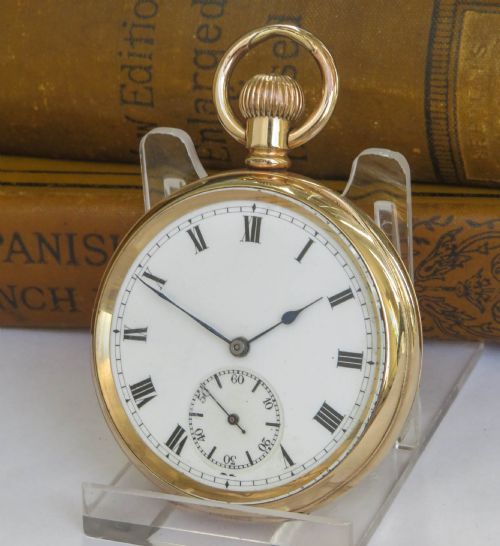
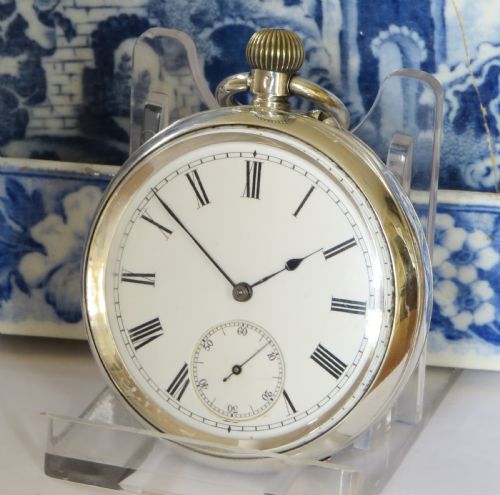
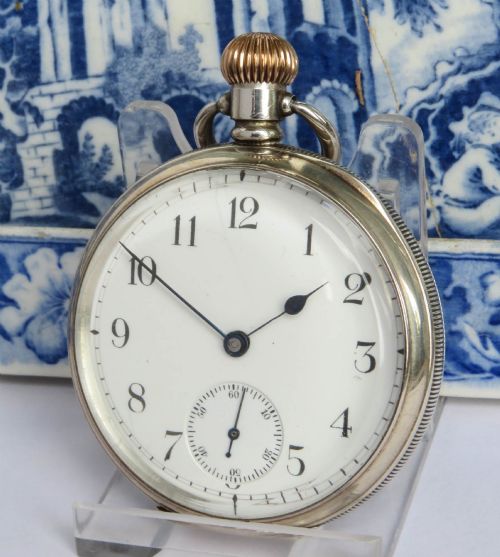
A vintage watch with fob combines a traditional pocket watch with an accompanying chain, pendant, or charm designed to secure the timepiece to a waistcoat or lapel. These sets span from the nineteenth century through the Edwardian era and into the nineteen-thirties, reflecting changing tastes in personal adornment and utility.
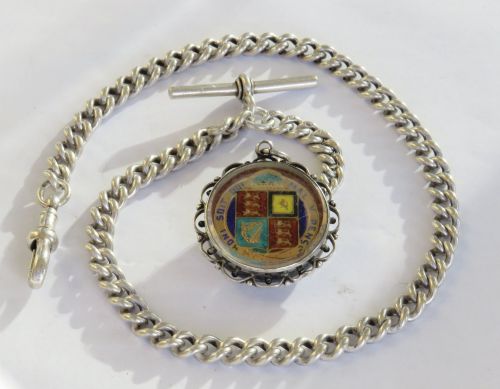
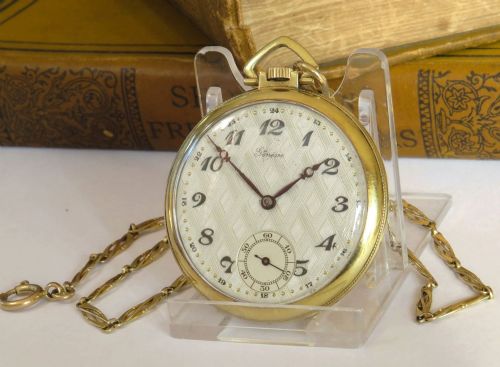
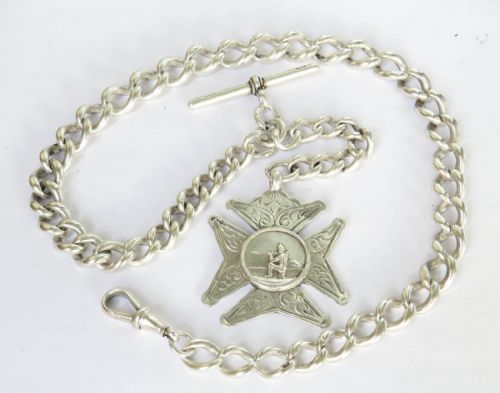
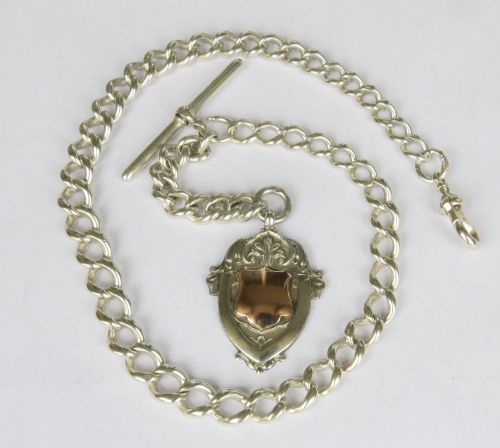
The objects on this page include pocket watches paired with albert chains, whistle pendants, compasses, and decorative fobs set with stones such as bloodstone. Buyers will encounter both silver and gold versions alongside brass, steel, and nickel pieces, often accompanied by distinct chain links like the trombone pattern.
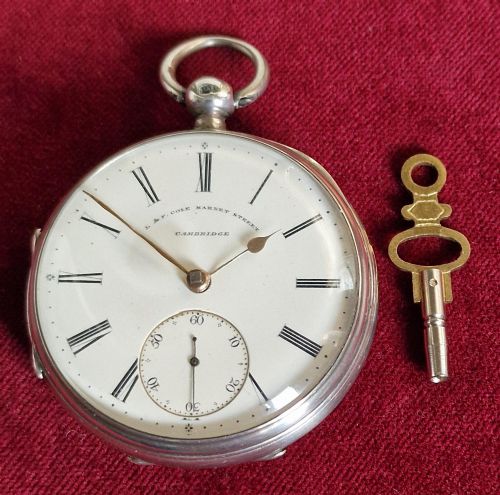
Stylistically, the selection ranges from ornate Victorian designs to clean geometric Art Deco forms and Louis XVI influences. Pocket watches bearing maker names such as Omega, Doxa, Horos, and Urania appear alongside unmarked silver and gold pieces.
How they were made
Makers utilised precious metals like sterling silver and nine-carat rose gold alongside base metals such as nickel, brass, and steel to construct the chains, cases, and fobs. Fusee movements and full hunter configurations represent the mechanical side of the watchmaking craft found in these listings.
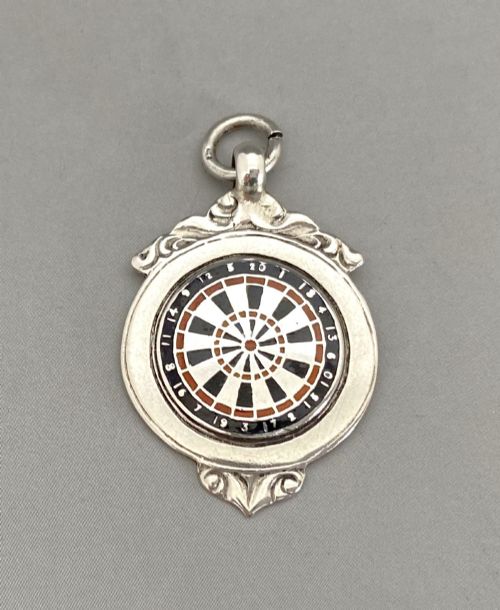
Enamel and glass feature in decorative elements, particularly on watch backs and companion pendants, adding colour and texture to the metallic framework. Chains incorporate specialised components including dog clips, love knots, and T-bars to fasten the watch securely.
Vintage Watch with Fob Retail Price Guide 2026
Typical asking prices for vintage watch with fob among the pieces listed under this phrase on Sellingantiques today, from the lower quarter to the upper quarter. They describe what is for sale here now, not the wider market.
What varies in quality
The choice of material creates a clear distinction across the range, moving from durable nickel and brass up to solid sterling silver and nine-carat gold. Marked precious metal components and signed watch movements by known makers indicate higher tier production.
Complexity of construction also divides the pieces, separating simple single chains from intricate double watch chains featuring matched fobs, whistles, compasses, and detailed links like trombones.
Omega·Doxa·Horos·Urania
The Vintage Watch with Fob Glossary
- Fob
- A small ornament or medallion attached to a pocket watch ribbon or chain. They often incorporate stones such as bloodstone or feature engraved details.
- Full hunter
- A pocket watch style featuring a spring-loaded metal cover that protects the glass dial face. This cover opens via a push-piece on the crown.
- Fusee
- An antique mechanical movement mechanism utilising a cone-shaped pulley to ensure even tension as the mainspring unwinds. This system improves timekeeping accuracy in older watches.
- T-bar
- A transverse bar attached to the centre of an albert chain used to secure the chain through a buttonhole on a waistcoat. It prevents the watch and chain from slipping away.
Vintage Watch with Fob: Frequently Asked Questions
How do I wear a pocket watch with an albert chain?
The T-bar fastens through a buttonhole on a waistcoat or jacket, while the watch itself rests securely in the corresponding pocket. The chain drapes across the front, allowing any attached fobs or charms to hang visibly.
Shorter single chains suit a simple pocket-to-buttonhole span, whereas double chains connect across two pockets to balance heavier timepieces and multiple pendants.
How do I tell Edwardian pieces from Victorian ones?
Victorian pieces tend to feature heavier, more ornate decoration with deep engraving and robust proportions. The materials often emphasise dark silver and substantial gold weights.
Edwardian items generally show lighter, more refined craftsmanship with delicate details like love knots, whistle pendants, and brighter rose gold tones.
Can I use the compass or whistle on these chains?
Many of the surviving compasses and whistles remain functional mechanical items alongside their decorative purpose. They were designed for active daily use during the nineteenth and early twentieth centuries.
Testing them requires gentle handling due to their age, as internal components and seals may have degraded over the decades.