

Vintage Watch with Chain
A vintage watch with chain brings together reliable mechanical timekeeping and substantial precious metal work from the nineteenth and twentieth centuries.
Vintage Watch with Chain
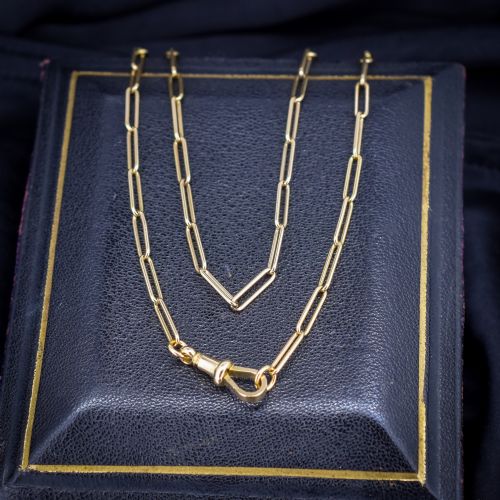
When people search for a vintage watch with chain, they encounter a combination of functional pocket or fob timepieces paired with matching Albert chains, guard chains, or bracelets. These items bridge multiple eras, stretching from late Victorian and Edwardian periods through the Art Deco years and into the mid-twentieth century.
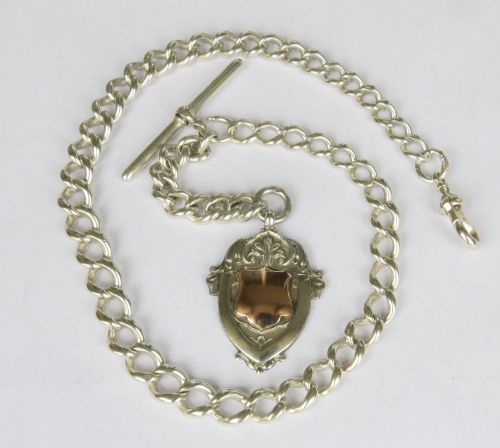
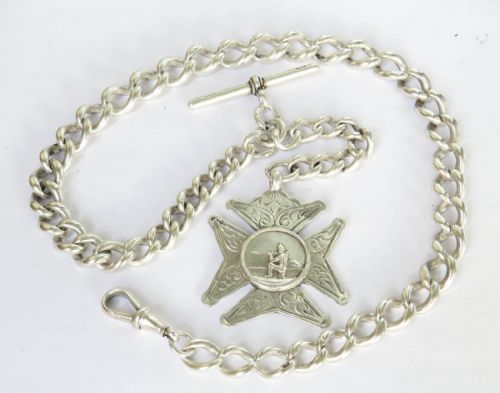
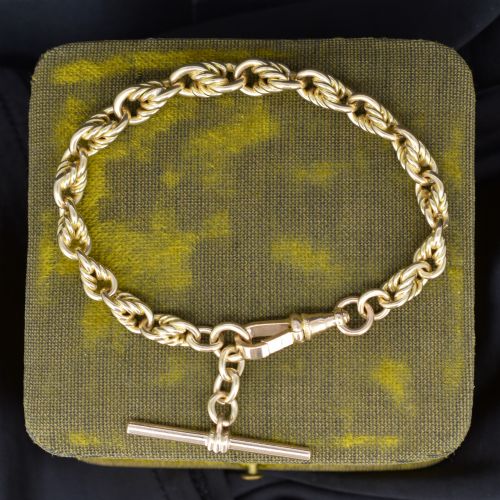
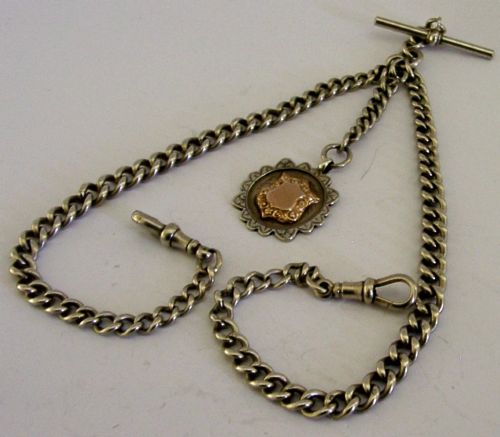
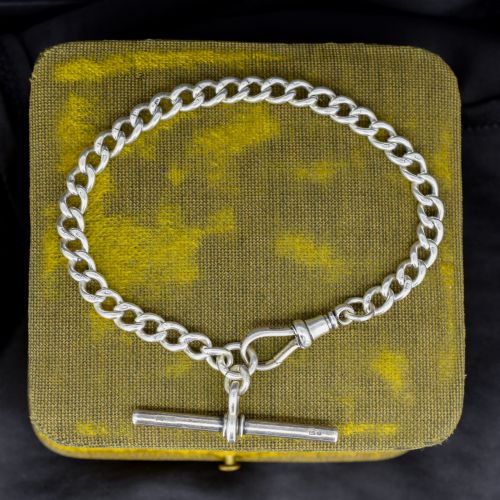
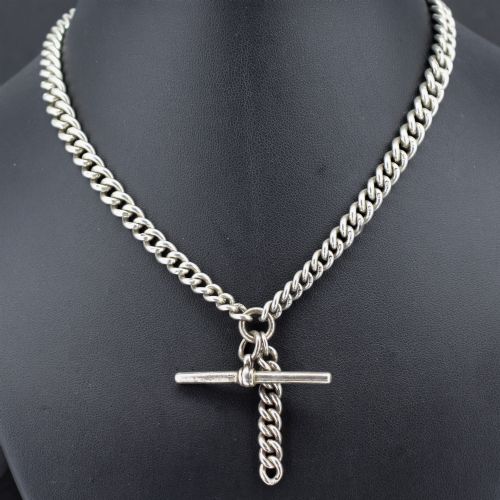
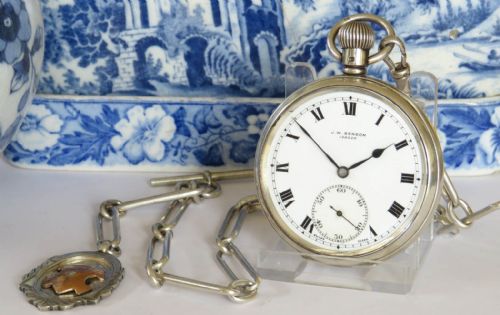
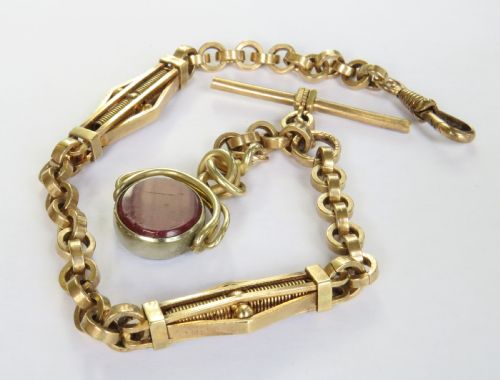
The pieces on this page lean heavily toward pocket watches alongside wristwatches, often accompanied by traditional components such as T-bars, dog clips, compasses, and fobs. Silver and various carats of gold dominate the configurations, alongside specialist finishes like niello and gun metal.
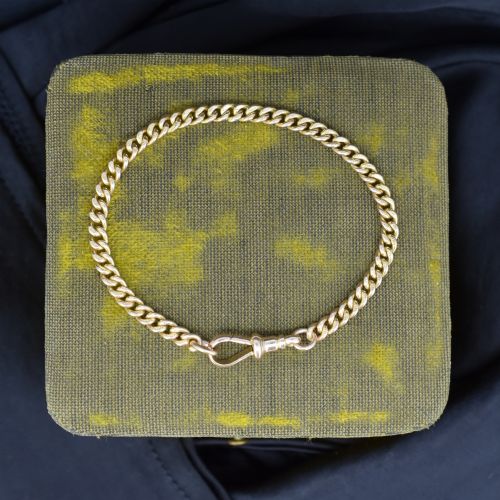
Buyers find both open-faced pocket watches and compact ladies wristwatches, frequently retaining original boxes or specific maker signatures. The chains themselves range from short bracelet lengths to long guard chains designed to wrap multiple times.
Materials and Construction
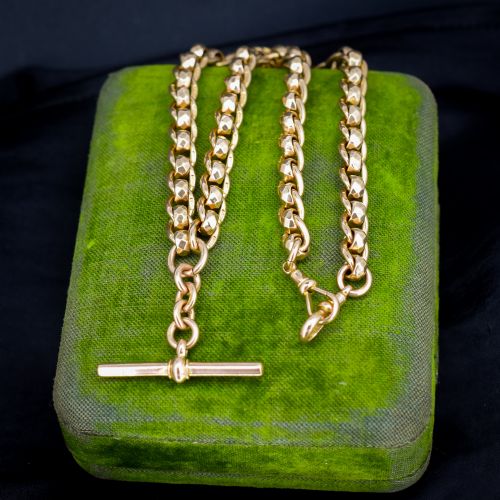
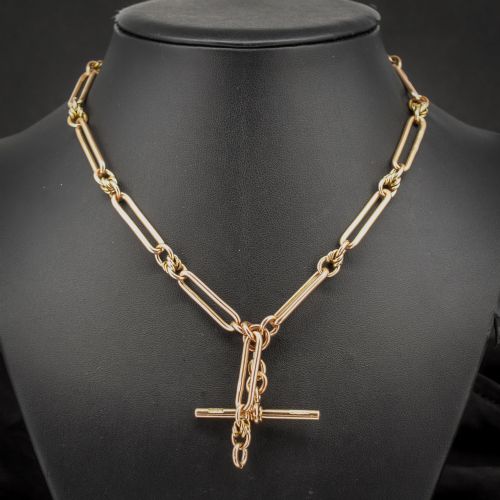
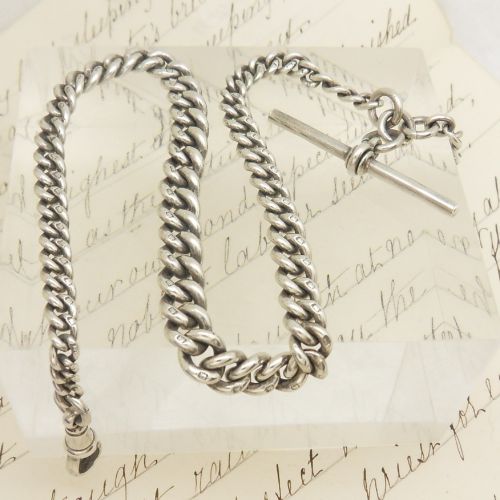
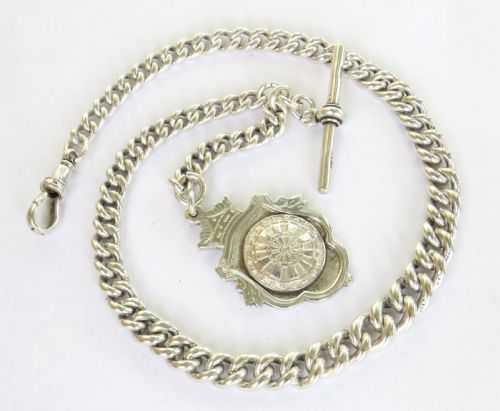
The construction of these pieces relies on precious metals including sterling silver, 9ct yellow and rose gold, alongside 18ct gold and platinum highlights. Workshop techniques involved forming specialised link patterns such as belcher, curb, trombone, love knot, and fancy links.
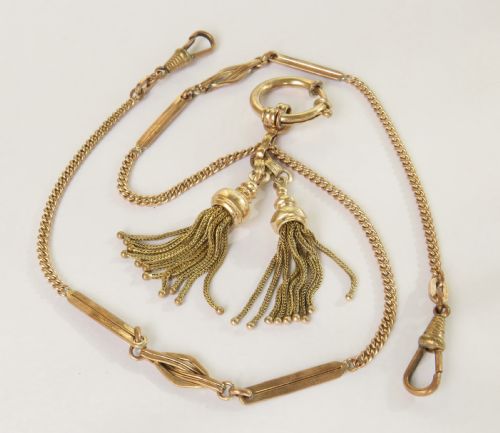
Metal components were frequently joined with secure dog clips, bolt rings, and characteristic T-bars meant to anchor the chain through a buttonhole or waistcoat pocket. Enamel, glass, and brass also appear in dials, companion compasses, and decorative fobs.
Vintage Watch with Chain Retail Price Guide 2026
Typical asking prices for vintage watch with chain among the pieces listed under this phrase on Sellingantiques today, from the lower quarter to the upper quarter. They describe what is for sale here now, not the wider market.
Assessing Quality and Merit
Quality in a vintage watch with chain rests upon the integrity of the movement, the heft and purity of the metal, and the completeness of the set. Solid gold and heavy sterling silver specimens with matching hallmarks command greater attention than plated or rolled gold alternatives.
The presence of original fitted boxes, functioning complications such as eight-day movements, and untouched maker signatures elevate a piece above standard utility items. Uniform wear across both the timepiece and its accompanying chain indicates a well-preserved pairing.
Omega·Octava·Horos·Revue·Doxa·Pioneer
The Vintage Watch with Chain Glossary
- Dog clip
- A spring-loaded swivel fastener commonly attached to watch chains and bracelets for securing pendants, fobs, or the watch itself. This mechanism allows for quick attachment and detachment.
- T-bar
- A short transverse bar attached to the centre of an albert chain. It slips through a buttonhole to anchor the chain securely.
- Niello
- A black metallic alloy used as an inlay on engraved metal, particularly silver. It creates striking contrasting patterns across the surface of watch cases and chains.
- Goliath watch
- An oversized pocket watch significantly larger than standard specimens. These require robust chains and specialised cases due to their substantial weight.
Vintage Watch with Chain: Frequently Asked Questions
How do I wear a pocket watch chain today?
An albert chain can be secured through a waistcoat buttonhole using its T-bar, with the watch resting safely in the pocket. Alternatively, shorter chains function well as heavy bracelets or necklets.
Many modern collectors adapt long guard chains to be worn around the neck as standalone necklaces with the dog clip holding a pendant.
What is the difference between solid gold and rolled gold?
Solid gold pieces consist of precious metal all the way through, indicated by hallmarks denoting carats such as nine carat or eighteen carat. These hold their intrinsic value and resist wearing down over time.
Rolled gold involves a thin layer of genuine gold mechanically bonded to a base metal core. While visually similar, it lacks the material weight and precious metal content of solid items.
Are these pocket watches still accurate timekeepers?
Many mechanical pocket watches from the early twentieth century continue to keep reliable time, though precision varies depending on maintenance history. Movements require periodic cleaning and lubrication by a skilled horologist to function properly.
Pieces with eight-day movements or specific jewelled Swiss mechanisms often demonstrate robust timekeeping capabilities after a simple service.
How do I identify the period of a watch chain?
Dating relies heavily on official hallmarks stamped onto the metal links, dog clips, and T-bars. These assay office marks reveal exact years of manufacture for British items.
Stylistic cues such as Edwardian rose gold warmth, Victorian heavy curb links, or Art Deco geometric lines also point toward specific decades.