




Vintage Wash Bowl Set
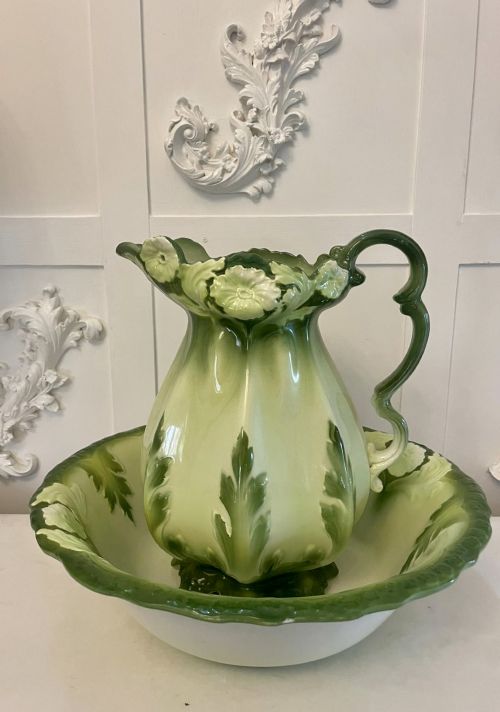
A vintage wash bowl set brings heavy earthenware, porcelain, and ironstone basins paired with matching jugs straight from Victorian, Edwardian, and later washstands into modern rooms.
Vintage Wash Bowl Set
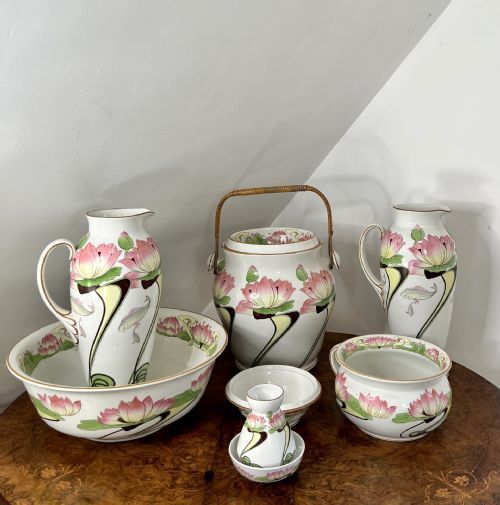
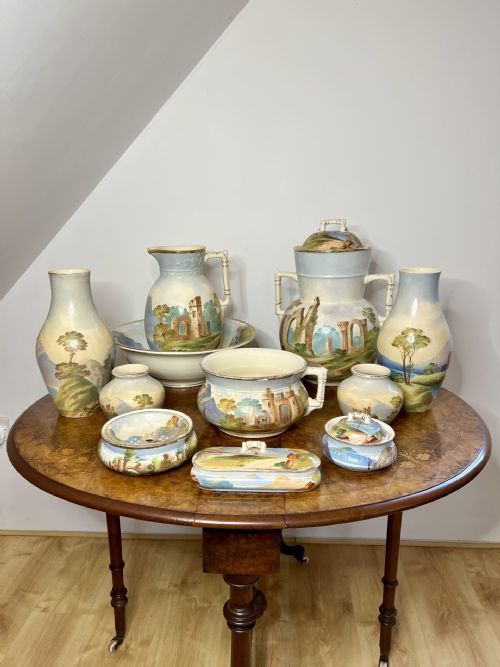
A vintage wash bowl set comprises heavy ceramic, ironstone, or porcelain jugs and basins designed for nineteenth and early twentieth-century bedroom washing before indoor plumbing became universal. These domestic sets span Victorian, Edwardian, and later periods up to the 1930s, often appearing alongside wooden washstands or shaving stands.
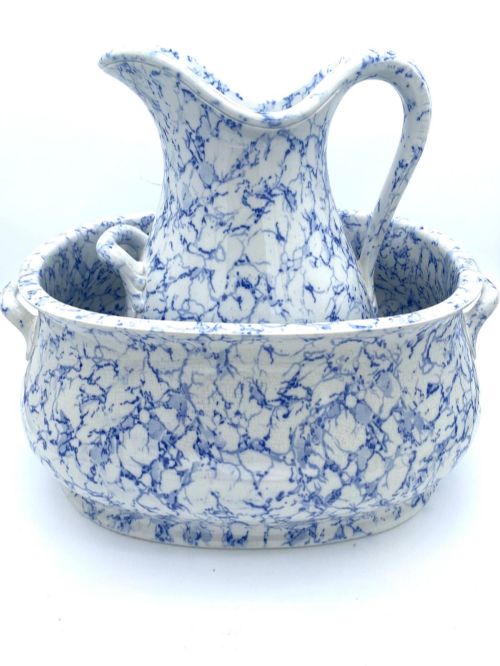
Buyers meet Edwardian bathroom sets and Victorian wash sets most frequently on this page, alongside specific forms like footbaths and cream setting pans. The standard configuration pairs a large basin with a tall water jug, sometimes accompanied by smaller soap dishes or chamber pots.
Materials and production methods
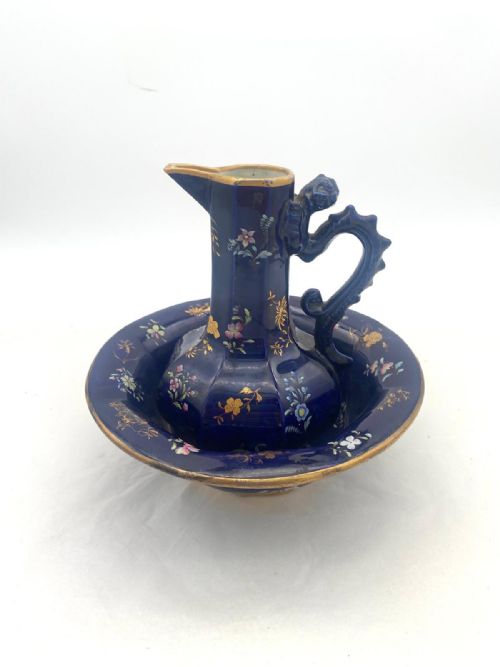
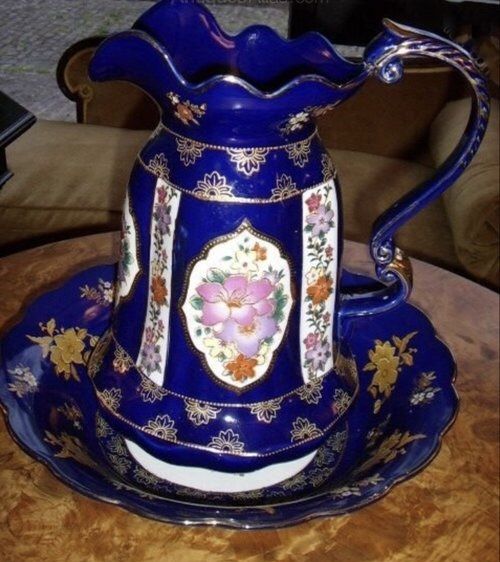
Potters shaped these vessels from earthenware, ironstone, and porcelain, applying rich glazes including cobalt blue and flow blue decoration. Certain pieces incorporate detailed flower designs or printed patterns beneath the glaze.
Manufacturers finished select items with hand-applied gold leaf highlights or specialised surface treatments, while other utilitarian pans utilised durable enamel or copper construction.
Vintage Wash Bowl Set Retail Price Guide 2026
Typical asking prices for vintage wash bowl set among the pieces listed under this phrase on Sellingantiques today, from the lower quarter to the upper quarter. They describe what is for sale here now, not the wider market.
Listings feature periods spanning from the early nineteenth century through the Edwardian era up to 1930, utilising earthenware, ironstone, and porcelain.
Assessing quality and craftsmanship
Quality separates mass-produced utility ware from finer output through the crispness of the ceramic moulding and the depth of the glaze. Pieces bearing recognised pottery marks or complex decorative motifs like Art Nouveau styling demonstrate higher manufacturing ambition.
The preservation of delicate decorative elements, such as gold leaf detailing and cobalt blue patterns without excessive fading, distinguishes better-surviving examples from heavy daily wear.
Minton·Masons Ironstone·Doulton Burslem·Shelley·Mark Jones And Sons
The Vintage Wash Bowl Set Glossary
- Ironstone
- A patented ceramic material developed in the nineteenth century for durability and dense weight. It provides a strong body for heavy daily use in wash sets.
- Flow blue
- A cobalt blue transfer printing style where the colour intentionally bled slightly into the surrounding white glaze during firing. This technique created a soft, hazy appearance on Victorian tableware and jugs.
- Earthenware
- Porous pottery fired at lower temperatures than porcelain, requiring an impermeable glaze to hold water. Most everyday wash basins utilised this accessible ceramic base.
- Footbath
- A large, deep ceramic vessel designed for soaking feet before the widespread adoption of fitted bathroom tubs. These sit within the broader category of nineteenth-century bathing equipment.
Vintage Wash Bowl Set: Frequently Asked Questions
How were vintage wash bowl sets used?
These sets served as the primary washing facilities in bedrooms before plumbed bathrooms became standard in homes. Water was heated downstairs, carried up in the tall jug, and poured into the large basin for morning and evening ablutions.
The accompanying vessels held soap, sponges, or discarded water. They sat atop dedicated wooden washstands or dressing tables equipped with protective splashbacks and towel rails.
Where can I put a wash bowl set at home?
Many people display complete jug and basin sets on wooden sideboards, hallway tables, or original washstands. The large bowls also function independently as planters or decorative centrepieces.
Smaller basins fit well on bathroom shelves to hold guest soaps or rolled hand towels. The tall jugs make striking display vessels for dried botanicals or fresh stems.
How do I date a wash set?
Stylistic clues such as floral transfer prints, cobalt blue glazes, or flowing Art Nouveau curves help narrow down the period of manufacture. Victorian sets often display heavier ironstone bodies and formal patterns, while Edwardian examples lean toward lighter floral aesthetics.
Maker marks stamped or printed on the underside provide the most precise dating evidence. Comparing these backstamps to known factory operating dates reveals the exact era of production.
What is the difference between porcelain and ironstone?
Porcelain is a fine, vitrified ceramic fired at high temperatures until it becomes translucent and delicate. It offers a smooth, refined surface suited to decorative nineteenth and twentieth-century items.
Ironstone is an opaque, heavily reinforced earthenware designed for maximum strength and daily utility. It resists chipping far better than porcelain, making it ideal for heavy washing jugs and basins.