

Vintage Wash Basin
A vintage wash basin brings utilitarian craft into modern interiors, offering ceramic and copper vessels shaped by daily washing routines of past centuries.
Vintage Wash Basin
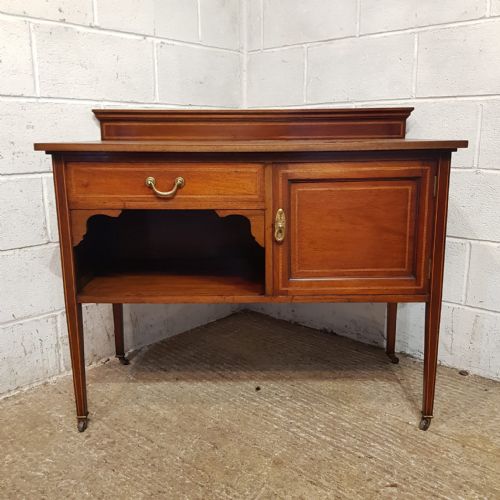
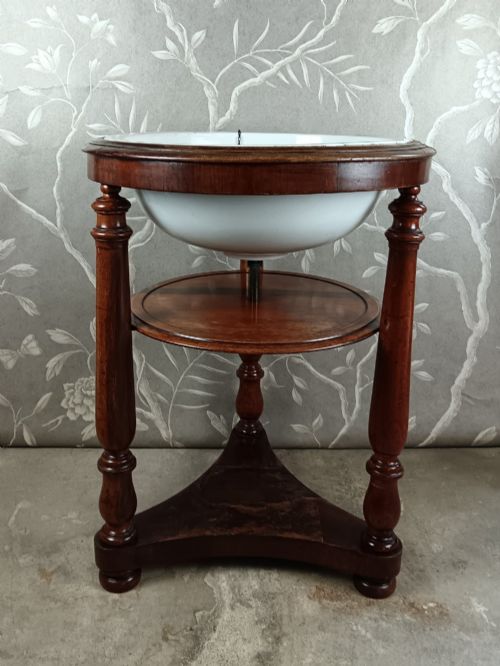
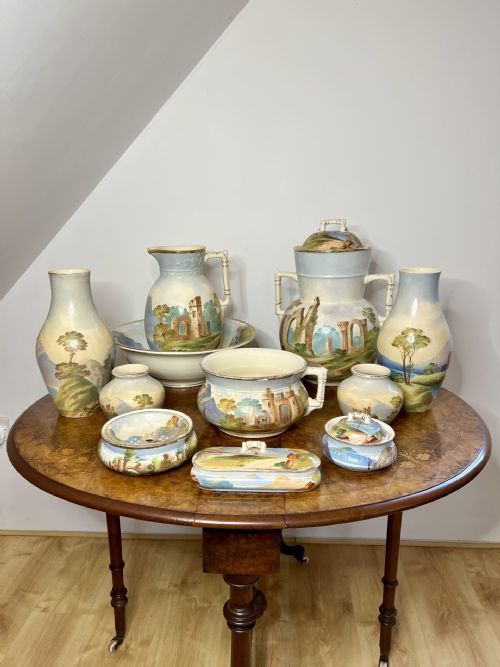
A vintage wash basin encompasses jug and bowl sets, copper vessels, and washstands originating from the Georgian, Victorian, and Edwardian eras. Buyers searching this phrase most frequently encounter ceramic transfer-printed basins or robust metal coppers designed for personal hygiene before plumbed bathrooms became standard.
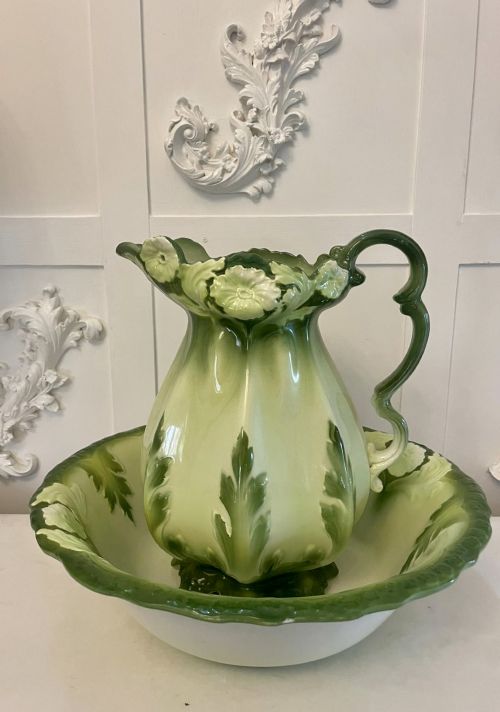
The material range spans earthenware, ironstone, and porcelain alongside copper, brass, and marble-topped mahogany furniture. Pieces vary from simple pine side tables to elaborate bathroom sets complete with matching water jugs.
Materials and Technique
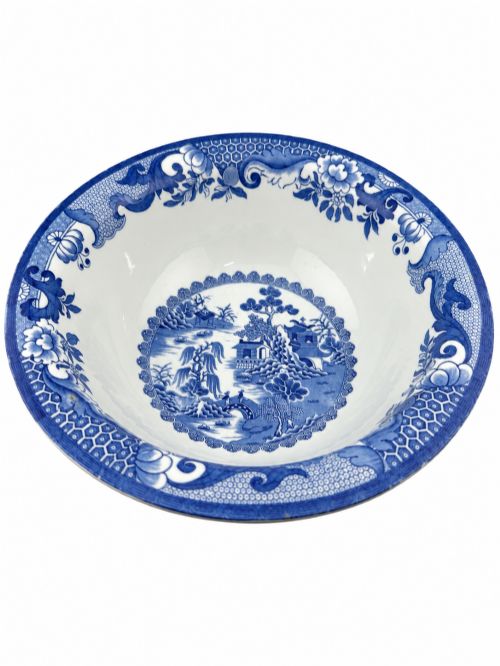
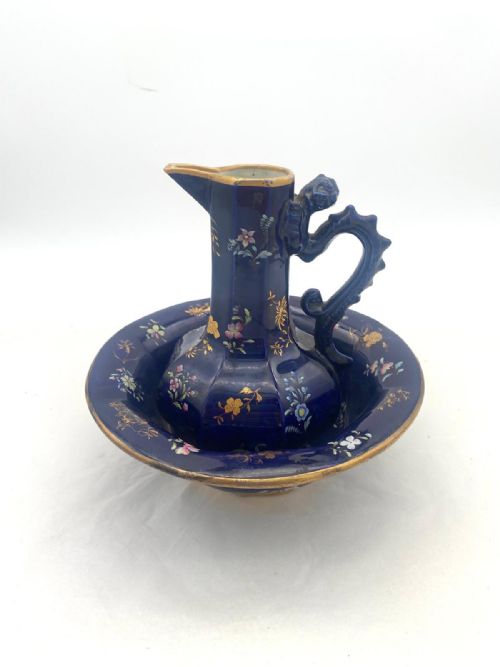
Ceramic basins rely on earthenware and ironstone bodies finished with cobalt blue glazes, transfer printing, or hand-painted floral motifs. Potters shaped these pieces in moulds before kiln firing to produce durable surfaces suitable for daily washing.
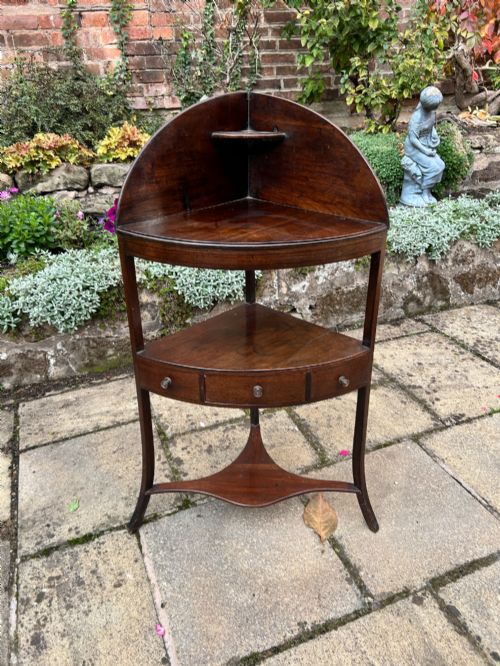
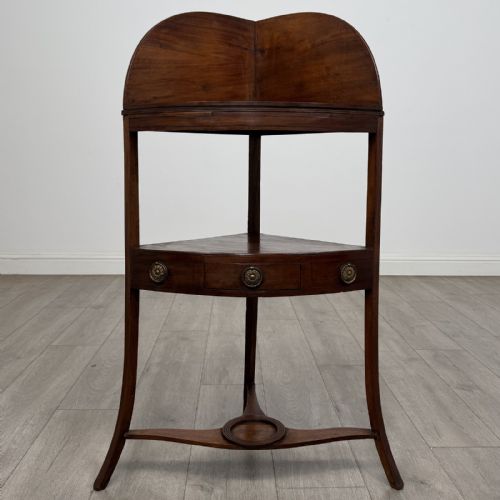
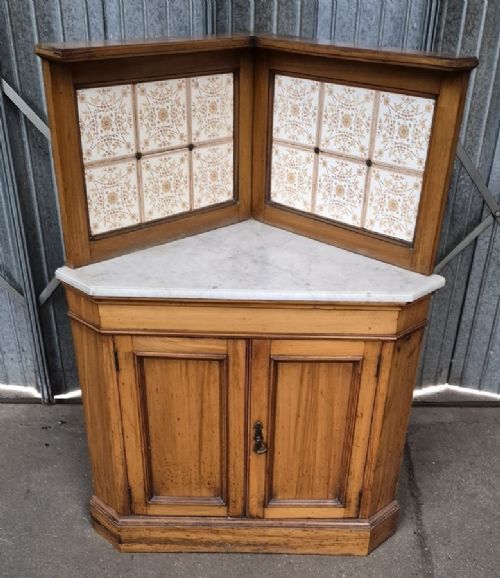
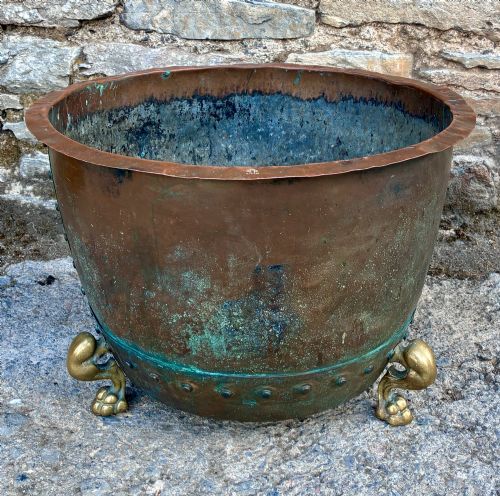
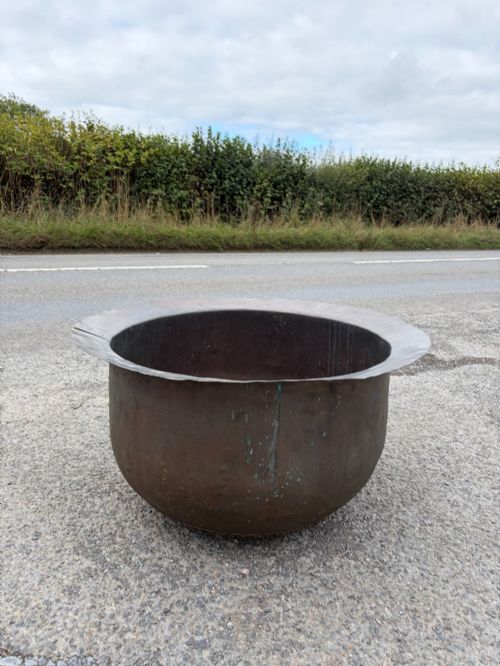
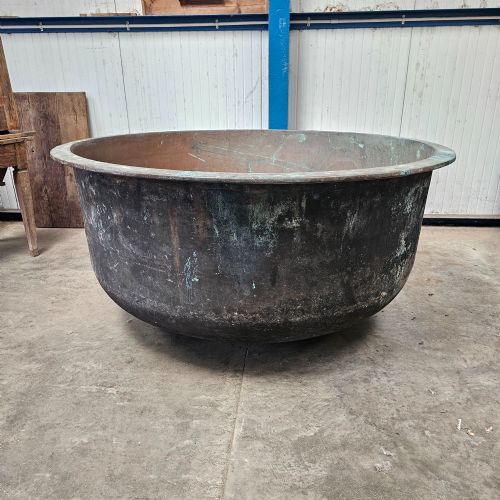
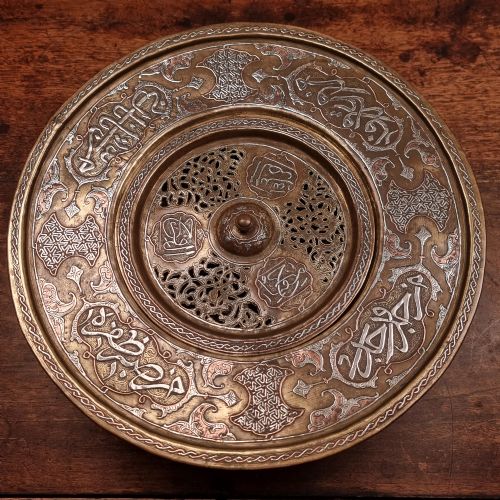
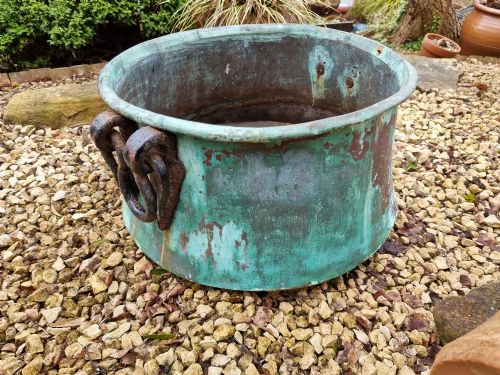
Metal items utilise heavy copper, brass, and silver plate, often formed with riveted seams and coopered wooden staves bound by metal hoops. Furniture makers constructed washstands from mahogany, walnut, and pine, frequently incorporating raised galleries and fitted marble tops to protect walls from water splashes.
Vintage Wash Basin Retail Price Guide 2026
Typical asking prices for vintage wash basin among the pieces listed under this phrase on Sellingantiques today, from the lower quarter to the upper quarter. They describe what is for sale here now, not the wider market.
Some nineteenth-century copper vessels doubled as cheese vats and railway sleeping compartment sinks before finding new life in homes.
Judging Quality
Quality rests upon the crispness of transfer printing, the depth of the ceramic glaze, and the structural integrity of the timber or metal body. Superior ceramic basins retain vibrant blue and white patterns without heavy fading, while metal vessels show honest patination and secure, hand-beaten rivets.
In furniture, the distinction lies in timber selection, such as figured mahogany or walnut, and retained original fixtures like marble tops and brass handles. Pieces that maintain their matching original water jugs display greater cohesion than assembled sets.
Mason s·Minton·Mann Co·Doulton Burslem·mark Jones Sons
The Vintage Wash Basin Glossary
- Ironstone
- A heavy, durable type of earthenware patented in the nineteenth century to imitate Chinese porcelain. It resists chipping and forms the base of many large basins.
- Transfer printing
- A decoration technique where an engraved copper plate transfers a design onto paper, which is then stamped onto the ceramic body before glazing. This method allowed intricate blue and white patterns to be produced in volume.
- Washstand
- A dedicated piece of bedroom furniture designed to hold a basin, jug, and soap dishes. They often include marble surfaces, drawer storage, and raised wooden galleries.
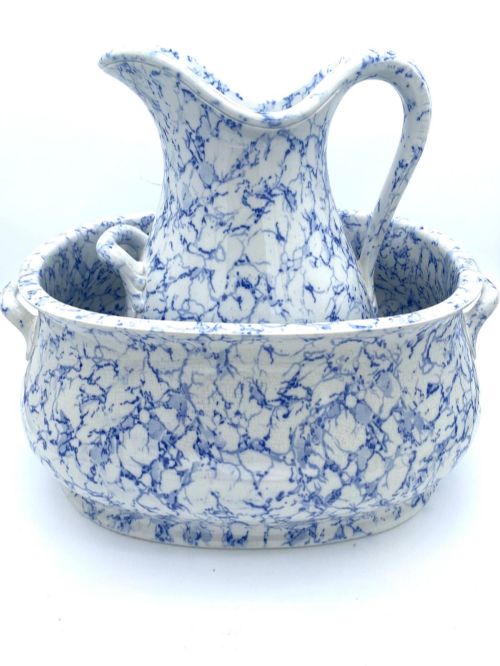
- Spongeware
- Pottery decorated by applying colour with a sponge to create mottled or dotted patterns. This technique produced rustic, robust domestic wares.
- Coopered
- Built using tapered wooden staves bound together by metal hoops, similar to barrel-making. This method created watertight vessels for washing and boiling water.
Vintage Wash Basin: Frequently Asked Questions
How were vintage wash basins used?
These basins served as personal washing vessels in bedrooms before indoor plumbing, paired with water jugs on washstands.
Water was heated elsewhere and poured into the bowl for morning routines involving washing the face and hands.
How do I clean a copper basin?
Copper pieces require gentle washing with warm soapy water and a soft cloth to preserve their historical surface.
Polishing should be avoided if you prefer to keep the natural verdigris patina that accumulates over decades.
Can I use these bowls daily?
Ceramic basins generally withstand careful modern usage as decorative planters or occasional wash vessels.
Older earthenware can be porous, so checking for hairline cracks prevents leaks when holding standing water.
How to date a wash basin?
Dating relies on maker marks underneath ceramics, the style of transfer printing, and associated furniture woods.
Victorian and Edwardian examples often display registration numbers or potter stamps that reveal their exact period of manufacture.