



Vintage Warrior Figurine
A vintage warrior figurine brings distinct martial history and theatrical presence into a room, spanning diverse global traditions from Roman gladiators to African Maasai figures.
Vintage Warrior Figurine
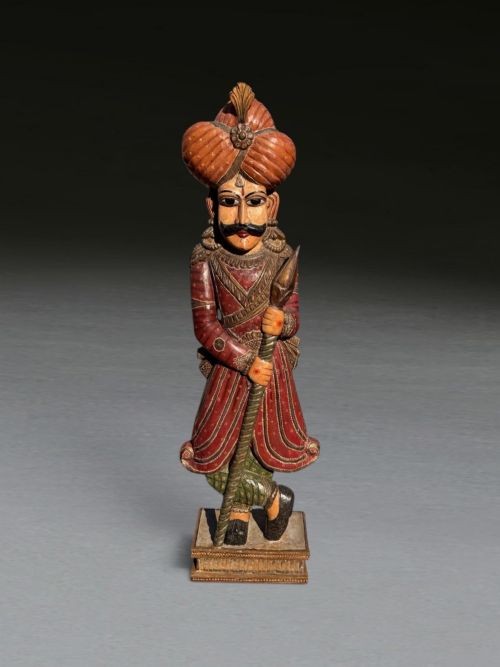
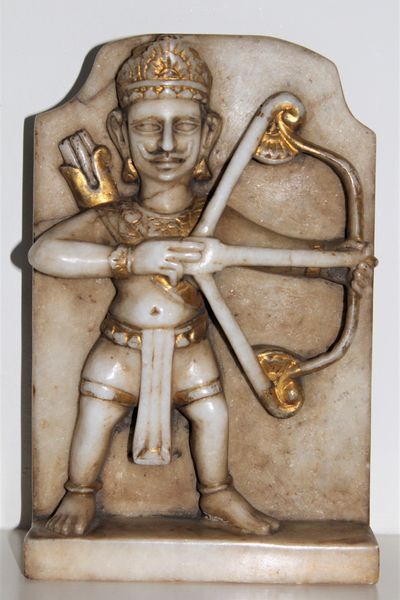
A vintage warrior figurine captures martial subjects from various centuries and global cultures, ranging from classical antiquity to the twentieth century. These pieces depict soldiers, gladiators, and traditional fighters posed in moments of action or steady vigilance.
The selection here draws heavily from nineteenth-century European casting traditions alongside twentieth-century Art Deco interpretations and African hardwood carvings. Buyers encounter diverse regional uniforms and mythical figures, including depictions of Roman gladiators, Viking horn blowers, and American Indians.
Forms vary from single freestanding statues to substantial carved wooden sculptures and cold-painted cabinet bronzes. Each piece reflects the sculptural vocabulary of its period, whether through the theatrical stylisation of the Art Deco era or the meticulous detail of earlier foundry work.
Materials and Methods
Foundries utilised traditional metalworking techniques, primarily casting figures in bronze or spelter before applying surface finishes such as cold-painted polychromy and gold leaf. These metal pieces often rest upon heavy marble bases that provide structural stability and visual contrast.
One listed warrior spends eternity mid-blow into a Viking horn, proving that posture is everything in metal.
Factors of Quality
The finesse of the casting work distinguishes superior metal figures, particularly in the crisp rendering of facial expressions, armour texture, and musculature. Fine cold-painted surfaces retain their original pigment integrity without heavy overpainting, while inferior examples show flat detailing and hurried finishing.
In carved wooden and marble pieces, the precision of the chisel work determines the overall success of the sculpture, with superior items displaying clean lines and anatomical accuracy. The quality of the supporting base, particularly the selection and polish of the marble, also indicates the tier of the manufacture.
Edward Aagaard·Desire Grisard·Chiparus·Eden Antony Paul Noel
The Vintage Warrior Figurine Glossary
- Spelter
- A zinc alloy frequently utilised as a cost-effective alternative to bronze in decorative figures. It takes patination well and often mimics the appearance of heavier metals.
- Cold-painted
- A method where enamel or oil paint is applied to a bronze casting without heat firing. This technique produces vibrant surface decoration on small-scale figures.
- Hardwood
- Dense timber derived from broad-leaved trees, chosen for carving intricate figures. It resists splitting and allows for fine detail in regional sculptures.
- Patina
- The surface sheen and coloration developed through age or chemical treatment on metal surfaces. It highlights the contours of the casting and adds depth to the material.
Vintage Warrior Figurine: Frequently Asked Questions
What metals are used?
Makers predominantly used bronze and spelter for cast metal figures. Bronze offers durability and takes fine detail, while spelter serves as a lighter, zinc-based alternative.
Surfaces are often finished with cold-painted pigments, gold leaf, or natural patination to enhance the visual impact of the uniform or armour.
How were they displayed?
These figures were designed as desktop ornaments, mantelpiece decorations, or cabinet display pieces. Their scale allowed them to sit prominently in studies, libraries, and drawing rooms.
Heavier marble bases provided both a stable foundation and an architectural frame suited to formal interior schemes of the nineteenth and twentieth centuries.
How do I date them?
Dating relies upon stylistic markers such as Art Deco geometric lines or nineteenth-century foundry marks. Materials like spelter and cold-painted bronze point towards specific manufacturing periods.
Subject matter and costume details also provide clues, reflecting the historical interests and aesthetic preferences of the era in which they were produced.
Are they solid bronze?
Many figures are cast in solid bronze, though some larger or hollow-cast examples utilise metal alloys. Spelter is frequently encountered as a distinct, lighter metal alternative.
Examining the underside and the weight of the piece helps determine the primary metal composition and the casting method employed by the maker.