

Vintage Walnut Storage
Vintage walnut storage brings rich timber and practical capacity together, offering handsome wardrobes, chests, and cabinets that anchor a room with period character.
Vintage Walnut Storage
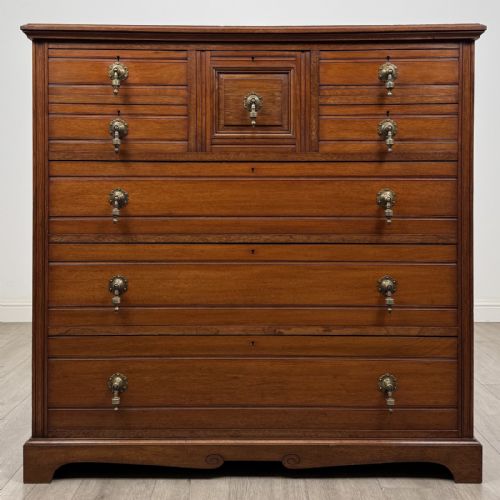
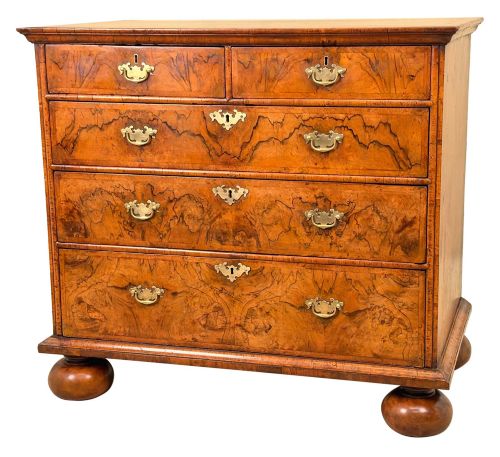
When you search for vintage walnut storage, you encounter functional timber furniture designed to hold clothes, linens, and household items. The pieces span centuries of cabinet-making, from eighteenth-century chests to art deco sideboards.
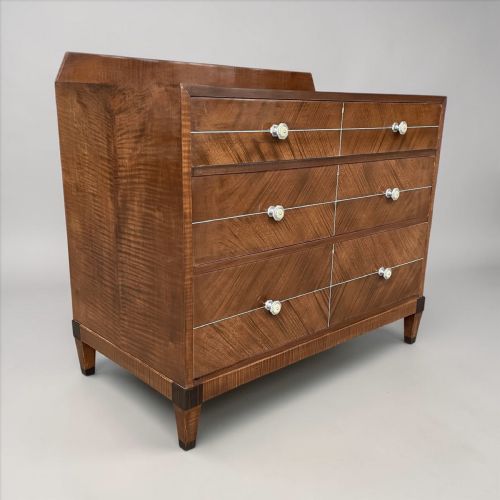
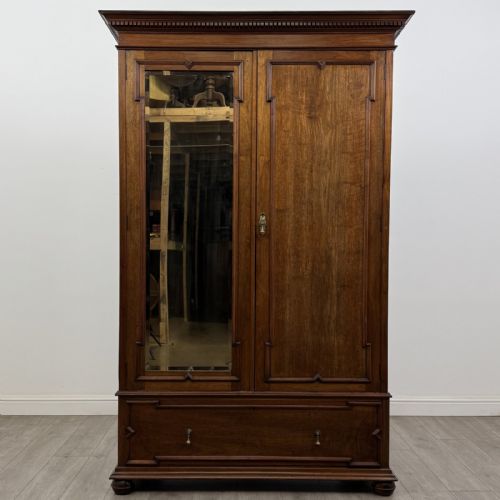
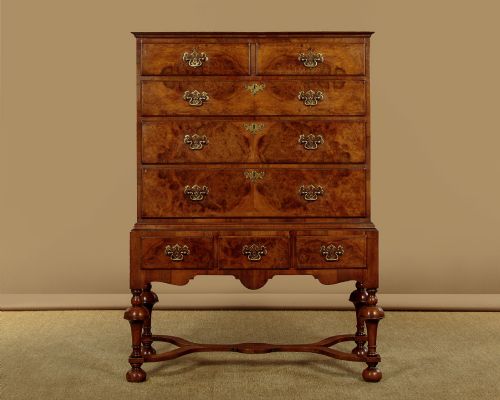
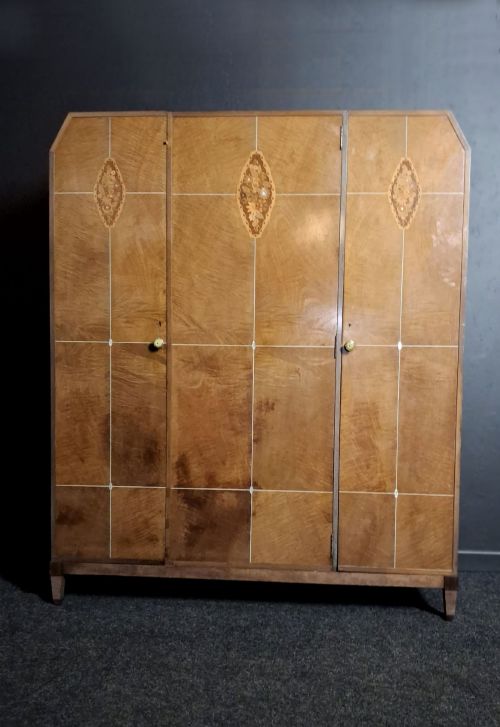
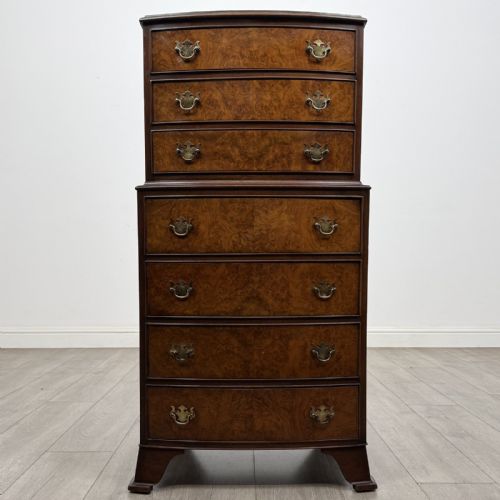
On this page, you are most likely to meet twentieth-century wardrobes, chests of drawers, and bedside cabinets made from figured timber. These domestic forms supplied bedrooms and living spaces with enclosed organisation.
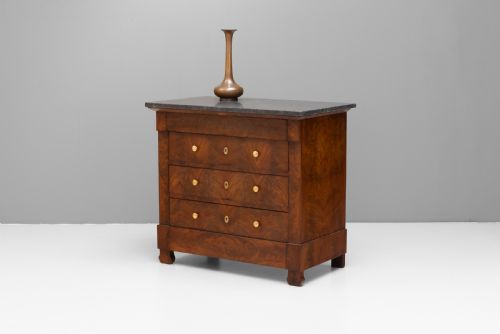
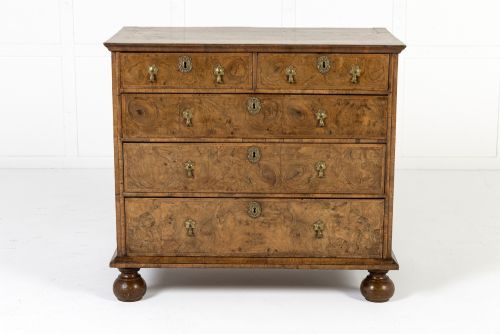
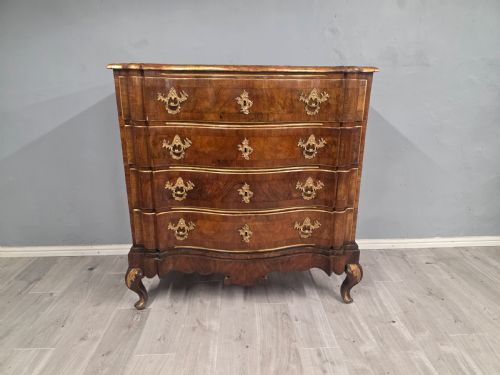
Earlier examples, such as Georgian chests and Victorian linen presses, appear alongside commodes and music cabinets. Each type serves a distinct storage purpose while displaying the distinct grain of walnut.
How they were made
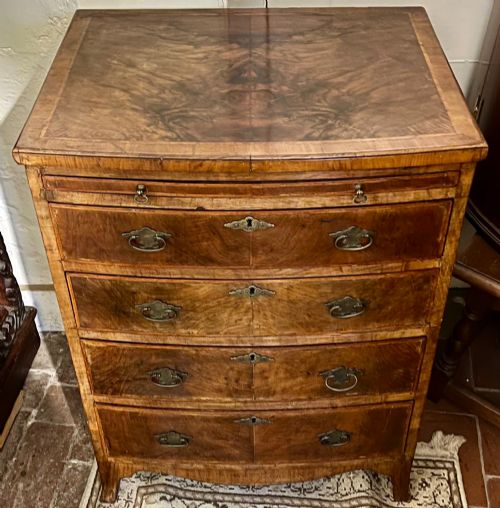
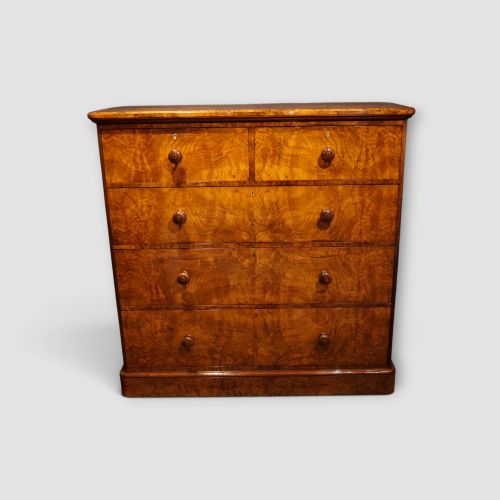
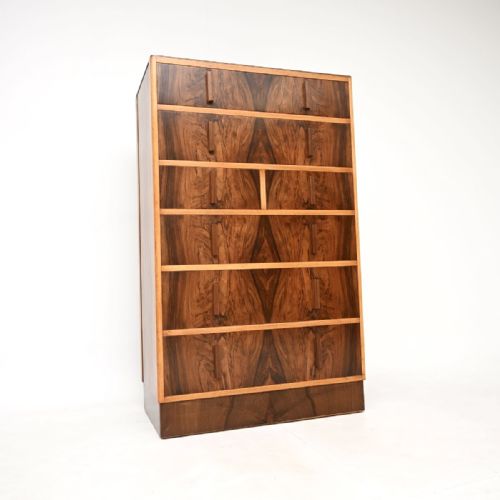
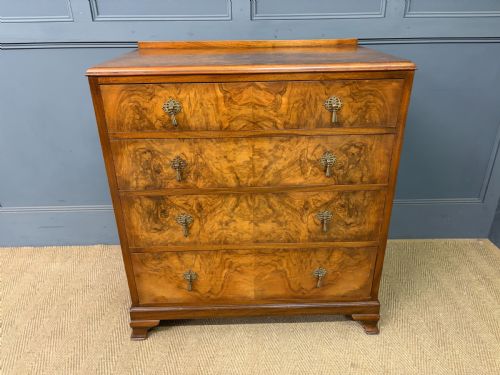
Cabinet-makers relied on solid walnut and decorative veneers, particularly burr and figured variations, laid over secondary timbers like oak. These veneers were matched symmetrically across drawer fronts and cabinet doors to create striking geometric patterns.
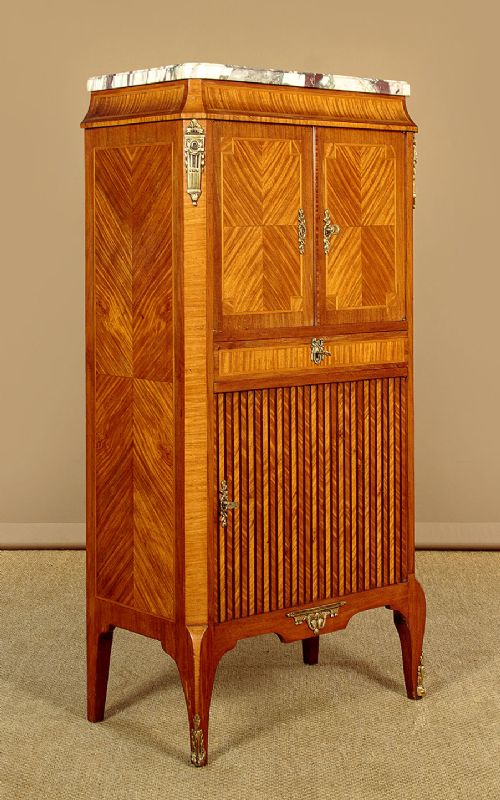
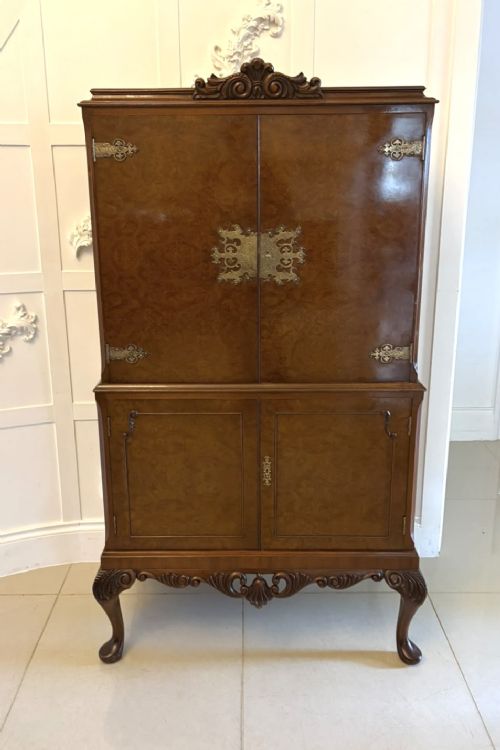
Construction involved traditional joinery methods, supported by brass handles, hinges, and occasional marble tops on commodes and washstands. Carved details and marquetry added ornamental texture to wardrobes, sideboards, and corner cabinets.
Vintage Walnut Storage Retail Price Guide 2026
Typical asking prices for vintage walnut storage among the pieces listed under this phrase on Sellingantiques today, from the lower quarter to the upper quarter. They describe what is for sale here now, not the wider market.
Listings feature walnut storage spanning from the eighteenth century through the Victorian and Edwardian eras to Art Deco designs.
What varies in quality
The sophistication of the veneer work largely determines the distinction between ordinary and exceptional pieces. Master craftsmen selected burr walnut for its complex, swirling grain, arranging the slices to create balanced patterns across large surfaces.
Proportion and decorative restraint separate standard production from finer workshops. Items boasting crisp carving, substantial brass hardware, and well-figured timber display a higher degree of execution.
Shapland & Petter·Walker & Sons
The Vintage Walnut Storage Glossary
- Commode
- A low chest of drawers or cabinet, often featuring a marble top in French examples. These pieces served domestic storage needs in both bedrooms and reception rooms.
- Linen press
- A tall cupboard featuring upper sliding trays or shelves for textiles above a chest of drawers. This form kept household linens clean and flat.
- Marquetry
- The art of applying small pieces of veneer to a structure to form decorative patterns or pictures. Craftsmen used various woods and organic materials to achieve detailed pictorial designs.
- Serpentine
- A curved shape resembling a snake, featuring a convex centre flanked by concave ends. This contour added visual movement to drawer fronts and commodes.
Vintage Walnut Storage: Frequently Asked Questions
How do I date a walnut chest of drawers?
Dating relies on construction methods, drawer linings, and hardware styles. Earlier pieces often feature hand-cut dovetails and solid timber carcases, while later examples incorporate veneered surfaces and distinct stylistic markers.
Examining the handles, feet, and internal secondary woods helps narrow the period of manufacture, distinguishing eighteenth-century craftsmanship from Edwardian or Art Deco production.
What is burr walnut?
Burr walnut comes from a tree growth that creates highly figured, knotted patterns in the grain. Craftsmen sliced this wood into thin veneers for decorative effect.
Because of its striking appearance, burr walnut was reserved for the most prominent surfaces of cabinets, wardrobes, and chests.
Where should I place a walnut wardrobe?
A walnut wardrobe suits bedrooms, dressing rooms, and large hallways where substantial storage is required. The rich dark timber pairs well with neutral walls and traditional room layouts.
Keep wooden furniture away from direct sunlight and strong heat sources to protect the delicate veneers and polish from drying out.
How do I maintain marble top commodes?
Marble top commodes require gentle cleaning with a damp cloth and mild soap. Avoid acidic liquids like vinegar or lemon juice, which can etch the polished stone surface.
Regular dusting keeps the walnut body clean while preserving the natural finish of both the timber and the stone.