



Vintage Walnut Stand
A vintage walnut stand brings rich timber grain and architectural form to a room, offering a sturdy perch for lamps, plants or displays.
Vintage Walnut Stand
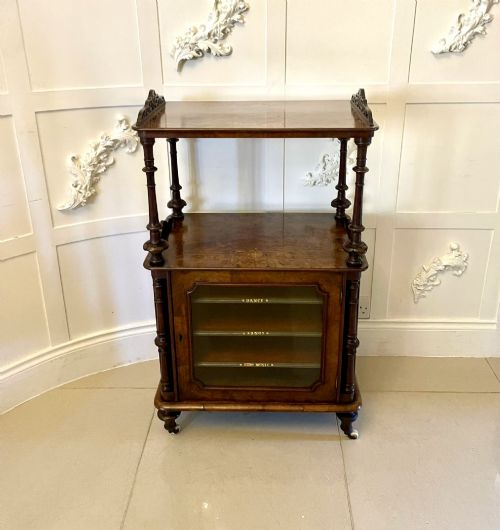
When searching for a vintage walnut stand, buyers encounter a diverse selection of furniture spanning the eighteenth century through the art deco era. The offerings range from carved Italian supports and Dutch torchers to bureau desks on stands and occasional tables.
The category encompasses both dedicated plant stands and multi-functional pieces like music cabinets and corner whatnots. Walnut timber unites these diverse objects, appearing in plain, burr, and inlaid varieties across various European styles.
What varies in quality
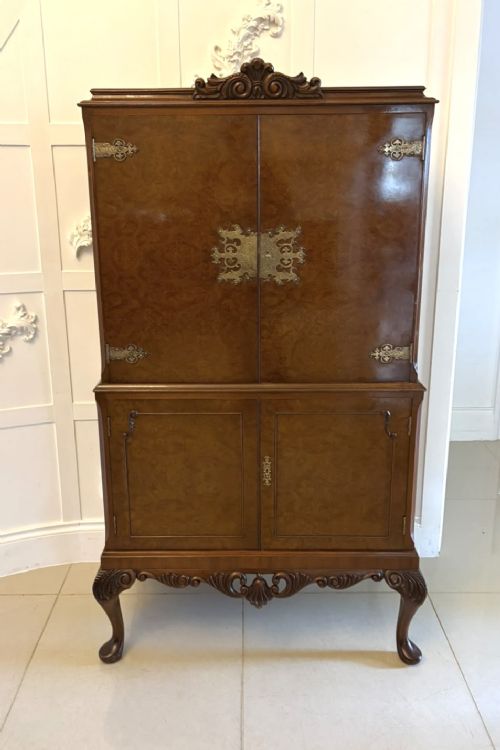
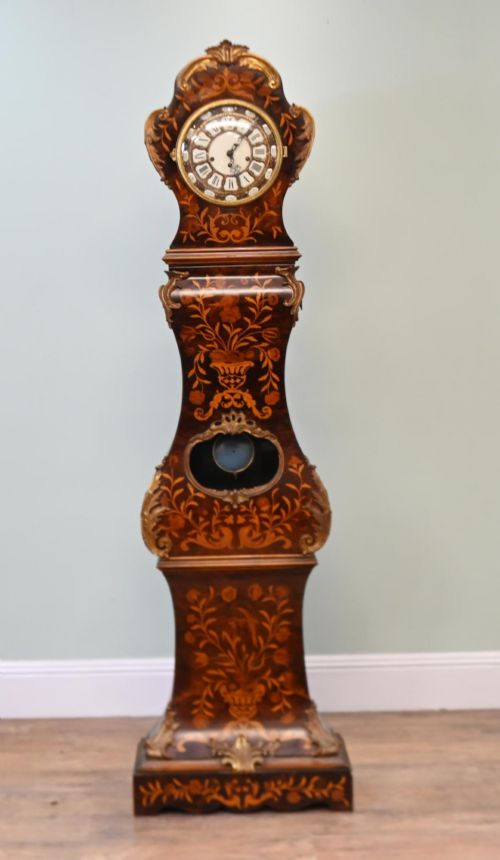
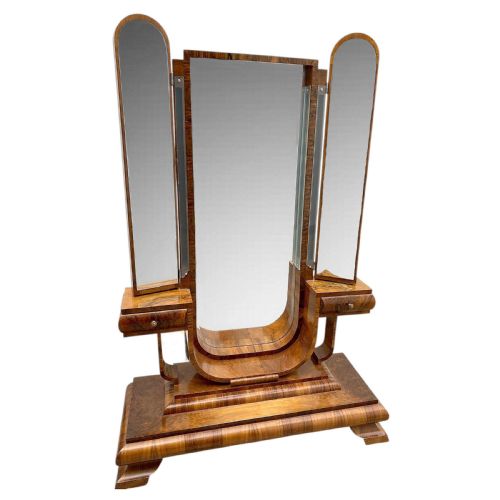
The choice of timber veneer dictates much of the visual appeal, with richly figured burr walnut commanding attention compared to plainer grain stocks. The crispness of hand-carved details and the subtlety of marquetry inlay distinguish finer examples from simpler production pieces.
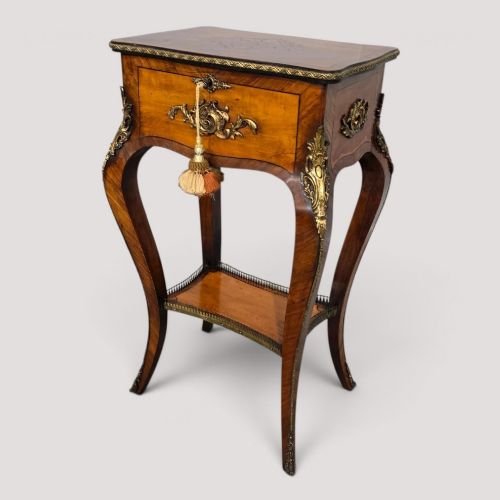
Proportion and structural integrity separate workshop output from standard furniture, visible in the balance of cabriole legs, the fitting of cabinet doors, and the preservation of original hardware like brass handles and locks.
Vintage Walnut Stand Retail Price Guide 2026
Typical asking prices for vintage walnut stand among the pieces listed under this phrase on Sellingantiques today, from the lower quarter to the upper quarter. They describe what is for sale here now, not the wider market.
Some stands hide tunes inside, pairing polished walnut timber with tuned musical brass bells for an unexpected auditory display.
Heals·Richard Corless of Stockport·Walker & Sons·Maple & Co.
The Vintage Walnut Stand Glossary
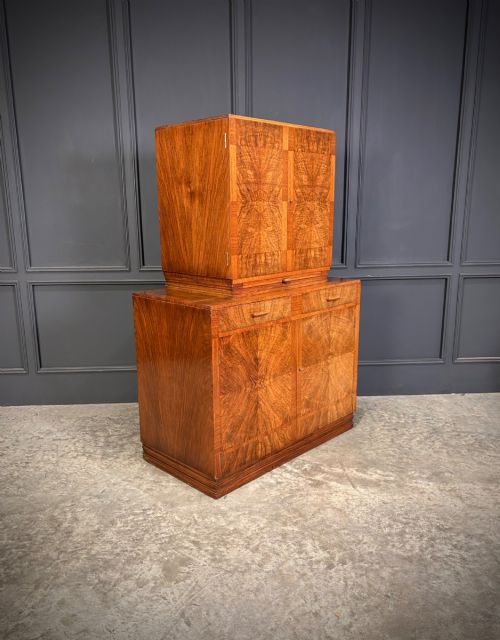
- Burr walnut
- A highly figured timber veneer harvested from walnut tree growths, prized for its swirling, organic patterns on cabinet doors and tabletops.
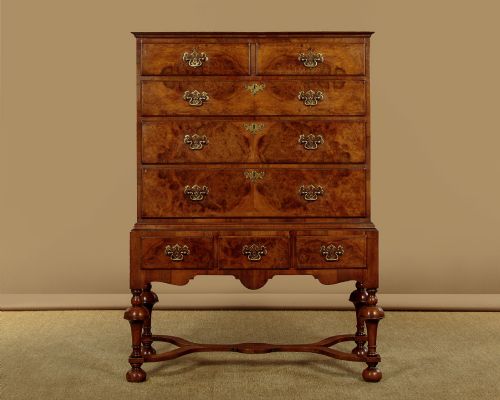
- Chest on stand
- A tall storage chest elevated on a separate framework with legs, common in Georgian and later revival furniture.
- Torchere
- A tall, slender decorative stand originally designed to hold a candle or torch, frequently utilised for displaying urns or plants.
- Whatnot
- An open set of tiered shelves designed for displaying ornaments, books, or small collectables in Victorian interiors.
- Cabriole leg
- A furniture leg that curves outward and then tapers inward, ending in a pad or claw foot, typical of Queen Anne revival styles.
Vintage Walnut Stand: Frequently Asked Questions
How do I clean burr walnut?
Burr walnut requires gentle maintenance using a soft, dry cloth to remove dust without harming the delicate veneer. Avoid harsh modern chemical sprays that can strip the traditional polish from the timber.
Application of a quality beeswax helps nourish the wood and maintain its natural lustre over time. Keep such pieces away from direct heat sources to prevent the veneer from drying out.
Where should I place a torchere?
A torchere fits well in corners or empty hallway spaces where its vertical height adds architectural interest to an interior. These tall stands work effectively to display potted plants, sculptural objects, or decorative lamps.
Because they possess a narrow footprint, ensure they stand on level flooring to maintain stability when supporting heavier decorative items.
How do I identify a Victorian whatnot?
A Victorian whatnot consists of multiple tiered shelves supported by slender turned columns or pierced fretwork panels. They were designed specifically for holding ornaments and books in nineteenth-century drawing rooms.
Look for walnut or burr walnut construction accompanied by fine fretwork details to distinguish standard examples from more elaborate pieces.