



Vintage Walnut Shelf
A vintage walnut shelf brings warmth and utility to a room, offering rich timber grain alongside practical display space.
Vintage Walnut Shelf
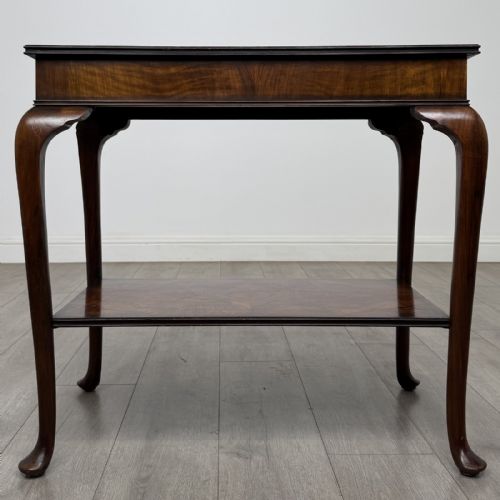
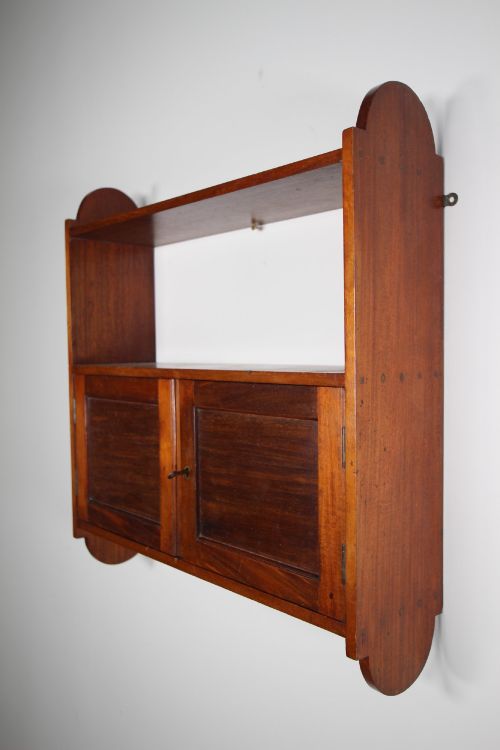
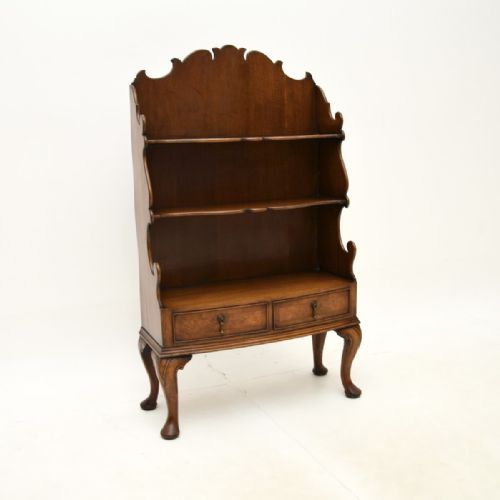
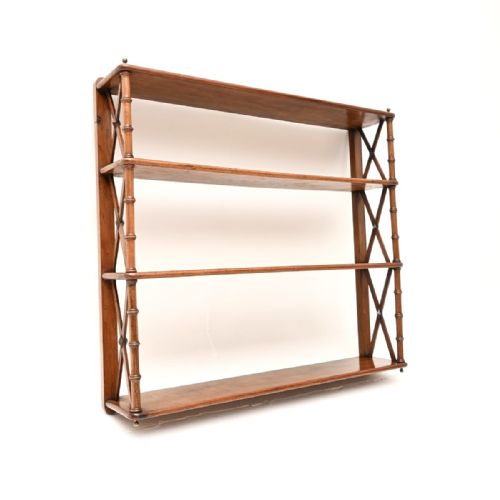
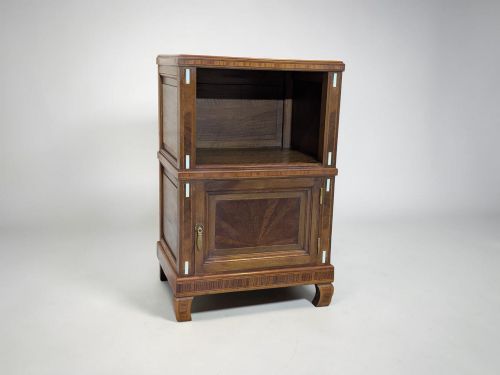
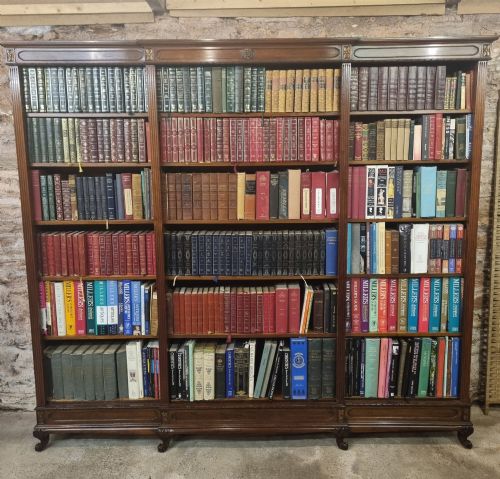
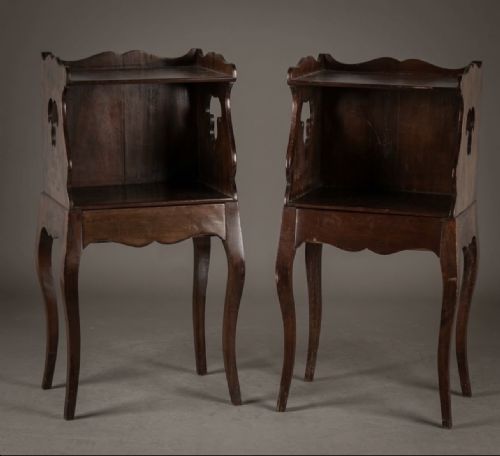
When you search for a vintage walnut shelf, you encounter a variety of forms including open bookcases, wall cabinets, corner whatsits, and tier units. These pieces span multiple decades and stylistic movements, reflecting the shifting tastes of makers over time.
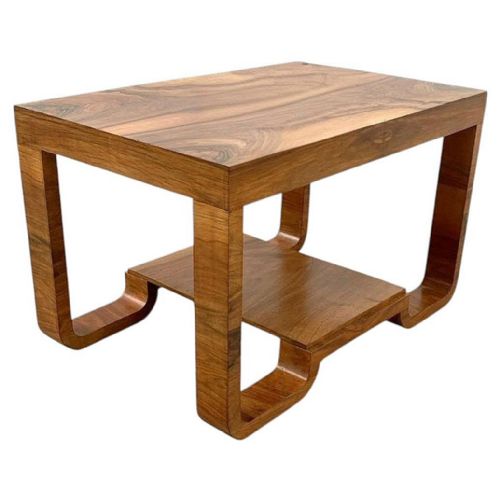
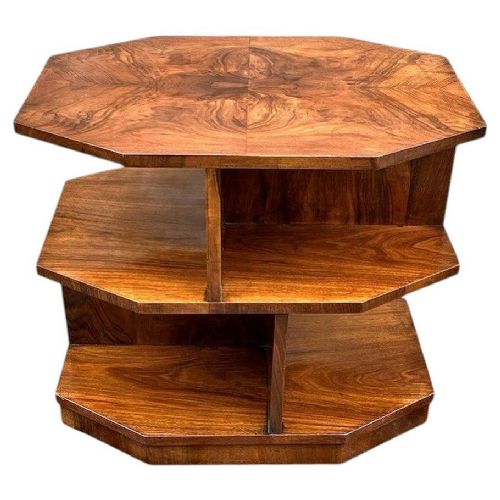
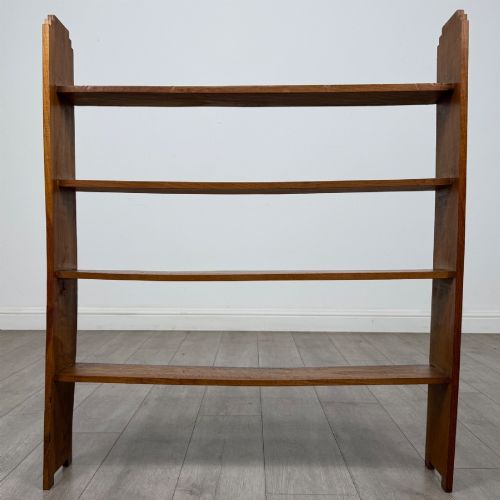
The selections on this page draw from periods such as the Edwardian era, the Victorian epoch, and the 1930s Art Deco movement. Wall shelves and open bookcases dominate the listings, providing functional shelving constructed in timber.
Originating from English, French, and German workshops, these items incorporate specific regional designs. From the restrained lines of Arts and Crafts pieces to the stepped profiles of Art Deco furniture, each item serves as a practical storage solution.
Materials and construction methods
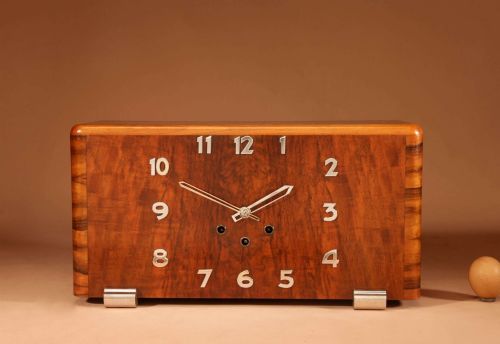
Makers utilised solid walnut and figured burr walnut veneers over secondary timbers to achieve deep, patterned surfaces. Glass doors, brass mounts, and chrome accents often complement the wood in pieces from the Art Deco period.
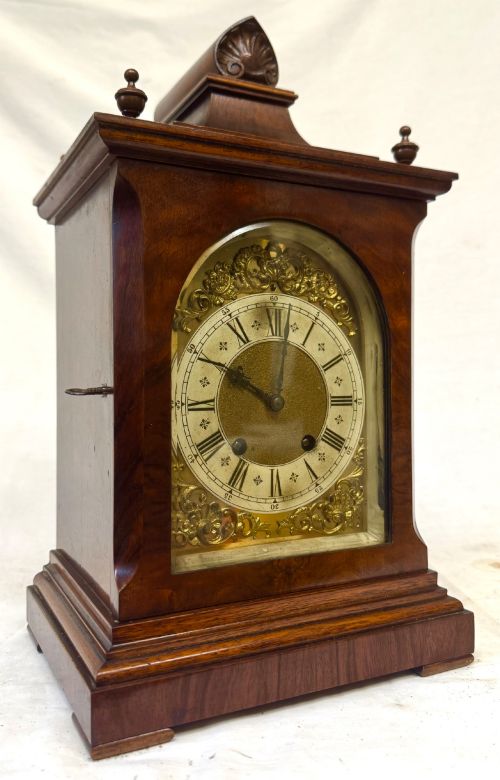
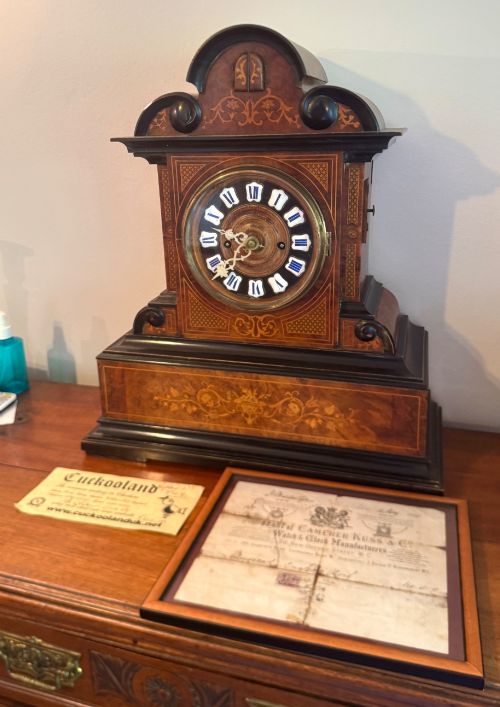
Construction techniques include traditional joinery for bookcases and pierced fretwork for Victorian corner whatsits. Ebonised details and marquetry frequently appear on clock cases and wall cabinets from the nineteenth century.
Vintage Walnut Shelf Retail Price Guide 2026
Typical asking prices for vintage walnut shelf among the pieces listed under this phrase on Sellingantiques today, from the lower quarter to the upper quarter. They describe what is for sale here now, not the wider market.
The selection includes pieces spanning from the 1800s Georgian period through Victorian, Edwardian, and 1930s Art Deco eras.
Distinguishing quality in walnut furniture
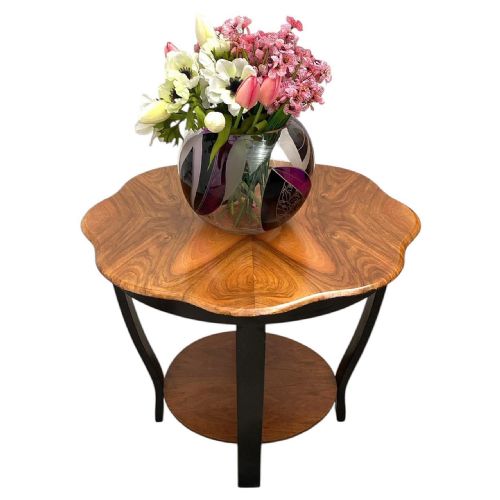
Quality rests upon the selection of the timber grain, particularly the choice of figured burr walnut veneer across primary display surfaces. Superior examples exhibit matched grain patterns that flow coherently across doors and shelves.
Refinement in execution dictates the overall standard, visible in crisp fretwork, well-fitted adjustable shelving mechanisms, and solid brass or chrome hardware. Pieces retaining their original finish demonstrate greater integrity than those altered over time.
Heals·H.A.C.·Lenzkirch·Haller·Elliott
The Vintage Walnut Shelf Glossary
- Burr walnut
- A veneer taken from the gnarled growth of a walnut tree, prized for its swirling, highly figured grain patterns. It frequently covers the primary surfaces of Edwardian and Victorian cabinets.
- Whatnot
- A set of open shelves designed for displaying ornaments and small objects, popular during the Victorian period. These often feature multiple tiers supported by slender uprights.
- Fretwork
- Ornamental design created by cutting patterns through thin panels of wood, seen on Victorian corner brackets. This technique adds delicate visual texture to otherwise solid structures.
- Breakfront
- A piece of furniture where the central section projects forward from the flanking sides. This layout creates depth and architectural interest in large bookcases.
- Marquetry
- The art of applying pieces of veneer to a structure to form decorative patterns and pictures. It appears on nineteenth-century mantel clocks and cabinet doors.
Vintage Walnut Shelf: Frequently Asked Questions
How do I style a walnut shelf at home?
Pair the warm brown tones of walnut with neutral walls and metallic accents like brass or chrome. Balance heavy books with smaller decorative objects to maintain visual harmony.
Allow the natural timber grain to remain visible rather than crowding every surface. Positioning the shelf in a hallway or living room maximises both its utility and decorative presence.
Are these shelves suitable for heavy books?
Many open bookcases and wall units feature sturdy solid timber construction designed to hold substantial volumes. Adjustable shelving systems allow you to alter shelf heights for larger books.
Check the method of wall mounting for hanging shelves to ensure secure installation. Freestanding bookcases generally provide robust support without requiring structural wall attachments.
How do I date a walnut shelf?
Examine the stylistic cues, such as the geometric stepped forms of 1930s Art Deco or the pierced fretwork typical of Victorian pieces. Edwardian items often display simpler, lighter proportions influenced by earlier revival styles.
Construction methods and hardware also provide chronological clues. Machine-cut screws and standard joints usually point towards the later nineteenth and twentieth centuries.