






Vintage Walnut Hall Chair
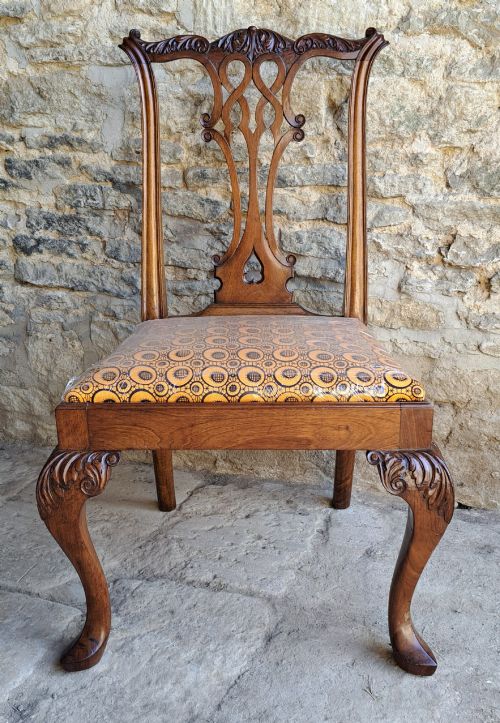
A vintage walnut hall chair brings rich timber and historic presence straight to an entrance space, offering a functional seat with considerable character.
Vintage Walnut Hall Chair
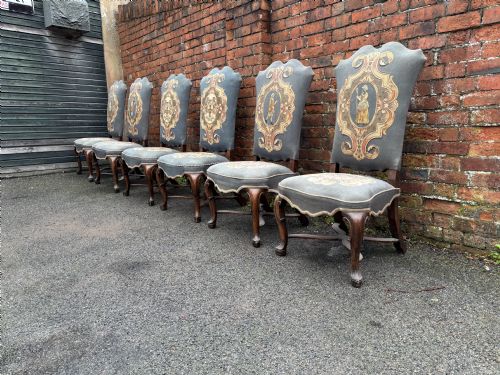
When you search for a vintage walnut hall chair, you encounter a distinct variety of timber seating spanning the eighteenth, nineteenth and early twentieth centuries. These pieces encompass regional British examples alongside continental European pieces, including Italian Baroque and Rococo designs.
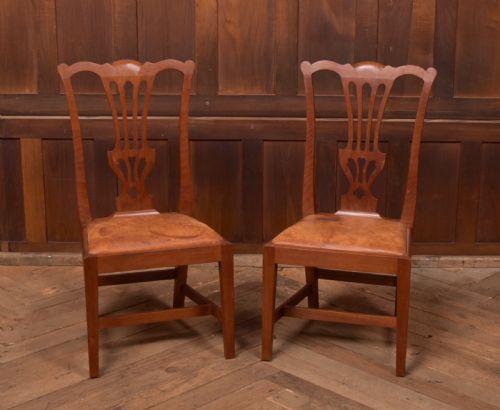
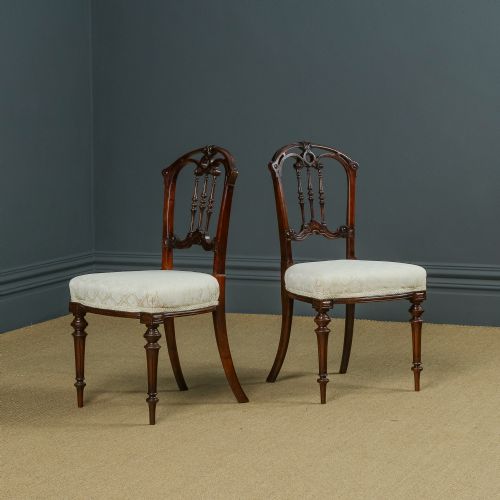
The selections on this page appear across multiple stylistic revivals, ranging from Carolean and William and Mary interpretations to Arts and Crafts and Chippendale influences. Most pieces function as side chairs or specific hallway seating, occasionally featuring carved wooden panels or upholstered inserts.
Materials and construction
The primary timber across these examples is walnut, selected for its rich grain patterns and deep colour tones, sometimes complemented by secondary structural woods like oak. Cabinetmakers employed traditional joinery techniques to construct the frames, frequently incorporating elaborate carved details into the timber backs and legs.
Seating portions utilise a variety of materials depending on the period, including solid wood panels, cane work, and upholstered pads covered in fabric, tapestry or needlepoint. These textiles are secured to the frames using traditional methods appropriate to each era of production.
Vintage Walnut Hall Chair Retail Price Guide 2026
Typical asking prices for vintage walnut hall chair among the pieces listed under this phrase on Sellingantiques today, from the lower quarter to the upper quarter. They describe what is for sale here now, not the wider market.
The listings span the eighteenth to the twentieth centuries, featuring walnut alongside oak, fabric, and cane.
What separates examples
Quality in these pieces rests primarily on the depth and crispness of the timber carving, where sharper execution indicates superior craftsmanship. The choice and figure of the walnut veneer or solid wood selected for the visible surfaces also dictate the visual hierarchy of each item.
Structural integrity and the preservation of original elements, such as period upholstery materials or cane work, distinguish standard production items from finer regional or workshop-attributed pieces. Proportion and balance within historical revival styles further influence the distinction between basic utility seating and more ambitious workshop output.
Waring & Gillow·Whytock & Reid of Edinburgh
The Vintage Walnut Hall Chair Glossary
- Carolean
- A seventeenth-century British design style associated with the reign of Charles II, characterised by rich wood carving and scrollwork. Revival pieces from later centuries often emulate these elaborate motifs.
- Sgabello
- A light wooden chair originating from the Italian Renaissance, featuring a supportive back and trestle or solid slab supports rather than conventional legs. These typically served formal hallway settings.
- Cane
- Woven plant material utilised for chair seats and backs, offering a lightweight and flexible surface. This technique appears across multiple historical periods.
- Needlepoint
- Hand-stitched canvas embroidery traditionally applied to seat covers and upholstery inserts. It provides both decorative pattern and a textured seating surface.
Vintage Walnut Hall Chair: Frequently Asked Questions
What is a hall chair?
A hall chair is a rigid wooden seat designed historically for placement in a grand entrance hall or passageway rather than for prolonged relaxation. These items often featured high wooden backs displaying family crests, coats of arms or decorative carvings.
In contemporary settings, they serve as striking sculptural accents in narrow spaces, hallways or bedrooms where floor space is limited. Their upright posture encourages brief seating rather than lounging.
Are these chairs comfortable?
These seating options were built primarily for formal presentation and upright posture rather than relaxed lounging. Many feature solid wooden seats or upright wooden backs without cushioning.
Versions fitted with upholstered pads, tapestry or needlepoint offer a softer surface. Additions of loose cushions can alter the comfort level for daily use.
How do I date a walnut chair?
Dating relies on examining the construction joints, tool marks, and stylistic revival cues present in the woodwork. Characteristics such as hand-cut joinery, specific turning styles, and the integration of needlepoint or cane point toward particular historical periods.
Reference to documented workshop designs and regional construction traits further clarifies the era of manufacture. Comparing the decorative carving to known historical epochs provides a reliable timeframe.