


Vintage Walnut Bedroom Chairs
These vintage walnut bedroom chairs span the nineteenth and twentieth centuries, offering comfortable seating through carved frames, low profiles and upholstered pads.
Vintage Walnut Bedroom Chairs
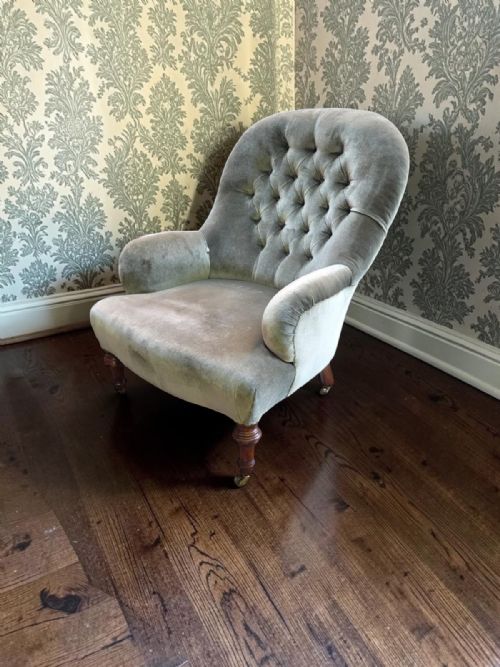
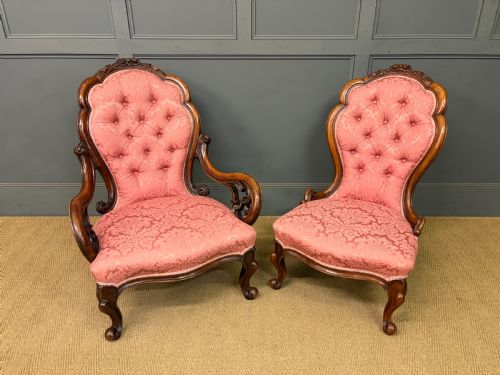
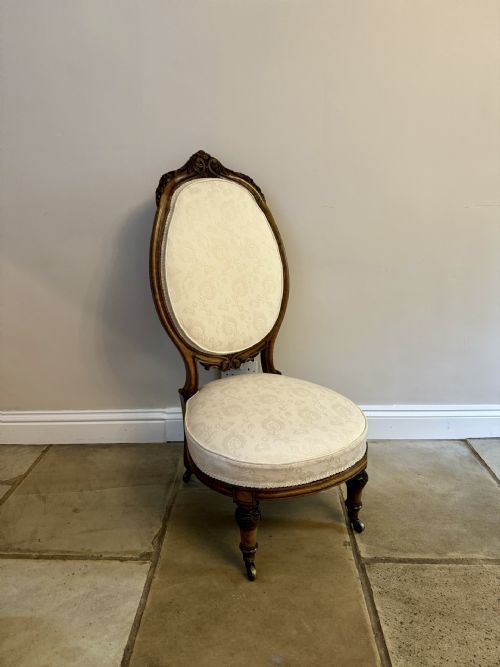
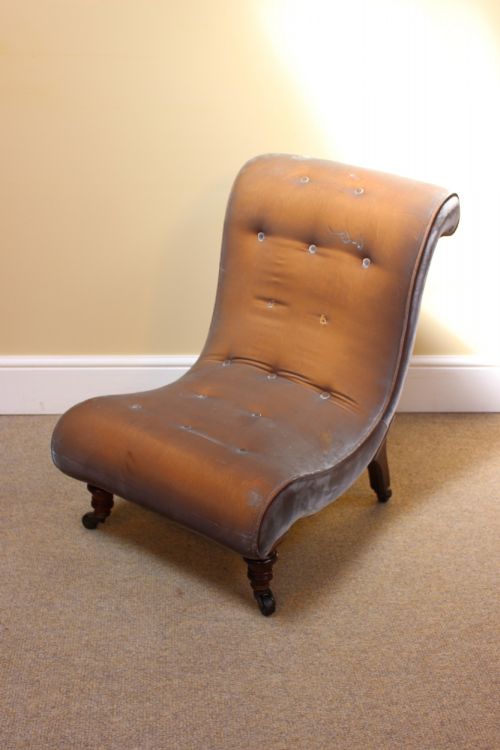
When you search for vintage walnut bedroom chairs, you encounter a selection of seating designed for private chambers, dressing rooms and parlours across multiple eras. The forms range from low nursing chairs and slipper chairs to vanity seats, open armchairs and occasional chairs.
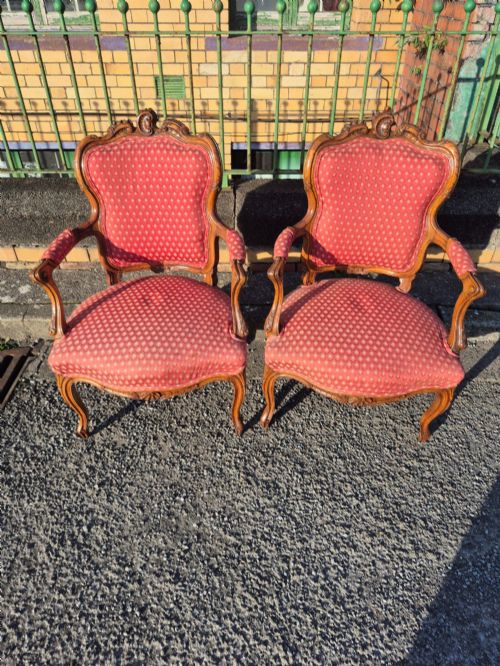
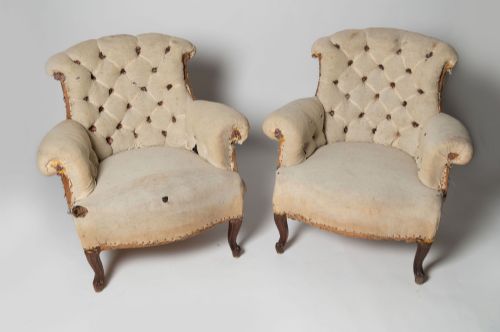
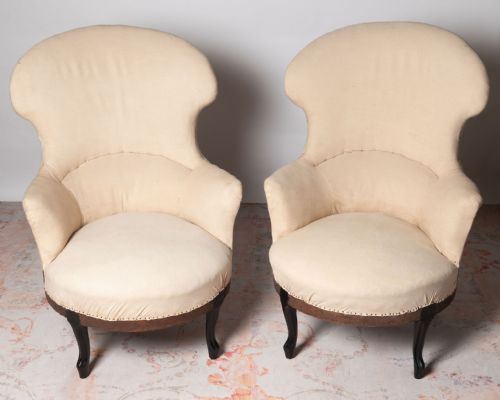
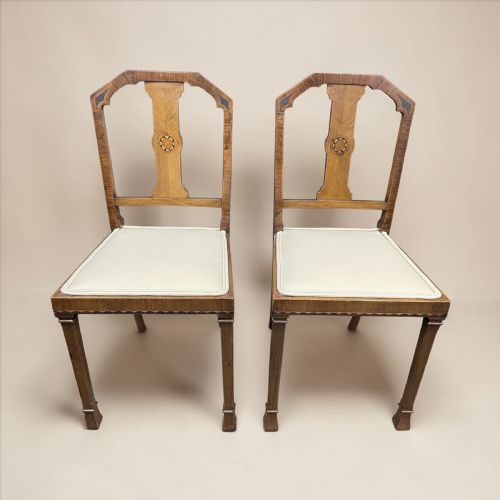
Victorian pieces dominate the selection, often featuring carved walnut frames and button backs or tapestry covers. Later twentieth-century examples include Art Deco and Queen Anne style designs in solid or burr walnut.
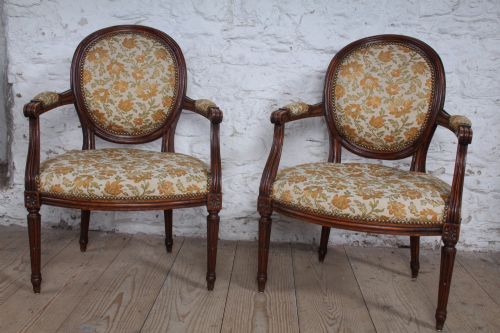
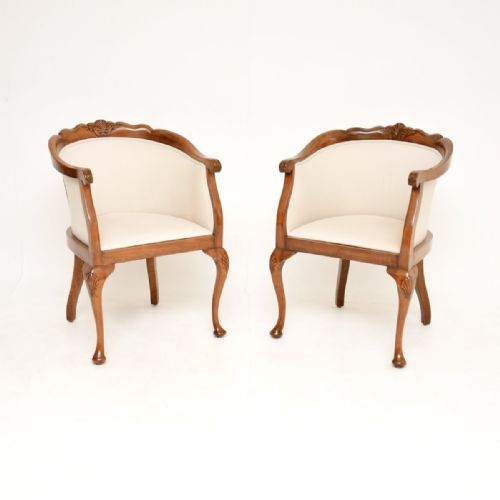
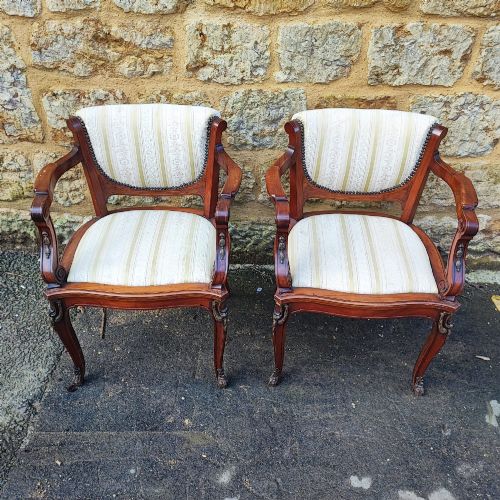
The assortment includes individual pieces alongside matching pairs. Many retain their original character while some arrive with updated textile covers or restored woodwork.
How they were made
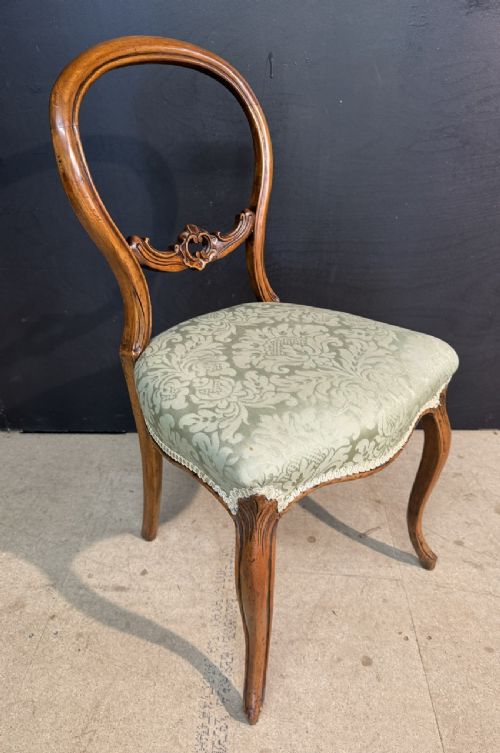
Frames are constructed primarily from solid walnut or burr walnut timber, selected for its rich grain patterns and durability. Woodworkers shaped the components using traditional joinery, often incorporating carved details such as cabriole legs, barley twist supports and scroll backs.
Upholstery techniques involve padding applied over webbing and springs, finished with textiles including velvet, linen, damask, leather and needlepoint. Additional hardware such as brass elements and twisted rope work appears on specific stools and chairs.
The listings span the Victorian, Edwardian and Art Deco periods, utilising walnut alongside brass, velvet, linen and needlepoint.
What varies in quality
The standard of carving determines much of the visual distinction, ranging from crisp, deep floral motifs on Victorian frames to the smooth, restrained lines of Art Deco pieces. Timber selection also plays a role, with striking burr walnut figures commanding attention alongside straight-grained walnut.
The integrity of the frame construction and the execution of the upholstery finish dictate the overall standard. Pieces retain greater appeal when original woodwork remains robust and textile coverings complement the period of the chair.
The Vintage Walnut Bedroom Chairs Glossary
- Walnut
- A dense, dark hardwood prized for its rich grain and ability to hold crisp carved detail. It serves as the primary structural material across these nineteenth and twentieth-century chairs.
- Nursing chair
- A low-seated chair historically designed for comfortable feeding or dressing. Their compact proportions make them suitable for modern bedrooms.
- Cabriole leg
- A furniture leg that curves outward in a convex arc and tapers inward in a concave arc, ending in a pad or foot. This design originates from classical forms and appears frequently on revival pieces.
- Needlepoint
- A type of canvas work embroidery used for durable upholstery. It provides textured, colourful patterns on seats and stools.
- Burr walnut
- A veneer or solid timber cut from walnut tree growths, displaying complex swirling patterns. This material creates highly decorative surfaces on frames and panels.
Vintage Walnut Bedroom Chairs: Frequently Asked Questions
Where were these chairs used originally?
These chairs served primarily in private sleeping quarters, dressing rooms and boudoirs. Their lower heights suited personal grooming and private relaxation.
Over time, owners also placed them in halls, parlours and reception rooms as occasional seating.
How do I identify a Victorian walnut chair?
Victorian examples typically display dark walnut frames with hand-carved floral or scroll decoration. They often feature low seats designed for nursing or dressing.
Button-backed upholstery and dark turned or cabriole legs further signal this mid-to-late nineteenth-century origin.
What is the difference between a nursing chair and a side chair?
Nursing chairs are built with lower seats and shorter legs to assist with comfort during specific domestic tasks. Their backs are frequently shaped for relaxed posture.
Side chairs stand higher with upright backs, intended for positioning beside dressing tables, desks or walls.
Can I use these chairs in modern bedrooms?
Their compact dimensions and low profiles allow them to fit easily beside dressing tables or in corners. They provide practical seating while introducing historic timber tones to contemporary interiors.
Many pairs and single pieces also function effectively as decorative accent seats in living spaces.