



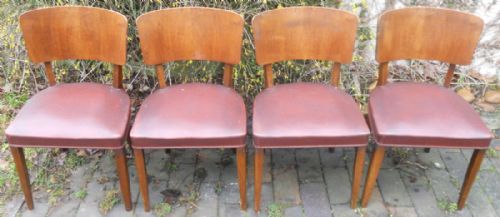
Walnut Curved Back Chairs
These walnut curved back chairs bring warmth and shaped comfort to any room, offering rich grain and supportive seating.
Walnut Curved Back Chairs
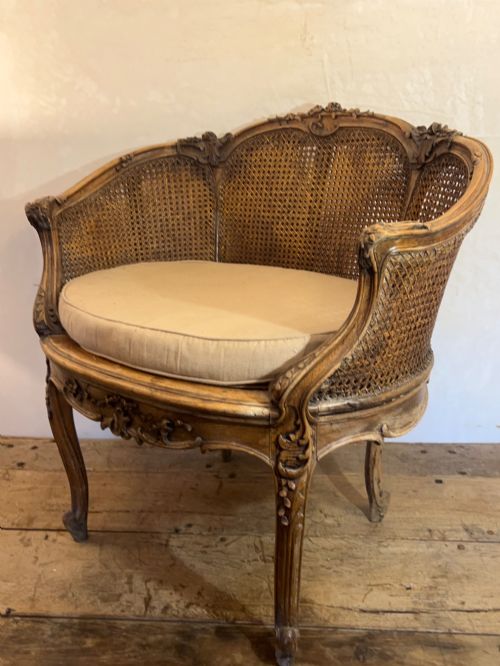
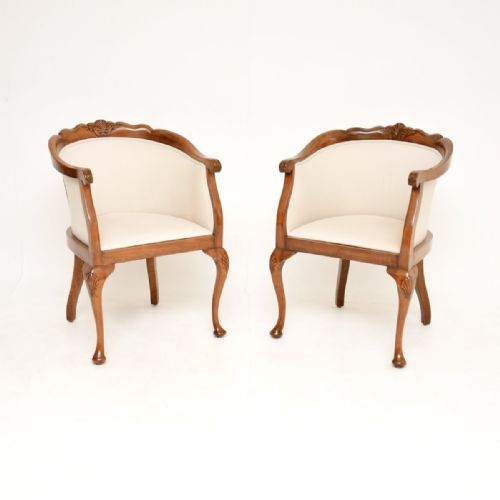
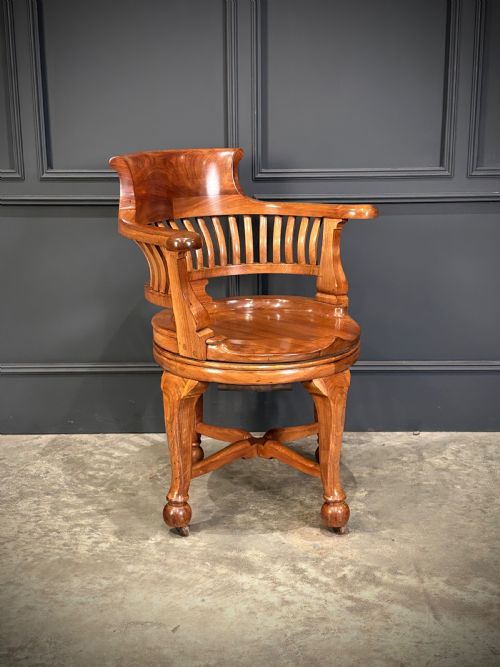
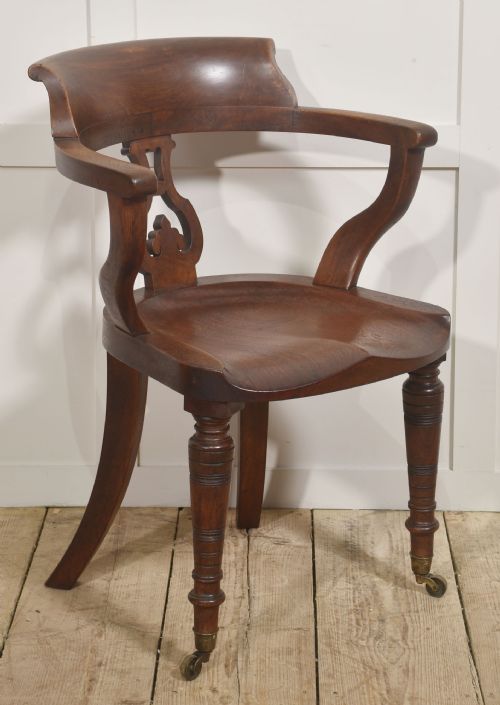
Walnut curved back chairs span periods from the eighteenth century to the art deco era of nineteen thirty, taking forms such as desk armchairs, tub armchairs, dining chairs, and settees. When searching for walnut curved back chairs, buyers encounter pieces shaped by various historical revivals alongside modernist twentieth century designs.
How they were made
Maker construction relies heavily on solid walnut and veneered walnut timber, shaped to create the characteristic curved profiles seen in the frames. Artisans incorporate materials like leather, textile, rattan cane, and brass details to finish seats and structural elements.
Techniques range from traditional joinery found in eighteenth century and nineteenth century styles to the distinctive upholstered forms of art deco suites. Caning and oil cloth swab cushions appear alongside traditional leather and textile coverings.
What varies in quality
Quality differences lie in the selection of walnut timber and the precision of the curved joinery across the frame. Pieces with refined carving and well executed revival styling stand apart from simpler utilitarian seating.
The integration of secondary materials such as brass accents, genuine leather, and hand woven cane distinguishes finer examples. Structural integrity in the curved backrests and swiveling mechanisms determines the overall standard of each chair.
Harry and Lou Epstein
The Walnut Curved Back Chairs Glossary
- Corbeille
- A French term describing a basket shaped seat with a rounded, enclosing backrest. This design wraps around the sitter for added comfort.
- Tub armchair
- A fully upholstered chair with a continuous curved back and arms forming a low, rounded enclosure. It provides a snug and supportive seating posture.
- Caned
- A seating technique utilising woven rattan or cane panels stretched across chair frames. It offers a lightweight and flexible surface.
- Swivel desk chair
- A working seat mounted on a rotating mechanism allowing movement around a workspace. These chairs often feature solid walnut construction.
- Art Deco
- A design style from the early twentieth century characterised by smooth lines, rounded massing, and streamlined forms. Pieces from this period often utilise bold walnut veneers and leather.
Walnut Curved Back Chairs: Frequently Asked Questions
What periods do these chairs cover?
The pieces span from the eighteenth century through the nineteenth century and into the early twentieth century, including art deco designs from nineteen thirty.
Buyers will find historical revival styles alongside modernist seating options.
How do I identify a desk chair?
Desk chairs often feature swivel mechanisms or sturdy armrests designed for prolonged working use at a table.
Many incorporate leather upholstery or oil cloth swab cushions for practical everyday tasks.
What materials are used in the frames?
Frames are constructed primarily from solid walnut and walnut veneers, showcasing natural grain patterns.
Secondary materials include brass fittings, rattan cane, and textile or leather coverings.
Are matching dining sets available?
The selection includes dining suites and sets of chairs designed to coordinate around a table.
These matching groups often share art deco styling or specific period characteristics.
How should I care for the leather?
Leather upholstery benefits from gentle cleaning and occasional conditioning to maintain its supple texture.
Keeping the walnut timber polished preserves the rich colour of the wood.