


Vintage Wall Panel
Vintage wall panel describes architectural salvage, carved wood, and framed textiles brought indoors to anchor a room.
Vintage Wall Panel
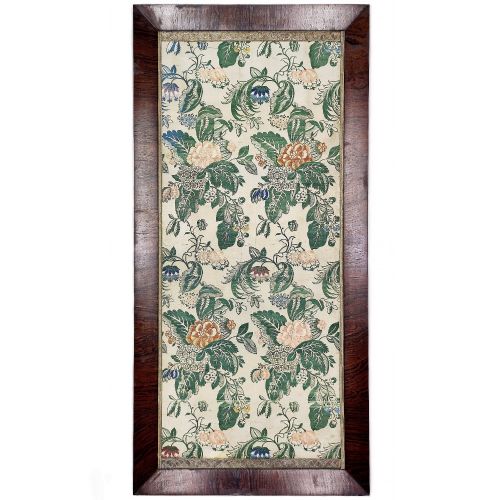
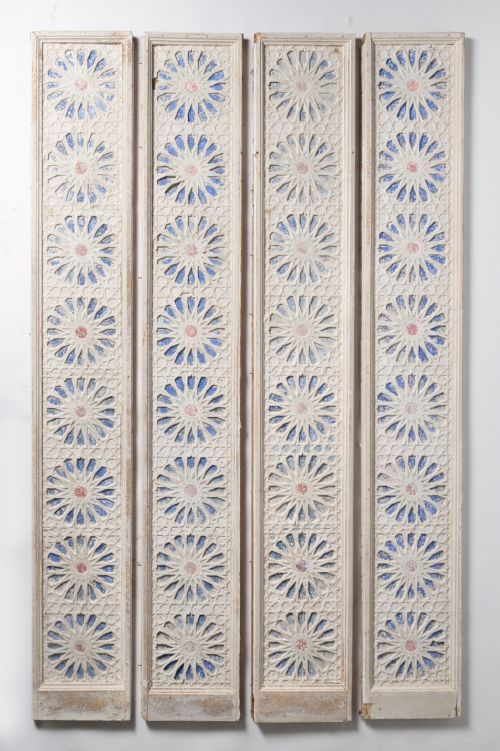
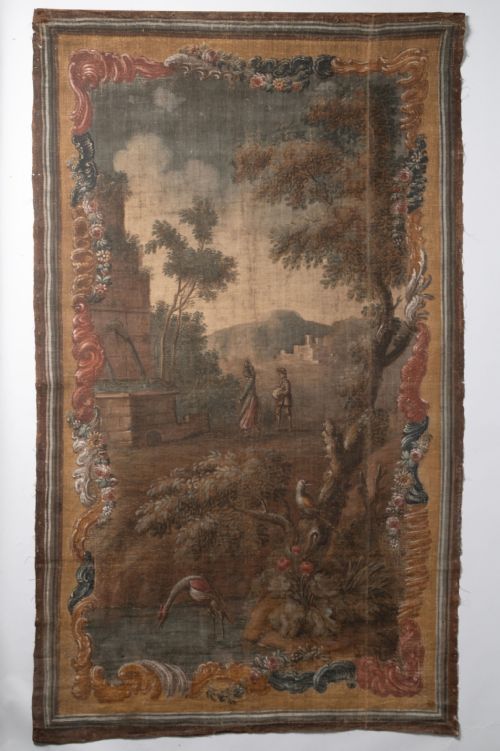
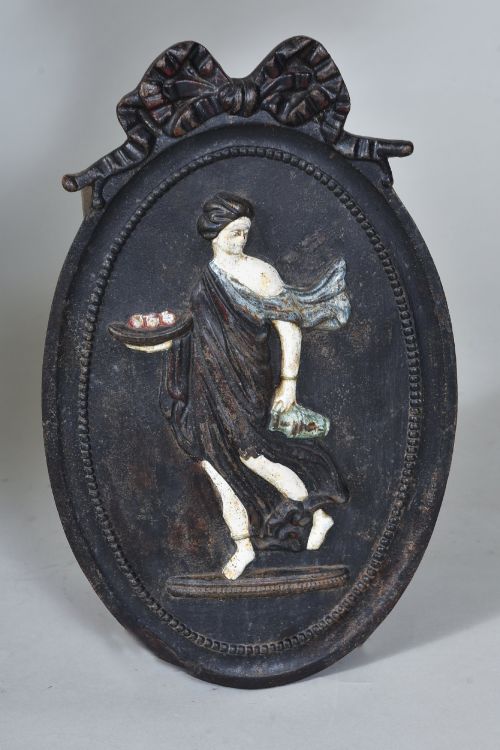
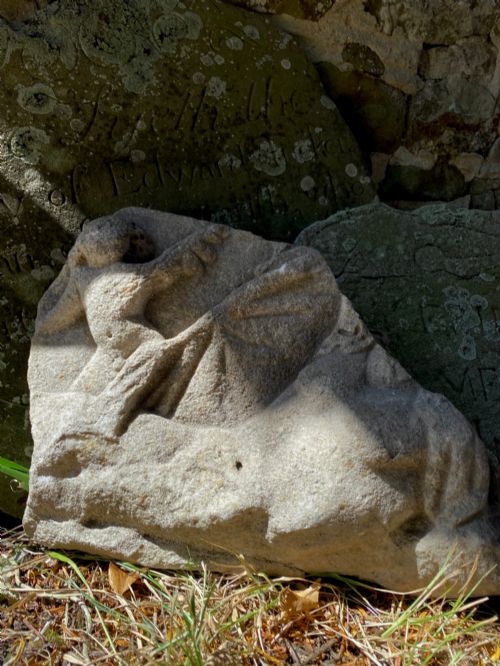
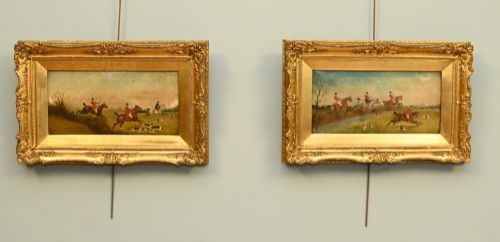
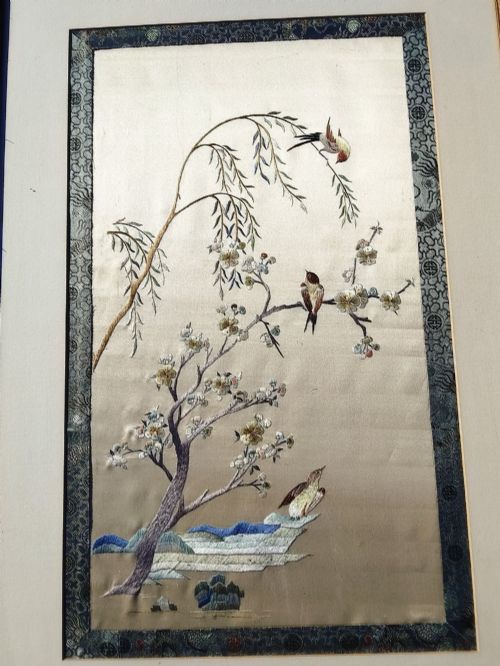
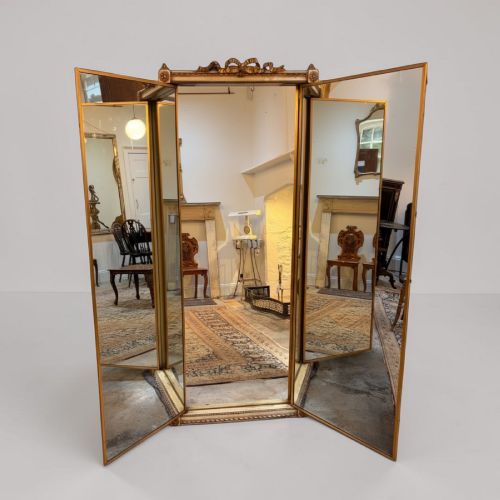
A vintage wall panel brings substantial architectural presence or intricate textile art directly onto a vertical surface. Buyers seeking this phrase encounter a broad assortment ranging from carved wooden reliefs and architectural salvage to framed silk pictures, embroideries, and oil paintings on wood boards.
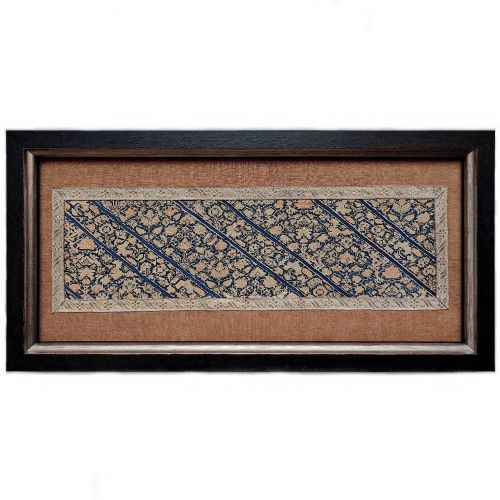
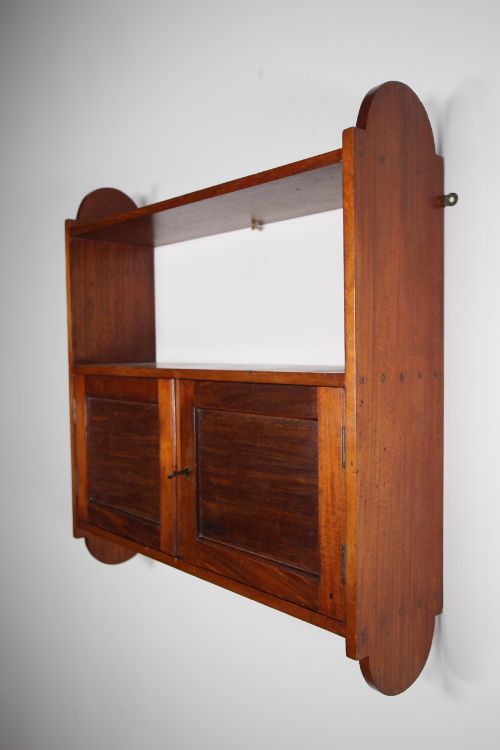
The material origins span diverse periods and traditions, including Georgian oak cupboards, Arts and Crafts golden oak cabinets, Central Asian tribal embroideries, and Mid-Century batik textile art. Most examples lean toward carved timber panels or framed decorative textiles designed specifically for interior display.
Materials and Technique
Construction relies heavily on timber, metals, and textiles worked by hand. Carved panels utilise solid woods like oak and mahogany, sometimes enhanced with marquetry or gesso, while metal items incorporate cast bronze, iron, and brass.
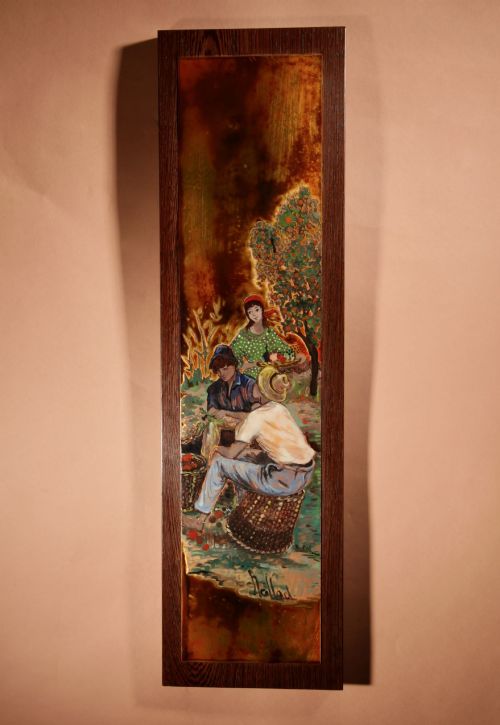
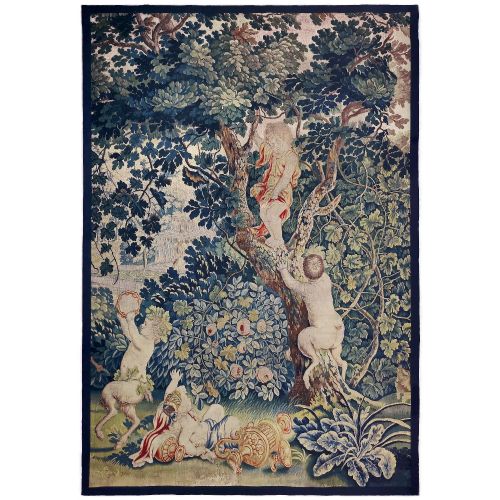
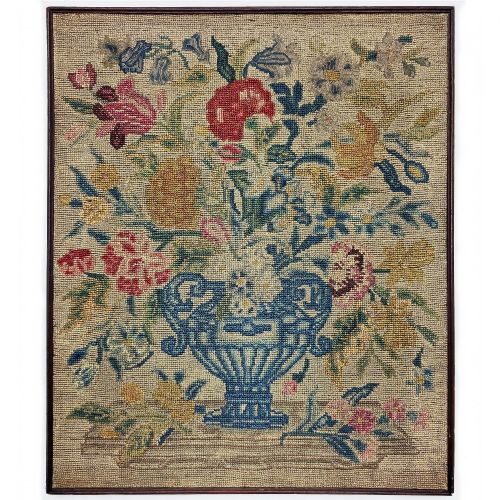
Textile panels employ silk, wool, and cotton threads stitched onto ground fabrics using crewelwork or traditional embroidery techniques. Painted examples combine oil or tempera pigments applied directly to wood panels, canvas, or glazed surfaces.
Vintage Wall Panel Retail Price Guide 2026
Typical asking prices for vintage wall panel among the pieces listed under this phrase on Sellingantiques today, from the lower quarter to the upper quarter. They describe what is for sale here now, not the wider market.
Several pieces feature unexpected animals, including sheep, pheasants, elephants, and a solitary cherub.
Evaluating the Pieces
Quality rests on the integrity of the materials and the precision of the handwork. Finely carved wooden panels display crisp depth in relief details without excessive modern timber replacement, while textile panels show tight, complex stitch work and stable natural fibres.
The distinction between standard decorative items and superior examples lies in the artist's hand, whether in the brushwork of an oil painting, the crispness of marquetry inlay, or the authenticity of regional embroidery traditions.
Tom Campbell·Raymond Subes·Irene Christobelle Pownoll Williams·James Stroudley
The Vintage Wall Panel Glossary
- Suzani
- Central Asian embroidered textile panel typically created in Uzbekistan as part of a dowry. These pieces feature bold floral or architectural motifs worked in silk on a cotton ground.
- Marquetry
- Inlay technique using thin pieces of wood veneer applied to a structure to form decorative patterns. It adds pictorial depth and texture to wooden panels.
- Trumeau
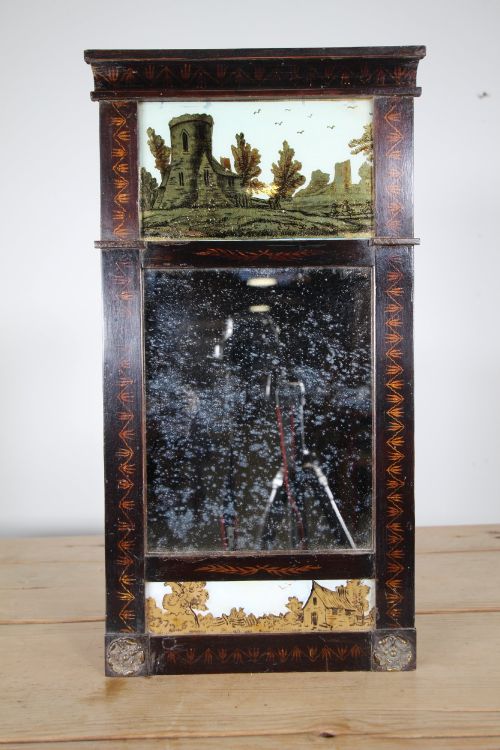
- Decorative wall mirror paired with a painted panel or oil painting above the glass. This French form integrates art and mirror glass within a single architectural frame.
- Intaglio
- Carved gem or cameo where the design is incised below the surface. Gypsum intaglio panels present classical motifs in low relief.
- Palampore
- Large tree-of-life chintz bed cover or textile panel produced in India for export. These pieces display elaborate hand-painted or block-printed botanical designs.
Vintage Wall Panel: Frequently Asked Questions
How do I hang a heavy wooden panel safely?
Heavy carved wood panels and architectural salvage require sturdy wall anchors and brackets rated for significant weight. Fasten the mounting hardware directly into wall studs rather than plaster alone.
Ensure the hanging wire or integrated mounting brackets distribute the load evenly across the frame. Consulting a professional installer is recommended for oversized wooden elements.
How should I clean antique embroidered textile panels?
Textile panels require gentle care to protect fragile historical threads and ground fabrics. Avoid using water, harsh detergents, or rubbing motions on silk and wool surfaces.
Light surface dust can be removed very carefully using a soft brush with a vacuum screen attachment. Keep embroidered panels away from direct sunlight to prevent fading.
Can I place a wooden wall cabinet in a kitchen?
Wooden wall cabinets and cupboards add character to various rooms, but kitchens present challenges with humidity and temperature fluctuations. Solid wood expands and contracts with moisture changes.
If placed in a kitchen, ensure the cabinet sits away from direct steam sources, cookers, and sinks. Maintain stable indoor humidity to protect the vintage timber and joinery.
What is the difference between a suzani and a crewelwork panel?
Suzanis originate in Central Asia and typically feature tambour or suzani stitch embroidery in vibrant silk threads on cotton foundations. They often display large circular medallions.
Crewelwork involves wool embroidery traditionally worked on heavy linen or cotton twill, producing dense botanical patterns rooted in English and Indian textile traditions.