






Vintage Wall Mask
These vintage wall mask examples bring classical motifs, taxidermy and carved wood straight to interior display spaces.
Vintage Wall Mask
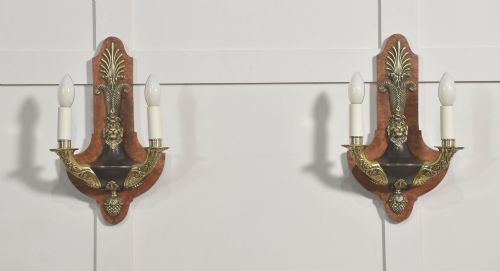
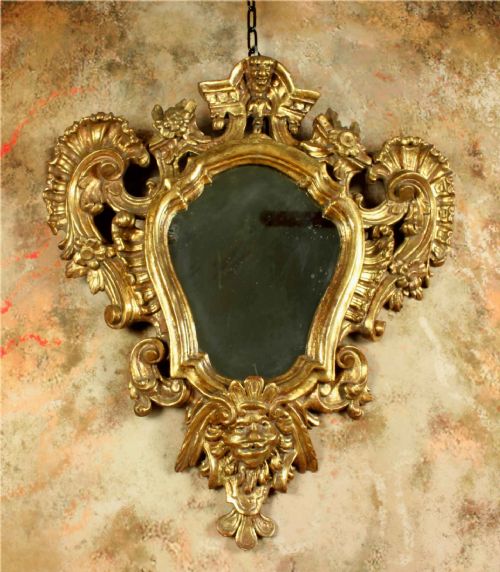
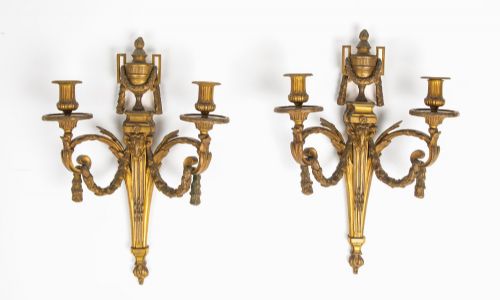
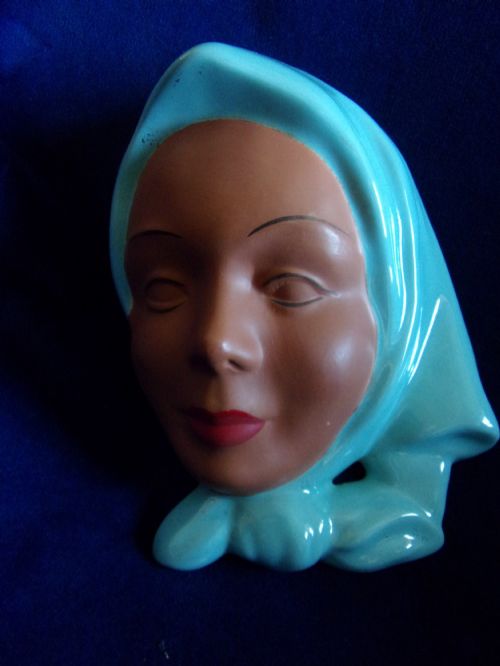
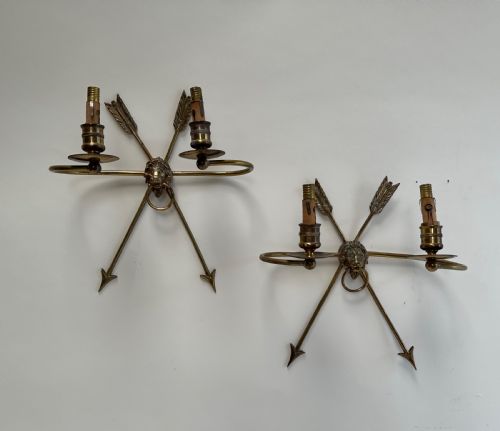
When buyers search for a vintage wall mask, they encounter a diverse selection ranging from taxidermy mounts and carved wooden lion heads to giltwood mirrors and classical bronze wall lights. The pieces span periods from the 18th century through the Edwardian era, incorporating styles such as French Empire, Victorian, and Louis XVI.
The version most commonly met on this page combines decorative wall plaques, sconces, and carved animal forms that utilise brass, oak, walnut, and paint. These objects serve as striking focal points for interior walls, drawing on historical motifs like Bacchus, ram's heads, and tribal designs.
How they were made
Makers utilised traditional woodworking techniques to carve oak and walnut into detailed lion heads, tiger heads, and decorative plaques. Metalwork components, including cast brass and ormolu, demonstrate meticulous casting and gilding methods applied to wall lights and mirrors.
Taxidermy specimens involve precise taxidermy mounting techniques applied to fox and otter masks. Other items combine painted and silvered surfaces on glass and wood to achieve their finished appearance.
Vintage Wall Mask Retail Price Guide 2026
Typical asking prices for vintage wall mask among the pieces listed under this phrase on Sellingantiques today, from the lower quarter to the upper quarter. They describe what is for sale here now, not the wider market.
Listings feature 18th Century, 19th Century, Edwardian, and 1930s periods across materials like oak, brass, glass, and wood.
What varies in quality
The distinction between tiers rests upon the depth of hand-carving in wooden elements and the precision of casting in brass or ormolu wall lights. Finer examples display crisp anatomical detail in animal masks and superior articulation of classical ornamentation.
Preservation of original gilding, paint, and taxidermy condition determines the overall integrity of the piece. Items retaining their original patination and securely mounted fixtures command greater appreciation among collectors.
Peter Spicer And Sons·P Spicer And Sons Of Royal Leamington Spa
The Vintage Wall Mask Glossary
- Ormolu
- Gilded bronze applied to decorative metalwork and wall lights. This technique creates a rich gold finish on French Empire and Louis XVI style pieces.
- Girandole
- A branched wall light or sconce holding candles, frequently incorporating a mirror. These fixtures reflect light across interior spaces.
- Taxidermy mount
- The preserved head or skin of an animal prepared for display. Historic specimens often record the taxidermist and date on the reverse.
- Giltwood
- Wood carved and covered with a thin layer of gold leaf. It defines many 18th-century and 19th-century decorative mirrors and frames.
- Overmantle mirror
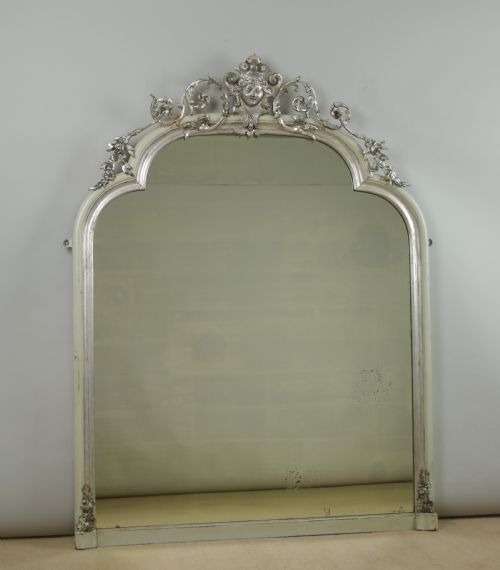
- A large mirror designed to hang above a fireplace mantel. They often incorporate decorative crests and painted or silvered surfaces.
Vintage Wall Mask: Frequently Asked Questions
What is a vintage wall mask?
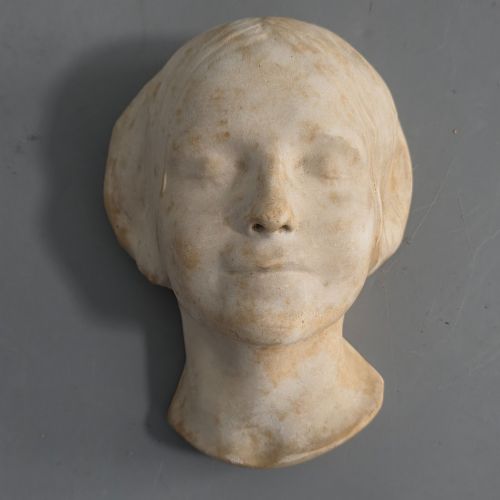
A vintage wall mask encompasses decorative wall sculptures, carved animal heads, taxidermy mounts, and architectural wall plaques designed for interior hanging.
These pieces draw from periods including the 18th century, Victorian era, and 1930s, utilising materials such as wood, brass, and glass.
How do I hang a heavy wall mask?
Heavy carved wood and cast brass pieces require secure wall anchors and appropriate load-bearing fixings to support their weight safely.
Consulting a professional installer ensures the piece remains secure against the wall surface.
How do I date a brass wall light?
Dating relies on stylistic indicators such as French Empire or Louis XVI motifs, casting quality, and the specific composition of the brass or ormolu.
Examining construction methods on the reverse provides further clues to the period of manufacture.
How should I clean taxidermy wall masks?
Taxidermy mounts require gentle dusting with a soft brush to protect fragile hair and hide surfaces from damage.
Avoid moisture and direct sunlight to preserve the condition of historical animal specimens.