


Vintage Wall Looking Glass
A vintage wall looking glass brings depth to a room through centuries of carving and gilding.
Vintage Wall Looking Glass
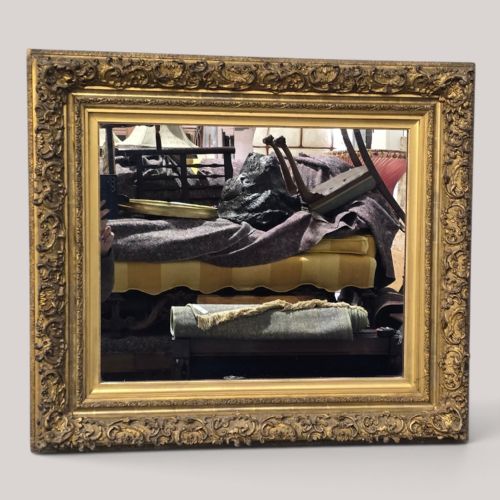
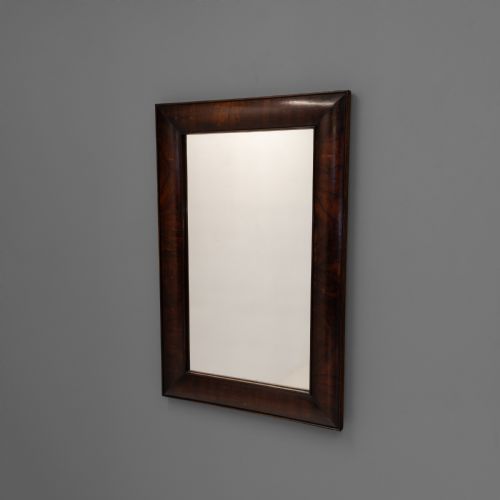
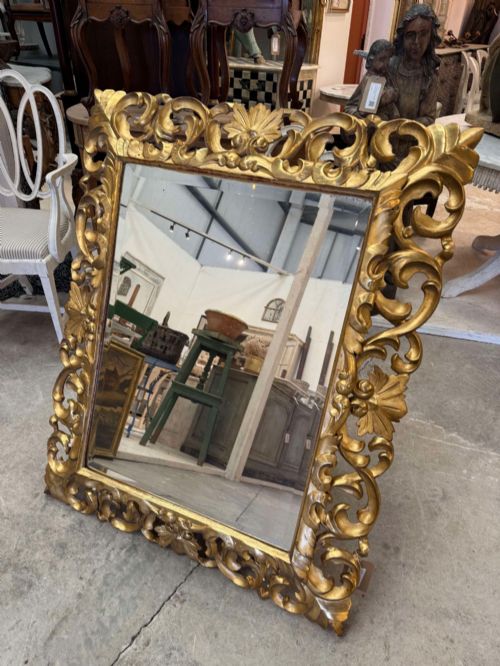
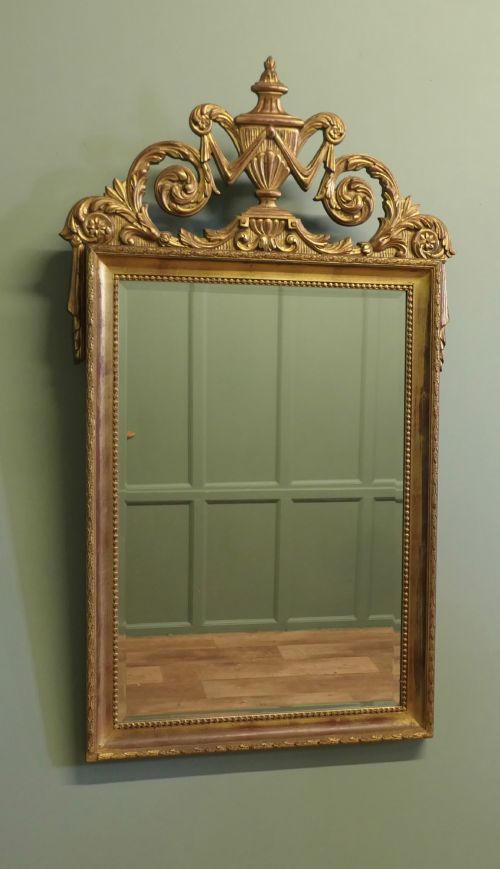
A vintage wall looking glass is a reflective plate set into a decorative frame designed to hang on a wall, capturing light and space. When searching this phrase, a buyer encounters pieces originating from the seventeenth century through to the early twentieth century.
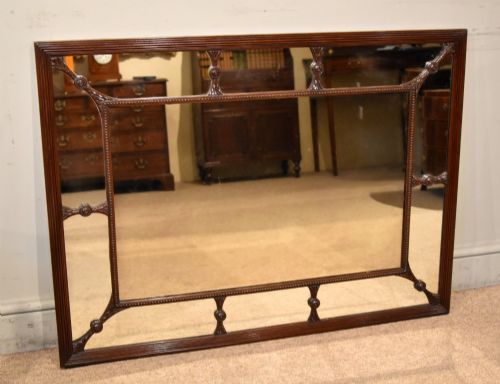
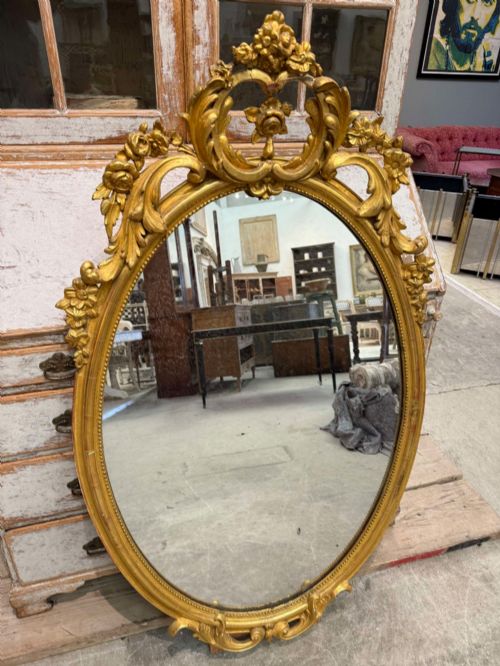
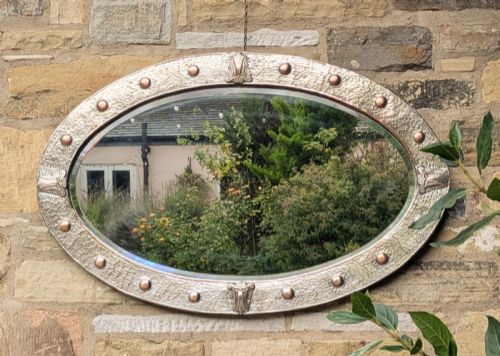
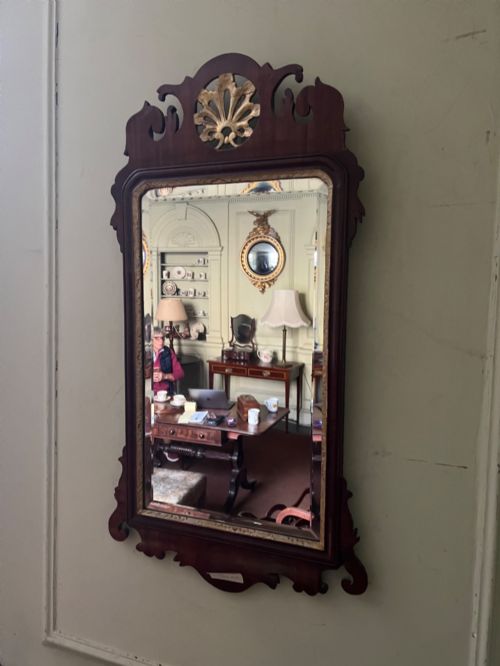
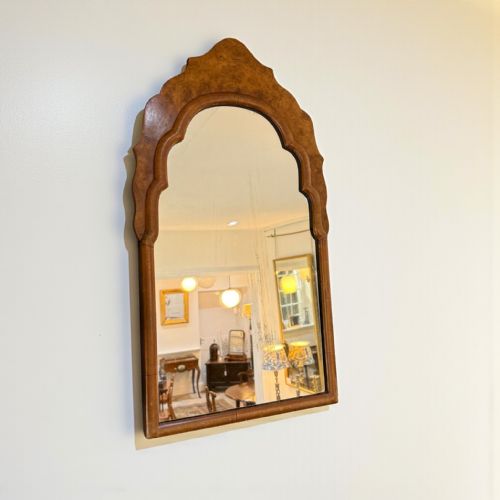
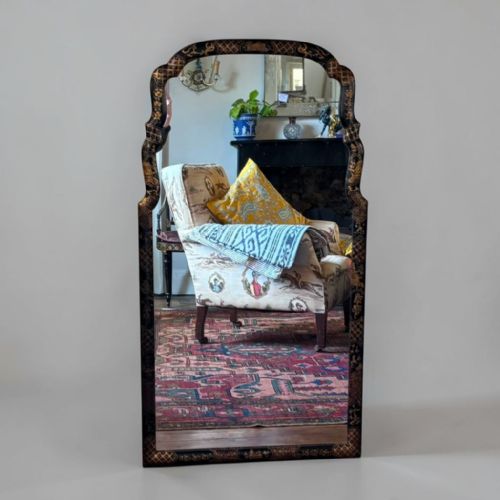
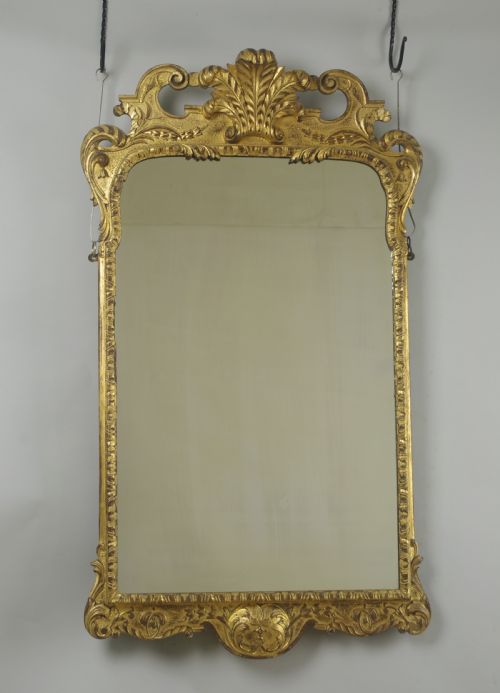
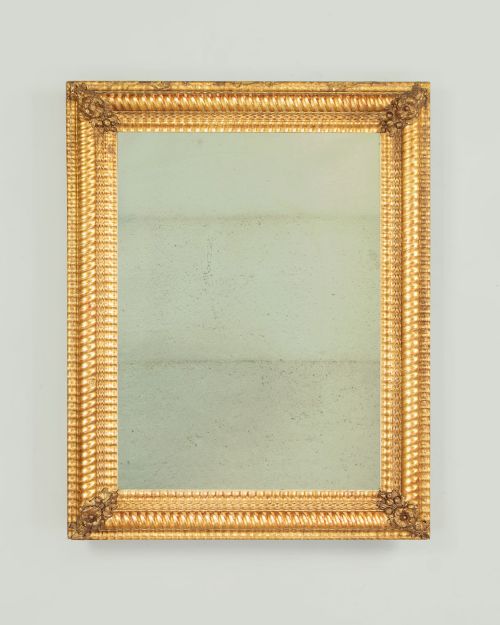
The selection on this page leans heavily towards nineteenth century examples alongside pieces from the Edwardian era and the 1920s. Forms range from simple mahogany fretwork frames to ornate gilded Rococo Revival designs.
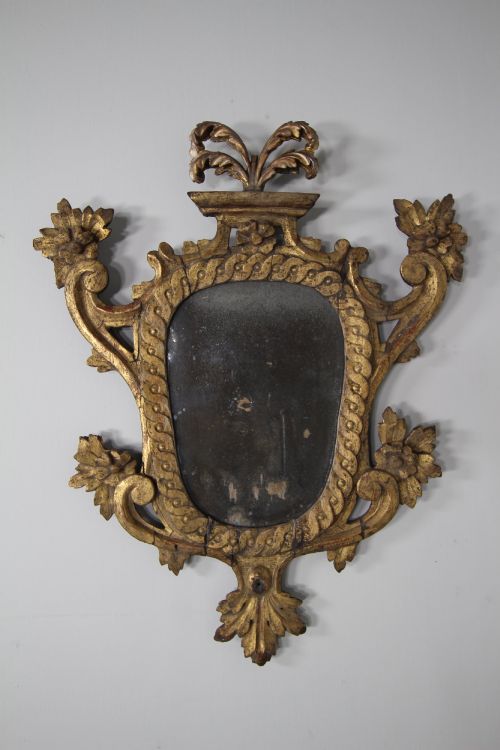
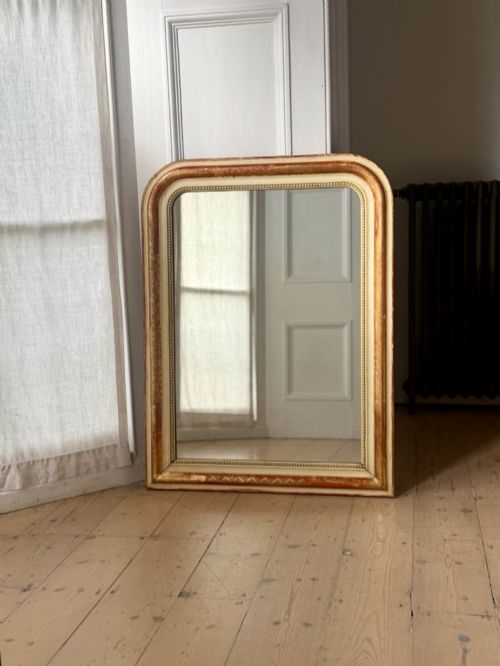
Regional styles vary widely, encompassing French Napoleon III, Italian Florentine, and English Georgian influences. Buyers often select these mirrors to anchor a room, combining historical craftsmanship with practical reflection.
How they were made
Frames rely on timber foundations such as mahogany, oak, walnut, and sycamore, often shaped through detailed hand carving. Artisans applied gesso over the wood base to create smooth surfaces suitable for subsequent decoration.
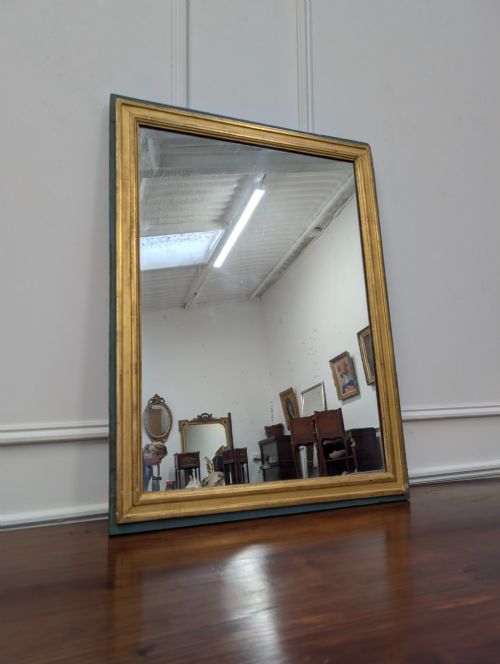
Gilding techniques involved applying thin layers of gold leaf or silver gilt to the prepared gesso, sometimes combined with painted finishes. Glass plates were traditionally silvered and bevelled by hand, resulting in the characteristic warmth and minor imperfections seen in older plates.
Vintage Wall Looking Glass Retail Price Guide 2026
Typical asking prices for vintage wall looking glass among the pieces listed under this phrase on Sellingantiques today, from the lower quarter to the upper quarter. They describe what is for sale here now, not the wider market.
Edwardian dressing spaces included dedicated last look mirrors, ensuring homeowners checked their attire before stepping out.
What varies in quality
The standard of a vintage wall looking glass rests primarily on the depth and precision of the carved ornament within the frame. Crisp undercut details in giltwood or mahogany distinguish superior pieces from softer, more repetitive moulded alternatives.
The integrity of the original glass plate and the condition of the gilding further define the caliber of the mirror. Traces of bare gesso beneath worn gold leaf or untouched antique silvering indicate a higher degree of historical authenticity.
The Vintage Wall Looking Glass Glossary
- Giltwood
- Wood that has been coated with a thin layer of gold leaf. This technique was widely utilised on ornate frames to catch and reflect candlelight.
- Gesso
- A plaster mixture applied to a wooden frame as a base for gilding or painting. It allowed craftsmen to mould intricate relief patterns before applying gold leaf.
- Fretwork
- Openwork ornamentation cut into thin boards of wood using a scroll saw. Georgian and Chippendale style mirrors frequently employ this technique for their borders.
- Overmantle
- A large mirror designed to hang specifically above a fireplace mantel. These pieces often feature combined gilt and mahogany veneer surfaces.
- Gilt slip
- A narrow inner moulding finished in gold leaf that sits between the glass plate and the main outer frame. It adds an extra layer of visual depth to the composition.
Vintage Wall Looking Glass: Frequently Asked Questions
How do I hang a heavy antique mirror?
Heavy frames require robust fixings secured directly into wall studs or masonry using appropriate wall anchors. Professional mirror hangers utilise weight-rated steel wire and brackets attached firmly to the structural wood of the frame.
Avoid relying on modern picture hooks that lack adequate load capacity. Distributing the weight evenly prevents structural stress on the antique joints.
How do I clean old mirror glass?
Clean antique glass gently using a soft cloth and a mild vinegar solution applied to the cloth rather than directly onto the plate. This prevents liquid from seeping behind the silvering and causing further oxidation.
Harsh chemical cleaners strip away fragile finishes and damage aged frames. Exercise caution around areas where the silver backing has degraded over time.
How do I identify a Georgian mirror?
Georgian mirrors typically feature mahogany or walnut veneers, fretwork cutouts, and parcel-gilt details characteristic of eighteenth-century cabinet making. Look for traditional construction methods such as pegged joints and secondary pine or oak backing boards.
Stylistic cues often reference Chippendale designs with symmetrical scrolls and gilded slips. The timber patination should display depth accumulated over centuries of age.