



Vintage Wall Covering
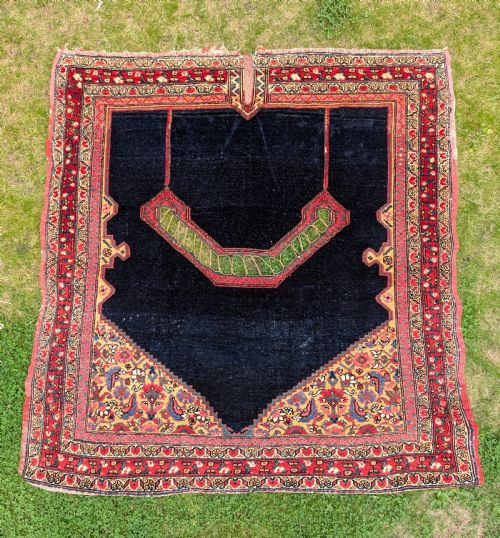
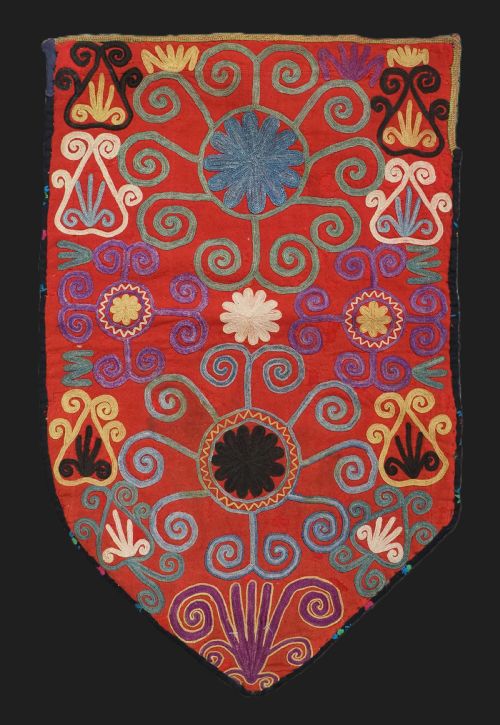
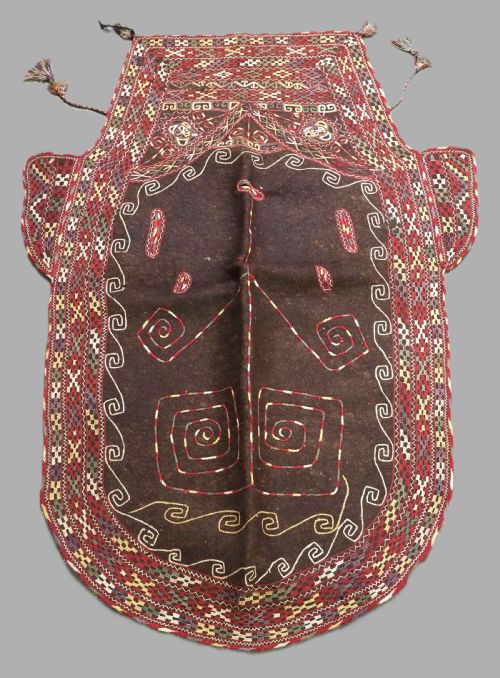
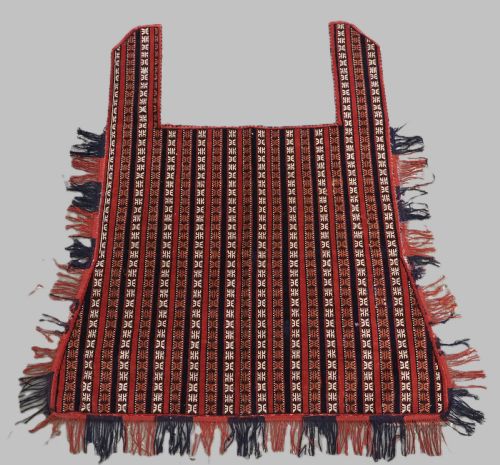
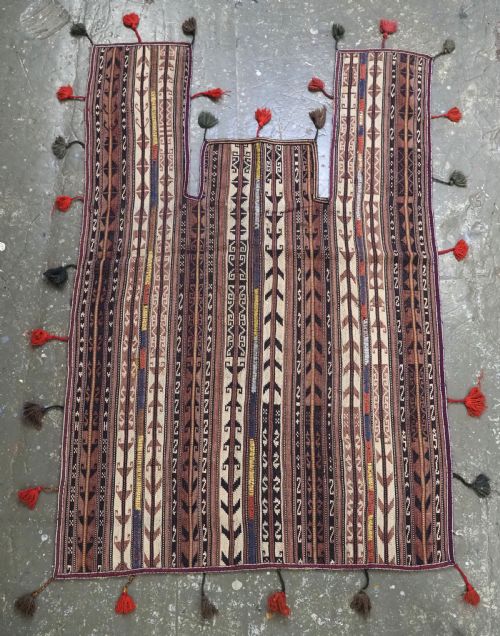
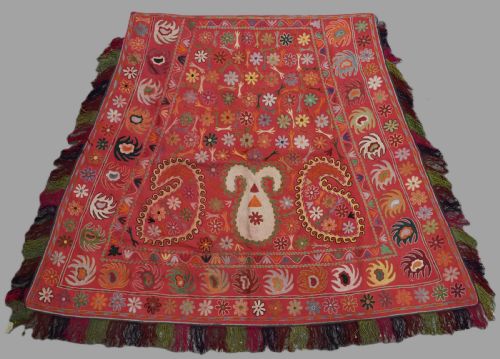
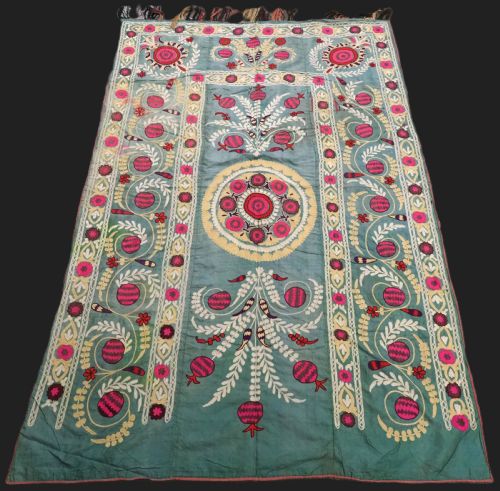
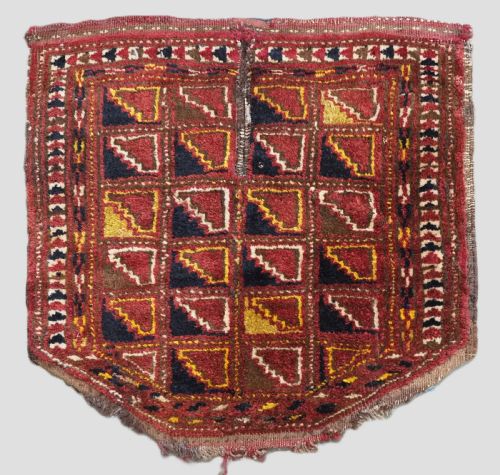
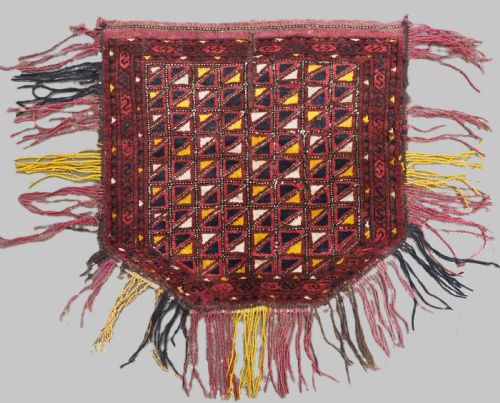
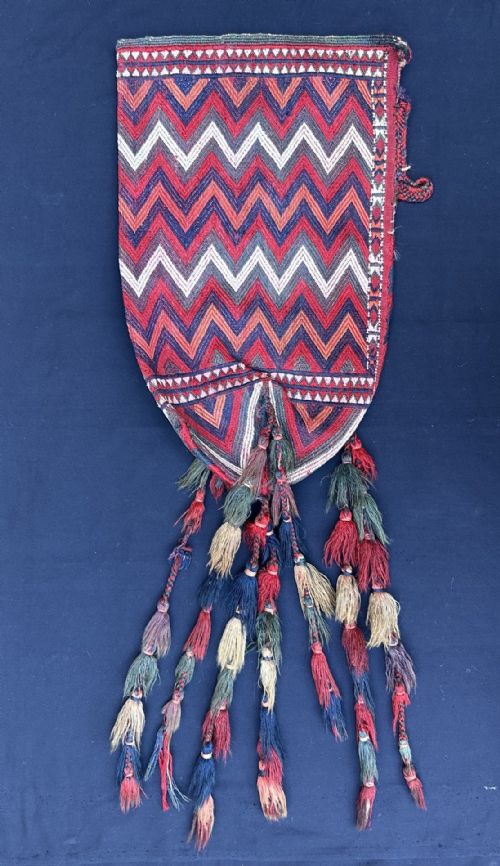
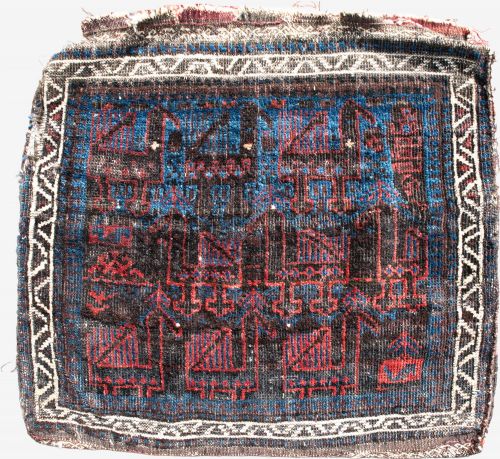
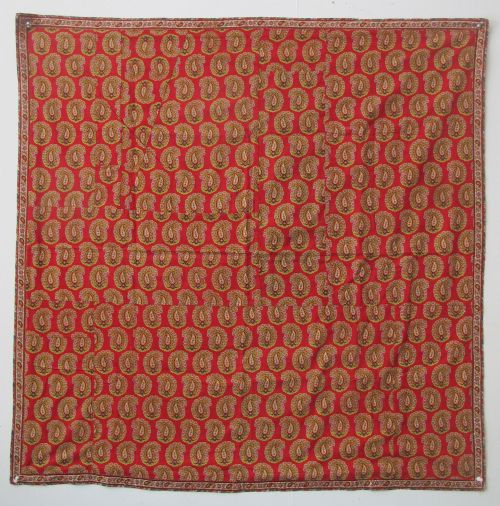
Vintage wall covering selections comprise textile pieces like tribal horse blankets, suzanis and embroideries used to furnish vertical interior spaces.
Vintage Wall Covering
When browsing for a vintage wall covering, buyers encounter functional textiles originally created for entirely different domestic or ceremonial purposes. These items span nineteenth and early twentieth century examples originating from Persian, Central Asian and Turkmen tribal traditions.
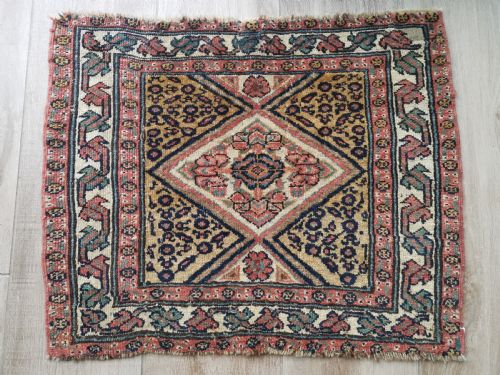
The assortment centres primarily on repurposed horse covers, saddle bags, storage sacks and embroidered bed covers or suzanis. Such textiles translate naturally to vertical display, introducing rich tribal patterns and historical textile art directly onto interior surfaces.
How They Were Made
Maker construction relies on natural materials such as hand-spun wool, cotton and silk fibres manipulated through techniques like flatweaving, pile knotting and intricate embroidery. Artisans applied natural dyes to colour the yarns, achieving deep tones that define the character of each textile.
Specialised regional methods include silk-on-silk stitching, felt appliqué and ikat patterning. These varied textile traditions demonstrate high levels of handcraft from communities across Central Asia and Persia.
Vintage Wall Covering Retail Price Guide 2026
Typical asking prices for vintage wall covering among the pieces listed under this phrase on Sellingantiques today, from the lower quarter to the upper quarter. They describe what is for sale here now, not the wider market.
Listings feature textiles spanning the nineteenth and early twentieth centuries, incorporating wool, cotton, silk and natural dyes.
What Varies in Quality
Quality differences stem from the precision of the needlework, the complexity of the tribal design and the integrity of the natural dyes used. Pieces exhibiting finer, denser stitching and well-balanced compositions stand apart from simpler utilitarian examples.
The condition of the textile and the survival of original details, such as tassels or backing materials, further influence the standing of an individual piece within the range.
The Vintage Wall Covering Glossary
- Suzani
- An embroidered Central Asian hanging or bed cover typically worked in silk on a cotton or silk ground. These large textiles display bold floral and geometric motifs.
- Torba
- A small storage bag produced by Turkmen and other nomadic tribes. They feature characteristic tribal gull motifs and geometric borders.
- Palampore
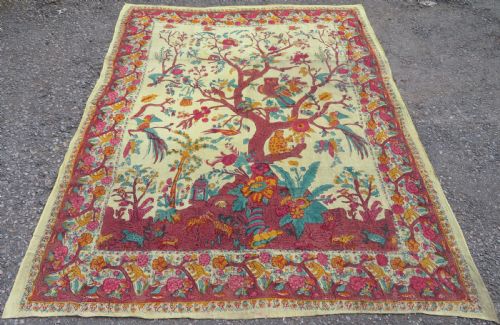
- A large, intricately patterned Indian bed cover or panel produced for trade. They often utilise blockprinting or hand-painted techniques depicting tree of life designs.
- Mafrash
- A rectangular tribal storage sack or bedding bag face. Collectors prize these for their banded flatweave or piled designs.
- Boteh
- A stylised almond or paisley-shaped motif of Persian origin. It appears frequently in tribal bag faces and textile panels.
Vintage Wall Covering: Frequently Asked Questions
How do I hang a vintage textile safely?
Mounting delicate textiles requires distributing the weight evenly across the piece rather than piercing the fabric with nails or pins. A conservation-grade Velcro system or a custom fabric sleeve stitched to the reverse allows a padded wooden batten to support the weight.
Keep mounted textiles away from direct sunlight and high humidity to prevent fibre degradation and dye fading over time.
What is the difference between a suzani and a saddle cover?
Suzanis are large, embroidered domestic textiles originating from urban and rural workshops in Uzbekistan, traditionally created as part of a bride's dowry. They showcase elaborate botanical embroidery on cotton or silk foundations.
Saddle covers and horse blankets are utilitarian nomadic pieces created by Turkmen, Uzbek or Baluch tribes using durable wool, flatweaving or heavy embroidery for animal adornment during ceremonies.
How are these antique tribal textiles cleaned?
Routine maintenance involves gentle surface dust removal using a soft brush or low-suction vacuum applied through a mesh screen. Professional textile conservators should handle deeper cleaning to prevent dye migration and shrinkage in historic wool and silk fibres.
Water washing can destabilise natural dyes and historic threads, so intervention should remain minimal.