
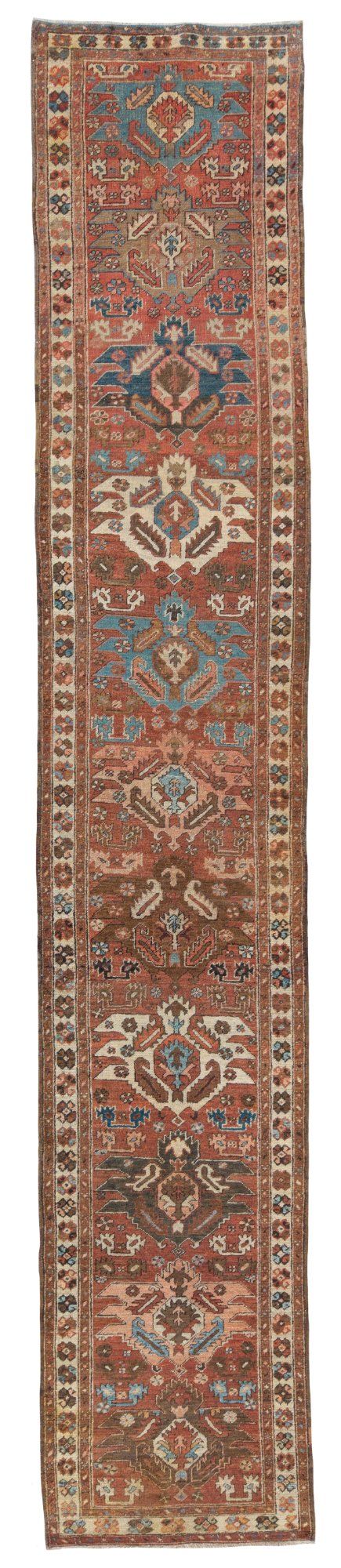
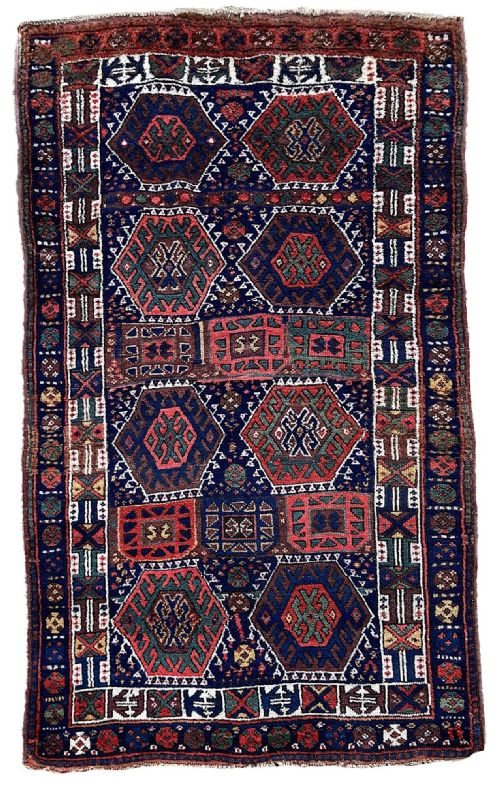


Vintage Village Tribal Carpet
A vintage village tribal carpet brings grounded vernacular pattern and tangible history directly to the floor.
Vintage Village Tribal Carpet
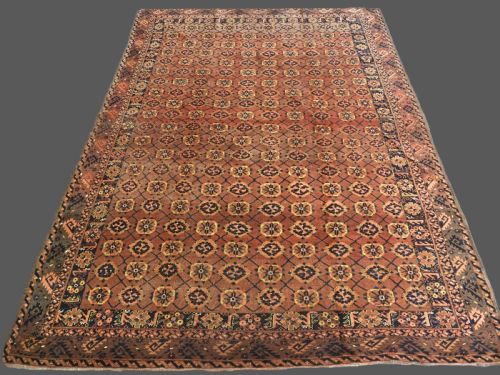
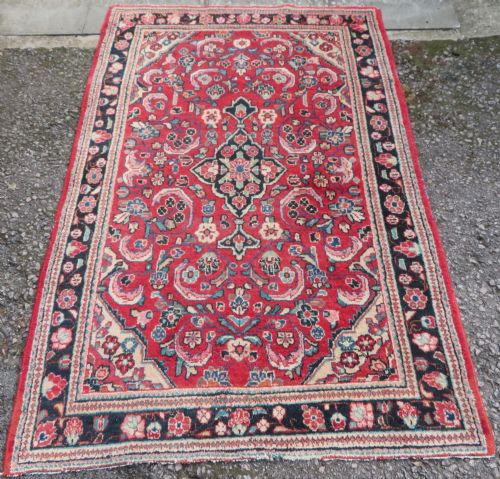
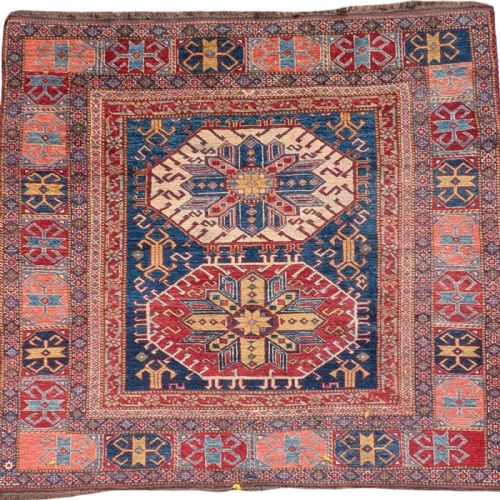
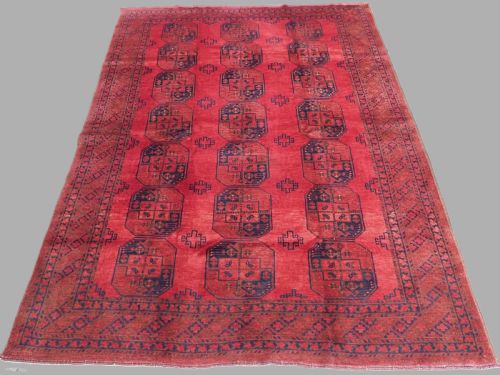
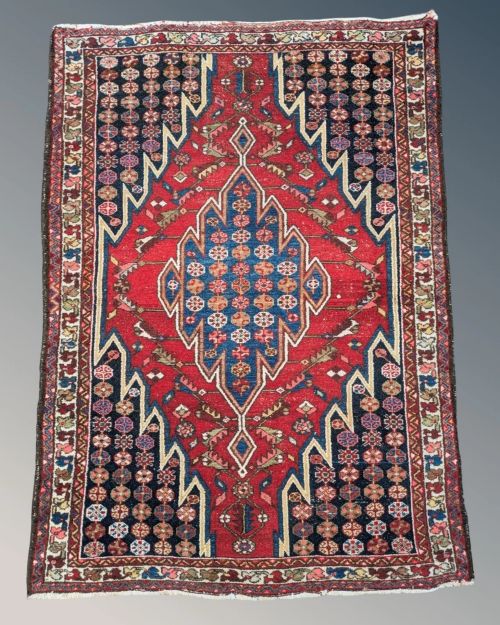
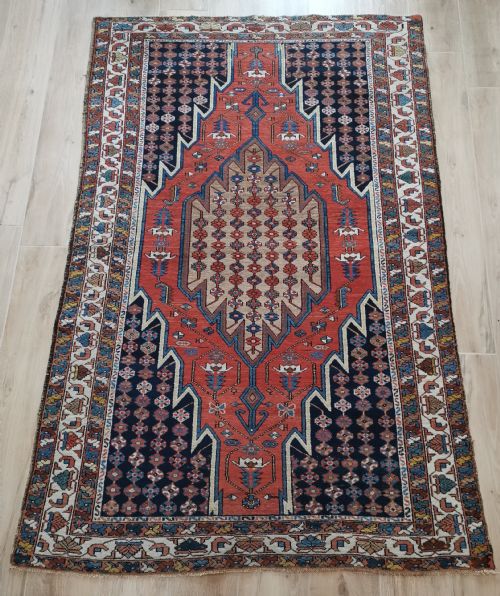
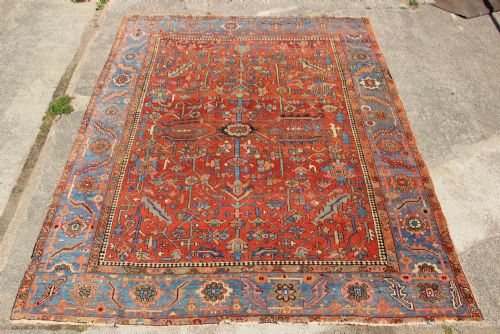
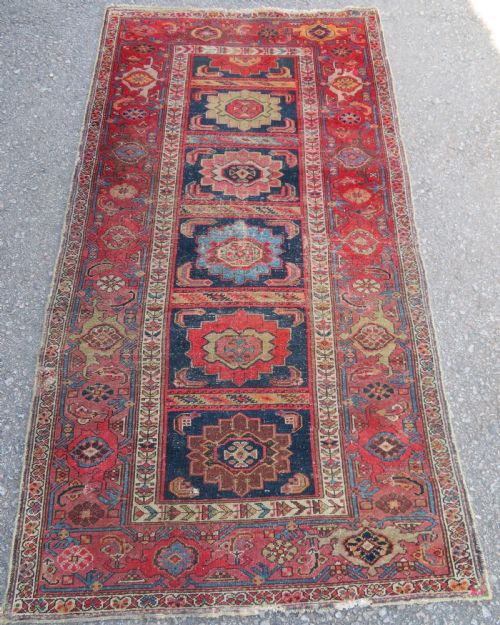
A vintage village tribal carpet represents the woven output of communities across Persia, Afghanistan, Turkey, and the Caucasus, spanning from the late nineteenth century to the interwar period. Buyers searching this phrase look for authentic domestic or nomadic floor coverings that reflect traditional motifs rather than standardised urban workshop patterns. You will frequently encounter regional formats such as runner rugs, area rugs, and specific village prayer rugs bearing geometric layouts or localized floral abstractions.
How they were made
The construction of these carpets relies on hand-spun wool and sturdy cotton foundations, specifically cotton warps that provide structural stability to the pile. Weavers utilised natural dyes to achieve deep reds, golds, and earthy tones that age gracefully over decades of light exposure. The wool itself varies from thick, plush piles to lower, denser weaves depending on whether the rug originated from a sedentary village or a mobile tribal encampment.
Techniques remained traditional, employing hand-knotting methods executed on upright looms set up in homes or village workshops. Long kilim ends often terminate the ends of Afghan Pashtun examples, showing the practical flatwoven extensions meant to protect the rug structure from fraying. Every stage of production, from carding the wool to dyeing the yarn, relied entirely on manual labour and local materials.
Some Afghan Pashtun prayer rugs feature extended kilim ends, giving your bare feet a flatwoven runway before they hit the wool.
What varies in quality
The visual impact of the dye work dictates much of the aesthetic separation between ordinary examples and exceptional pieces. Natural dyes that display subtle tonal shifts, known as abrash, add depth and liveliness to the field, whereas flat or chemically harsh colouring diminishes the charm of a vintage tribal carpet. The handling of the primary medallion or repeat pattern also shows the weaver's mastery, moving from rigid symmetry to organic, confident asymmetry.
Structural integrity and wool quality form the other half of the equation. A dense, resilient pile woven with high-grade hand-spun wool endures foot traffic far better than brittle or excessively worn wool. Proportion also plays a role, as scarce small sizes or unusual dimensions command particular attention from collectors seeking scale-appropriate pieces for domestic interiors.
The Vintage Village Tribal Carpet Glossary
- Abrash
- A natural variation in colour caused by batches of hand-spun yarn taking dye differently, creating subtle horizontal bands of shading across the rug.
- Warp
- The vertical foundation threads running the length of the carpet, onto which the knots are tied and which often show at the fringe ends.
- Kilim
- A flatwoven textile structure, frequently used at the ends of village rugs as a protective border before the fringe.
- Prayer rug
- A small format rug featuring a mihrab or arch design at one end, traditionally pointed toward Mecca during daily Islamic prayer.
- Medallion
- A large central decorative motif set in the middle of the carpet field, common in Persian village and town designs alike.
Vintage Village Tribal Carpet: Frequently Asked Questions
How do I identify a village rug?
Village rugs display geometric or stylized floral designs that are less rigid than formal city carpets. They often feature asymmetrical quirks and local motifs unique to specific weaving districts.
Examining the back of the piece reveals hand-spun wool texture and slight irregularities in the knotting. These handmade traits point directly to independent village workshops rather than large urban manufactories.
Are these carpets suitable for heavy traffic?
Many of these pieces possess thick pile wool and sturdy cotton warps designed for everyday household use. Their resilient construction handles normal walking traffic quite well when placed over a quality underlay.
Distressed examples with lower pile require gentler placement, such as low-traffic bedrooms or sitting rooms. Proper padding prevents unnecessary friction and extends the functional lifespan of antique textiles.
How do I care for a vintage wool carpet?
Routine care involves gentle vacuuming without a rotating beater bar to protect the hand-knotted pile and delicate edge bindings. Professional specialist cleaning removes embedded grit safely without stripping the natural lanolin from the wool.
Keeping the carpet out of direct, harsh sunlight prevents natural dyes from fading prematurely. Rotating the rug every six months ensures even wear patterns across the floor space.
What is the difference between tribal and village carpets?
Tribal carpets originate from nomadic or semi-nomadic groups whose designs recall ancestral patterns and mobile lifestyles. Village carpets come from settled agrarian communities that often incorporate regional market influences into their work.
Both categories rely on traditional hand-spinning and natural dyeing methods. The distinction usually lies in the specific iconography and the degree of centralized workshop influence.