


Vintage Velvet Club Chairs
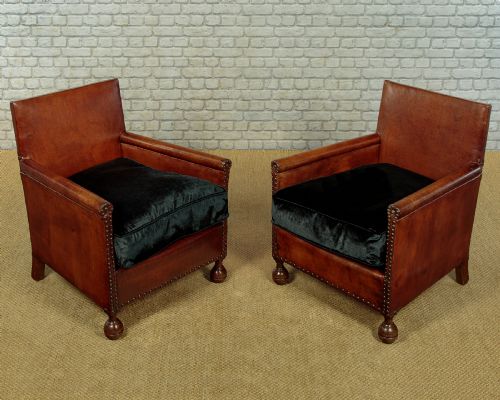
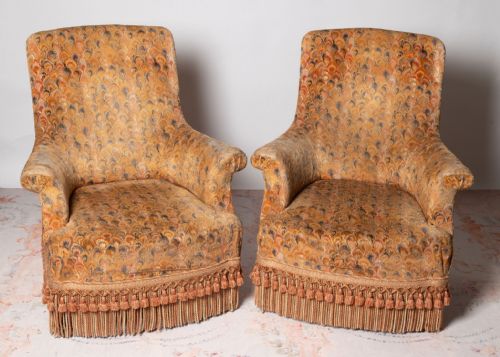
These vintage velvet club chairs bring deep texture and solid comfort to a room, drawing on periods from the nineteenth century through to the 1930s.
Vintage Velvet Club Chairs
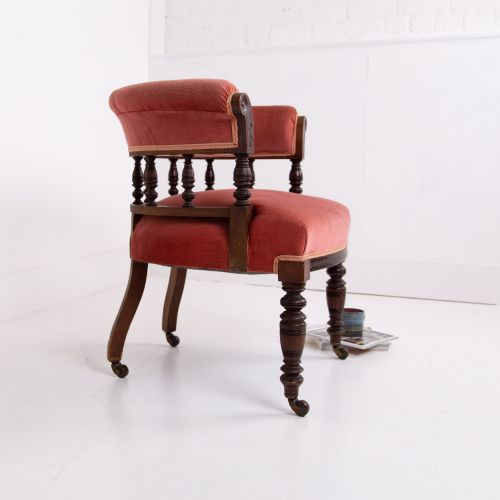
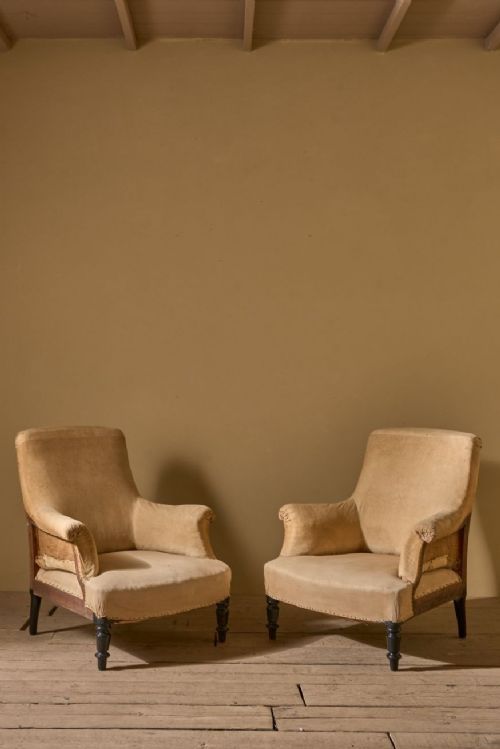
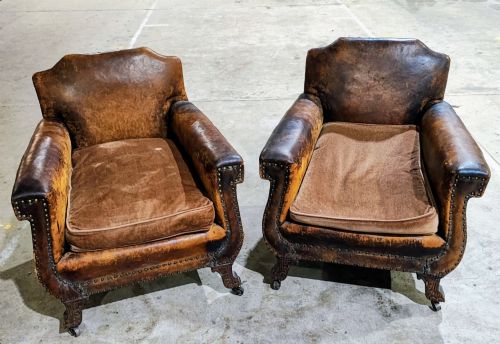
Vintage velvet club chairs encompass heavy lounge seating rooted in nineteenth-century traditions and extending into twentieth-century Art Deco and country house styles. Buyers searching for vintage velvet club chairs will encounter armchairs and lounge suites framed in hardwoods such as mahogany and walnut.
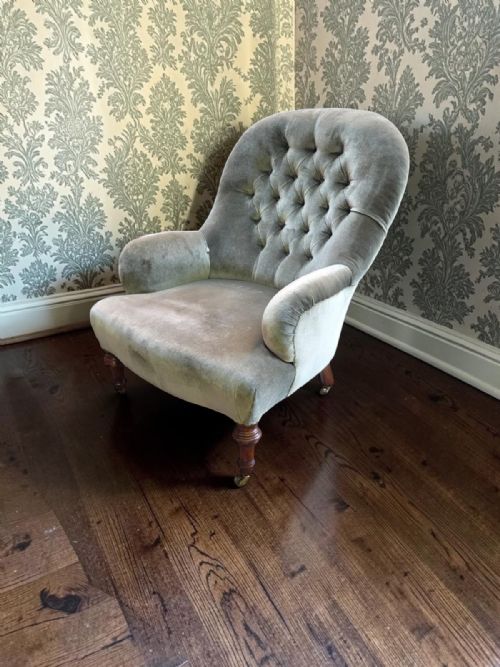
The selections span distinct historical periods, including Victorian, Edwardian, Regency, and 1930s designs. Many examples adopt classic forms like barrel backs, square backs, and buttoned curved silhouettes.
Origin points across the current selection include English, French, and Swedish workshops. Pieces range from grand high-buttoned statement seats to small library chairs and generous low lounge forms.
What varies in quality
Quality reveals itself in the integrity of the hardwood frame and the precision of the joinery beneath the fabric. Heavier, more substantial timbers and tightly constructed frames maintain their structural stability through decades of heavy use.
The refinement of the upholstery work and the depth of the timber grain separate standard examples from finer commissions. Pieces featuring specific period details like carved walnut, fitted brass, or intricate cane panels demonstrate a higher level of artisan skill.
Howard and Sons
The Vintage Velvet Club Chairs Glossary
- Bergere
- A framed upholstered armchair with enclosed cane or upholstered sides. This French style offers a lighter visual weight while maintaining solid seating support.
- Barrel back
- An armchair featuring a semicircular rounded backrest that curves continuously into the arms. This enclosed shape creates a snug and protective seating position.
- Button back
- An upholstery method where tufts are pulled deep into the padding and secured with buttons in a geometric pattern. It provides structural tension and a tailored appearance.
- Napoleon III
- A nineteenth-century French design movement known for eclectic revivals of earlier court styles. Furniture from this era often combines ornate frames with sumptuous upholstery.
- Sheraton Revival
- A late nineteenth-century style drawing inspiration from eighteenth-century neoclassical furniture designs. Pieces typically display refined proportions and elegant use of timber.
Vintage Velvet Club Chairs: Frequently Asked Questions
How do I identify a Victorian club chair?
Victorian club chairs often feature heavy wooden frames, deep buttoning, and robust proportions. Look for period specific silhouettes such as high curved backs or low upholstered lounge seats.
Examine the exposed timber and structural lines to determine if the piece aligns with nineteenth-century manufacturing methods.
What is an Edwardian barrel back chair?
Edwardian barrel back chairs are characterised by a curved, enveloping backrest that flows seamlessly into the arms. They emerged during the early twentieth century as comfortable seating for studies and drawing rooms.
These chairs usually sit on timber legs and combine supportive padding with a compact footprint.
How should I care for velvet upholstery?
Velvet requires gentle brushing to maintain the pile and prevent flattening over time. Keep these chairs away from direct sunlight to preserve the depth of the textile.
Professional cleaning is recommended for antique velvet to protect the underlying fibres and structural stuffing.
Are Art Deco club chairs different from Victorian ones?
Art Deco club chairs from the 1930s favour streamlined geometries and smooth surfaces over the elaborate buttoning and carved wood of Victorian designs. Swedish and French examples often showcase striking birch or elm veneers.
Victorian models tend to emphasise heavy buttoned upholstery and traditional hardwood frames.