
Vintage Vanity Dressing Glass
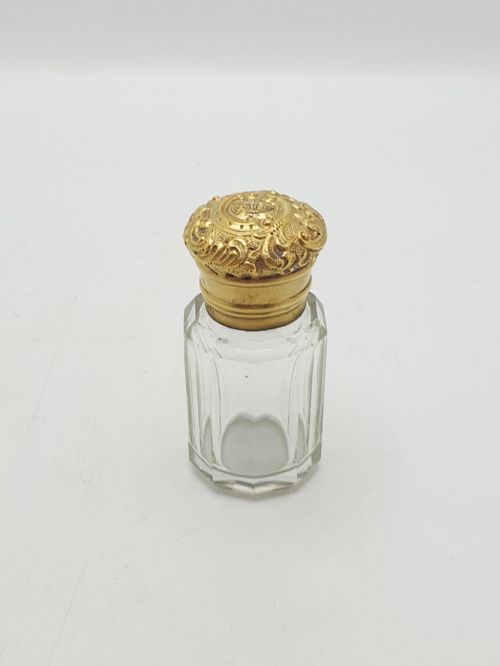
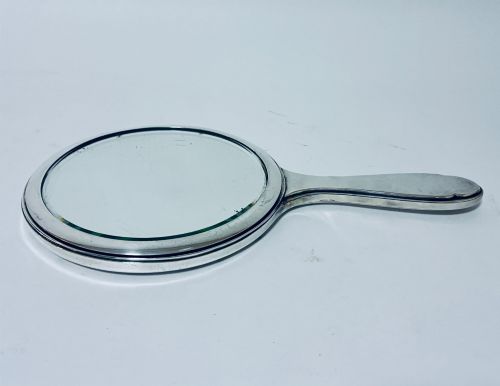
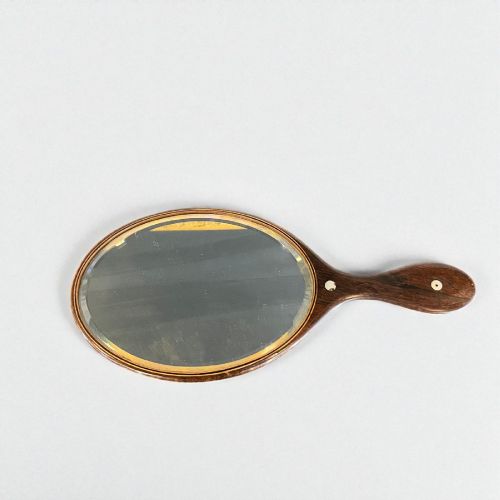
Vintage vanity dressing glass pieces bring together period mirrors, crystal scent bottles, and silver-mounted jars for the dressing table.
Vintage Vanity Dressing Glass
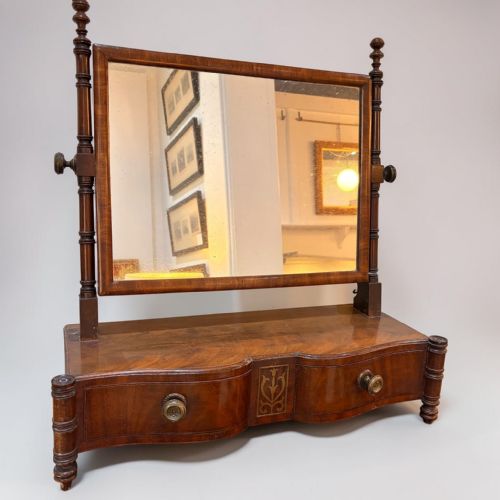
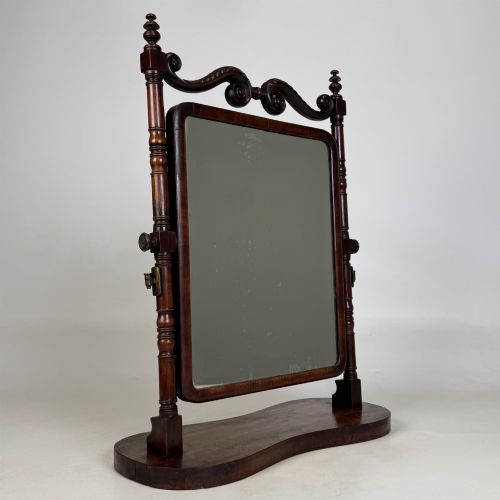
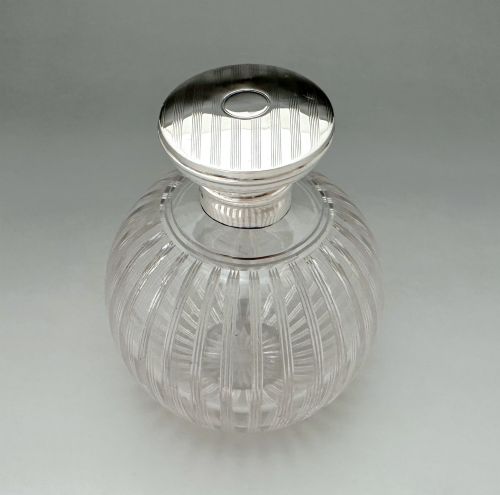
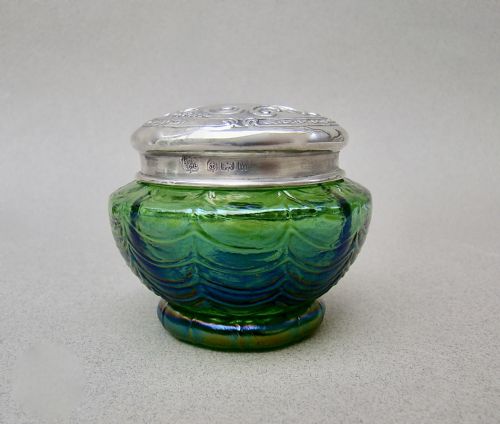
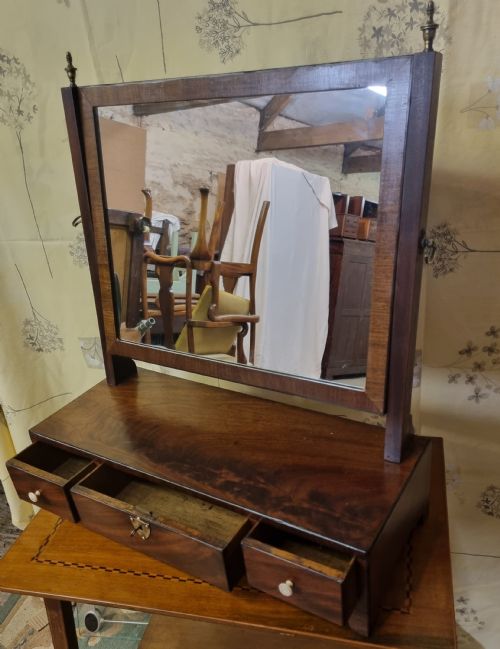
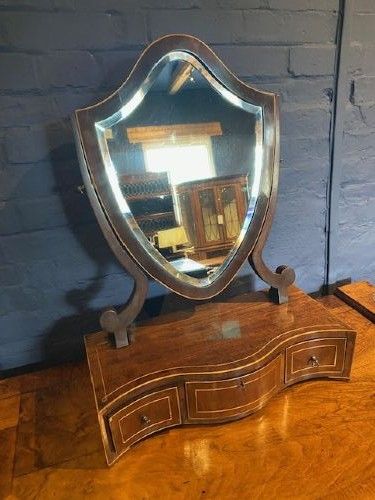
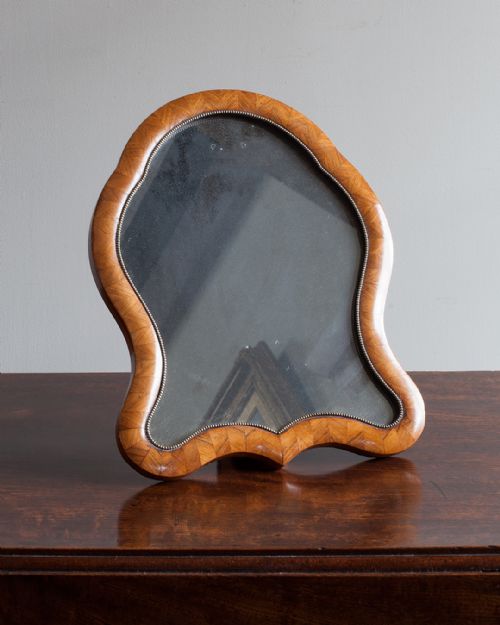
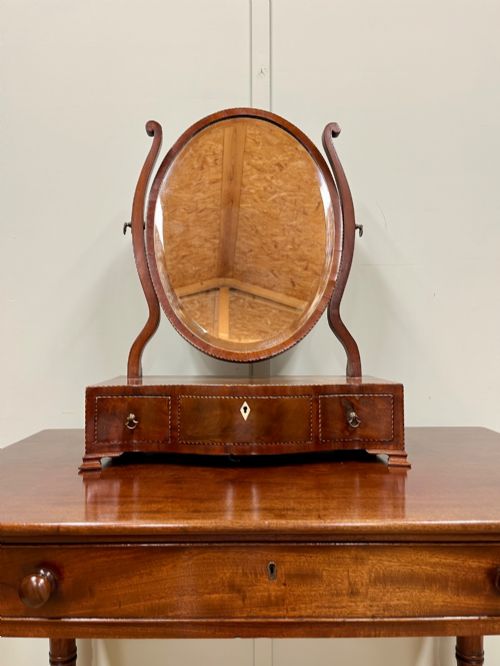
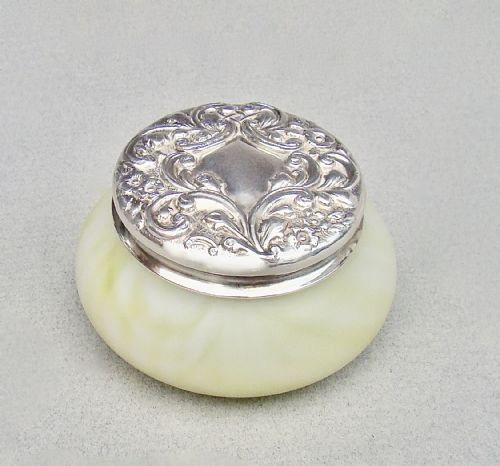
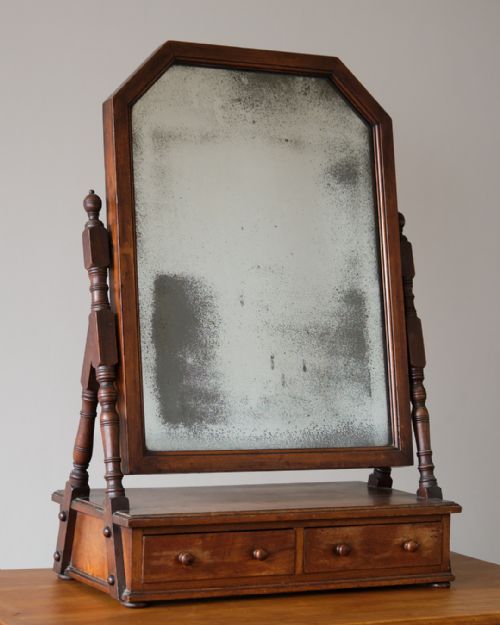
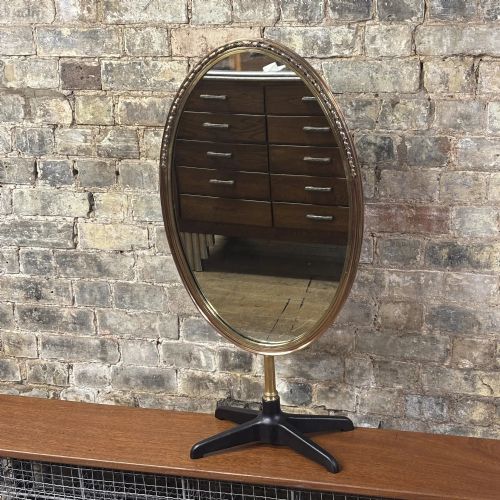
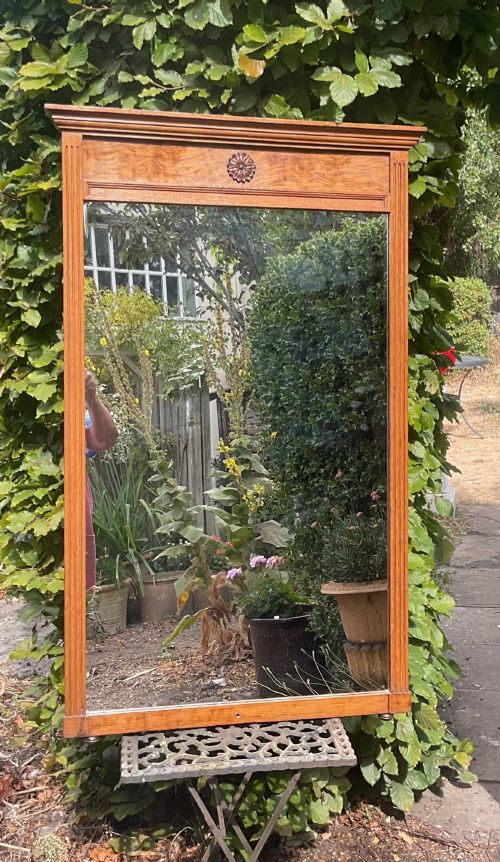
A vintage vanity dressing glass selection primarily encompasses dressing table mirrors, swing mirrors, and toilet mirrors alongside associated glass items like scent bottles, vanity jars, and trinket boxes. Buyers searching this phrase encounter swing mirrors mounted on wooden frames alongside glass containers featuring precious metal lids and collars.
The objects span multiple centuries, ranging from 18th-century walnut and Georgian mahogany toilet mirrors to 1920s and 1930s Art Deco cut glass pieces. Wooden dressing mirrors often incorporate small drawers at the base, while companion glass items include guilloche enamel jars and sterling silver overlay perfume bottles.
Origin and material combinations define the groupings, connecting English cabinet wood frames with Bohemian cranberry glass, French silver-gilt mountings, and Czech geometric cut crystal. The forms serve both decorative and functional roles on period dressing surfaces.
Materials and construction methods
Makers utilised timber such as mahogany, walnut, satinwood, and oak for mirror frames and small drawer bases, often applying crossbanding or maple veneers. Glass components rely on heavy mould-blowing, cutting, and crystal production, frequently paired with sterling silver or silver-gilt mounts secured to bottlenecks and jar rims.
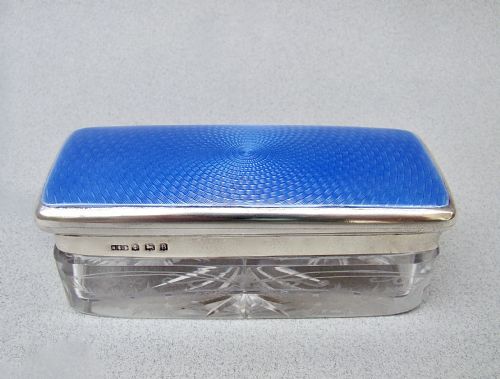
Surface ornamentation involved techniques like guilloche enamel work on silver lids, tortoise shell inserts, and sterling silver overlay applied directly to glass surfaces. Metal components commonly bear Birmingham or London hallmarks indicating assay office testing of the silver elements.
Listings feature items from the 18th century, Georgian period, Victorian era, and 1930s Art Deco movement.
Distinctions in quality and execution
Quality reveals itself in the choice of timber grain, the precision of crossbanding, and the weight of the mirror glass relative to its frame. Superior wooden examples display well-figured mahogany or walnut with stable joinery supporting the pivoting mirror plates.
For glass and metal elements, excellence shows in the crispness of the cut facets, the intact retention of enamel or silver overlay, and the correct fit of hallmarked silver lids on perfume bottles and trinket jars.
A. J. Pepper & Co·Henry Clifford Davis·A. Bromet & Co·Heal & Sons·Gorham·Rene Lalique·Harold Bushell & Co·Henry Perkins
The Vintage Vanity Dressing Glass Glossary
- Guilloche enamel
- A decorative mechanical engraving technique covered with translucent coloured enamel, frequently found on 1920s and 1930s silver jar lids.
- Swing mirror
- A mirror plate mounted on vertical pivots between two upright posts, allowing the glass angle to tilt.
- Toilet mirror
- A smaller tabletop mirror designed for a dressing chest or dressing table, popular throughout the Georgian and Victorian eras.
- Silver overlay
- Sterling silver decoration fused or applied directly onto the exterior of a glass perfume bottle or vase.
- Crossbanding
- A narrow strip of veneer laid across the grain of the primary wood panel to create a decorative border.
Vintage Vanity Dressing Glass: Frequently Asked Questions
What is a vintage dressing glass?
A vintage dressing glass refers to tabletop swing mirrors and vanity table glassware such as scent bottles and powder boxes used on historical dressing furniture.
These pieces combine functional mirror plates and glass vessels with decorative mounts in silver, enamel, and various woods.
How do I date a wooden dressing mirror?
Dating relies on timber choices, cabinet-making techniques, and the style of the supporting frame legs and drawers.
Georgian and 18th-century examples often use solid mahogany or walnut with fine dovetails, while Edwardian and 1930s pieces feature oak, satinwood, or distinct Art Deco veneers.
Are vanity glass lids marked with silver hallmarks?
Many dressing table jars and scent bottles feature sterling silver lids stamped with town marks, maker's initials, and date letters.
These assay stamps help identify the exact year of manufacture and the silversmith workshop responsible for the metal mount.
How should I clean silver-mounted glass perfume bottles?
Care requires using a soft cloth on the glass while keeping polishes away from delicate enamel surfaces and vintage glass bodies.
Avoid submerging pieces with glued or cemented silver collars into water to protect the internal adhesives.