



Vintage Upholstery Frame
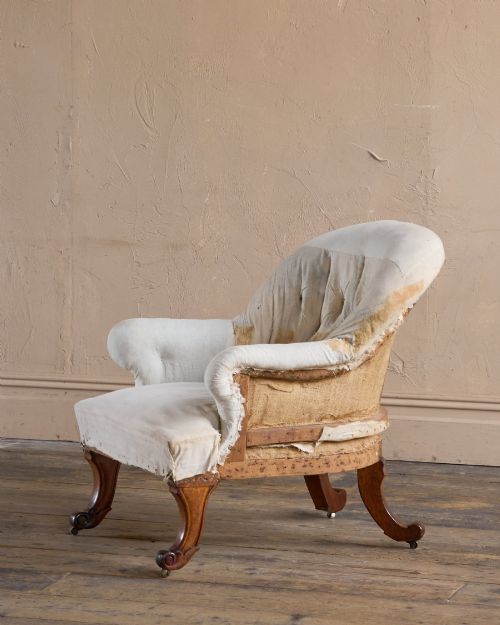
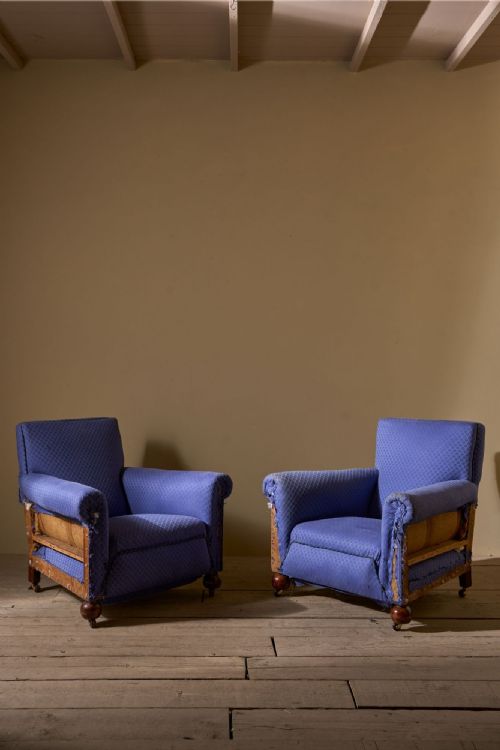
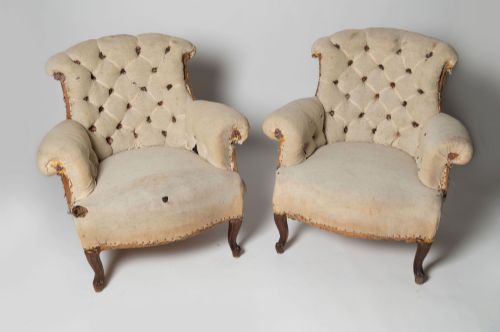
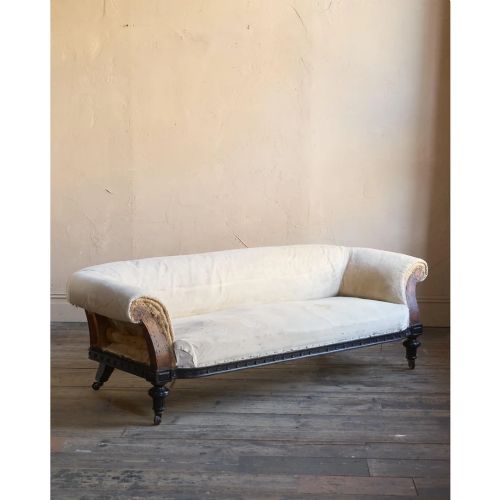
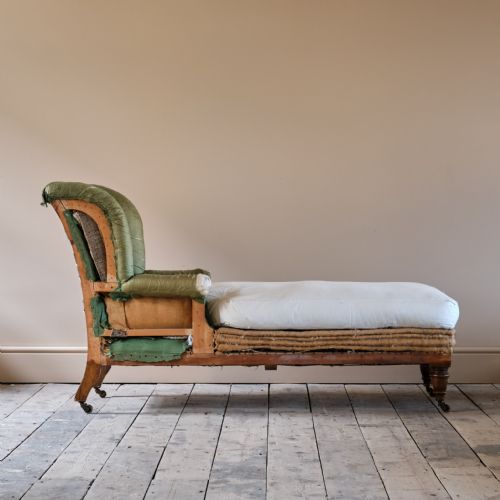
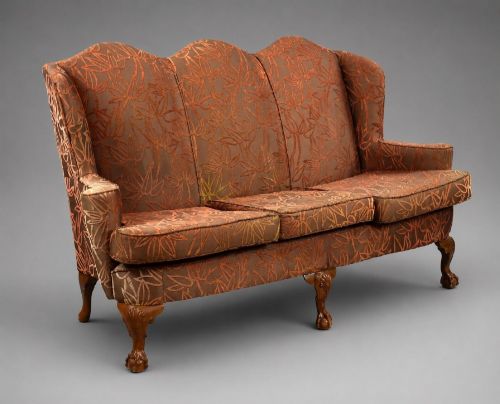
A vintage upholstery frame reveals the pure skeleton of historical seating, inviting you to finish the piece in your own choice of textile.
Vintage Upholstery Frame
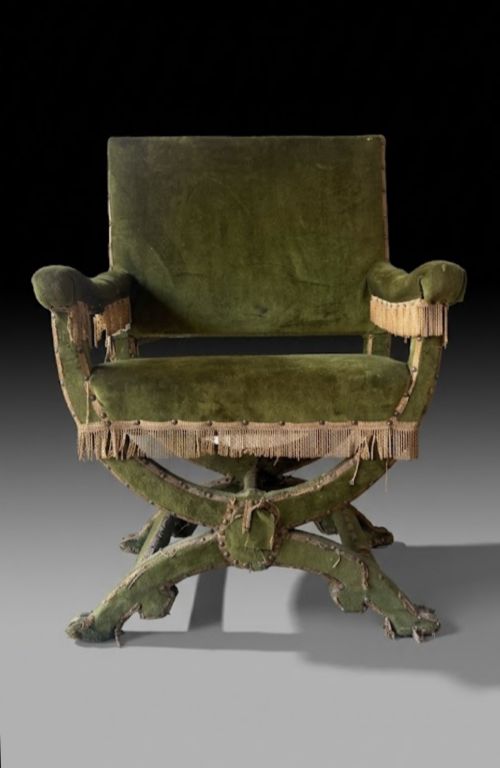
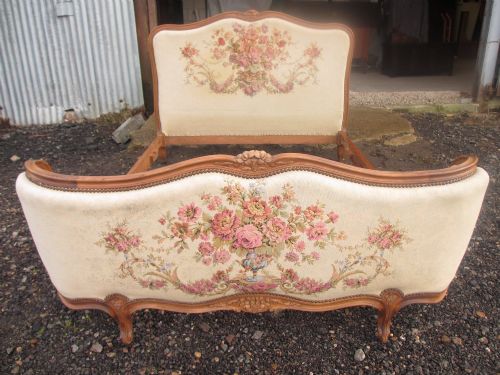
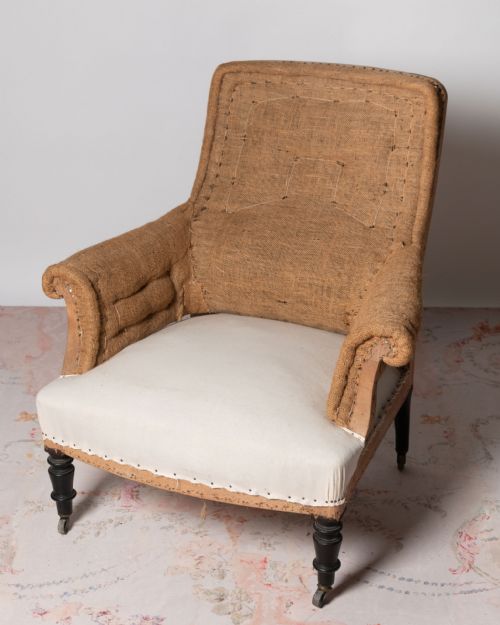
A vintage upholstery frame provides the naked structural wooden carcass of seating such as armchairs, sofas, daybeds, and stools, stripped down or preserved ready for new fabric and webbing. When you search for a vintage upholstery frame, you encounter the foundational bones of historical seating originating from periods including the eighteenth century, Regency era, and Victorian times.
The pieces listed on this page span diverse forms ranging from large three-seat sofas and country house settees to salon chairs, wing armchairs, and ottomans. You will frequently find frames built from woods such as mahogany, walnut, and simulated rosewood, sometimes accompanied by remnants of hessian, calico, or brass tacks.
Stylistic influences across the selection include Georgian, Queen Anne, Victorian, Edwardian, Art Deco, and French Napoleon III designs. Certain pieces retain their original stuffing and inner foundations, whilst others stand completely bare to expose the joinery and timber.
How they were made
Makers constructed these frames using sturdy hardwoods like mahogany and walnut, employing traditional joinery techniques to ensure structural longevity under layers of padding and springs. Carcasses often incorporated exposed wooden elements on arms, legs, and crest rails, shaped through hand-carving or turning.
Internal support relied on stretched hessian webbing and hand-tied springs, covered with calico inner linings before the decorative outer textile was applied. Brass tacks frequently secured these layers directly into the wood, leaving characteristic rows of tiny fixings even when the fabric was later removed.
Vintage Upholstery Frame Retail Price Guide 2026
Typical asking prices for vintage upholstery frame among the pieces listed under this phrase on Sellingantiques today, from the lower quarter to the upper quarter. They describe what is for sale here now, not the wider market.
Some antique daybeds and chairs still whisper of past drawing rooms through stray horsehair stuffing tucked deep inside the wooden joints.
What varies in quality
The integrity of the underlying timber carcass establishes the baseline quality, with dense hardwoods and tight, original joinery outlasting softer woods or weakened joints. Frames that retain crisp carving on the show-wood portions demonstrate superior craftsmanship compared to simpler, utilitarian structures.
Proportion and balance dictate the aesthetic success of the piece, as master makers designed curves and rake angles that support the human body comfortably. The survival of maker stamps or paper labels also elevates a frame, confirming its workshop origin.
Howard And Sons·Hampton & Sons
The Vintage Upholstery Frame Glossary
- Carcass
- The foundational wooden structural framework of a piece of seating before upholstery and springs are added. This skeleton determines the overall shape and proportions of the chair or sofa.
- Hessian
- A coarse woven fabric typically made from jute fibres, utilised as a strong base layer to support internal stuffing and springs. It provides the tensile strength needed beneath the padding.
- Calico
- A plain-woven cotton fabric used historically as an inner lining layer stretched tightly over the stuffing before the final decorative textile is applied. It creates a smooth, firm sub-surface.
- Gros-point
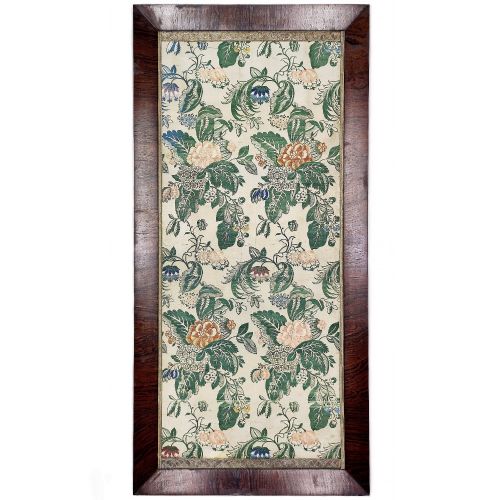
- A type of counted-thread embroidery or needlework executed on a coarse canvas mesh, frequently seen on historical seat tops and upholstery panels. It offers a durable and textured surface.
- Show-wood
- The exposed polished or painted wooden portions of a chair or sofa frame that remain visible outside the upholstered areas. Carved arms and legs often constitute the show-wood.
Vintage Upholstery Frame: Frequently Asked Questions
What is a vintage upholstery frame?
A vintage upholstery frame is the exposed wooden skeleton of historical seating, stripped of its outer fabric to reveal the underlying woodwork and structural joinery.
These pieces allow restorers and interior designers to apply bespoke textiles and modern or traditional stuffing tailored to contemporary interiors.
How do I choose the right frame?
Consider the scale of the room and the intended silhouette, choosing between high-backed wing chairs, low salon seats, or spacious multi-seater sofas.
Examine the proportions of the exposed wood and ensure the wooden structure matches the architectural style you wish to achieve.
Can I leave the wood bare?
Many buyers choose to preserve the exposed wooden elements, often referred to as show-wood, by cleaning and waxing the timber without adding new upholstery.
Leaving a frame partially or fully un-upholstered highlights the craftsmanship of the historical joinery and creates a minimalist sculptural object.
How do I identify the period?
Dating relies on stylistic markers such as cabriole legs for Queen Anne styles, barley twist turnings for Victorian pieces, or geometric lines for Art Deco frames.
The choice of timber, such as walnut in earlier pieces or mahogany in Regency items, also offers strong clues to the era of manufacture.