

Vintage Upholstered Tub Chairs
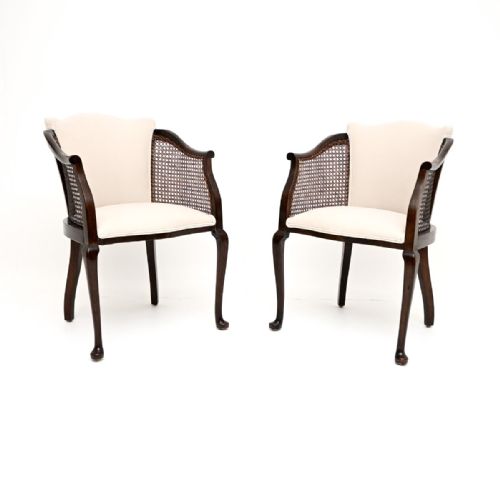
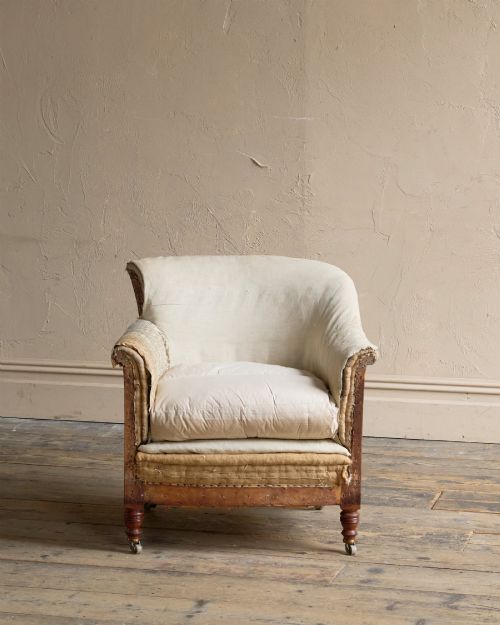
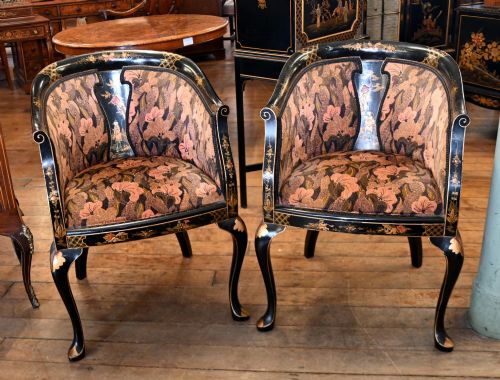
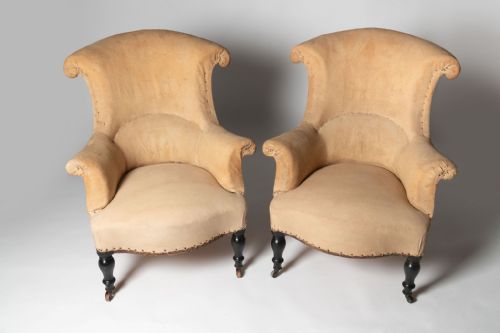
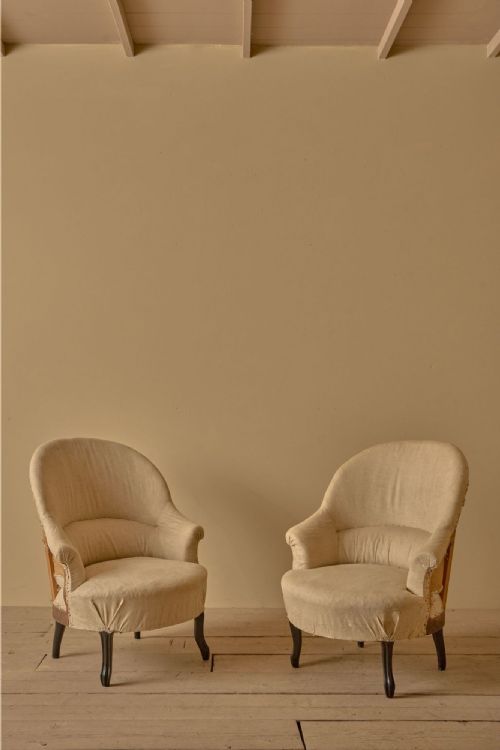
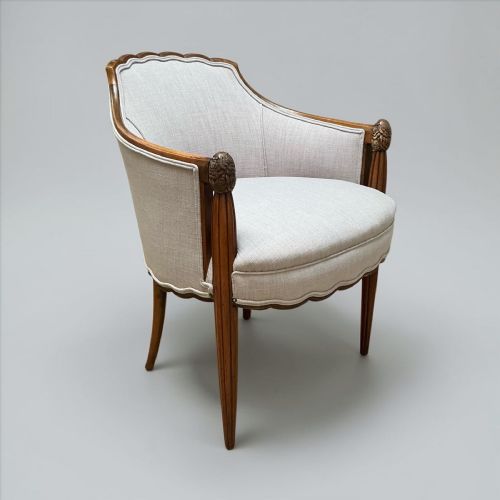
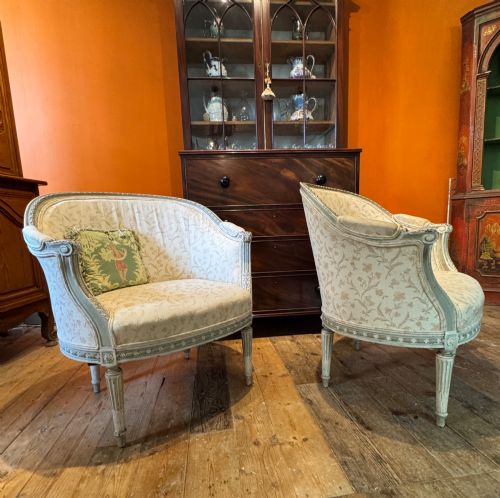
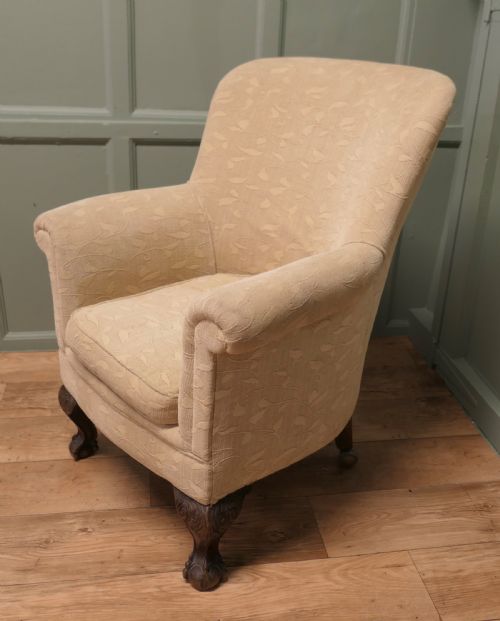
These vintage upholstered tub chairs bring curved comfort and compact seating to a room, ranging from mahogany frames to fabric finishes.
Vintage Upholstered Tub Chairs
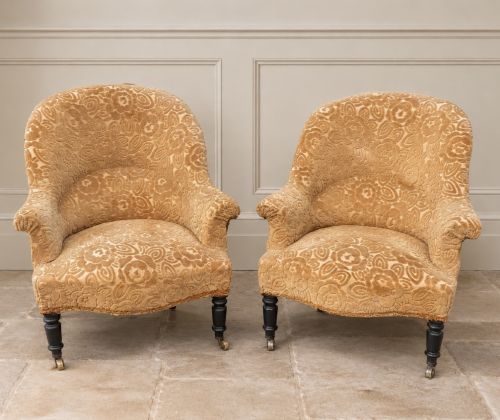
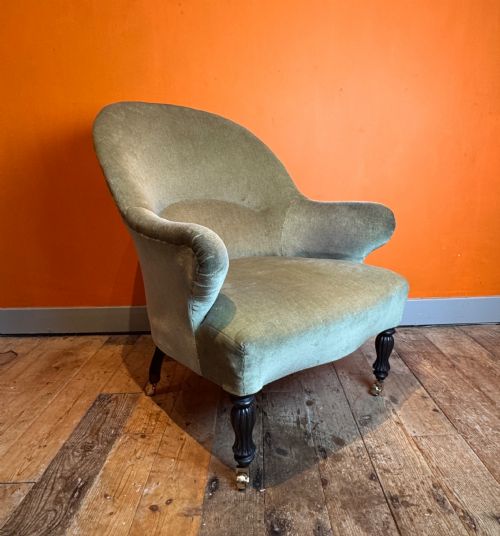
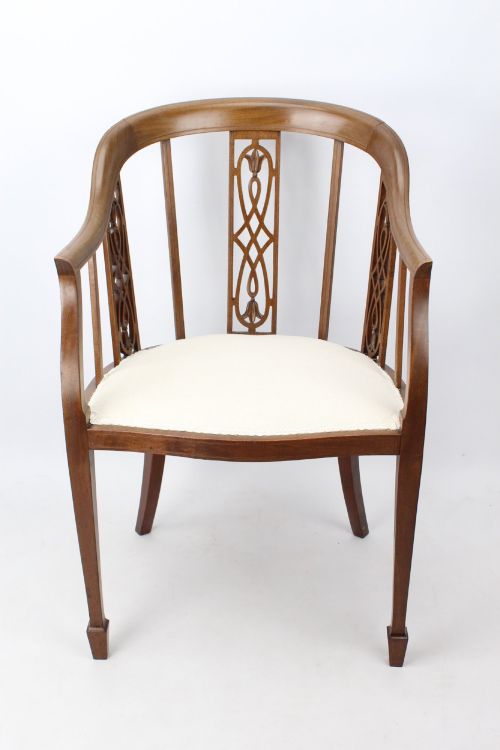
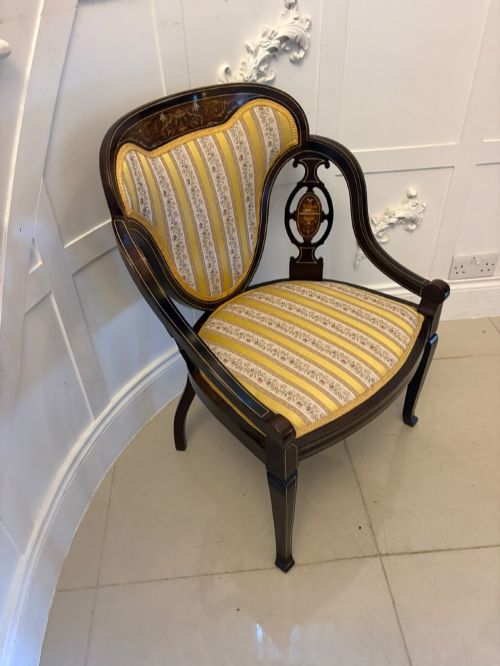
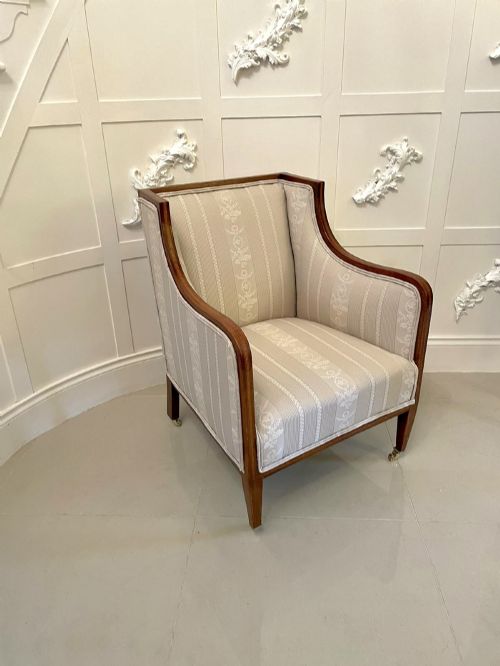
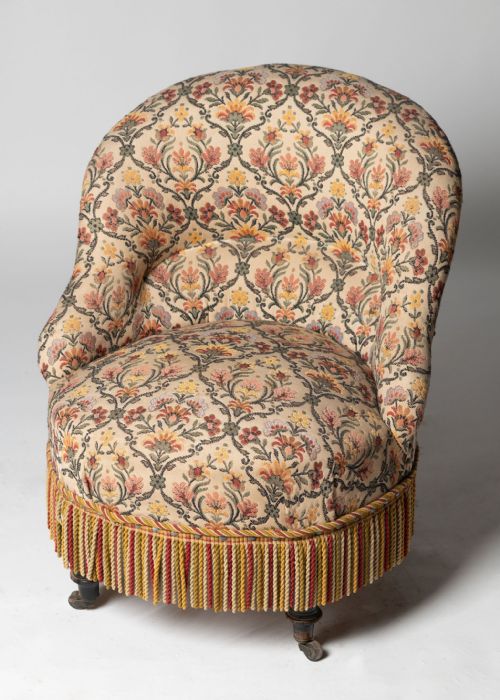
Vintage upholstered tub chairs combine a rounded, enclosed back with soft seating, designed to wrap around the sitter for comfort and support. When searching for vintage upholstered tub chairs, you encounter pieces spanning the nineteenth century, the Edwardian era, and the Art Deco period.
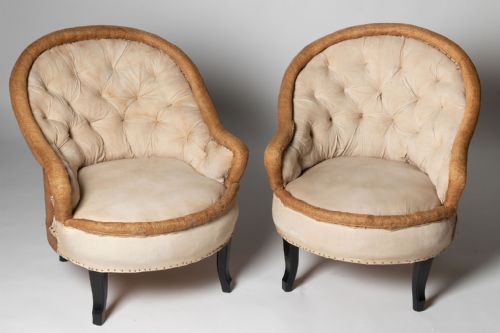
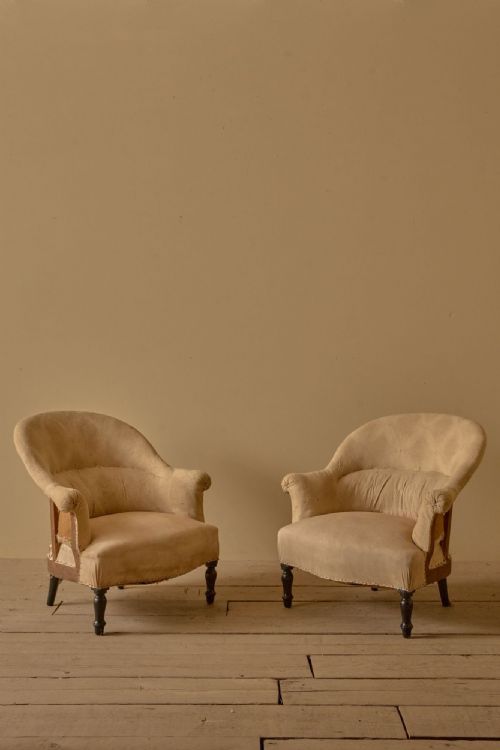
The selection ranges from library armchairs and occasional seating to pairs of French painted models and barrel back designs. Mahogany and hardwood frames frequently support these seats, accompanied by diverse upholstery fabrics and velvet.
Victorian and Edwardian examples sit alongside French styles and nineteen-thirties pieces, offering both intimate proportions and sturdy corner constructions.
Materials and construction
Frames rely upon traditional timbers including mahogany, walnut, rosewood, and oak, sometimes inlaid with satinwood or finished with original paint. Structural integrity depends on sturdy joinery within the curved back and arm supports.
Upholstery techniques involve traditional fabric coverings, hessian, and velvet, applied over sprung or padded seats. Brass accents and gilt bronze mounts occasionally complete the decorative framework of nineteenth-century and continental pieces.
Vintage Upholstered Tub Chairs Retail Price Guide 2026
Typical asking prices for vintage upholstered tub chairs among the pieces listed under this phrase on Sellingantiques today, from the lower quarter to the upper quarter. They describe what is for sale here now, not the wider market.
Periods represented include Victorian, Edwardian, Regency, and Art Deco.
Assessing quality
Quality rests upon the proportion and line of the curved timber frame, where fluid shaping of the enclosed back distinguishes finer examples from simpler seating. The execution of inlaid details, carved woodwork, and original painted finishes also elevates a piece.
The integration of the upholstery with the wooden structure determines durability, while the weight and choice of primary timbers, such as solid mahogany or rosewood over lesser hardwoods, signal superior craftsmanship.
Harrods London·Miles and Edwards·Anton Rosen
The Vintage Upholstered Tub Chairs Glossary
- Tub chair
- An armchair featuring a continuous curved back and arms that form a single low, enclosed seating shell. This design offers a supportive, cocoon-like posture.
- Barrel back
- A seating form characterised by a fully rounded, stave-like upper backrest resembling the shape of a wooden cask. It provides enveloping support around the sides of the sitter.
- Bergere
- A French style of upholstered armchair with an enclosed wooden frame and exposed woodwork. The arms and back often incorporate cane panels or tight upholstery.
- Occasional chair
- A light, movable seat designed for intermittent use in various rooms rather than as primary lounge furniture. These pieces frequently feature decorative woodwork and refined upholstery.
- Library armchair
- A sturdy, comfortable seat traditionally suited for reading rooms and studies. These chairs often utilise heavy timbers like mahogany and leather or rich fabric upholstery.
Vintage Upholstered Tub Chairs: Frequently Asked Questions
Where were tub chairs used?
These seats traditionally served in studies, libraries, and drawing rooms as compact reading or parlour chairs.
Their modest footprint allows them to fit easily into corners or smaller seating arrangements.
How do I date a tub chair?
Dating relies on timber choices, such as mahogany or satinwood, alongside stylistic clues from Victorian, Edwardian, and Art Deco periods.
Hand-carved details and original upholstery methods also help indicate the era of manufacture.
How should I care for vintage upholstery?
Keep these chairs away from direct sunlight and excessive heat to protect delicate fabrics and antique timber frames.
Regular gentle vacuuming and professional cleaning help preserve the textile surfaces over time.