
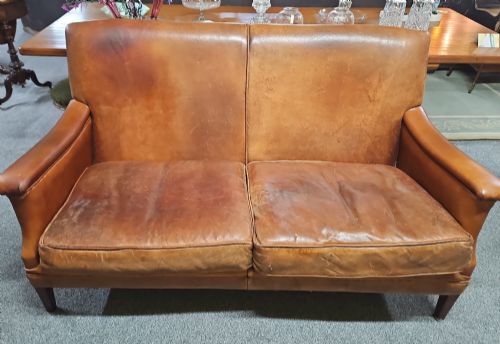
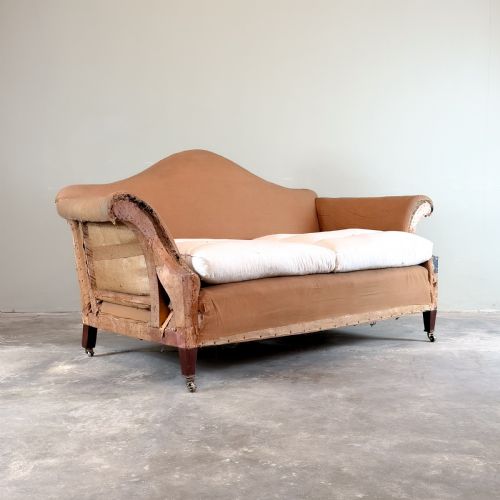
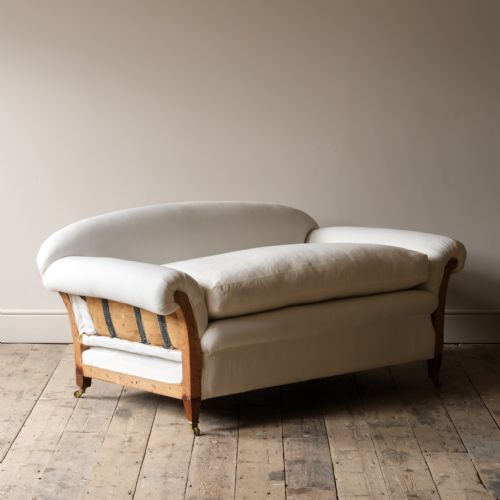
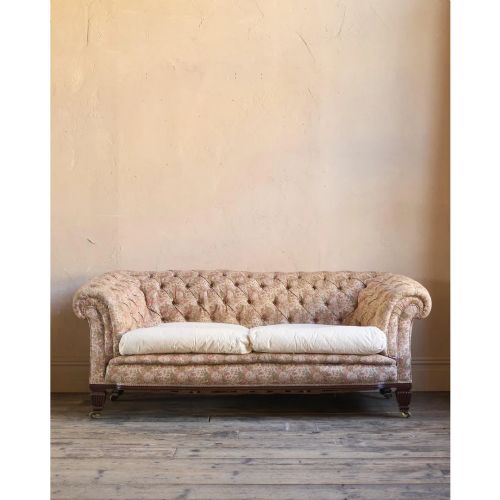



Vintage Two Seat Settee
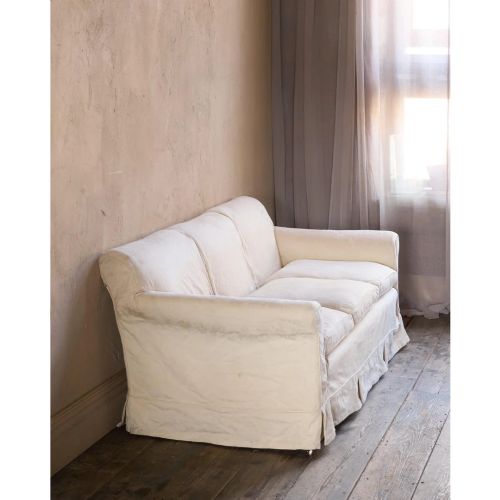
A vintage two seat settee brings compact seating and distinct period character into a room, spanning Edwardian craftsmanship to French revival elegance.
Vintage Two Seat Settee
A vintage two seat settee represents a compact seating form designed for intimate spaces, drawing on a rich vocabulary of historical revivals. Buyers seeking this phrase encounter pieces ranging from formal giltwood frames to relaxed English country house designs.
The selection here draws heavily from the Edwardian era and the nineteenth century, alongside later twentieth-century iterations. Frames accommodate two occupants comfortably while maintaining a smaller scale than standard three-seat couches.
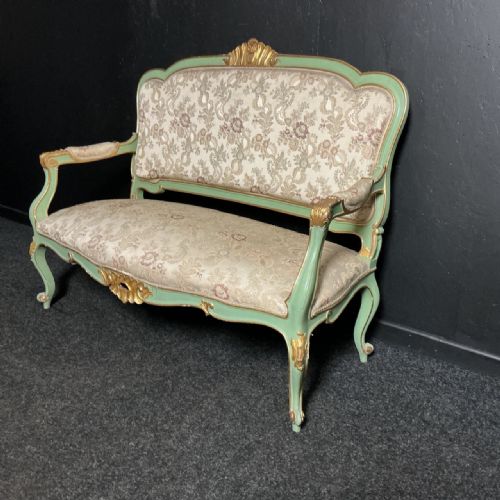
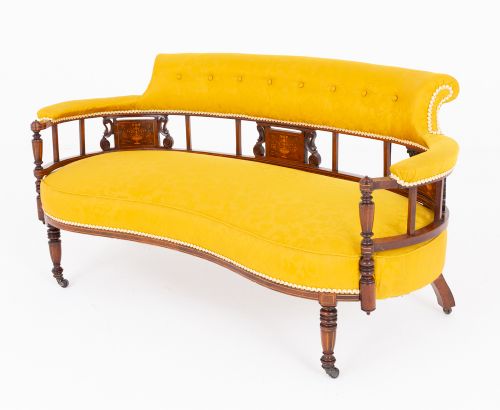
Makers and designers utilised diverse aesthetics, incorporating French chateau styling, Queen Anne walnut interpretations, and inlaid mahogany. These forms function equally well in drawing rooms, libraries, and bedroom settings.
How they were made
Construction relies upon traditional timbers such as mahogany, walnut, rosewood, and general hardwoods, frequently enhanced by delicate satinwood inlay or painted finishes. Giltwood and carved wood show the ornamental ambitions of French-inspired pieces from the nineteenth century.
Upholstery methods involve traditional fabric, velvet, and leather coverings, sometimes paired with exposed show-frames or canework panels. Caned seating and open arm structures reflect specialist woodworking techniques from the early twentieth century and earlier.
The listings span multiple decades, incorporating Edwardian mahogany items, nineteenth-century French giltwood frames, and early twentieth-century bentwood forms.
What varies in quality
Quality reveals itself in the crispness of wood carving, the subtlety of mahogany inlay, and the structural integrity of the timber frame. Superior examples demonstrate confident proportions and harmonious detailing rather than purely decorative additions.
The refinement of the upholstery work and the selection of secondary woods dictate the overall grade of the settee. Pieces retaining original gilt surfaces or integrated canework command attention through authentic material preservation.
Howard And Sons·Thonet
The Vintage Two Seat Settee Glossary
- Settee
- A medium-length upholstered seat with a back and arms, designed to accommodate more than one person. It serves as a traditional alternative to a standard sofa.
- Corbeille
- A French term describing a basket-shaped or rounded-back seat wrapping closely around the sitter. This profile appears frequently on nineteenth-century French salon pieces.
- Inlay
- A decorative technique where contrasting woods like satinwood are inserted into recesses within a primary timber surface such as mahogany. It defines much of the Edwardian cabinetwork.
- Canework
- Woven rattan or cane panels utilised for seat bases or backrests. It provides a lightweight, textured panel within wooden frames.
- Show-frame
- A wooden structural frame left partially or fully visible around the upholstered portions of a seat. It highlights the timber quality and carving of the maker.
Vintage Two Seat Settee: Frequently Asked Questions
Where should I place a vintage two seat settee?
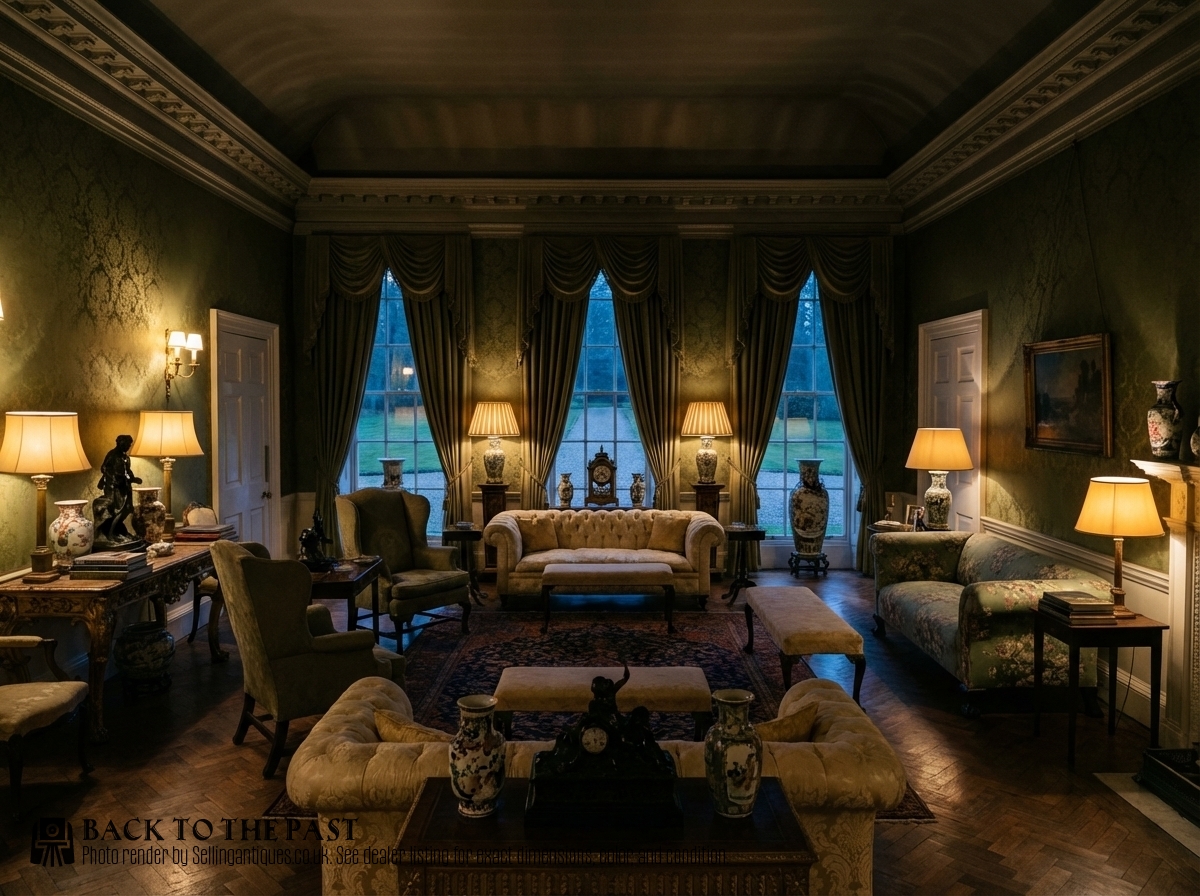
These compact seats fit comfortably in smaller reception rooms, grand bedrooms, or quiet reading corners where a full-sized couch overwhelms the floor plan.
Their restrained scale also suits hallways and window placements, offering convenient seating without blocking natural light or movement.
How do I distinguish Edwardian settees from Victorian ones?
Edwardian examples tend to display lighter mahogany frames with delicate satinwood inlay and refined proportions, reflecting a turn-of-the-century preference for elegance.
Victorian pieces often utilise heavier walnut or rosewood timbers, featuring deeper button-backed upholstery and more substantial, elaborate carving.
What is a French style settee?
French style settees draw inspiration from Louis XV and Louis XVI designs, showcasing giltwood finishes, fluted legs, and curved structural lines.
These pieces emphasise decorative flair, often functioning as salon focal points rather than casual everyday lounging furniture.
Can I mix these settees with modern decor?
The contrasting woods and traditional upholstery of these seats add texture and historical depth to contemporary minimalist interiors.
Pairing a period frame with neutral modern surroundings allows the craftsmanship and silhouette to stand out clearly.