



Vintage Two Piece Bookcase
A vintage two piece bookcase solves storage dilemmas with separate upper and lower sections that make moving easier.
Vintage Two Piece Bookcase
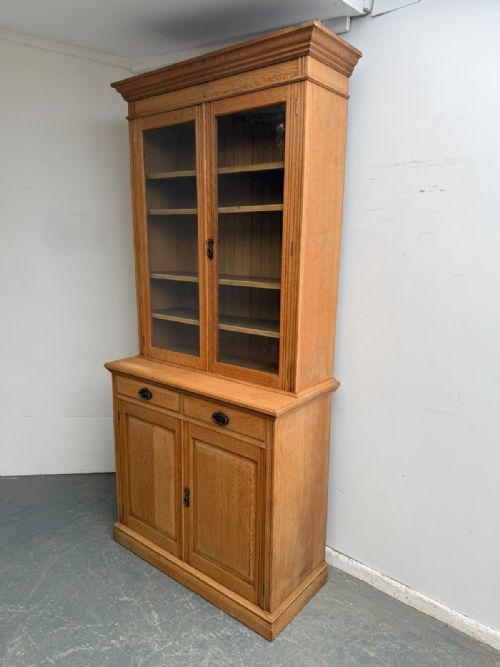
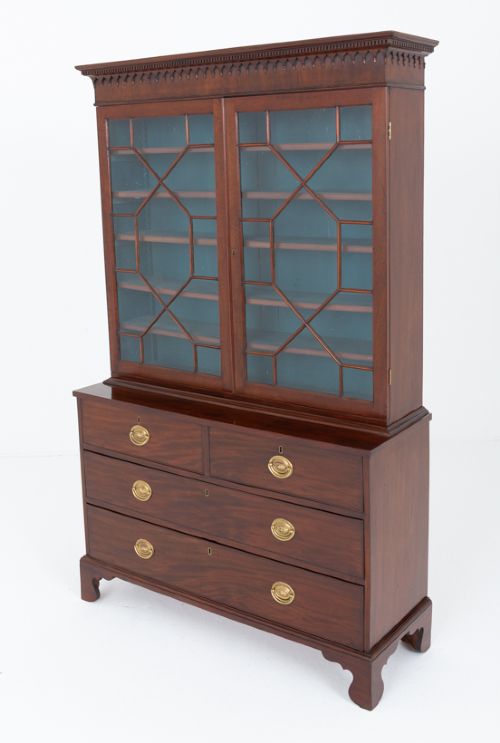
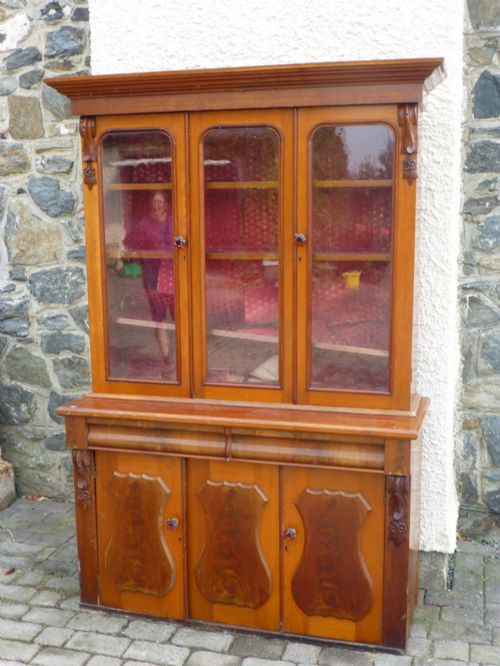
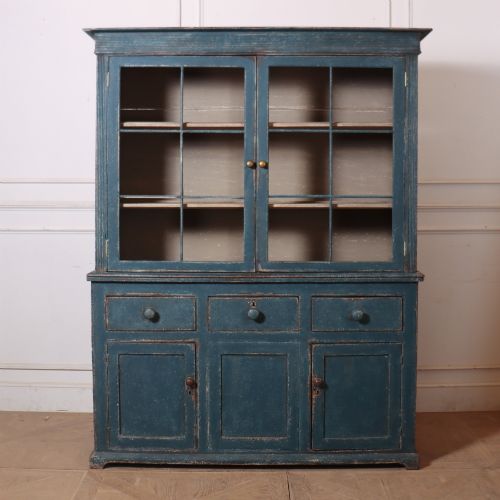
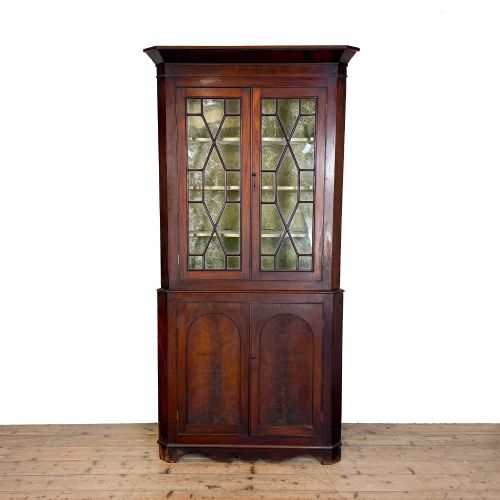
A vintage two piece bookcase brings together separate upper and lower sections, offering substantial storage for books and display items. When searching for a vintage two piece bookcase, buyers encounter pieces spanning the eighteenth, nineteenth, and twentieth centuries, including Georgian, Victorian, and Edwardian examples. These items appear in forms such as glazed cabinets, corner cupboards, and kitchen dressers.
How they were made
Cabinet makers constructed these large storage items using timber such as mahogany, oak, pine, and satinwood, often pairing them with brass hardware. The upper glazed doors require precise joinery to hold individual glass panes securely while supporting heavy rows of books.
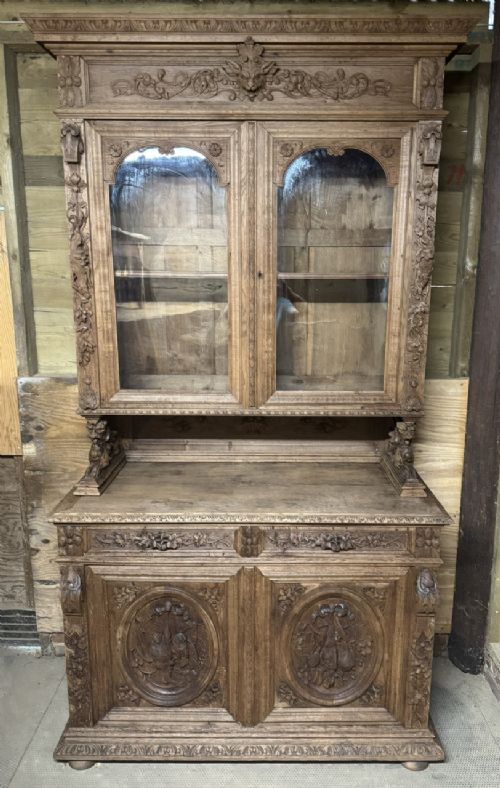
Carved details and inlaid veneers appear on more formal styles like Edwardian Sheraton Revival pieces and French hunting cabinets. Plain timber surfaces receive simple painted finishes or natural wax treatments on vernacular items like West Country and Cornish dressers.
Vintage Two Piece Bookcase Retail Price Guide 2026
Typical asking prices for vintage two piece bookcase among the pieces listed under this phrase on Sellingantiques today, from the lower quarter to the upper quarter. They describe what is for sale here now, not the wider market.
Some French hunting cabinets secretly double as a place to store your most ferocious porcelain ducks.
What varies in quality
The choice of primary timber and secondary wood sets the baseline for a piece, with figured mahogany and quarter-sawn oak representing finer construction. Cabinet makers demonstrated their skill through tight dovetail joints in the drawers and well-fitted doors that hang true within their frames.
Decorative elements distinguish standard utility furniture from high-status items. Subtle satinwood stringing, hand-carved motifs, and original brass handles elevate the visual appeal of a vintage two piece bookcase.
The Vintage Two Piece Bookcase Glossary
- Bureau bookcase
- A combination of a sloping desk workspace and shelving above. The fall-front reveals small drawers and pigeonholes for writing materials.
- Corner cupboard
- A triangular storage unit designed to fit neatly into a room angle. These pieces make efficient use of otherwise neglected spaces.
- Glazed door
- A frame fitted with glass panes to protect books or china from dust while allowing visibility. Early examples use smaller individual panes held together by glazing bars.
- Stringing
- A narrow inlay of contrasting wood used to outline drawer fronts and panels. This technique adds delicate linear detail to cabinet surfaces.
Vintage Two Piece Bookcase: Frequently Asked Questions
Why do these bookcases separate?
These pieces separate into two distinct sections to make transport and installation manageable. The horizontal split allows owners to move heavy furniture through doorways and up staircases.
Once positioned in a room, the upper glazed cabinet simply rests upon the lower base or chest. This modular design reflects historical practicality when moving large furniture between properties.
How do I style a two piece bookcase?
Balance the display by mixing vertical books with horizontal stacks and decorative objects on the open shelves. Keep heavier items in the lower enclosed cupboards to maintain visual stability.
Allow some negative space between objects so the timber backboards or painted interiors remain visible. This approach prevents the shelving from looking overcrowded and highlights the craftsmanship of the cabinet.
What is the difference between a dresser and a bookcase?
A bookcase traditionally focuses on book storage behind glass doors, whilst a dresser originates from a kitchen or dining room setting for tableware. Kitchen dressers often combine open plate racks or enclosed cabinets with counter space and lower drawers.
Many antique examples blur these distinctions because makers adapted forms to suit domestic needs. Both share the characteristic two-piece construction that separates top and bottom.
How do I date a two piece bookcase?
Examine the timber species, construction methods, and stylistic details to determine the era of manufacture. Eighteenth-century pieces often feature solid mahogany or oak with hand-cut dovetails, whilst Edwardian examples may display lighter satinwood inlays and machine-sawn elements.
Hardware styles and the thickness of glass panes provide further clues to age. Comparing the overall proportions against known period designs helps confirm authenticity.