

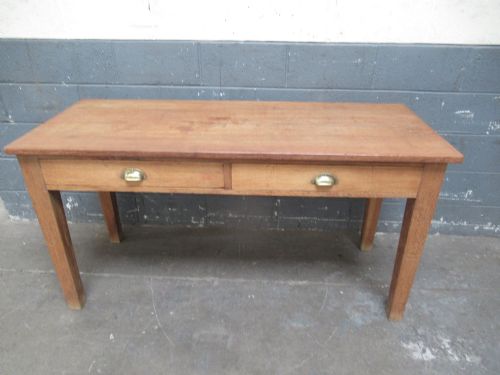
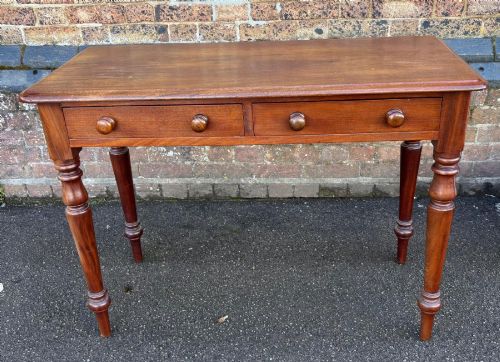
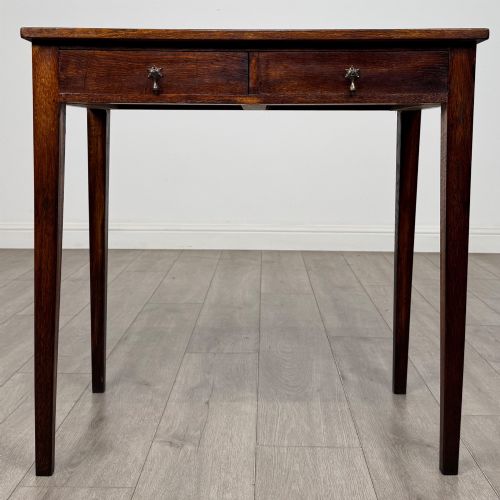
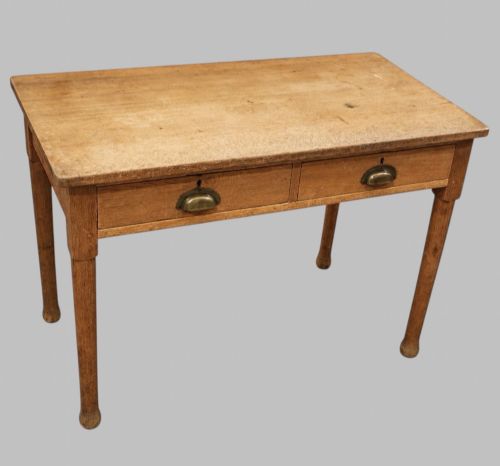
Vintage Two Drawer Desk
A vintage two drawer desk offers practical workspace paired with period character, anchored by timber and traditional craftsmanship.
Vintage Two Drawer Desk
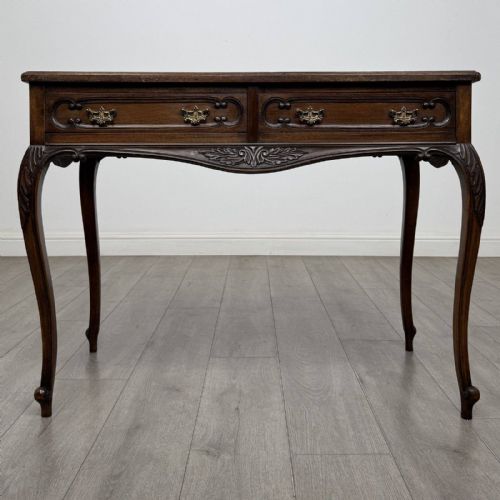
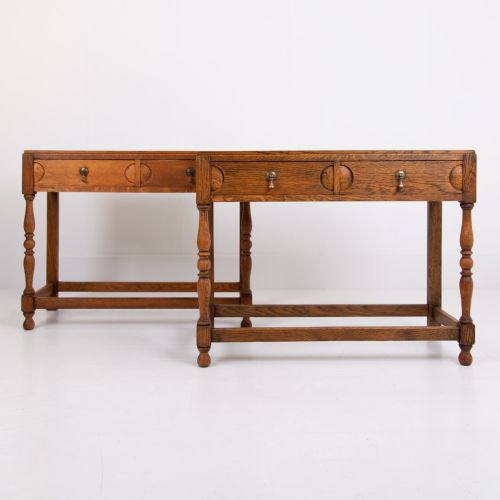
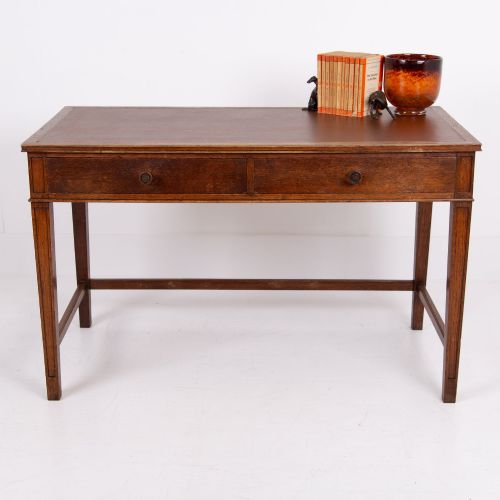
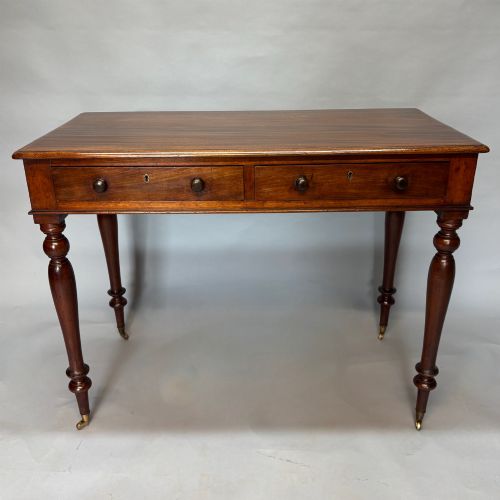
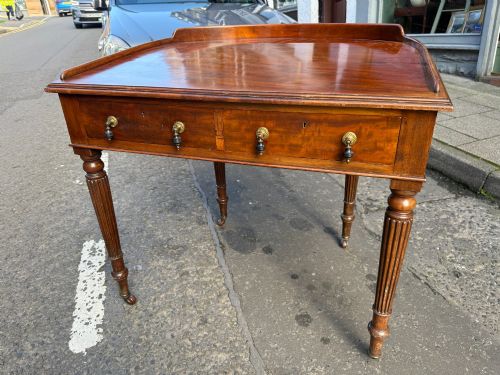
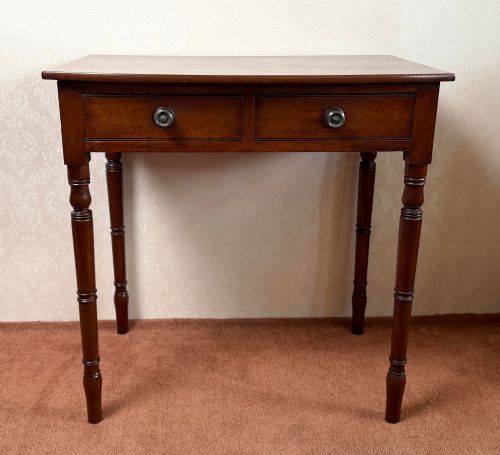
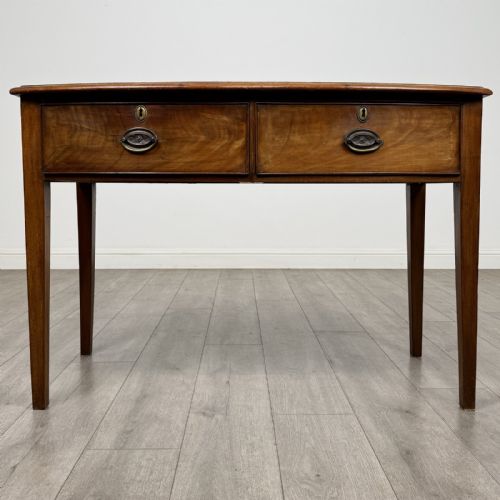
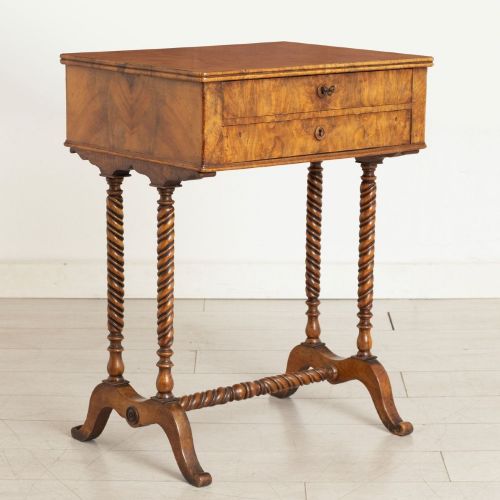
A vintage two drawer desk brings together writing tables, side tables, and work tables equipped with a pair of storage drawers beneath the surface. You will encounter these pieces most frequently in Victorian, Edwardian, and 1920s iterations, reflecting a broad span of domestic and office utility.
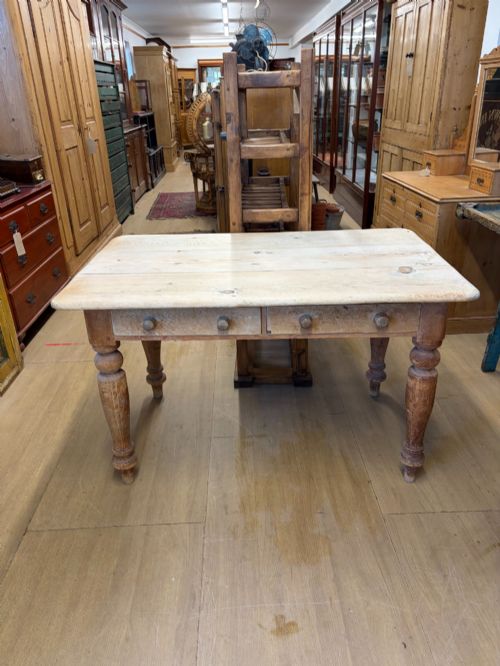
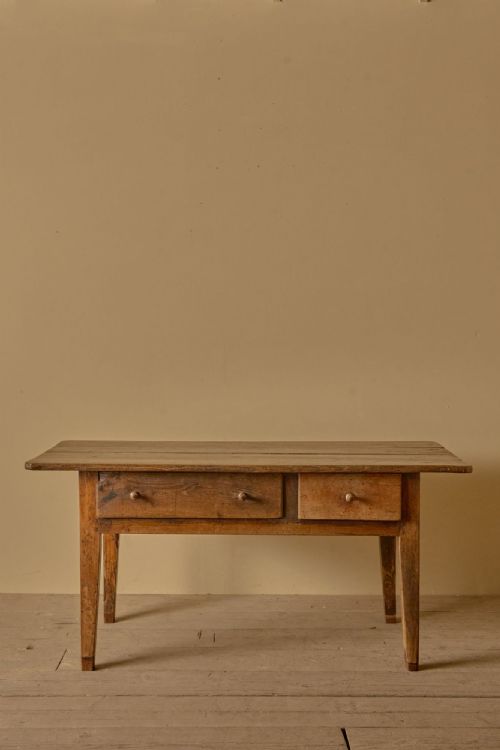
Makers shaped these items across diverse stylistic revivals, incorporating Georgian styling, Queen Anne Revival, and Jacobean Revival alongside simpler country forms. The selection ranges from compact writing tables with raised galleries to robust oak kitchen tables and campaign chests.
Origins stretch from English workshops to Scottish cabinet makers and Anglo-Indian production, demonstrating how regional preferences shaped standard forms. These tables served various functions, moving fluidly between home offices, studies, and hallways.
Materials and construction
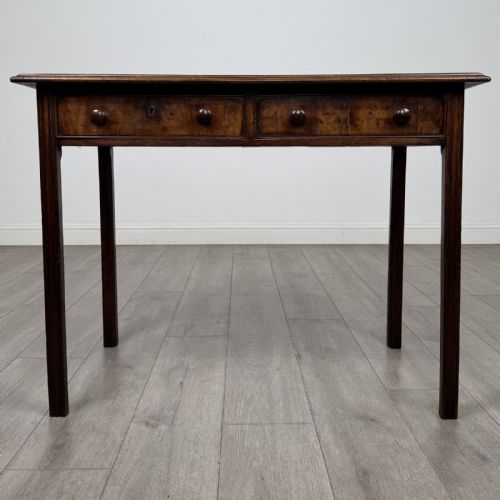
Cabinet makers relied heavily on hardwoods such as mahogany, oak, walnut, and teak, often applying veneers like burr walnut and satinwood to visible surfaces. Leather inserts frequently lined the tops of writing tables to provide a smooth surface for correspondence.
Brass hardware, including campaign mounts and drawer pulls, added durable functional detail to the timber structures. Joinery techniques varied from traditional drawer construction to specialised campaign framing designed for transport.
Vintage Two Drawer Desk Retail Price Guide 2026
Typical asking prices for vintage two drawer desk among the pieces listed under this phrase on Sellingantiques today, from the lower quarter to the upper quarter. They describe what is for sale here now, not the wider market.
Listings feature oak, mahogany, walnut, teak, and padouk wood across periods ranging from the 19th century to the 1930s.
Assessing quality
Quality rests upon the selection of timber and the precision of the cabinet work, distinguishing utilitarian pieces from finer output by named firms. Finer examples display carefully matched wood grains, subtle inlay work, and integrated galleries or fitted interiors.
The integrity of the structural joints and the smooth operation of the two drawers indicate the standard of original construction. Material choices, such as solid mahogany or burr walnut veneer over secondary woods, separate standard utility items from luxury commissions.
W. Walker and Sons London·Hubert Simpson of Kendal·Fortnum and Mason·Andrew Thomson & Sons·Jenners
The Vintage Two Drawer Desk Glossary
- Gallery
- A low decorative rail or raised border positioned along the back or sides of a desk top to prevent items from rolling off. This feature appears frequently on Victorian writing tables.
- Campaign chest
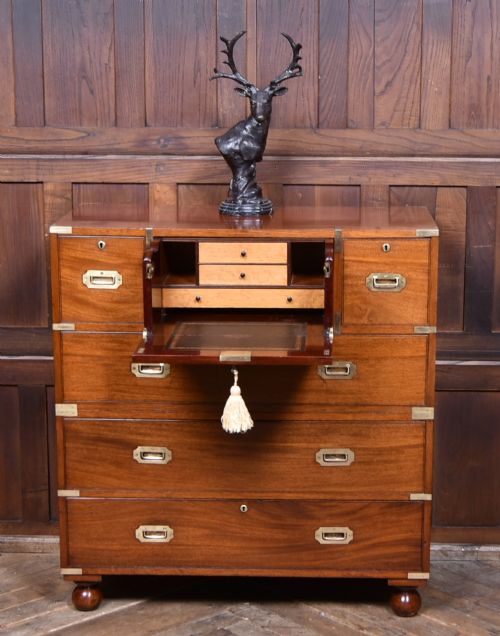
- A modular piece of furniture made in sections with recessed brass handles and corner brackets, originally designed for easy transport by military officers. These often incorporate writing compartments or drawers.
- Veneer
- A thin layer of finely figured wood applied over a secondary timber base to create a decorative surface appearance. Burr walnut and satinwood veneers are common examples found on Edwardian and 19th-century tables.
- Writing table
- A freestanding desk designed primarily for correspondence, typically featuring one or more drawers beneath the writing surface. These pieces often stand on tapered or turned legs.
- Inlay
- A decorative technique where pieces of contrasting wood or other materials are inserted into recessed portions of the base timber. This method appears on Edwardian tables to form geometric or botanical patterns.
Vintage Two Drawer Desk: Frequently Asked Questions
What periods do these desks cover?
The available pieces span from the 19th century through the Edwardian era and into the 1920s and 1930s. You will find Victorian and Georgian style revivals alongside early 20th-century office and home furnishings.
Design influences draw heavily from traditional English cabinet making while incorporating regional variations from Scottish and Anglo-Indian workshops.
How were these desks used originally?
These tables served primarily for writing, correspondence, and administrative tasks in homes and offices. The dual drawers provided storage for paper, ink, and sealing materials.
Many examples functioned interchangeably as side tables, console tables, or work tables depending on their domestic setting.
Which woods appear most often?
Mahogany and oak dominate the selection, appearing across numerous Victorian and Edwardian writing and side tables. Walnut, teak, and painted wood also feature in specific regional or campaign pieces.
Cabinet makers enhanced these primary timbers with decorative veneers such as burr walnut and satinwood on select refined examples.
How do I identify campaign styles?
Campaign furniture utilises sturdy timbers like teak or padouk wood combined with recessed brass handles and corner reinforcement brackets. These pieces were constructed in sections for transport.
Secretaire drawers and modular folding elements are common characteristics of campaign cabinets and writing desks.