


Vintage Twin Lamp
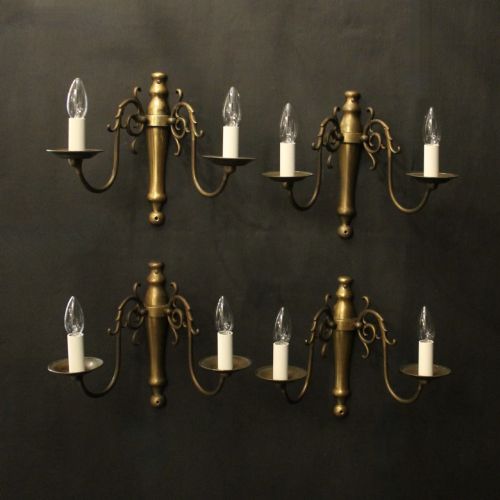
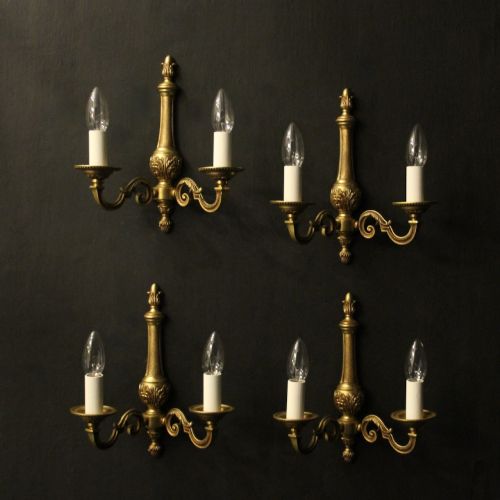
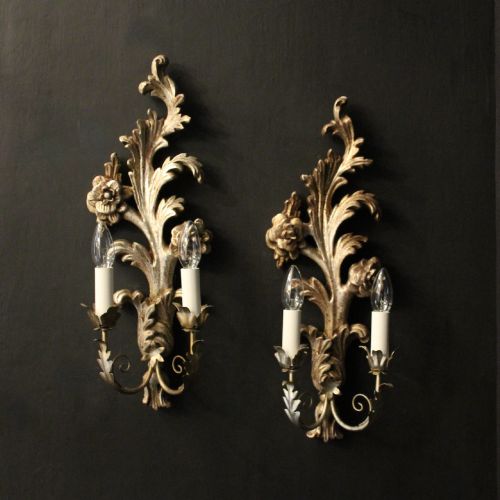
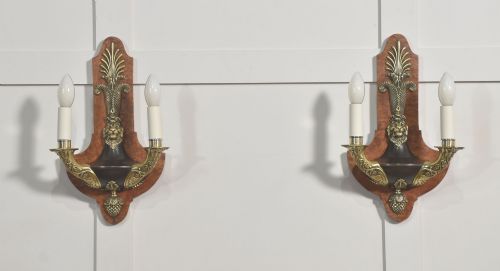
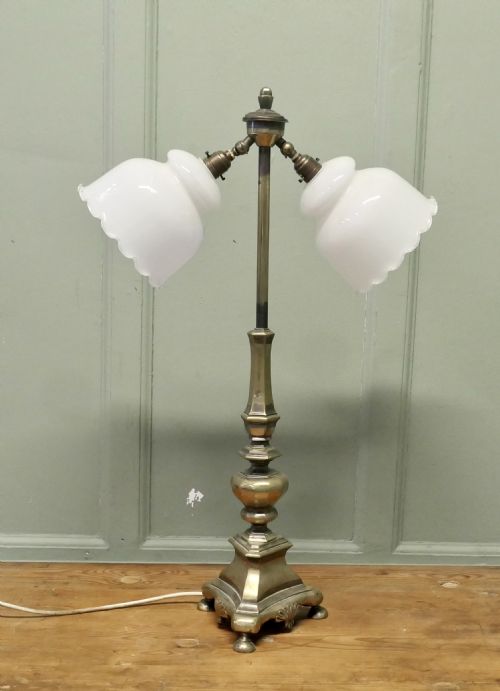
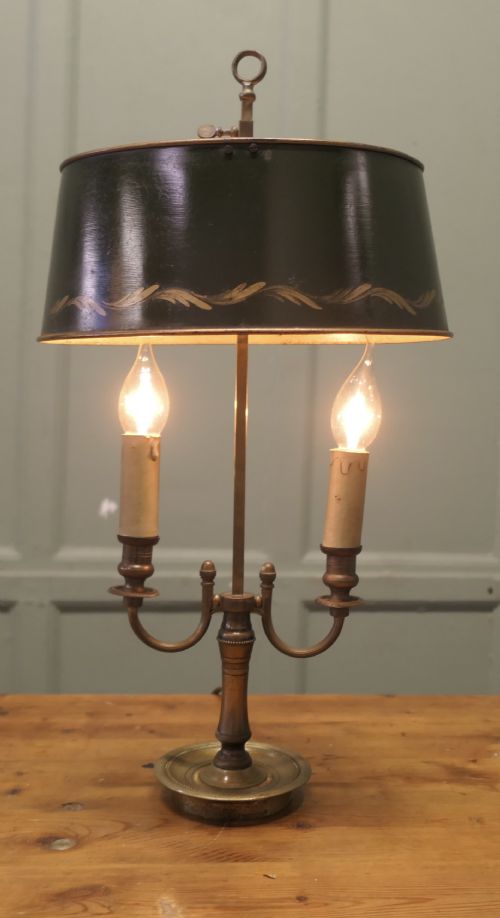
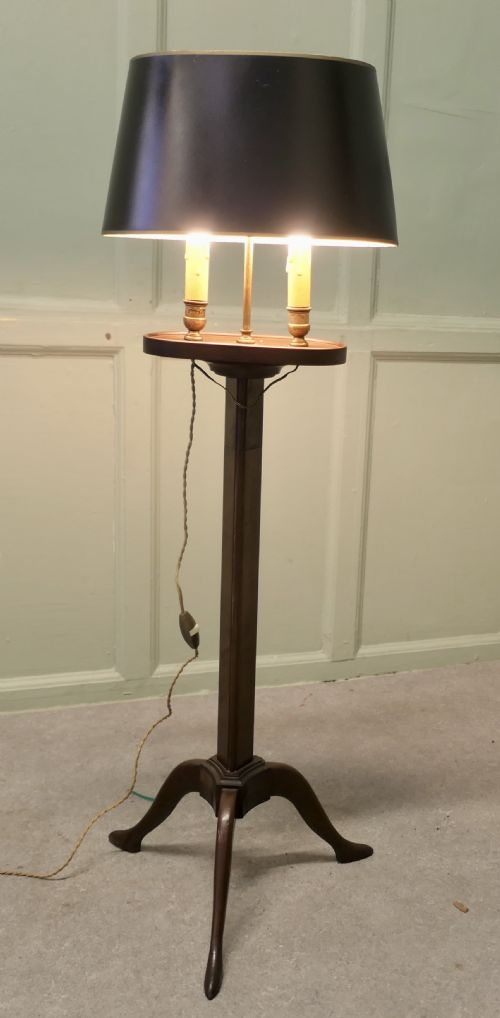
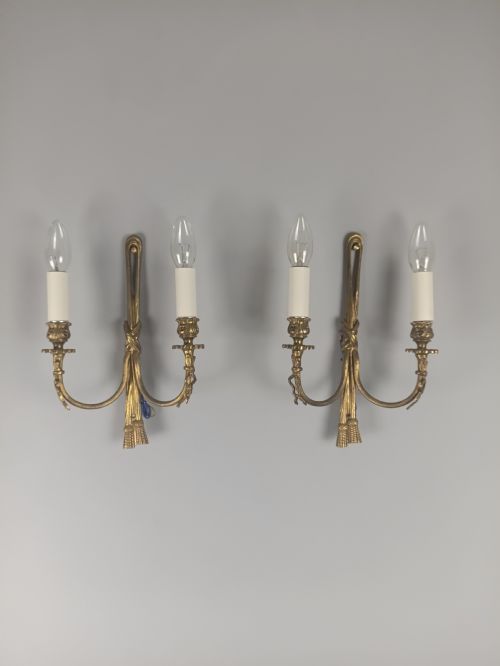
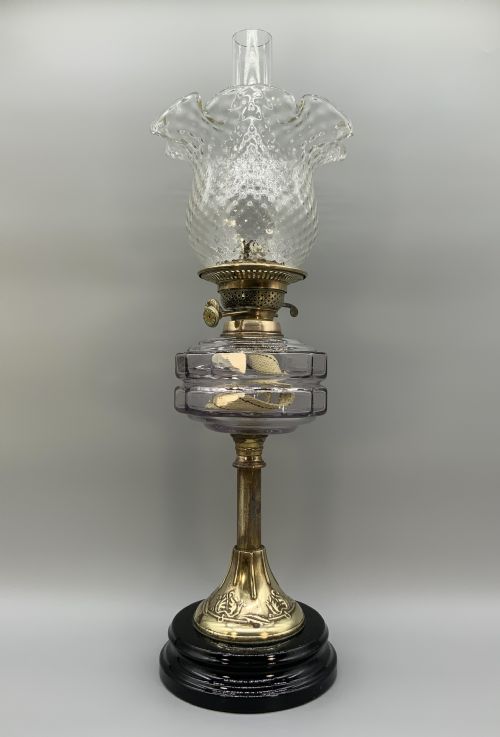
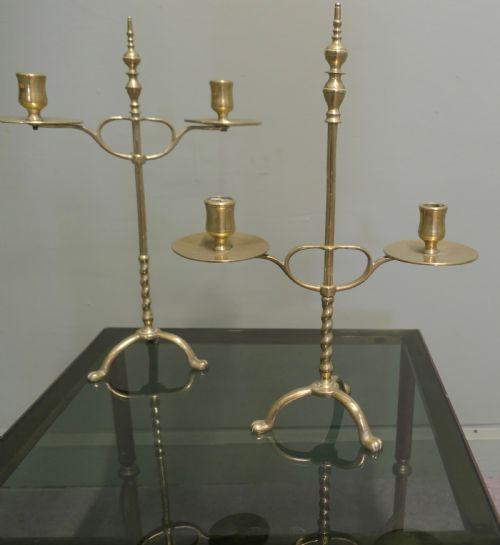
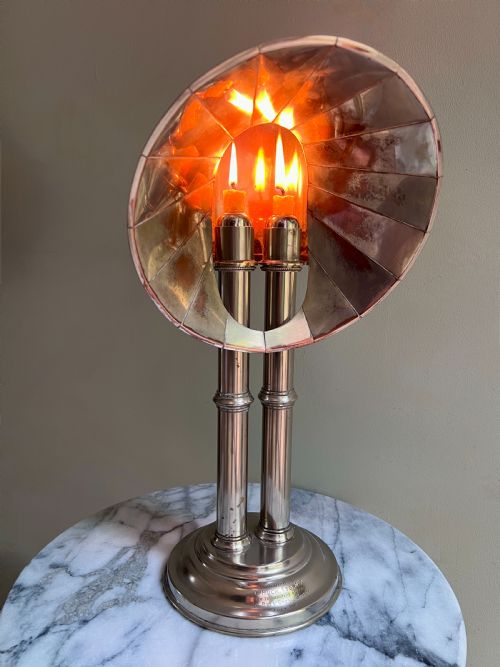
When you search for a vintage twin lamp, you seek dual illumination cast from brass, toleware, or glass across wall lights, table lamps, and floor lamps.
Vintage Twin Lamp
A vintage twin lamp encompasses a wide variety of dual-bulb and double-branch lighting fixtures designed for walls, desks, and floors. When searching for a vintage twin lamp, buyers encounter pieces originating from the nineteenth century through the 1930s, spanning Edwardian, Victorian, and Art Deco periods.
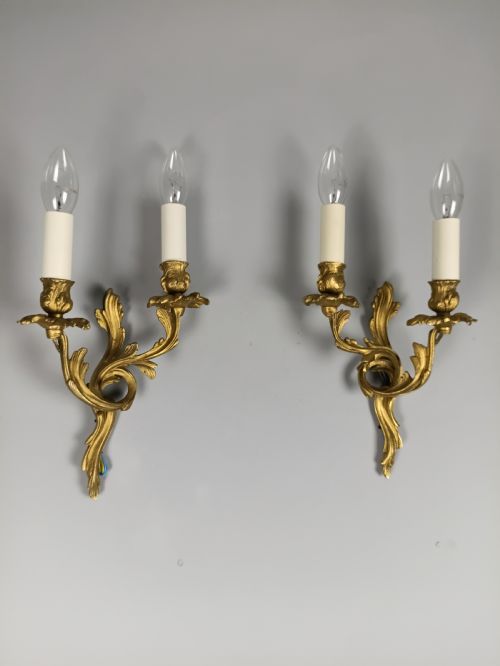
The selection ranges from French gilded brass wall sconces and toleware bouillotte lamps to English brass reading lights and Chinese celadon vase lamps. Wall lights and twin-arm wall sconces dominate the selection, often appearing in matched pairs alongside table lamps and floor standards.
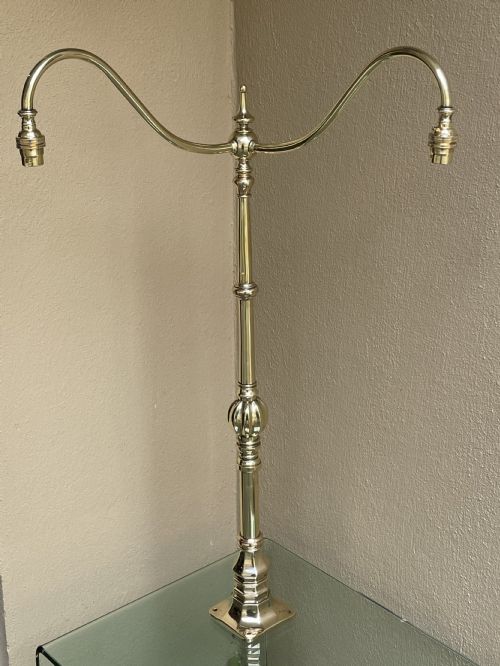
Makers and designers draw upon diverse regional traditions, incorporating French Rococo, Neoclassical, and Arts and Crafts influences into dual-branch lighting. Pieces serve functional and decorative roles, utilising twin arms, dual chambers, and double shades to provide balanced illumination.
Materials and technique
Craftsmen construct these lamps primarily from cast and gilded brass, silver-plated metal, and painted toleware paired with fabric, wood, and ceramic elements. Metal components undergo casting, chasing, and silvering or gilding to achieve decorative finishes that reflect light effectively.
Cabinetmakers and metalworkers integrate structural supports like burr walnut, marble bases, and porcelain figures into complex table lamp assemblies. The construction relies on sturdy mechanical joints for adjustable reading lamps and secure armatures for multi-branch wall sconces.
Object types span wall lights, bouillotte lamps, standard lamps, and candleholders rendered in Art Deco and French Rococo styles.
What varies in quality
Quality rests upon the weight and purity of the cast metal, the precision of the chasing on brass and gilded bronze, and the integrity of the materials. Heavier castings, crisp surface detail, and genuine period gilding distinguish superior lighting fixtures from simpler commercial productions.
The artistry in hand-blown glass shades, hand-painted toleware finishes, and integrated ceramic elements dictates the visual merit of each lamp. Well-preserved original plating, intact crystal drops, and balanced proportions across twin arms elevate a piece above standard utility items.
F. & C. Osler·Karl Ens·Anton Buschelberger·Comyns
The Vintage Twin Lamp Glossary
- Bouillotte lamp
- A traditional French reading lamp featuring a central shaft, twin or triple candle arms, and an adjustable painted metal shade. It originates from card game illumination.
- Wall sconce
- A decorative lighting fixture fixed to a wall, often featuring twin branches or arms to project light into a room. These frequently appear in matching pairs.
- Toleware
- Painted or lacquered metalware, typically tin or steel, used for lamp shades and bodies in green, polychrome, or dark finishes. It provides a classic contrasting texture to polished brass.
- Newel post lamp
- A substantial light fixture mounted upon the ornamental post at the bottom of a staircase. They offer illumination in hallways and entrance spaces.
- Corinthian capital
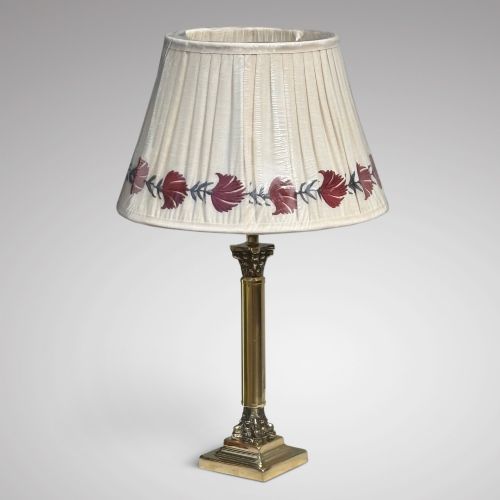
- An architectural column top ornament featuring acanthus leaves, often replicated on the brass stems of Edwardian table lamps. It denotes classical Revival design influences.
Vintage Twin Lamp: Frequently Asked Questions
What rooms suit twin table lamps?
Twin desk lamps and table lamps function effectively on large sideboards, partner desks, and bedside tables where balanced light distribution is required. Their dual-arm designs provide ample spread for reading and working.
Placing them on matching surfaces creates symmetry in traditional living spaces and libraries.
How do I clean gilded brass safely?
Gilded brass surfaces require gentle dusting with a soft dry cloth to prevent abrasion of the thin gold leaf layer. Chemical dips and abrasive metal polishes must be avoided entirely.
Specialist conservation waxes can protect exposed metal finishes from environmental tarnish without stripping historical patination.
How do I date an Edwardian lamp?
Edwardian lighting frequently incorporates neoclassical motifs, Corinthian column details, and heavy brass construction popular during the early twentieth century. Hallmarks, registration numbers, and inscribed dates offer precise chronological evidence.
Fabric shades and wiring types often indicate subsequent restorations rather than original manufacturing dates.