
Gold Desk Light
A gold desk light brings polished warmth to a workspace, offering period character through gleaming brass and gilt finishes.
Gold Desk Light
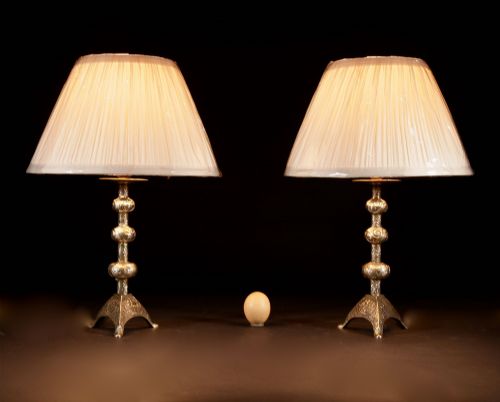
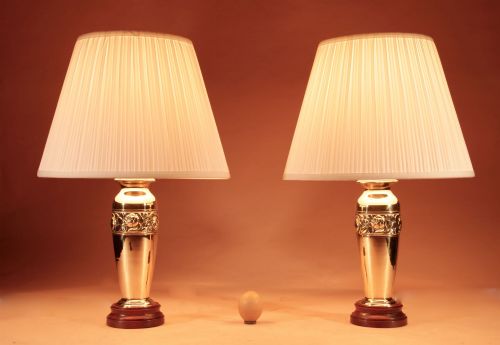
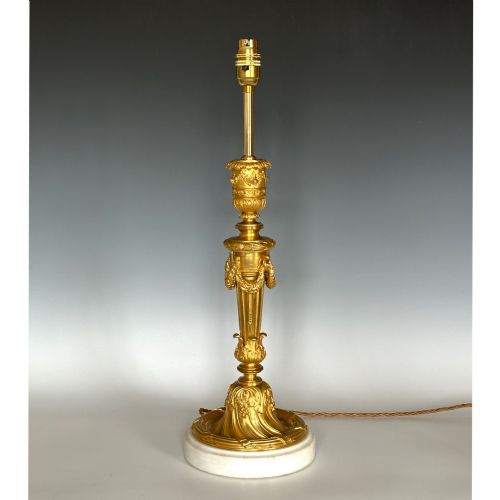
A gold desk light encompasses brass and gilt-finished task lamps, table lights, and converted candlesticks that illuminate a workspace. These pieces span from the Victorian and Edwardian eras into the early twentieth century, drawing on neoclassical, gothic, and art deco styles.
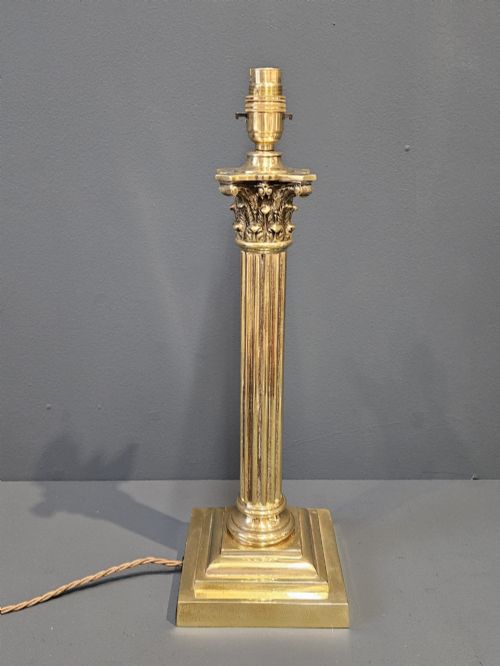
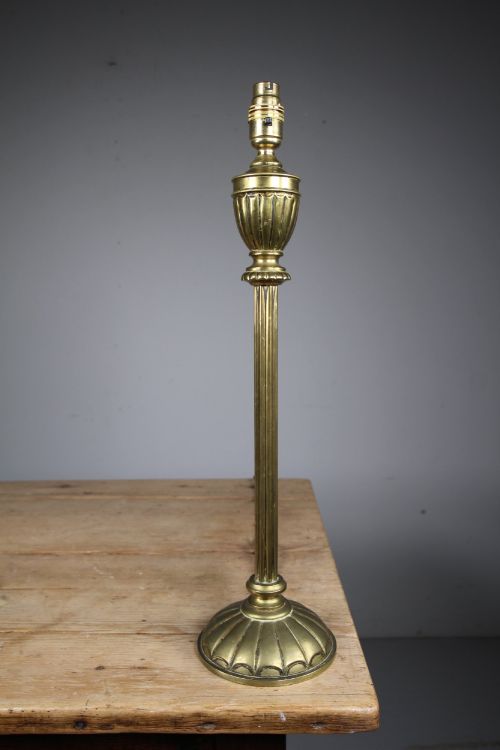
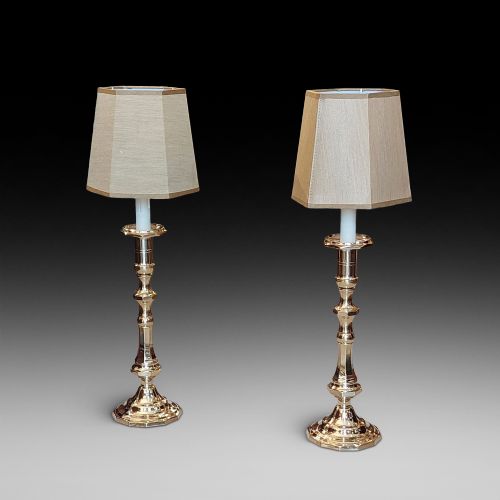
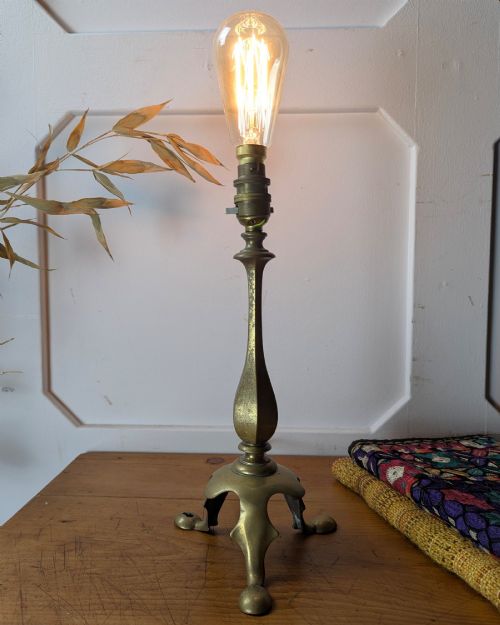
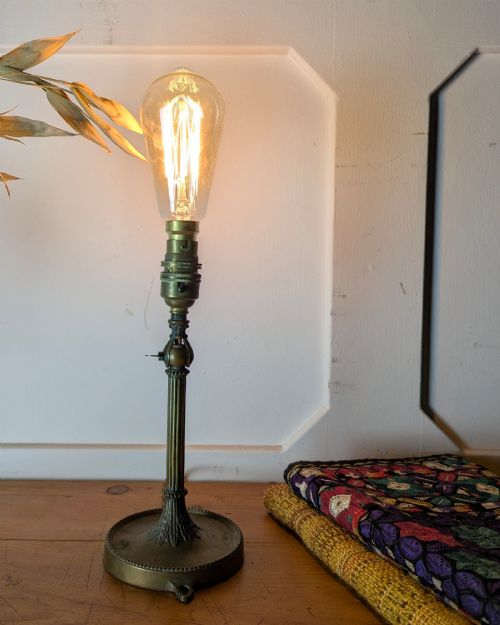
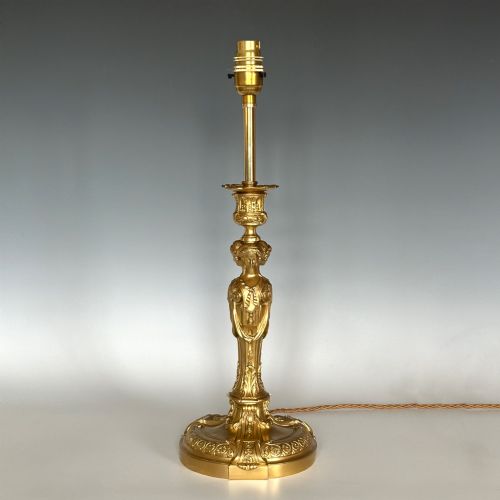
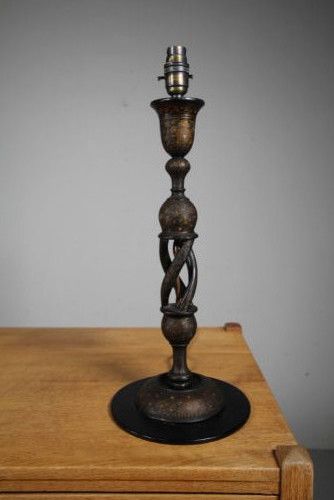
The version most commonly met on this page is the brass table or desk lamp, often taking the form of a reeded or Corinthian column. Many examples originate as earlier candlesticks or lighting fixtures adapted for electrical use.
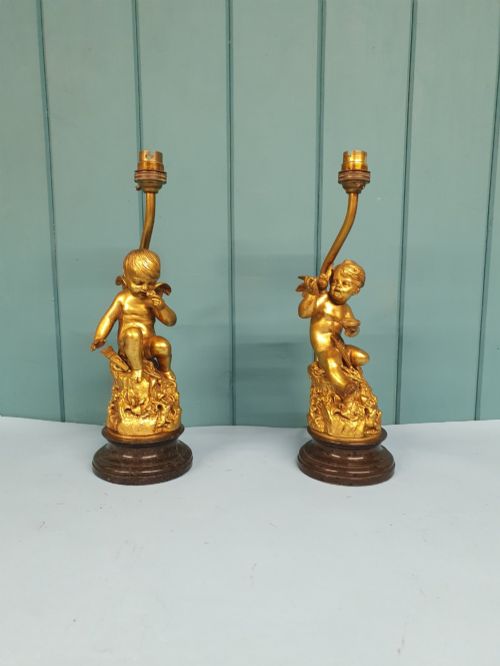
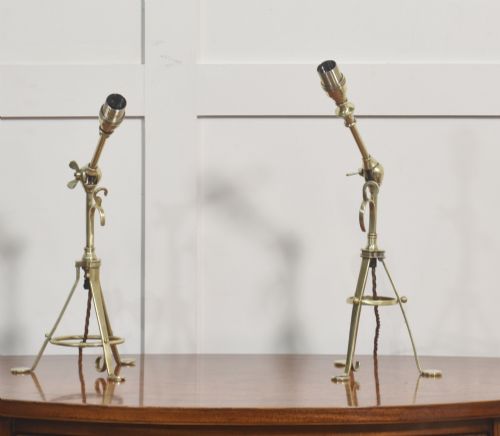
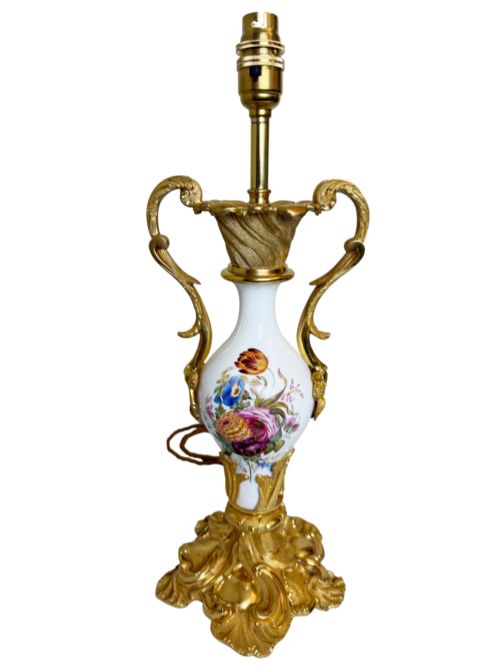
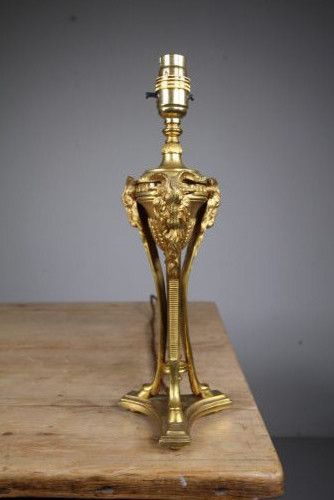
Beyond standard desk lights, the selection includes adjustable workspace lamps with original shades, alongside ornate French or continental models featuring ormolu and gilt bronze.
How They Were Made
Makers shaped these lamps using cast and spun brass, gilt bronze, and ormolu, often mounting them on marble bases or pairing them with fabric shades. Metal components were turned, chased, or cold-painted to achieve intricate surface detail.
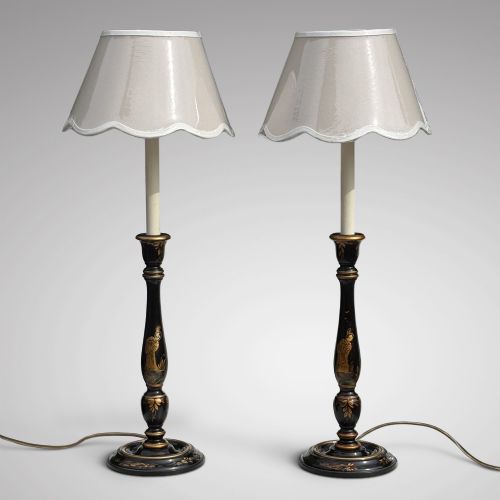
Many items began life as candlesticks, gaseliers, or architectural fittings before undergoing conversion into electric lamps. Wiring and adjustments were subsequently integrated into the original metal columns and balusters.
Materials span brass, marble, fabric, and ormolu across Victorian, Edwardian, and Art Deco styles.
What Varies in Quality
The standard of a gold desk light rests in the crispness of its casting and the depth of its gilt finish. Heavy cast brass and finely chased ormolu demonstrate a higher grade of manufacture than lightweight stamped alternatives.
Integrity of design separates standard production pieces from signed works by notable makers and distinctive revival models. The presence of original functional components, such as adjustable arms and early shades, elevates the character of a piece.
W.A.S. Benson·Franz Bergman·L & F Moreau
The Gold Desk Light Glossary
- Ormolu
- Gilt bronze, where finely ground high-carat gold is applied to a bronze base using a mercury amalgamation technique. This process creates a durable, rich golden surface typical of fine French decorative arts.
- Corinthian Column
- An architectural support column featuring an ornate capital decorated with acanthus leaves. This classical form frequently appears on nineteenth-century brass table lamps.
- Champlevé
- An enamelling technique where troughs are dug into a metal surface and filled with vitreous enamel before firing. It frequently appears on nineteenth-century desk accessories and decorative stands.
- Cold-Painted Bronze
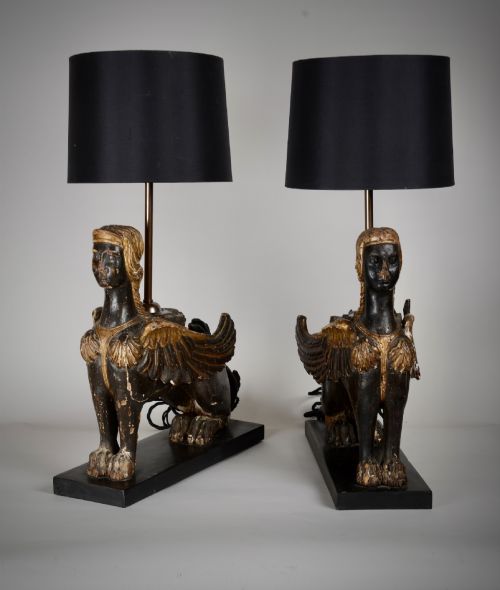
- A method where bronze sculptures are painted with cold enamel paints rather than fired in a kiln. Franz Bergman utilised this technique for figures and figural lamps.
- Baluster
- An architectural form shaped like a moulded vase or pillar, often used to form the central stem of a desk lamp or candlestick.
Gold Desk Light: Frequently Asked Questions
Are these lamps safe to use today?
Many antique lamps require rewiring to meet modern electrical standards. Qualified professionals should test older metal fittings before daily use.
Rewired examples appear frequently, allowing older brass and bronze structures to function safely with modern electrical circuits.
How do I clean antique brass?
Dusting with a dry, soft cloth preserves the historic patina on unlacquered metal surfaces. Aggressive polishing removes the aged character accumulated over decades.
Harsh chemical cleaners strip the original finish, so mild soap and water serve best for removing surface dirt.
Can I adjust the light angle?
Certain models feature articulated arms and adjustable joints designed for directional desk work. These flexible fixtures originated in the early twentieth century for office and study use.
Fixed column lamps provide ambient downward illumination rather than directional task lighting.
What is a converted lamp?
A converted lamp is an antique object, such as a candlestick or ewer, adapted to hold electrical wiring and a bulb holder. This practice gives decorative metalwork a practical second life.
Original details like drip pans and weighted bases often remain intact on these pieces.