

Vintage Turned Leg Armchair
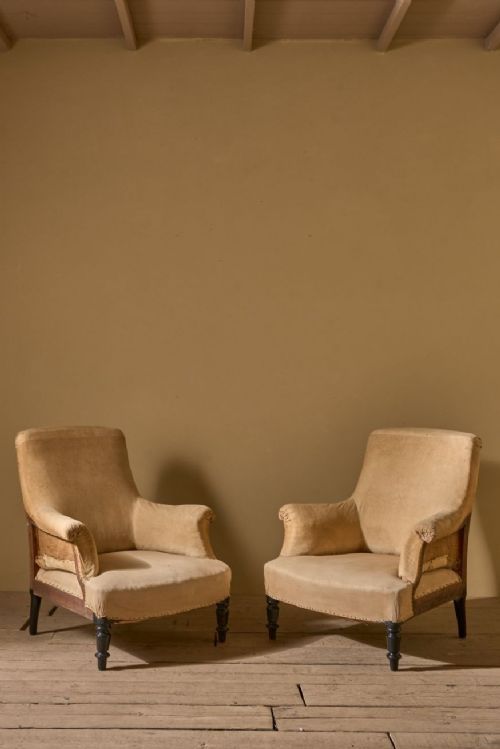
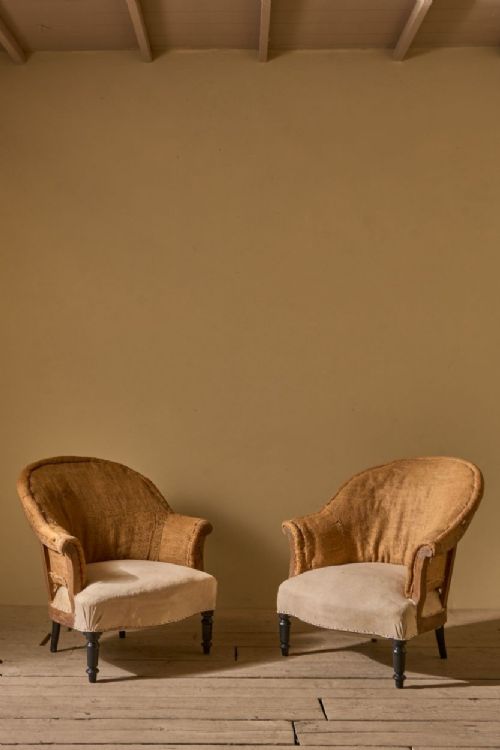
A vintage turned leg armchair brings robust character and sturdy seating to a room, grounding the space with traditional craftsmanship.
Vintage Turned Leg Armchair
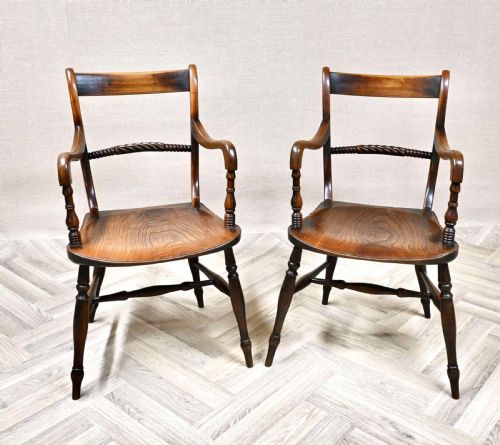
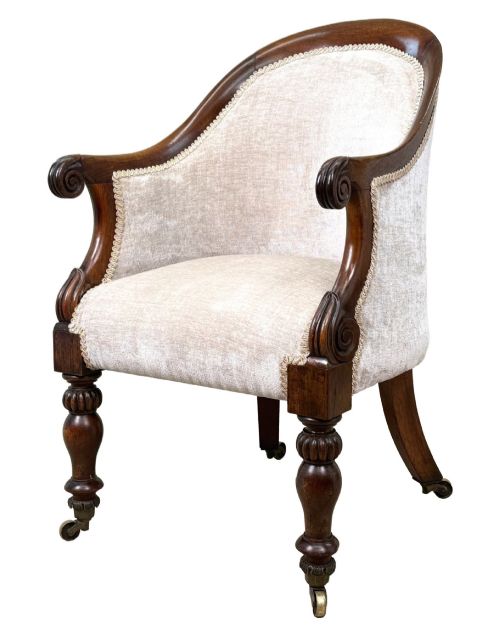
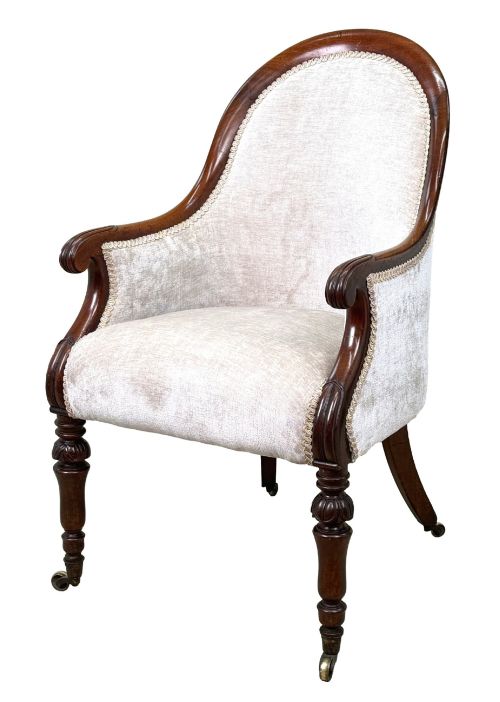
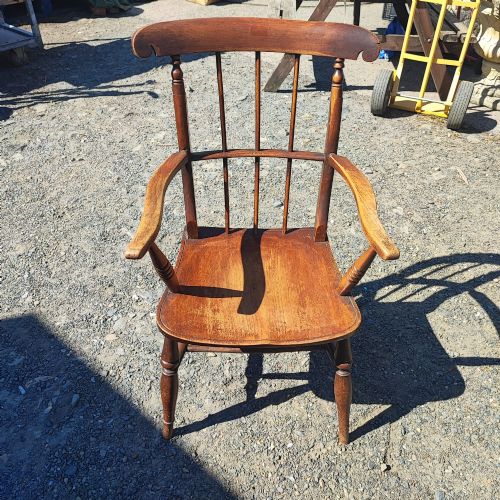
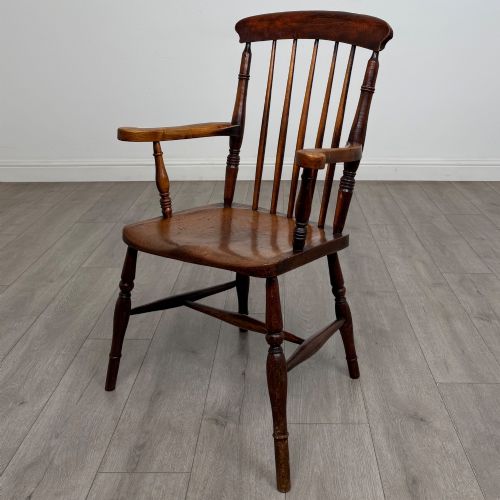
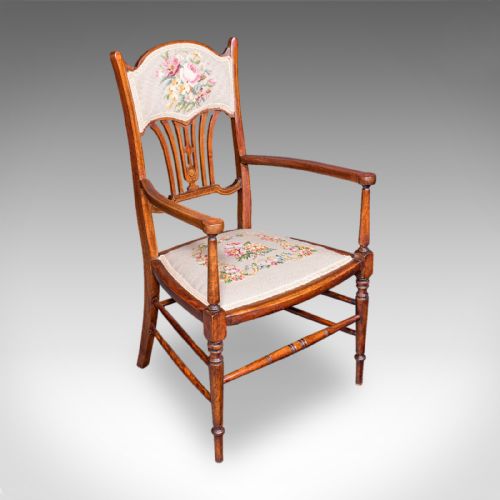
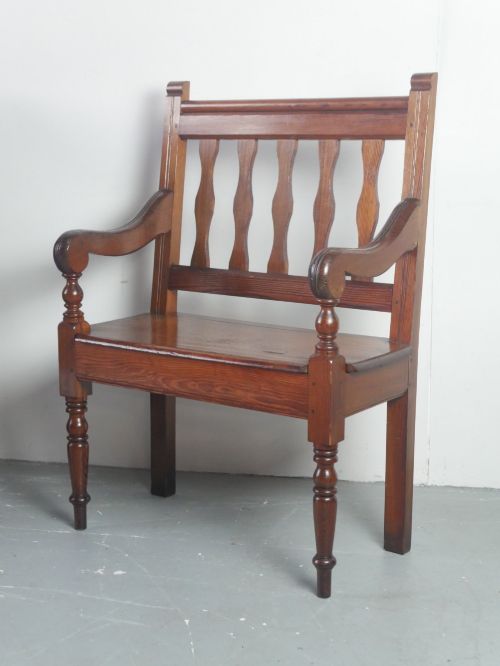
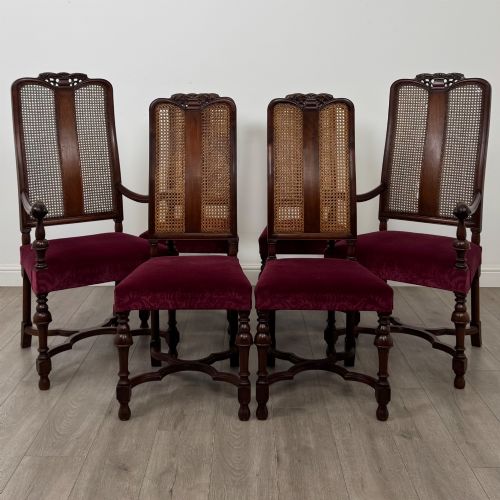
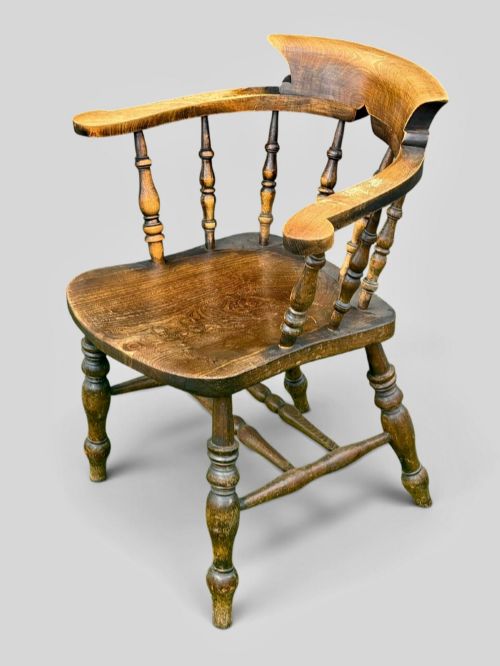
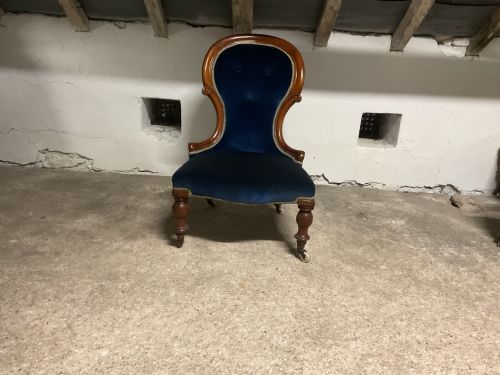
A vintage turned leg armchair represents a diverse group of seating furniture fashioned with distinctive lathe-turned supports, spanning periods from the early nineteenth century through the Edwardian era. You will frequently encounter country vernacular models, library chairs, and Windsor designs featuring these shaped wooden members.
The materials span native and imported timbers, combining structural hardwoods with resilient seating woods. Pieces originate from distinct eras including the Regency, Victorian, and Edwardian periods, reflecting both formal drawing-room styles and robust country house aesthetics.
How they were made
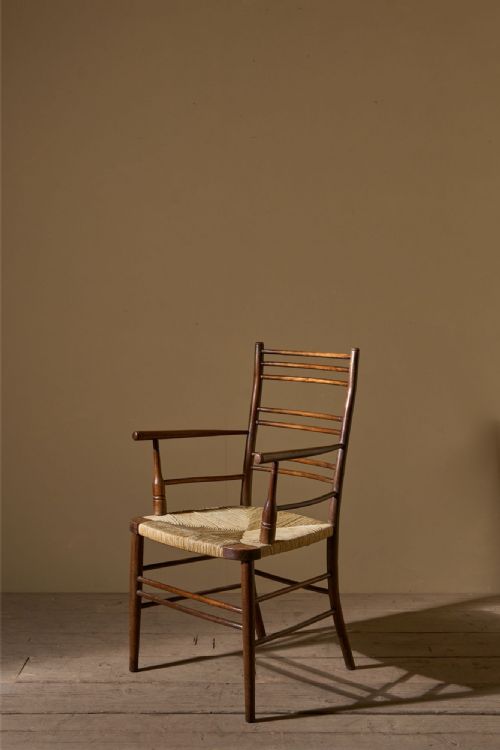
Constructed from timbers such as mahogany, oak, ash, elm, beech, and yew, these chairs rely on traditional joinery paired with lathe work for their characteristic legs and stretchers. Cabinet makers and rural bodgers utilised seasoned hardwoods to ensure structural integrity across high-stress joints.
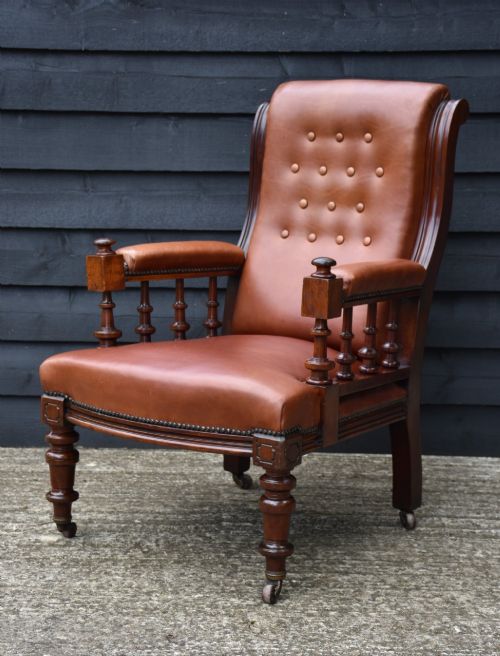
Upholstered variants incorporate traditional stuffing materials and leather secured with brass elements, while wooden Windsor and country models employ seasoned elm seats fitted with bent ash or yew superstructures.
Rural chair makers occasionally stamped their initials directly into the elm seats, leaving a silent maker's mark for future generations to trace.
What varies in quality
The calibre of a vintage turned leg armchair depends on the selection of timber and the precision of the lathe work shaping the legs. Superior examples display crisp turning profiles, harmonious timber grain matching, and robust underlying construction that resists movement.
Proportion and comfort dictate value, where well-balanced seating heights and supportive rake angles distinguish master-built library and parlour chairs from utilitarian workshop output.
Howard and Sons·J Spencer·Gillows·Mellier and Co
The Vintage Turned Leg Armchair Glossary
- Turned leg
- A wooden support shaped on a lathe to create decorative cylindrical, bobbin, or spiral profiles. This method defines the primary visual characteristic of these armchairs.
- Windsor chair
- A traditional wooden seat construction featuring spindles fitted into a solid carved wooden saddle. These forms often incorporate bentwood bows and turned undercarriages.
- Tub chair
- An upholstered seating form with a continuous curved back and armrest rail enclosing the sitter. They appear frequently in nineteenth-century library and bedroom settings.
- Carver chair
- An open armchair designed traditionally to match a set of dining chairs, featuring elevated armrests. They provide substantial seating frames suitable for desk or dining use.
- Vernacular furniture
- Domestic objects made by regional craftsmen using local materials rather than following strict metropolitan design rules. These pieces display distinct local traditions and practical adaptations.
Vintage Turned Leg Armchair: Frequently Asked Questions
How do I identify the period of a turned leg armchair?
Examine the timber species, joinery methods, and the specific turning profile of the legs. Regency and early nineteenth-century pieces often utilise dense mahogany with crisp reeded turnings, whereas later Victorian examples frequently feature heavier beech or oak structures with bolder spool or fluted details.
Secondary woods underneath the seat or inside the frame provide further clues regarding manufacturing dates. Tool marks and construction techniques shift noticeably between handmade vernacular pieces and later mass-produced workshops.
Where were these armchairs used historically?
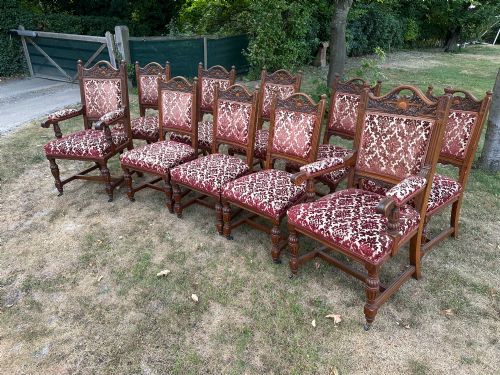
These chairs served various domestic functions depending on their form, appearing in grand libraries, morning rooms, and rural kitchens alike. Library and reading armchairs offered comfortable upholstered seating for study spaces, while sturdy Windsor and country models furnished domestic hearths.
Smaller slipper and nursing chairs sat comfortably in bedrooms, designed low to the ground for dressing or nursing infants. Dining armchairs, or carvers, flanked the heads of large dining tables in formal houses.
How do I care for leather upholstery on an antique armchair?
Maintain antique leather by keeping it away from direct heat sources and strong sunlight, which cause drying and cracking. Apply specialised leather balms sparingly to nourish the hide and preserve its natural suppleness.
Avoid harsh modern cleaning chemicals, using only a soft, dry cloth for routine dusting to protect the aged patina.