

Vintage Trunk Chest
A vintage trunk chest offers robust utility and storied character, serving as practical storage with deep historical roots.
Vintage Trunk Chest
When searching for a vintage trunk chest, buyers encounter a diverse array of utilitarian storage pieces designed for travel, household use, or domestic storage. These items span multiple centuries, originating from periods such as the 18th century, Victorian era, and early 20th century.
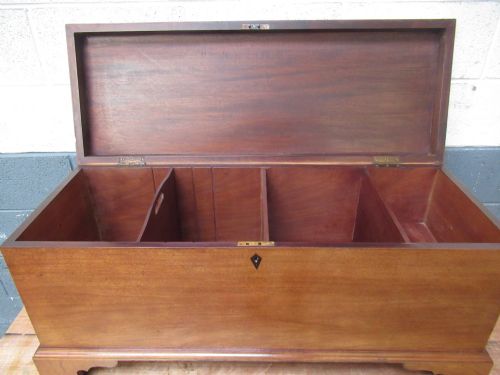
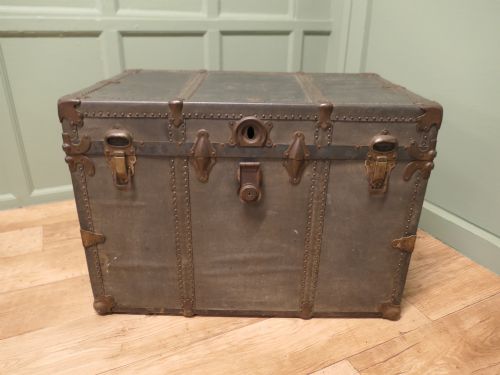
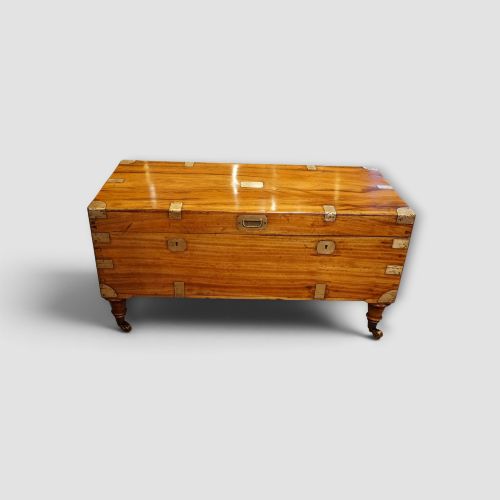
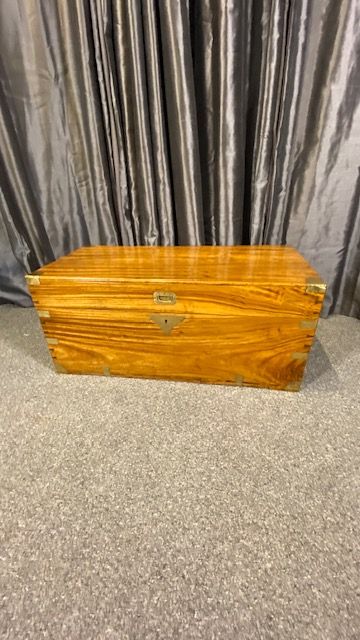
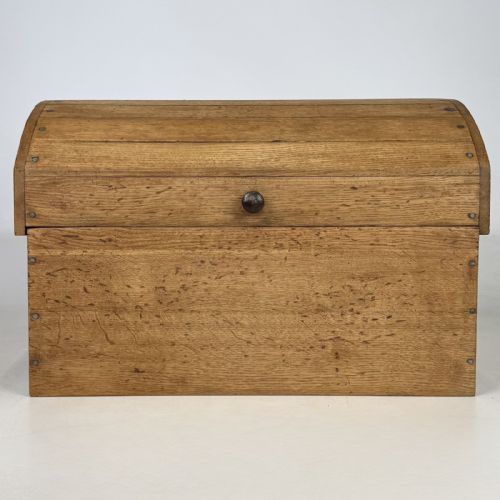
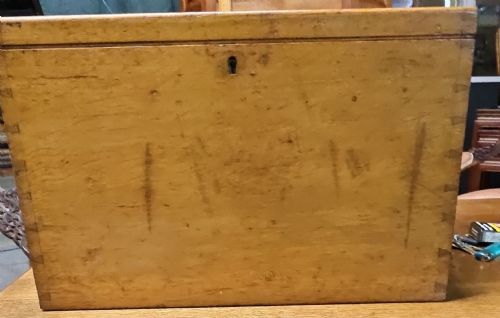
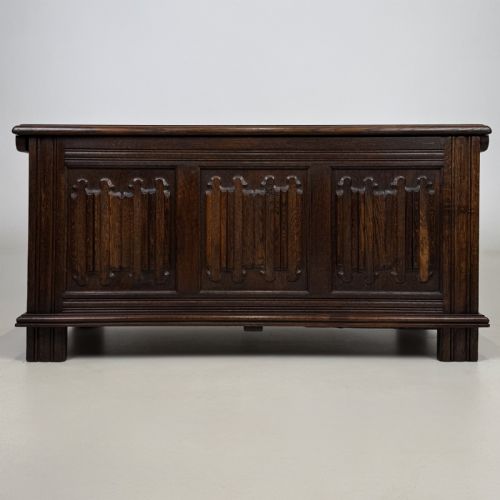
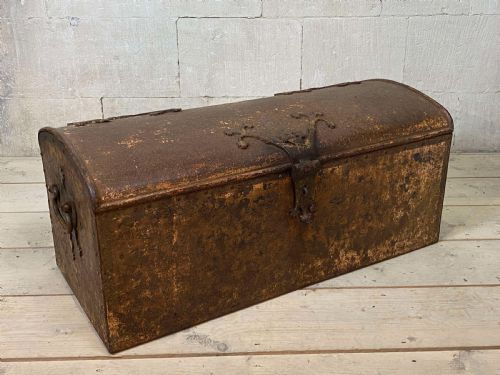
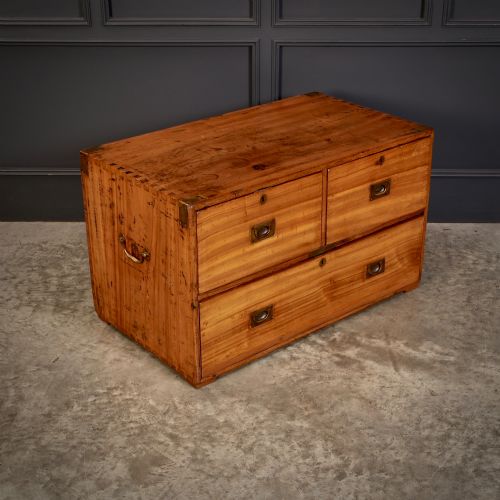
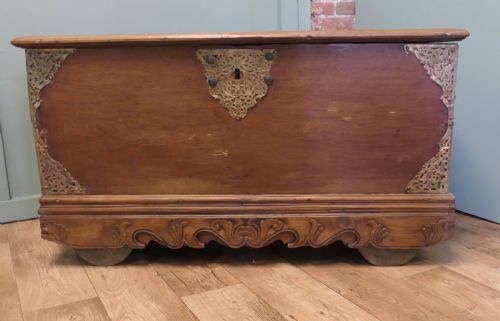
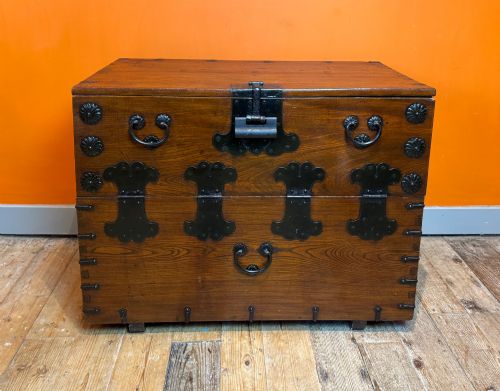
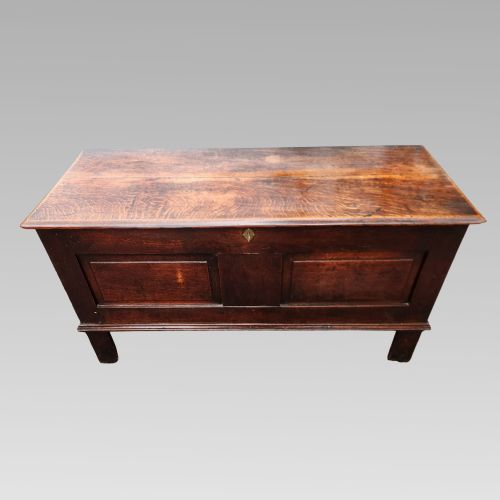
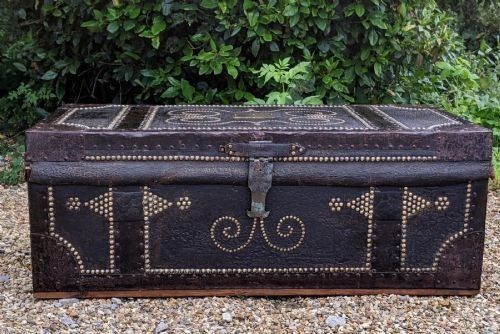
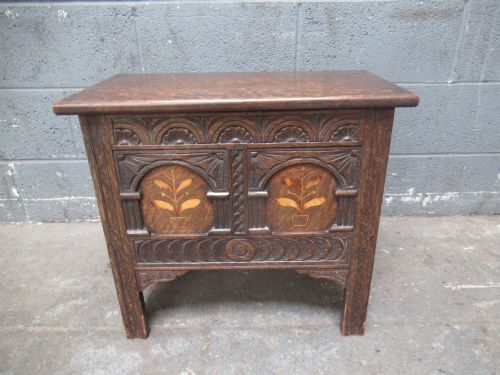
The most common forms seen on this page include simple pine blanket boxes, heavy camphor wood campaign chests, and leather-bound travel luggage. Styles range from utilitarian military campaign designs to decorative carved oak coffers and Jacobean revival pieces.
Origins vary widely, encompassing English country house storage, colonial workshops, and Middle Eastern craftsmanship. Buyers often select these pieces to function as coffee tables, end-of-bed storage, or statement blanket boxes in contemporary interiors.
How they were made
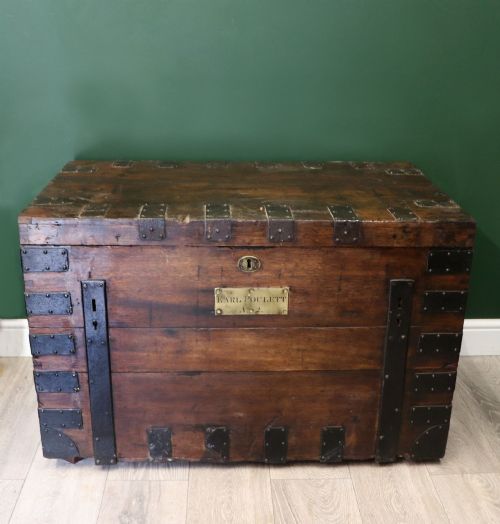
Makers relied primarily on structural timbers like pine, oak, mahogany, and camphor wood, frequently reinforced for transit by protective metals. Brass corners, iron straps, and studded leather bindings provided necessary durability for items subjected to rough travel.
Construction techniques prioritized strength and portability, utilising dovetail joints, internal drawers, and side carrying handles. Camphor wood was selected for its insect-repellent properties, while finer woods like mahogany and teak received carved details, inlay, or dark finishes.
Vintage Trunk Chest Retail Price Guide 2026
Typical asking prices for vintage trunk chest among the pieces listed under this phrase on Sellingantiques today, from the lower quarter to the upper quarter. They describe what is for sale here now, not the wider market.
Travellers trusted fragrant camphor wood to safeguard their woollens from pests during long sea voyages across the globe.
What varies in quality
The distinction between ordinary utility boxes and superior examples lies in the selection of materials and the refinement of hardware. Solid hardwoods, substantial brass fittings, and intact original leather significantly elevate the standing of a piece.
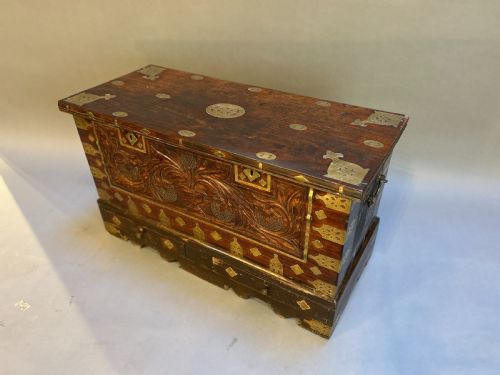
Execution of detail also dictates quality, ranging from plain functional pine boxes to elaborately carved oak coffers and mother-of-pearl inlaid hardwood trunks. Original interior fittings, such as compartmentalised trays and functioning brass locks, separate standard storage from exceptional examples.
Samuel Pratt·Wm. Insall of Bristol
The Vintage Trunk Chest Glossary
- Campaign chest
- A portable chest of drawers or trunk made in sections with recessed brass handles, designed for military officers on the move during the 18th and 19th centuries. These pieces break down into manageable parts for transport.
- Coffer
- A heavy wooden chest traditionally used for storing valuables, linen, or documents before the widespread use of wardrobes. Early examples often feature pegged frame-and-panel construction and carved decoration.
- Blanket box
- A simple chest intended for storing household bedding and textiles, commonly constructed from utilitarian timbers like pine or oak. They frequently sit on simple bracket feet or directly on the floor.
- Steamer trunk
- A low-profile travel trunk designed to fit beneath the cabin berths of ocean liners during the early 20th century. They usually feature hinged lids, wooden slats, and reinforced metal edges.
- Lunette
- A semicircular decorative motif often carved in relief as a repeating band on Jacobean style furniture. It adds textural ornamentation to the frieze of oak coffers.
Vintage Trunk Chest: Frequently Asked Questions
What is a vintage trunk chest used for?
These pieces serve primarily as functional storage for blankets, clothing, and household items. Many buyers also utilise them as coffee tables or decorative focal points in living spaces.
Their sturdy construction allows them to double as surface furniture while concealing clutter within the home.
How do I tell an 18th-century chest from a Victorian one?
Eighteenth-century examples often utilise heavy native timbers like elm or oak, featuring hand-cut joinery and simpler, utilitarian or early panelled designs. Victorian pieces frequently incorporate mass-produced brass fittings, pitch pine, or exotic woods like camphor.
Construction methods and hardware styles provide the clearest indicators of a piece's precise age.
How should I care for a camphor wood chest?
Camphor wood requires minimal maintenance, benefiting mainly from a stable indoor environment away from direct heat sources. Avoid harsh chemical polishes, using a soft, dry cloth to clean the exterior surfaces.
Keeping the interior unvarnished preserves the natural wood scent, which traditionally protected stored textiles from insects.
Were all campaign chests used by the military?
While military officers commissioned modular campaign furniture for colonial travel, civilians travelling for trade or administration also utilised these designs. The defining characteristic is their sectional, portable construction rather than a strictly military provenance.
Recessed brass handles and protective corner brackets were practical necessities for any long-distance traveller.