

Vintage Trough Planters
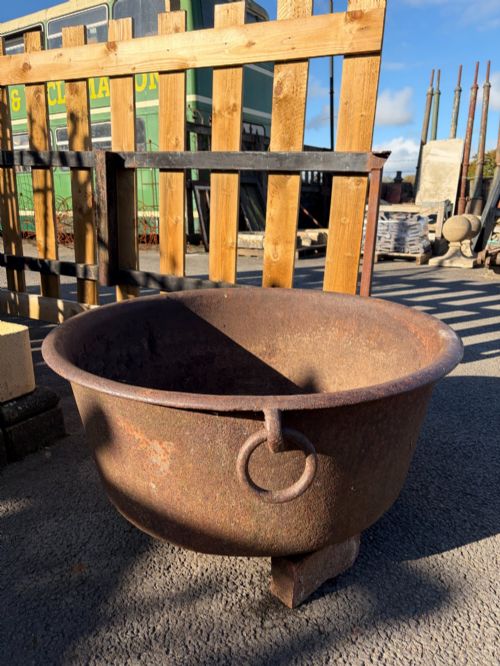
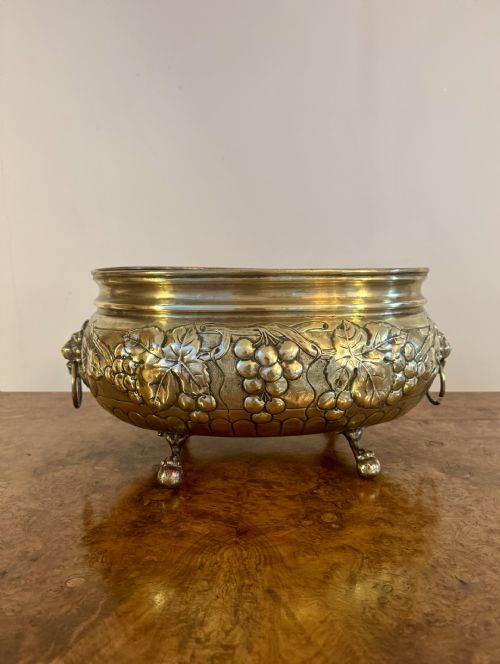
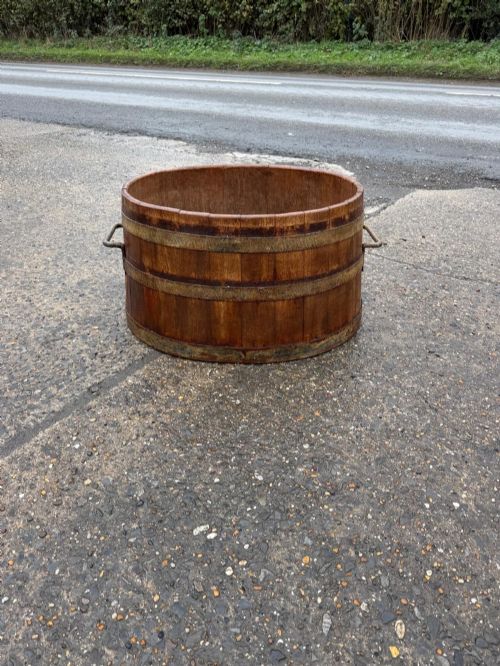
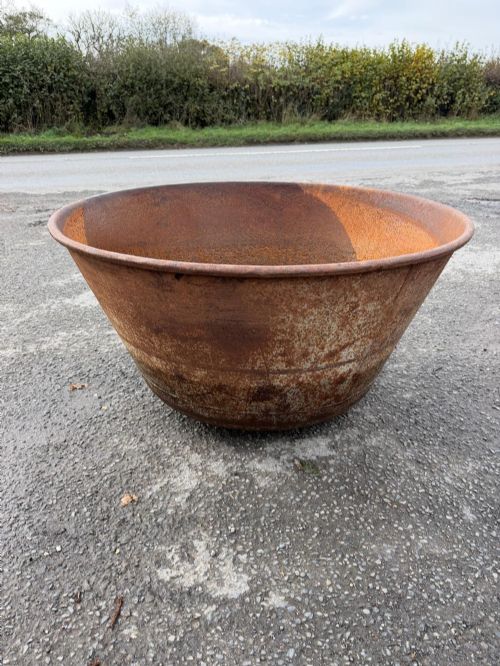
Vintage trough planters bring utilitarian vessels and decorative jardinieres into gardens and interiors to hold greenery.
Vintage Trough Planters
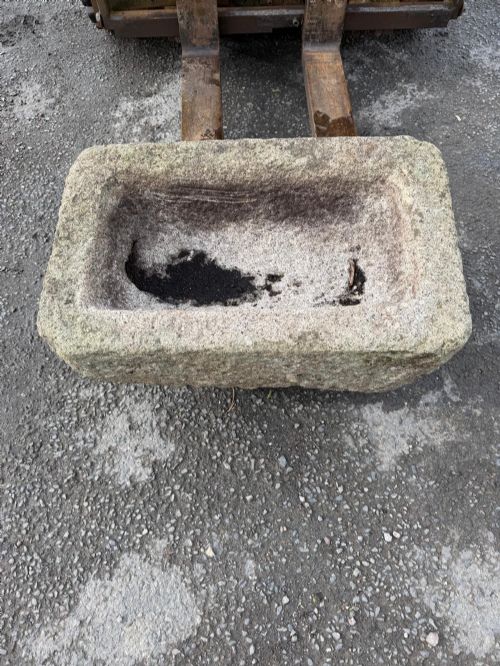
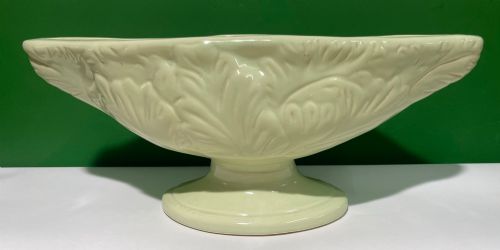
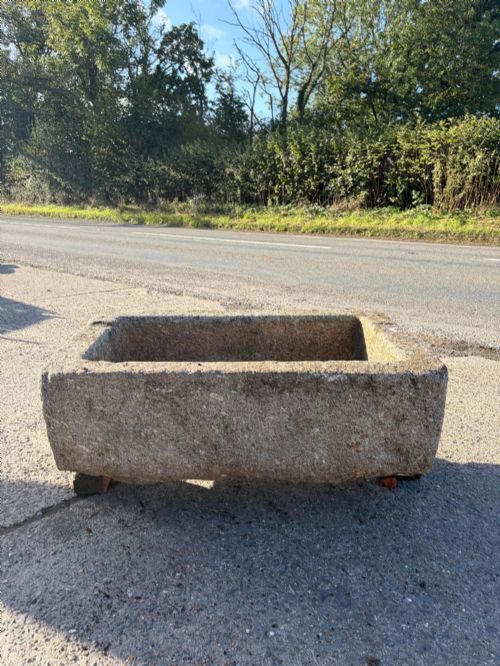
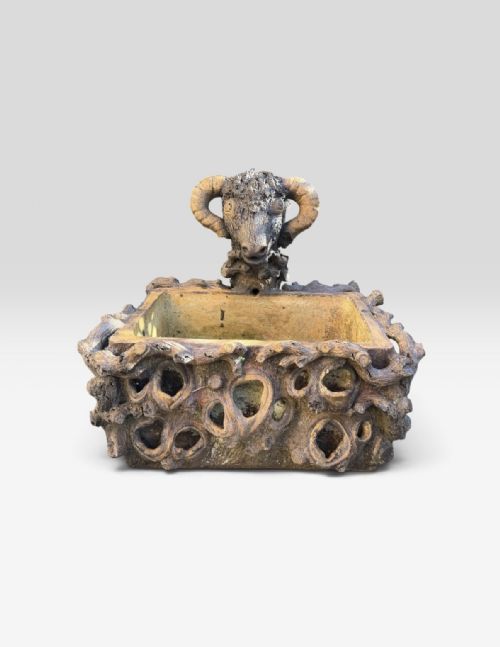
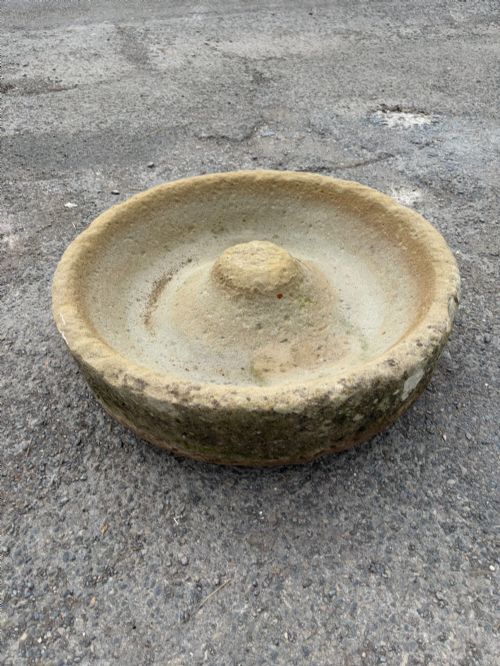
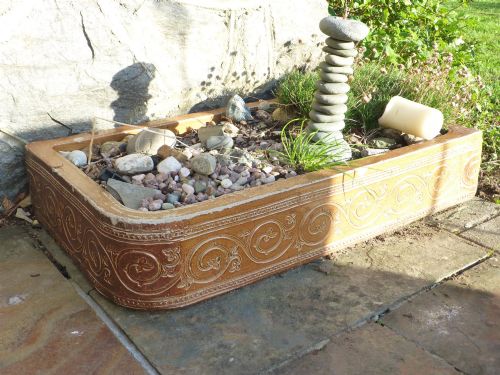
Vintage trough planters encompass a diverse range of long, low vessels designed for holding plants, drawing from both utilitarian utility and formal decoration. When buyers search for vintage trough planters, they encounter forms shaped by practical origins, such as stone pig troughs, granite basins, and salt-glazed vessels.
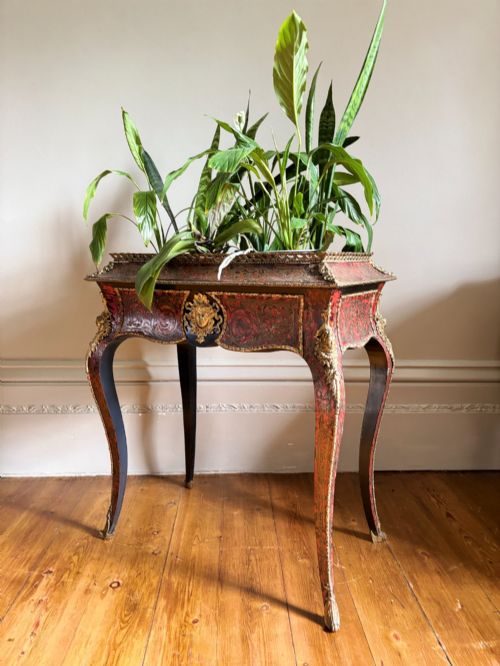
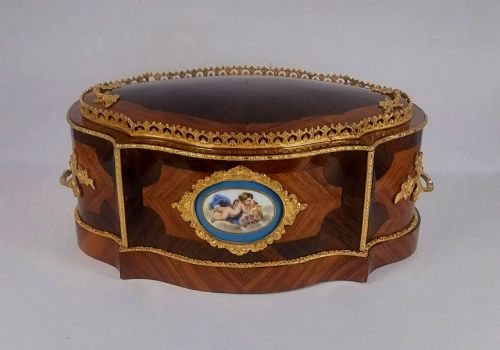
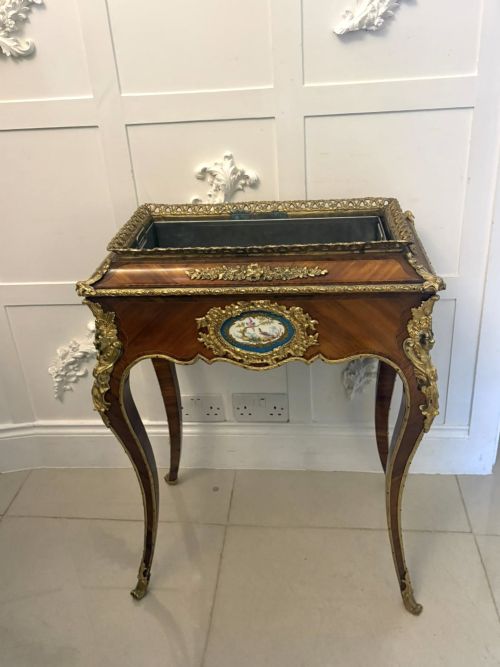
Makers and craftsmen adapted these low containers for both interior display stands and exterior garden settings. Objects span from simple galvanized metal tubs to ornate ormolu-mounted walnut and kingwood pieces intended for drawing rooms.
How they were made
Masons carved heavy troughs directly from blocks of Cornish granite, sandstone, and local stone using traditional chisels and hammers. These dense materials offer natural resistance to weathering, maintaining structural integrity across centuries of exposure.
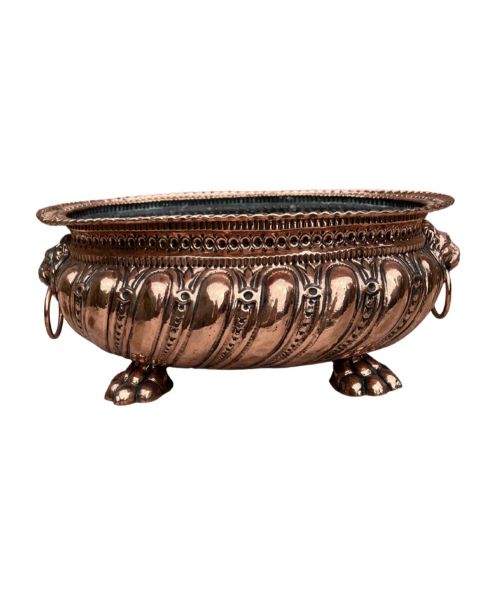
Metal vessels rely on hand-riveted copper plates, beaten brass sheets, cast iron strapwork, and soldered zinc linings. Artisans hammered sheets over forms, securing seams with metal rivets to create watertight planters.
Cabinetmakers constructed interior stands using exotic timbers like kingwood, tulipwood, and satinwood, often embellishing the frames with cast bronze mounts, porcelain plaques, or giltwood details.
Vintage Trough Planters Retail Price Guide 2026
Typical asking prices for vintage trough planters among the pieces listed under this phrase on Sellingantiques today, from the lower quarter to the upper quarter. They describe what is for sale here now, not the wider market.
Listings feature planters spanning from the eighteenth century through the Art Deco period, utilising stone, copper, and satinwood.
What varies in quality
Quality rests in the harmony of materials and the depth of natural patination accumulated over time. Hand-riveted copper surfaces display varied oxidation tones, while stone troughs show distinct weathering marks from centuries outdoors.
Construction methods dictate durability, distinguishing heavy hand-beaten metalwork from lighter pressed sheets. Cabinet-made pieces depend on precise joinery, intact marquetry, and securely fastened ormolu mounts rather than surface finishes alone.
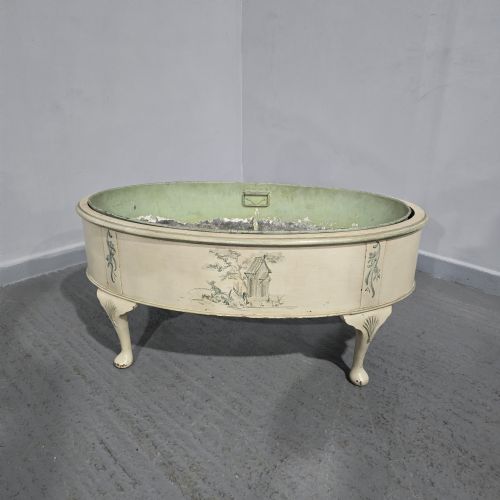
Historical integrity sets finer examples apart, particularly when liners, original stands, and mounts remain unaltered. Pieces retaining their original painted surfaces or manufacturer traits command greater interest among collectors.
The Vintage Trough Planters Glossary
- Jardiniere
- An ornamental pot or stand for holding plants or flowers. These vessels often sit on dedicated legs or low plinths.
- Strapwork
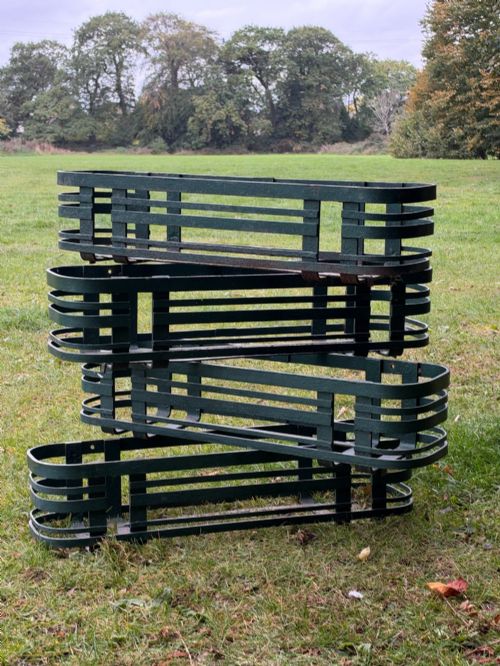
- Flat bands of metal arranged in geometric patterns to reinforce or decorate an object. Iron strapwork commonly strengthens garden baskets and planters.
- Ormolu
- Gilded bronze used for decorative mounts on fine furniture and planters. This technique gained favour during the eighteenth and nineteenth centuries.
- Patina
- The surface sheen and colour acquired by materials through age, wear, and exposure. Copper develops a green verdigris while wood deepens in tone.
- Salt glaze
- A vitreous coating formed by throwing common salt into kiln fires at high temperatures. This treatment creates a characteristic pitted texture on stoneware.
Vintage Trough Planters: Frequently Asked Questions
How do I use stone troughs indoors?
Stone troughs add structural weight and rustic contrast to interior rooms. Place them on sturdy floors and line them with protective trays to catch excess moisture.
Pair unglazed stone with soft foliage plants or ferns to balance the heavy texture of the material. Smaller granite basins work well on low tables or within conservatory spaces.
Can copper planters stay outside?
Copper planters withstand outdoor conditions well, though extreme frost can stress soldered or riveted seams. Regular cleaning prevents harmful chemical buildups while preserving the metal.
Allowing the copper to weather naturally produces a stable green patina that protects the underlying material. Keep them sheltered during severe winter weather to extend their lifespan.
How do I identify nineteenth-century metalwork?
Nineteenth-century metal vessels typically feature hand-riveted joints rather than modern machine welding. Look for uneven hammer marks and thick gauge brass or copper plates.
Makers often relied on manual spinning and beating techniques, resulting in subtle irregularities that distinguish older work from modern reproductions.