
Vintage Tripod Lamp
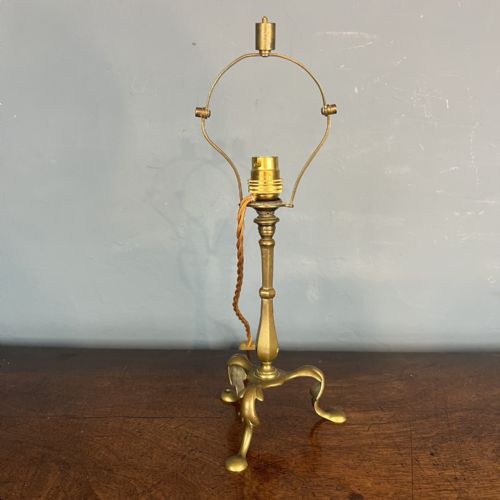
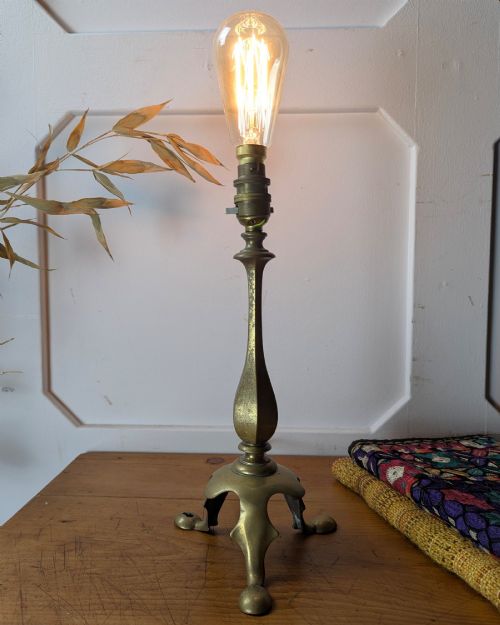
A vintage tripod lamp brings three-legged stability and height to a room, drawing on centuries of brass, mahogany, and oak design.
Vintage Tripod Lamp
When you search for a vintage tripod lamp, you encounter a crossover between standard lighting and three-legged furniture forms. The selections span standard lamps, floor lamps, and converted tables that once held oil fonts or candles before electrical wiring took over. These pieces stretch from the Victorian and Edwardian eras into the early twentieth century.
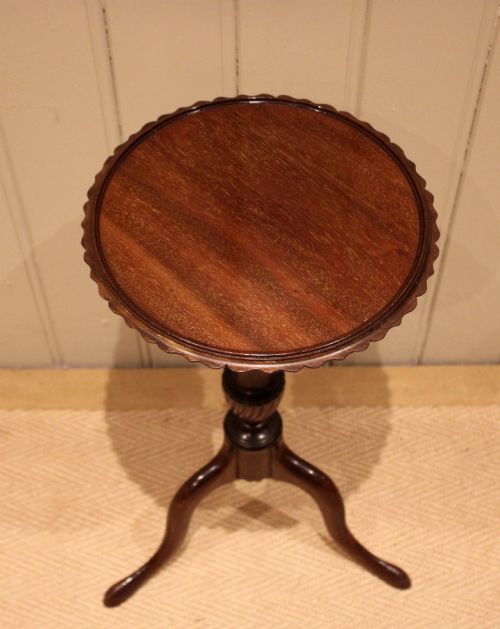
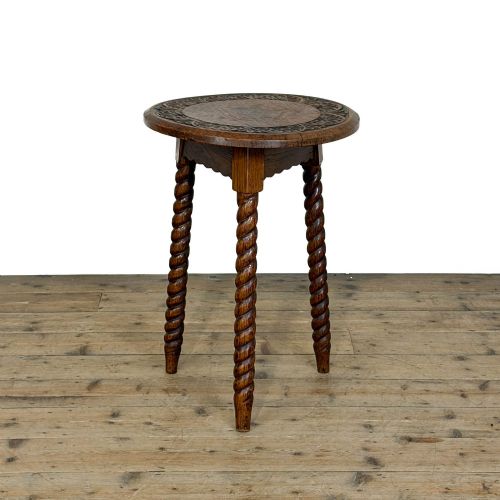
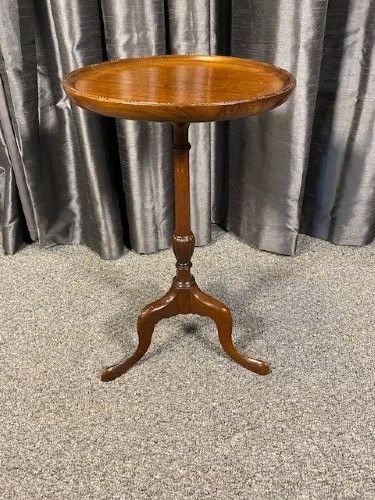
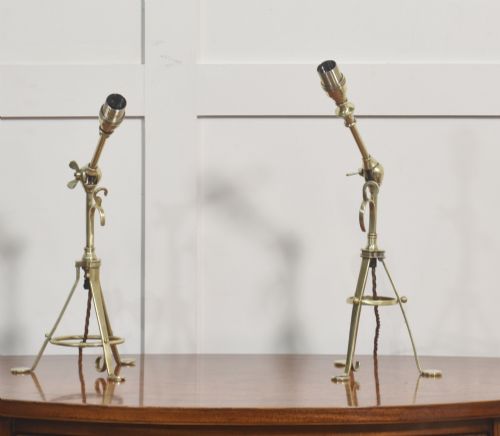
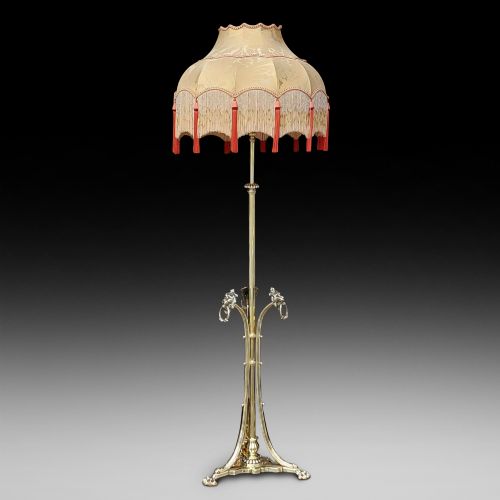
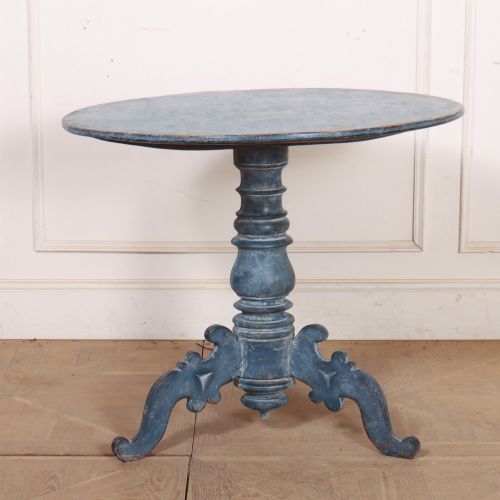
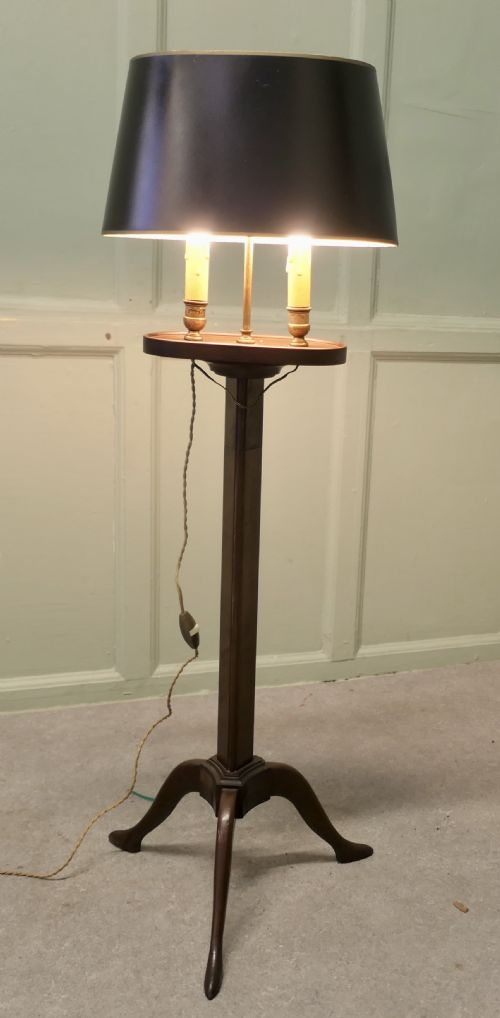
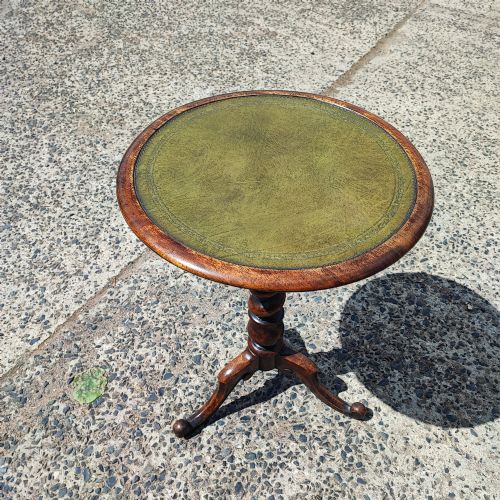
The most common formats on this page combine timber wine tables, occasional tables, and brass standard lamps on three-legged bases. You find oak cricket tables, mahogany occasional pieces, and adjustable metal floor lights standing alongside small lamp bases. Their origins reach across English, Swedish, and Italian workshops from the nineteenth and early twentieth centuries.
Victorian and Edwardian examples dominate the inventory, accompanied by earlier nineteenth-century styles and Arts and Crafts metalwork. Makers adapted domestic furniture and engineered specialised lighting stands that relied on a triad of legs for balance. Each piece reflects the interior lighting needs of its period, whether for reading in a parlour or illuminating a hallway.
Materials and construction
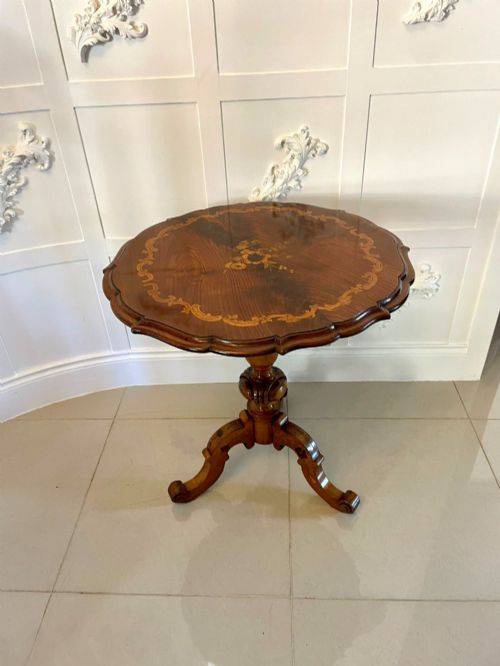
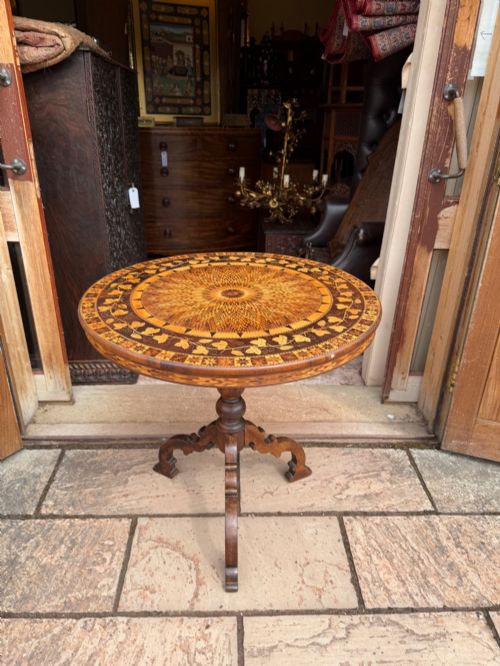
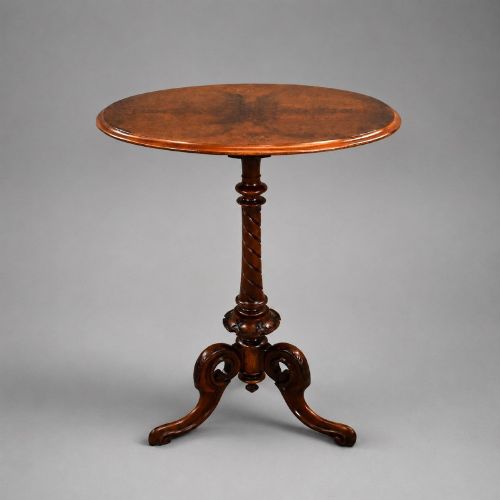
Makers built these pieces using solid hardwoods like mahogany, walnut, burr walnut, oak, and yew, supplemented by softwoods such as pine. They turned timber columns on lathes and joined them to three spreading feet or cabriole legs. Table surfaces often feature marquetry inlay, carved details, or simple plank tops.
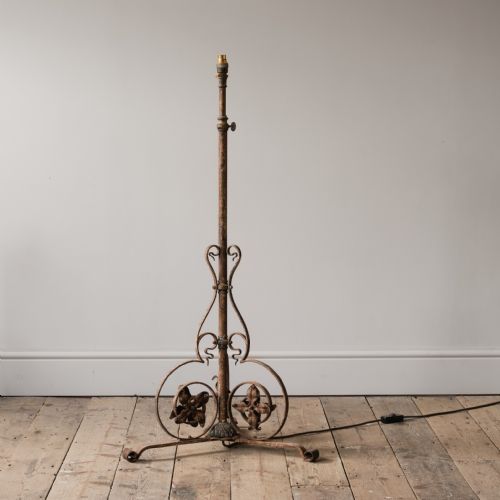
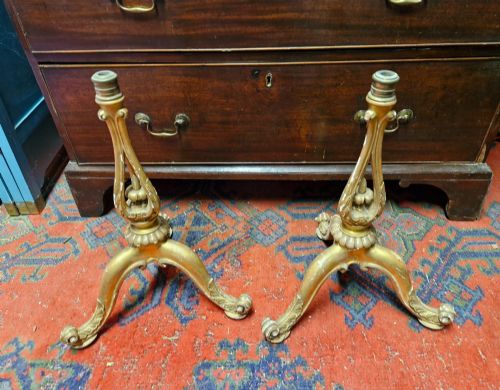
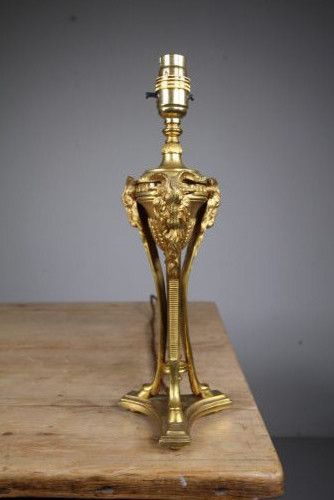
Metal versions rely heavily on brass, copper, or ormolu, sometimes combined with wrought iron or gilt finishes. Blacksmiths hand-forged adjustable iron frames, while brassfounders cast baluster forms and pullman lamps. Engineers and metalworkers incorporated screw adjustments and pivoting joints to alter height and angle.
Surface decoration ranges from intricate Burmese padouk carving to gilded accents and Swedish painted finishes. Joinery methods include traditional pegging for cricket tables and delicate marquetry for Victorian walnut occasional tops. These construction choices dictated whether a piece served as a sturdy table or a slender lighting column.
One listed searchlight once tracked the skies above early French aviation fields.
Assessing standard and craftsmanship
The quality of a piece rests in the stability of its three-legged stance and the crispness of its turned or carved members. Superior examples demonstrate precise joinery where the legs meet the central column, preventing the wobble common in worn bases. Timber grain selection, such as figured burr walnut or rich mahogany, marks out finer domestic furniture.
Metal standards vary from heavy cast brass with articulated fittings to lighter sheet construction. Better quality lighting pieces retain original adjustable mechanisms that move smoothly without slipping. The integrity of the casting or hand-forging separates standard utility items from workshop productions associated with known design movements.
W.A.S. Benson·GLC·Bleriot
The Vintage Tripod Lamp Glossary
- Tripod base
- A furniture or lamp support featuring three legs radiating from a central point. This configuration provides steady balance on uneven floors.
- Cricket table
- A small, round wooden table with three legs, traditionally used in English cottages. These feature plank or solid tops supported by splayed legs.
- Standard lamp
- A tall floor-standing lamp designed to illuminate a room from a standing position. They often incorporate adjustable height controls or weighted bases.
- Wine table
- A small occasional table designed to hold a glass or bottle near a chair. They frequently share the slender tripod proportions utilised for lamp bases.
- Ormolu
- Gilt-bronze ornamentation applied to furniture and lighting fixtures. It provides a bright metallic contrast against dark hardwoods.
Vintage Tripod Lamp: Frequently Asked Questions
What is a vintage tripod lamp?
A vintage tripod lamp is a three-legged lighting fixture or converted table from the nineteenth or early twentieth century. These pieces include standard lamps, floor lights, and occasional tables adapted for electrical illumination.
They combine practical illumination with traditional furniture making, using brass, copper, mahogany, or oak materials.
How do I date a tripod standard lamp?
Dating relies on observing the materials, construction methods, and stylistic cues of the period. Victorian and Edwardian examples often feature turned timber columns or heavy cast brass bases.
Industrial adjustments, hand-forging, and specific design movements like Arts and Crafts also help narrow down the decade of production.
Where should I place a tripod floor lamp?
These lamps suit corners, beside reading chairs, or alongside sofas where a slender profile is advantageous. The three-legged spread requires sufficient floor clearance to sit level.
Their decorative timber or metal bases look effective when paired with traditional or eclectic room schemes.
Are these lamps safe for modern electrical use?
Many antique and vintage lighting pieces require rewiring to meet current safety standards. It is standard practice to have a qualified electrician inspect the wiring and fit modern flex.
Retaining the original brass fittings and switches preserves the historic character while ensuring safe daily operation.