




Vintage Tribal Floor Runner
A vintage tribal floor runner brings centuries of nomadic design and practical warmth straight into a modern hallway.
Vintage Tribal Floor Runner
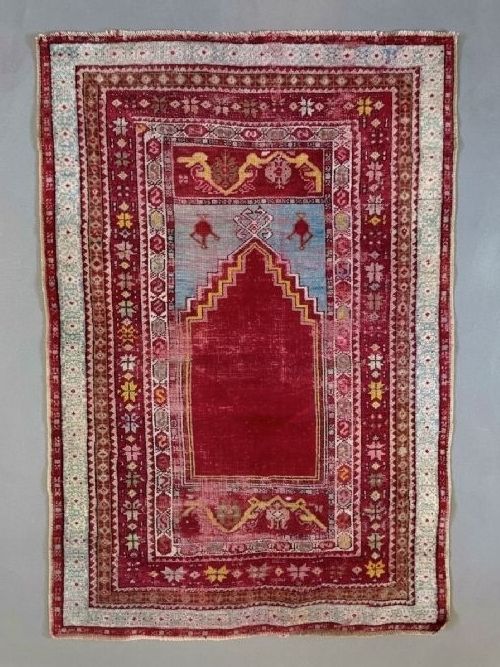
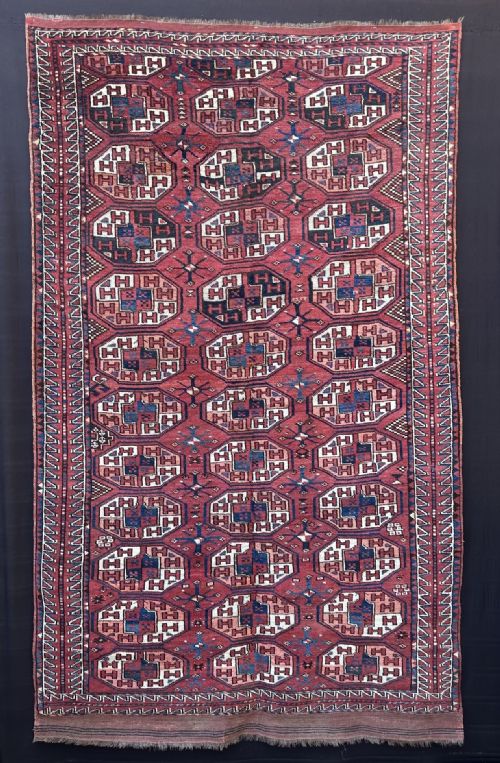
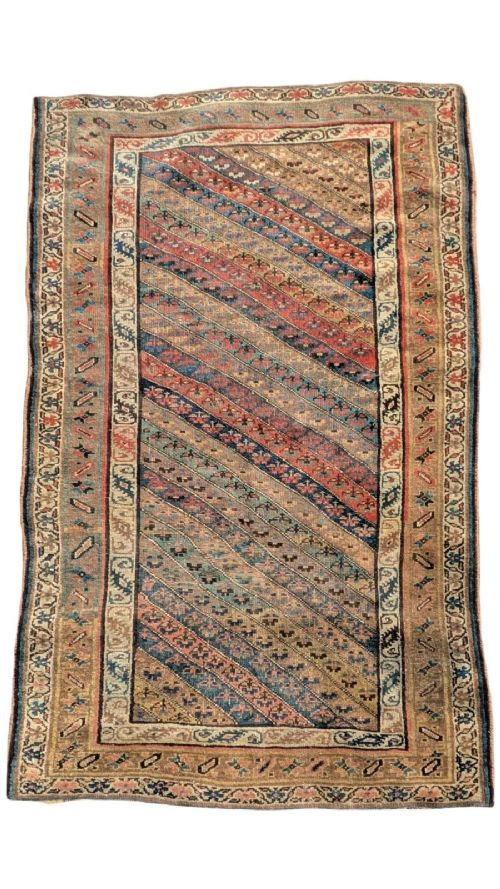
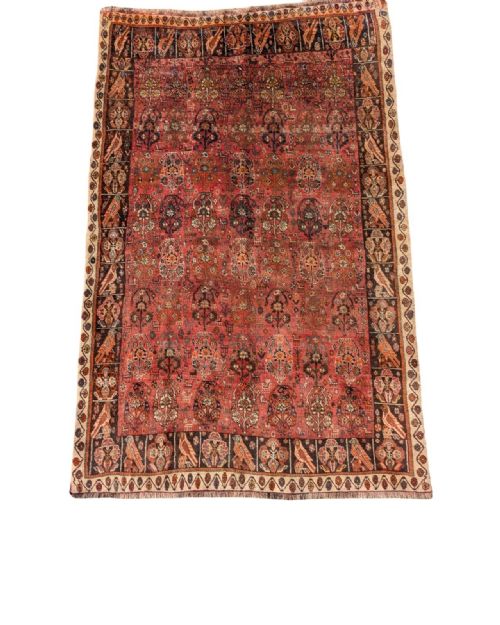
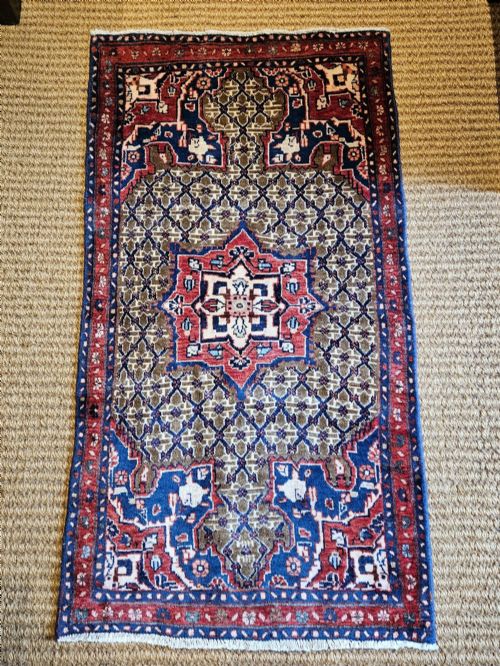
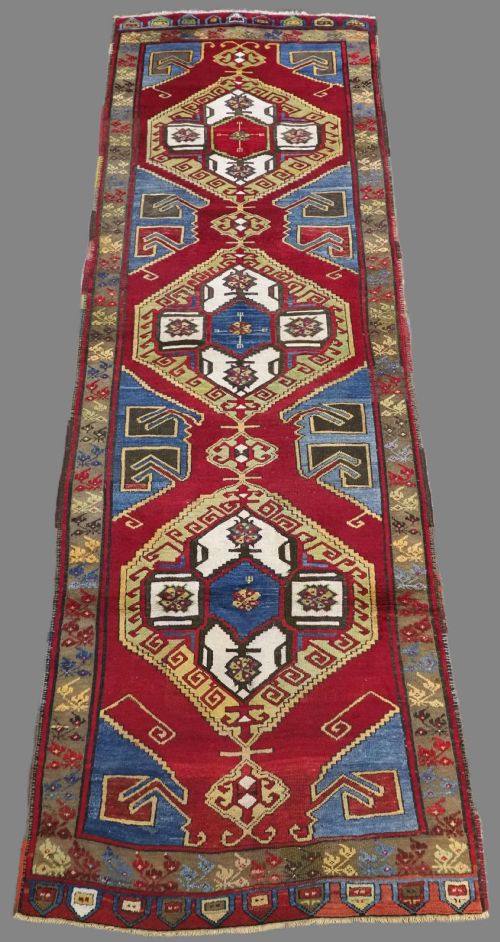
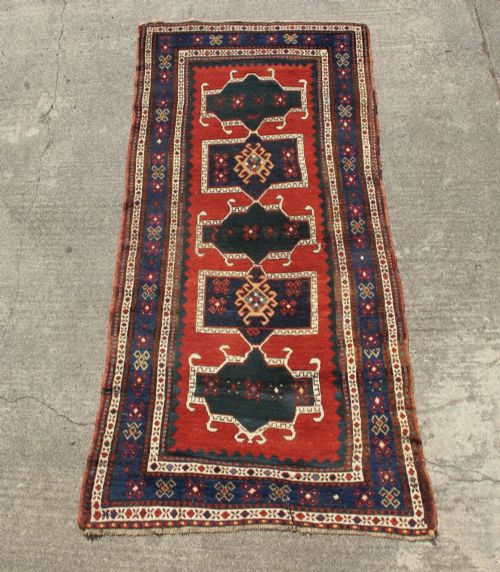
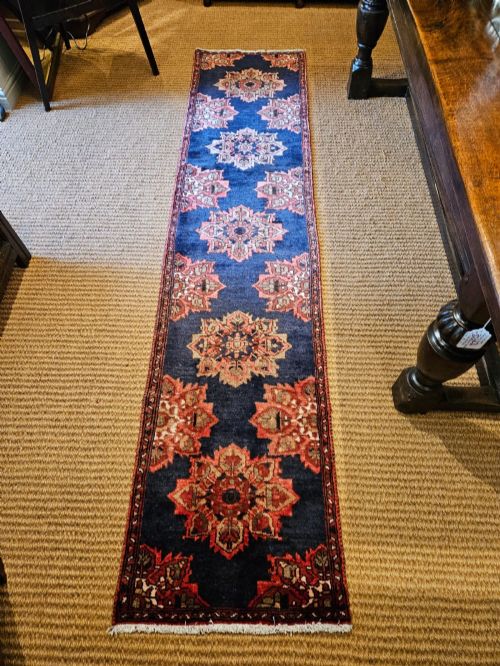
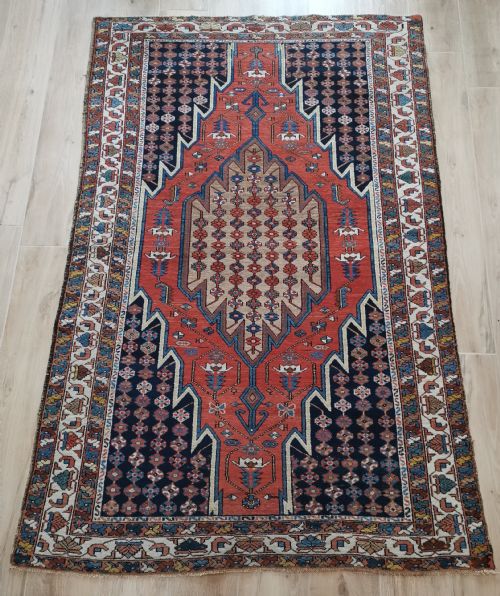
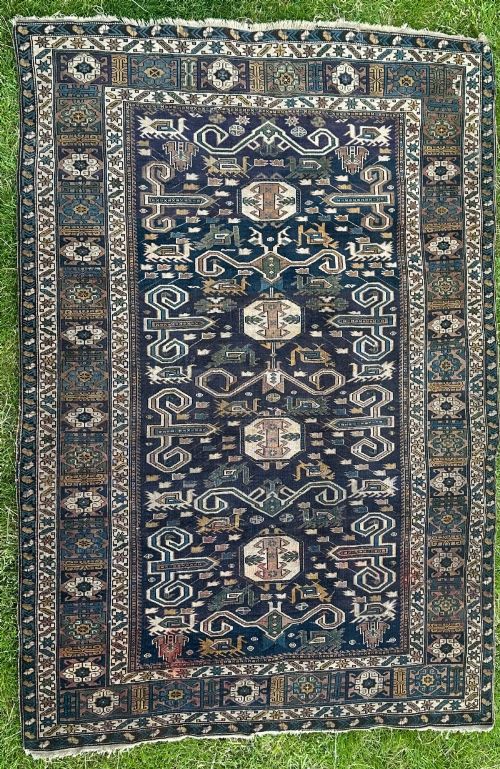
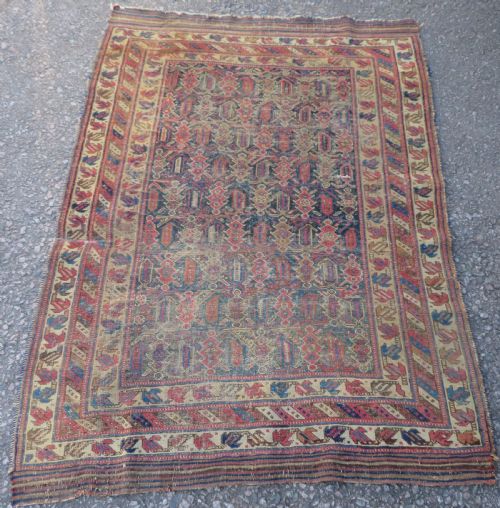
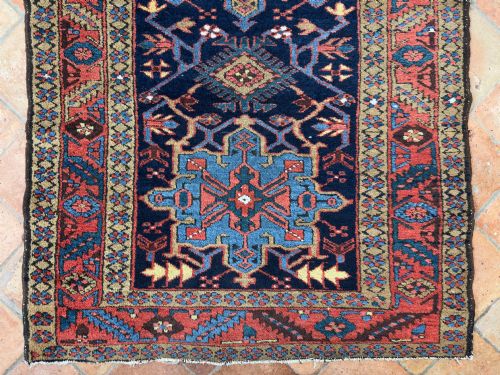
A vintage tribal floor runner is an elongated textile designed for corridors, hallways, and narrow spaces by weaving communities across Persia, the Caucasus, and Central Asia. These pieces trace their origins back through the nineteenth and early twentieth centuries, spanning periods from the Victorian era up to the 1930s. Buyers searching for a vintage tribal floor runner encounter long, narrow formats that range from traditional Persian styles to Caucasian and Turkmen tribal weaves.
The selections available bring together regional village and nomadic productions, including specific forms like the Heriz runner, the Karaja runner, and long Kazak or Konya examples. These textiles served practical purposes in village homes and nomadic tents before finding their way into contemporary interiors. Each runner displays the distinct geometric motifs, medallions, or repeating field patterns characteristic of its specific tribal or regional origin.
How they were made
Makers constructed these runners using hand-spun wool and cotton, relying on natural materials that provided durability for heavy foot traffic. Weavers knotted the pile tightly by hand onto foundation warps and wefts, or created flat-weave kilims without a raised pile.
Dyers utilised natural colorants derived from plants and minerals to achieve deep shades of navy blue, rich reds, and earthy tones. These traditional dyeing and hand-knotting methods ensured the textiles could endure decades of use while developing a rich patina over time.
Nomadic weavers occasionally inserted deliberate small errors into geometric borders to ward off the evil eye.
What varies in quality
Quality in these runners rests on the density of the knotting, the precision of the geometric layout, and the depth achieved in the colour palette. Finer village and nomadic pieces demonstrate tighter structural foundations and greater resilience against wear.
The integrity of the wool, the clarity of the tribal motifs, and the preservation of original edges and ends distinguish superior examples from heavily worn alternatives. Master weavers achieved a harmonious balance of proportion and colour that elevates certain runners above standard utility pieces.
Kizyl Ayak Tribe·Kashgai Carpet·Bakhtiar Rug·Konya Karapinar·Kazak Rug·Shirvan Rug·Afshar Tribal Rug·Karaja Runner·Hamadan Rug·Ushak Kilim
The Vintage Tribal Floor Runner Glossary
- Runner
- A long, narrow carpet format specifically proportioned for corridors, hallways, and staircases. This shape accommodates restricted spaces while displaying continuous border and field designs.
- Kilim
- A flat-woven carpet or runner produced without a pile by tightly interweaving warp and weft threads. These textiles offer a lighter weight and a smooth surface texture.
- Knot
- The individual loop of wool tied around the warp threads that forms the plush surface pile of a rug. Higher knot counts generally indicate finer detail in the pattern.
- Warp
- The vertical foundation threads stretched lengthwise on the loom before weaving begins. Weavers tie the pile knots directly onto these supporting strands.
- Weft
- The horizontal threads passed alternately over and under the warp threads to bind the knots and secure the structure. These threads run across the width of the runner.
Vintage Tribal Floor Runner: Frequently Asked Questions
Where should I place a long runner?
These narrow textiles suit hallways, corridors, and entryways where their elongated proportions fit high-traffic transit routes. They add warmth and character to otherwise bare wooden floors.
Ensure the chosen space allows the runner to lie flat without obstructing doors opening inward.
How do I identify a tribal design?
Tribal rugs typically feature geometric motifs, stylized animals, and repeating hooked medallions rather than formal court curves. Weavers worked from memory within specific village or nomadic traditions.
This gives each piece an asymmetrical charm distinct from workshop productions.
What materials make up these runners?
Traditional examples rely primarily on hand-spun wool for the pile and soft cotton for the foundational structure. Natural animal and plant fibres ensure resilience against daily friction.
Some lighter flat-weaves omit the pile entirely, consisting solely of interlocking wool and cotton threads.
How do I care for an old rug?
Regular gentle vacuuming without a rotating brush roll prevents dust accumulation within the wool pile. Professional cleaning suited for antique textiles preserves the natural lanolin in the fibres.
Using a quality underlay prevents slipping and reduces friction between the floorboards and the foundation.