






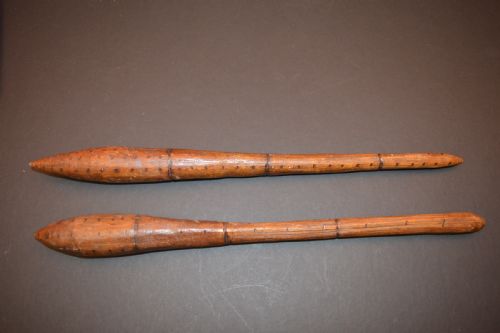


Vintage Tribal Artifact
These vintage tribal artefact pieces combine historical craft and cultural heritage, offering tangible links to global traditions.
Vintage Tribal Artifact
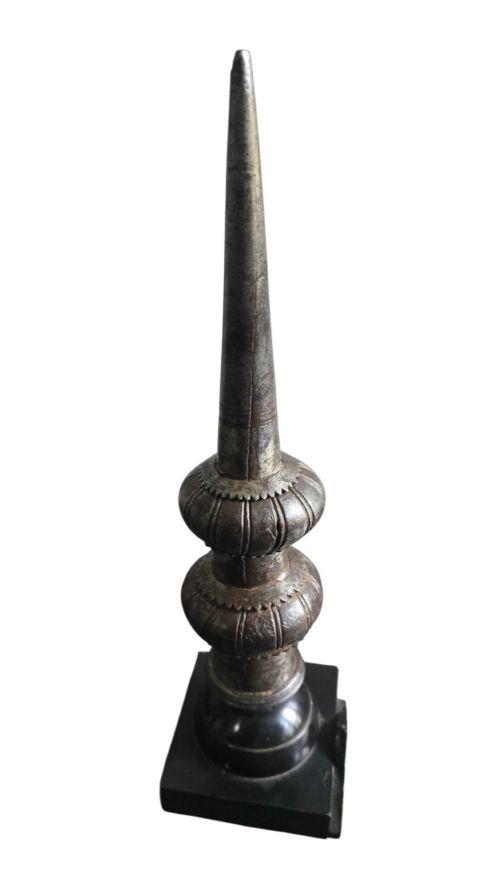
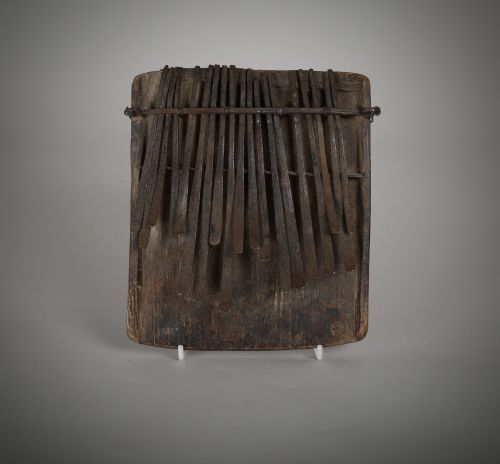
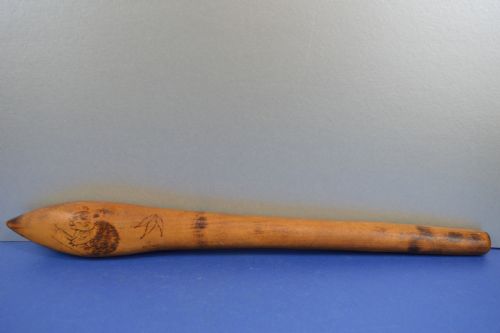
A vintage tribal artefact represents traditional craftsmanship from various global cultures, including African, Indigenous Australian, Oceanic, Inuit, and Native American communities. Buyers encounter objects ranging from utilitarian tools and weapons to sculptural masks, statues, and personal items.
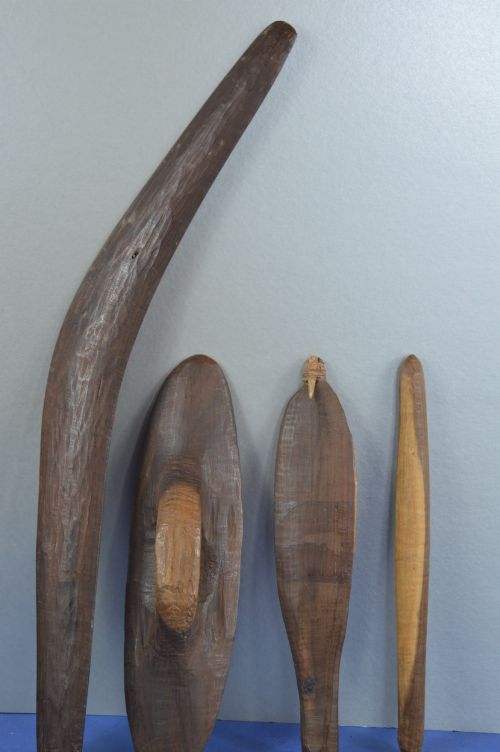
The pieces on this page span several centuries, with a strong representation of nineteenth-century items alongside twentieth-century examples up to the nineteen-thirties. Forms vary widely from throwing clubs and woomeras to bronze busts, carved whalebone statues, and musical instruments.
Originating from specific regional traditions such as Zulu, Yoruba, Ashanti, Baule, and Dakota Sioux, these items carry distinct cultural contexts. The selection emphasises tangible historical function, whether through warfare, ceremony, or daily domestic life.
How vintage tribal artefact pieces were made
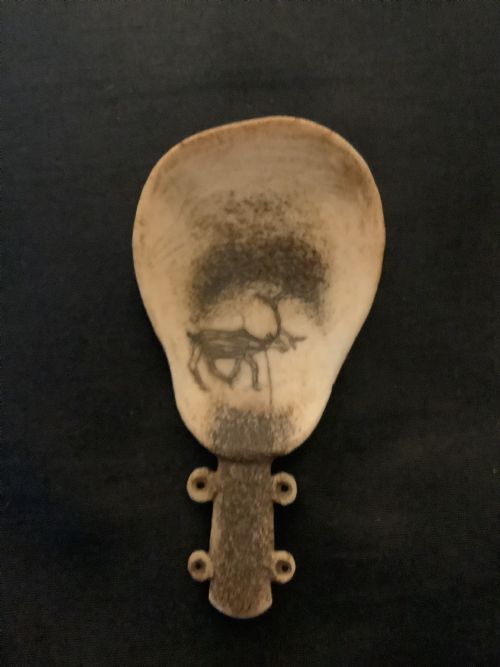
Makers utilised natural materials readily available to their environments, predominantly hardwood, wood, bone, and antler. Organic elements like leather, pigment, and whalebone further define the construction of specific objects.
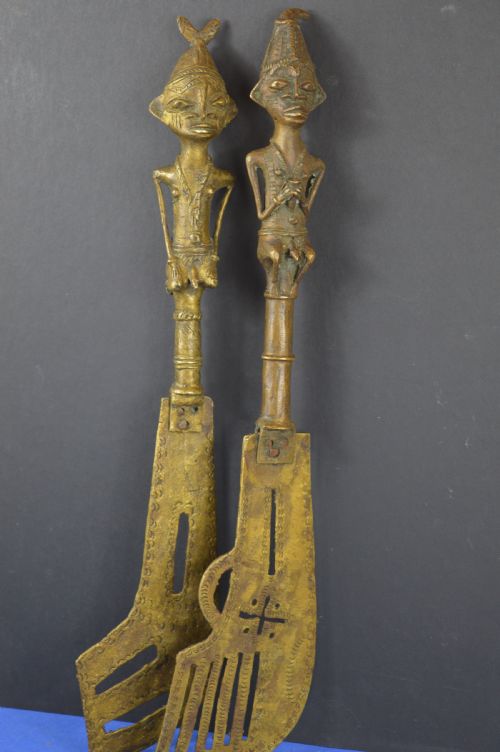
Metalwork and casting appear in select items, notably through bronze casting techniques seen in West African pieces. Carving and shaping relied on manual dexterity, utilising basic tools to achieve intricate surface details and functional forms.
Vintage Tribal Artifact Retail Price Guide 2026
Typical asking prices for vintage tribal artifact among the pieces listed under this phrase on Sellingantiques today, from the lower quarter to the upper quarter. They describe what is for sale here now, not the wider market.
Listings span multiple eras from the eighteenth century through to the nineteen-thirties, utilising hardwood, bronze, bone, and whalebone.
What varies in quality in vintage tribal artefact pieces
Quality rests upon the integrity of the material and the mastery of the carving or casting technique. Superior examples display confident handling of hard woods, bronze, or bone, resulting in balanced proportions and clear cultural motifs.
The depth of historical use and the preservation of original surface patinas also distinguish exceptional pieces. Objects that retain their authentic pigment, wear patterns, and structural wholeness command greater appreciation among collectors.
The Vintage Tribal Artifact Glossary
- Knobkerrie
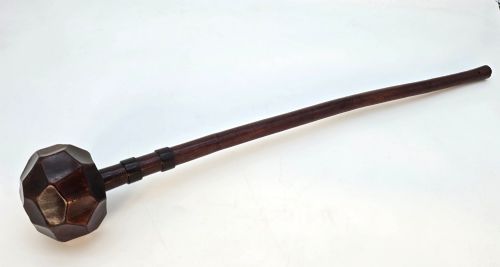
- A traditional African wooden throwing club featuring a heavy rounded knob at one end. This weapon was utilised for both warfare and hunting.
- Woomera
- An Australian Aboriginal spear-throwing tool that increases the velocity and force of a launched spear. It often doubles as a carrying vessel or tool.
- Patina
- The surface sheen and colour developed over years of handling, exposure, and natural ageing. Collectors look for this as an indicator of genuine age and use.
- Tomahawk
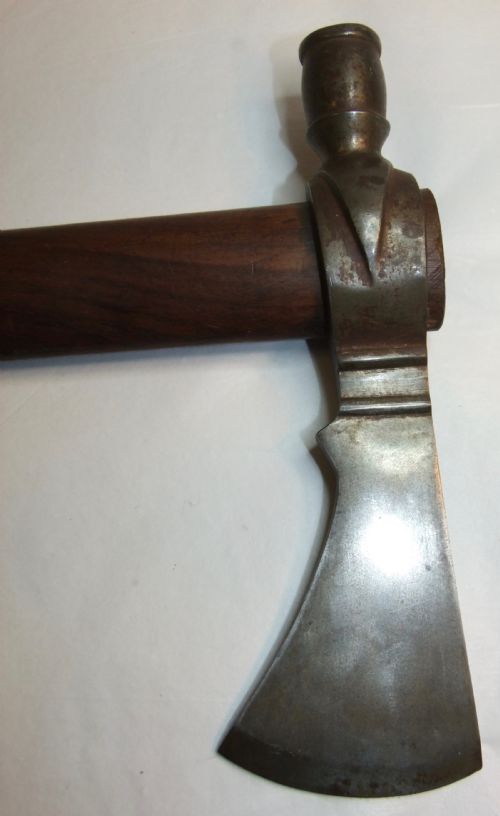
- A lightweight North American axe used as a tool and weapon. Examples often incorporate a smoking pipe bowl integrated into the metal head.
- Ethnographic
- Pertaining to the scientific description of peoples and cultures. This category covers objects created by indigenous and traditional societies.
Vintage Tribal Artifact: Frequently Asked Questions
What is a knobkerrie?
A knobkerrie is a traditional African club featuring a distinct rounded head used for hunting and defence.
These wooden implements were shaped by indigenous makers using dense local hardwoods.
How old are these artifacts?
The items range primarily from the eighteenth century through to the nineteen-thirties.
Nineteenth-century examples form a significant portion of the available pieces.
What materials are used?
Makers utilised organic materials such as hardwood, bone, antler, leather, and whalebone.
Metal components like bronze and iron also appear in specific regional items.
How should I display them?
These pieces suit stable indoor environments away from direct sunlight and extreme humidity.
Mounting them securely highlights their sculptural qualities and historical forms.