
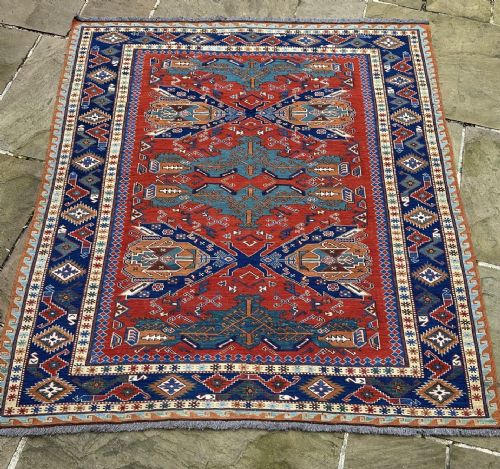
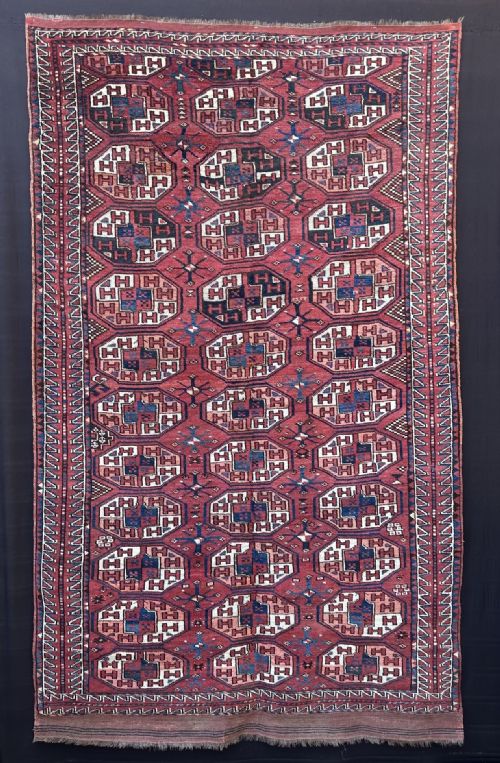


Vintage Tribal Area Carpet
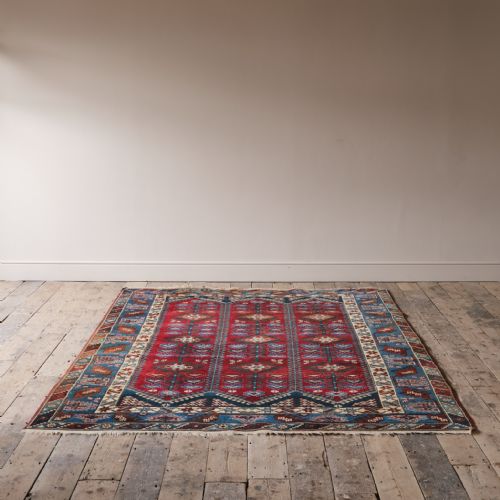
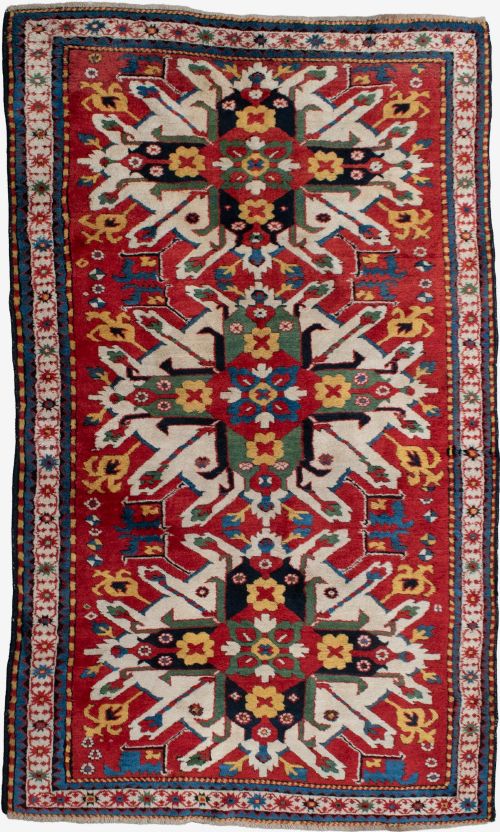
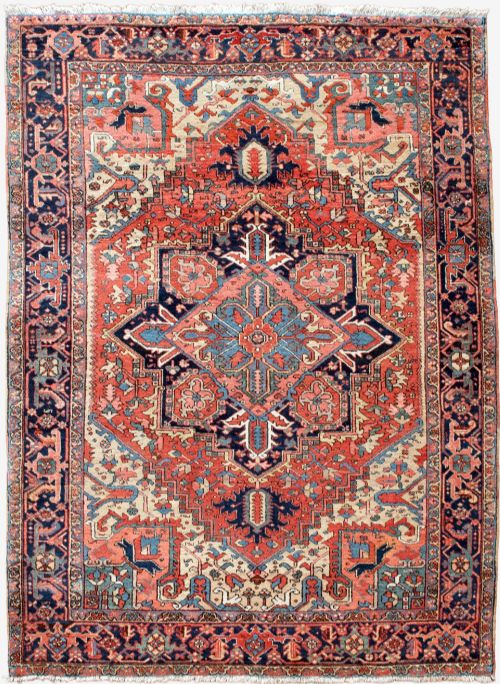
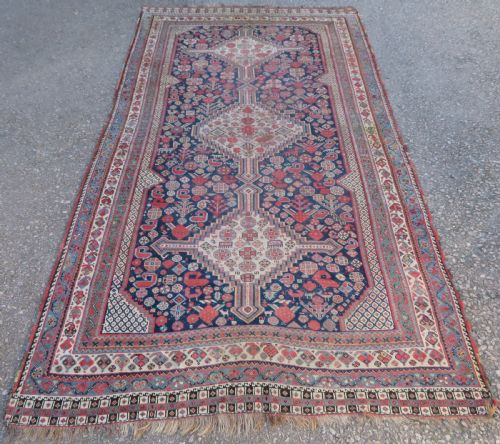
When you search for a vintage tribal area carpet, you encounter woven floor coverings from nineteenth and early twentieth century regional traditions.
Vintage Tribal Area Carpet
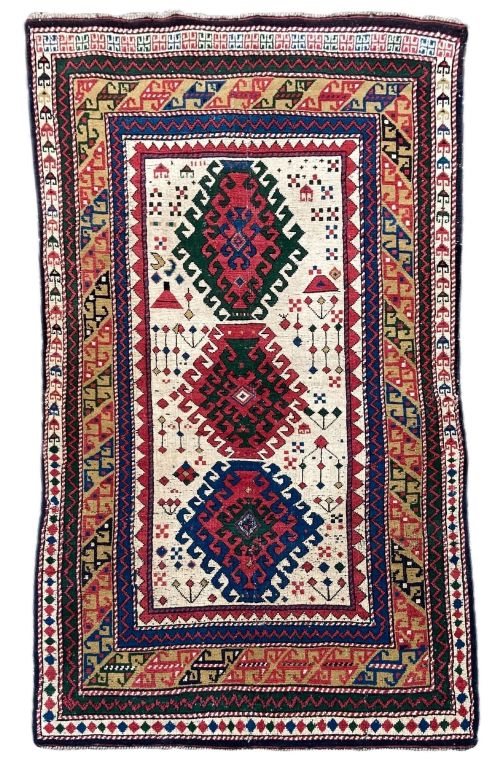
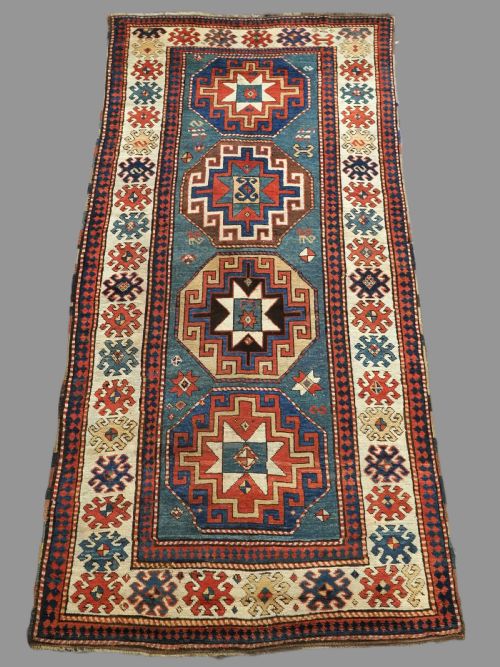
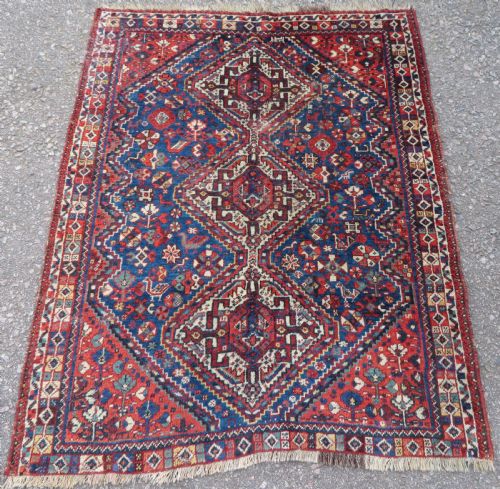
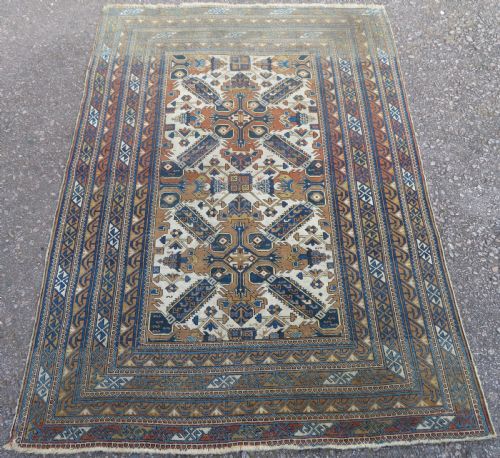
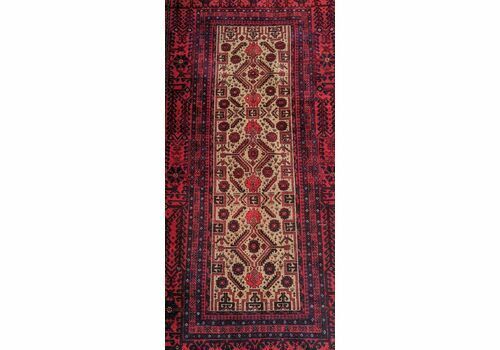
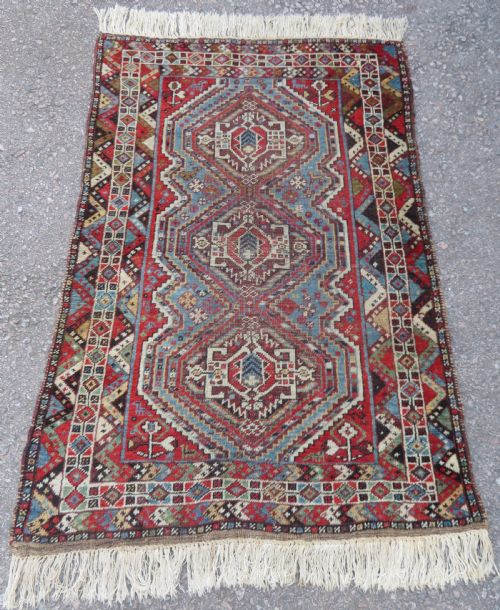
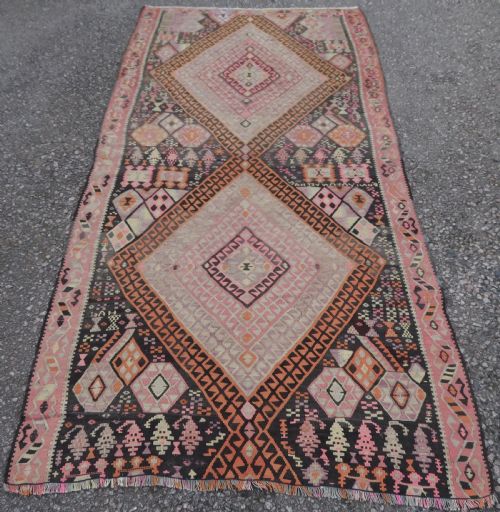
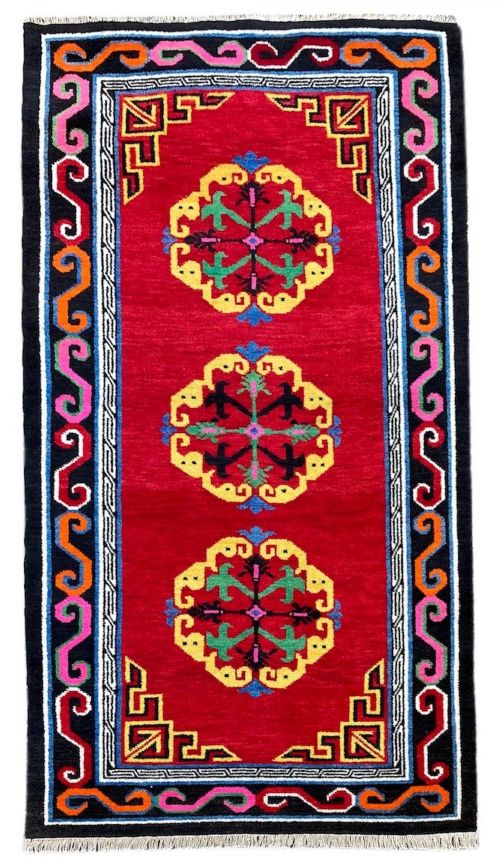
A vintage tribal area carpet represents the weaving traditions of nomadic and village groups from Persia, the Caucasus, Turkmenistan, Anatolia, and Afghanistan. These pieces serve as functional floor coverings that display distinct regional iconography and geometric structures.
The selections available reflect periods spanning the late nineteenth century through to the early decades of the twentieth century. Common formats include area rugs, runner rugs, and larger carpets created by weavers working within specific tribal groupings.
Materials and construction methods
Makers utilised wool, cotton, and camel hair or camel wool for the pile and foundation of these textiles. Hand-spun wool provides the structural integrity for many examples, often paired with natural dyes.
Hand-weaving techniques dictate the dense pile and flat-woven structures observed across the pieces. The combination of hand-spun materials and traditional dyeing methods results in varied surface textures and rich colour palettes.
Listings feature pieces utilising hand-spun wool and natural dyes originating from nineteenth-century Persia, the Caucasus, and Central Asia.
Distinctions in quality
Quality rests in the precision of the weave and the depth of the materials used in construction. Tightly packed knots and consistent hand-spun wool foundations indicate greater durability.
The complexity of the regional design and the clarity of the natural dyes separate standard village pieces from finer tribal examples. Well-executed geometric medallions and balanced compositions show the weaver's control over the medium.
Kizyl Ayak Tribe·Khamseh·Bakhtiar·Ersari Turkmen·Yomut
The Vintage Tribal Area Carpet Glossary
- Pile
- The cut yarn surface of a carpet that forms the textured layer. This component takes the primary wear during use.
- Warp
- The stationary vertical threads stretched on the loom to form the foundation. Weft threads pass horizontally through these elements.
- Natural Dyes
- Colourants derived from plant, insect, or mineral sources rather than synthetic chemicals. These substances yield complex tones that weather over time.
- Medallion
- A central ornamental motif positioned in the field of a carpet. This design element often dictates the symmetry of the surrounding pattern.
- Runner
- A long, narrow carpet format designed for hallways or corridors. These pieces adapt specific regional motifs to an elongated shape.
Vintage Tribal Area Carpet: Frequently Asked Questions
How do I identify a tribal rug?
Tribal rugs typically display geometric motifs, stylized animal forms, and repeating lattice patterns rather than the curved floral designs found in city workshops. These patterns reflect the specific cultural heritage of the weavers.
Examination of the wool and the back of the rug reveals irregularities that point to hand-weaving by nomadic or village communities.
What materials were used?
Weavers relied predominantly on sheep wool for the pile, supplemented by cotton foundations in many regional types. Camel hair and camel wool also appear in specific village and nomadic pieces.
Natural dyes derived from local plants and minerals provided the red, blue, and yellow tones seen across these antique textiles.
Where were these carpets made?
The production centres span Central Asia, the Caucasus, Persia, and Anatolia. Distinct groups such as the Turkmen, Baluch, Afshar, and Kazak communities produced carpets suited to their nomadic or village lifestyles.
Each region developed specific colour combinations and structural characteristics that distinguish their weaving traditions.
How should I care for an antique carpet?
Gentle vacuuming without a rotating brush prevents damage to the hand-knotted pile. Professional cleaning suited to antique textiles preserves the natural wool fibres.
Placing the carpet away from direct sunlight protects the natural dyes from fading over years of domestic use.