




Vintage Treen Container
These vintage treen container examples bring practical turned and carved timber into daily use, offering tactile warmth and historic utility.
Vintage Treen Container
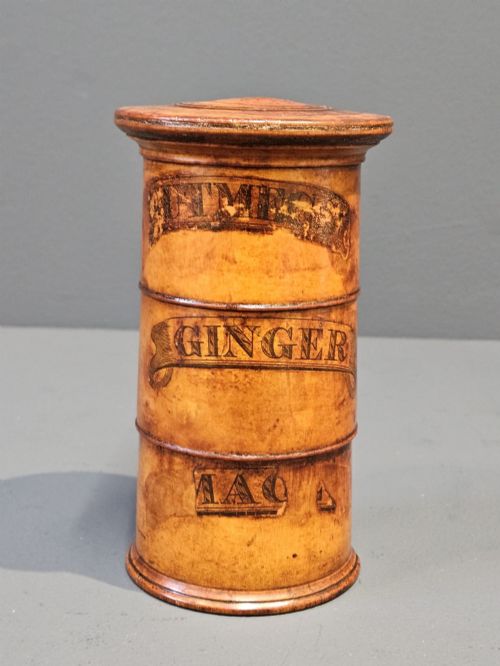
A vintage treen container encompasses small turned and carved wooden objects designed to hold dry goods, spices, tobacco, string or personal items. The selection draws on Georgian, Victorian and Edwardian periods, bringing domestic utility from past centuries into modern spaces.
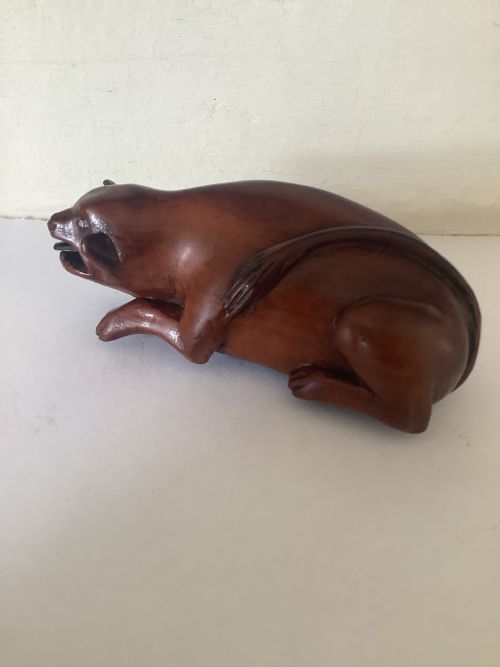
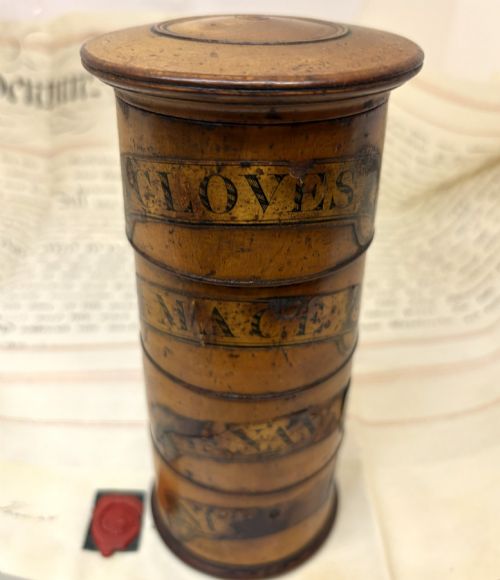
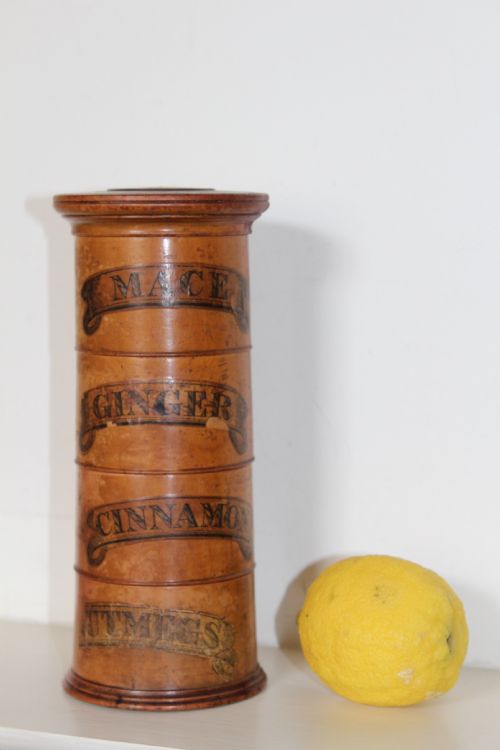
Buyers encounter multitiers like spice towers alongside single lidded jars, string holders and figural pieces fashioned from dense hardwoods. These functional vessels reflect domestic habits from the 19th century and early 20th century.
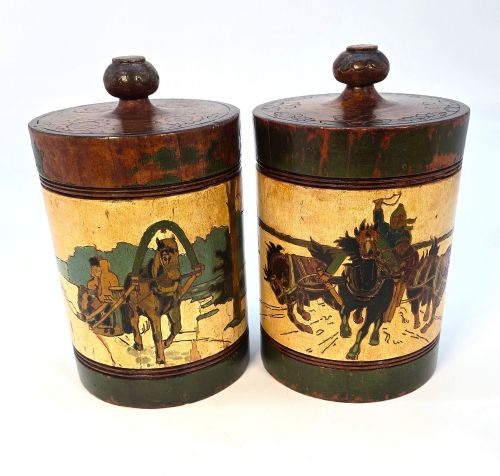
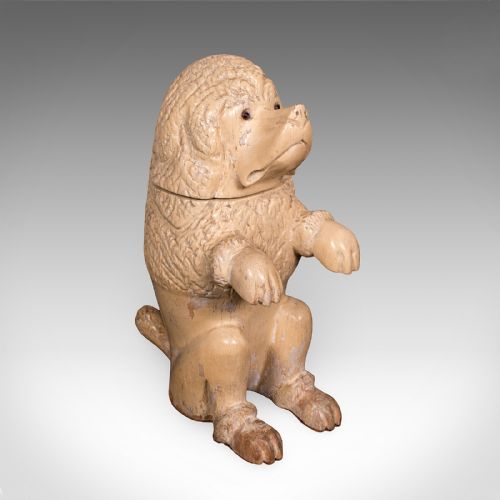
Forms range from simple turned barrels in sycamore or mahogany to intricately carved Russian tobacco containers and naïve animal subjects. Each piece demonstrates the application of traditional woodturning and carving techniques to everyday household storage.
Materials and construction
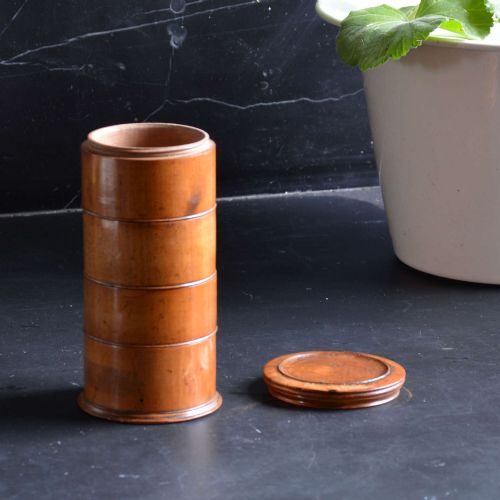
Turners utilised dense native and exotic timbers including boxwood, fruitwood, yew wood, sycamore, mahogany, oak and lignum vitae. These close-grained woods allowed artisans to shape tight-fitting lids, threaded sections and delicate multiple tiers on a lathe.
Surface finish relies on natural wear, wax polish and occasionally painted decoration or inlay. Construction methods combine precision turning with hand-carving for figural elements such as the antique poodle tobacco jar.
Vintage Treen Container Retail Price Guide 2026
Typical asking prices for vintage treen container among the pieces listed under this phrase on Sellingantiques today, from the lower quarter to the upper quarter. They describe what is for sale here now, not the wider market.
Assessing quality and character
Quality rests on the crispness of the turning, the snugness of fit between lids and bases, and the preservation of original surfaces. Multi-tiered spice towers that retain all their corresponding sections demonstrate greater complexity and desirability.
The choice of timber and the fineness of detail in carved or inlaid decoration elevate specific examples. Well-patinated fruitwood and boxwood display superior grain definition and depth of colour compared to plainer timber.
The Vintage Treen Container Glossary
- Treen
- Small handmade wooden domestic objects produced prior to the widespread use of plastics. The term derives from the old English word for tree.
- Spice tower
- A stacked multitiers container designed to hold various culinary spices in separate compartments within a single vertical unit.
- String holder
- A hollow turned vessel featuring a small central aperture through which twine is pulled for domestic parcels.
- Lignum vitae
- An extremely heavy and dense tropical hardwood traditionally utilised for utilitarian items requiring high impact resistance.
- Snuff box
- A small pocket-sized container fashioned for holding powdered tobacco consumed through the nose.
Vintage Treen Container: Frequently Asked Questions
What were spice towers used for?
Spice towers held precious cooking spices in stacked compartments, keeping aromatic powders separated and fresh in historic kitchens.
Their tiered design saved valuable counter space while displaying the owner's access to exotic goods.
How do I care for wooden containers?
Keep wooden containers away from direct sunlight and rapid temperature fluctuations to prevent the timber from splitting or warping.
An occasional application of a suitable neutral wax helps nourish the antique grain without building up sticky residues.
How do I date a treen container?
Dating relies on identifying the turning style, timber choice, tool marks left on the underside and overall wear patterns.
Georgian and Victorian pieces often exhibit hand-turned characteristics and specific timber combinations typical of those eras.
Are string holders still practical?
String holders function well on modern desks or in kitchens for dispensing twine while adding historical character to a workspace.
They protect the ball of string from tangling while keeping the end accessible through the central aperture.