

Vintage Tray with Handles
A vintage tray with handles is a practical piece of serving history that brings period charm straight to the table or cocktail hour.
Vintage Tray with Handles
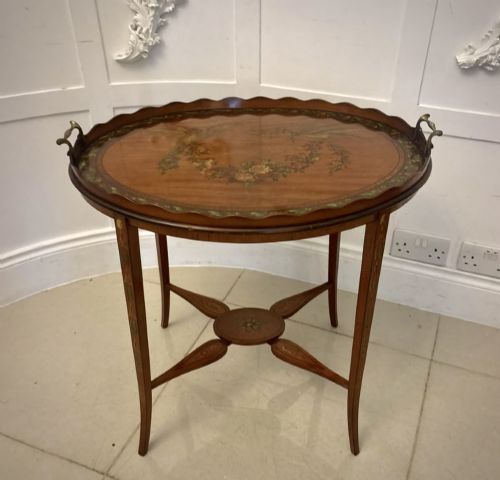
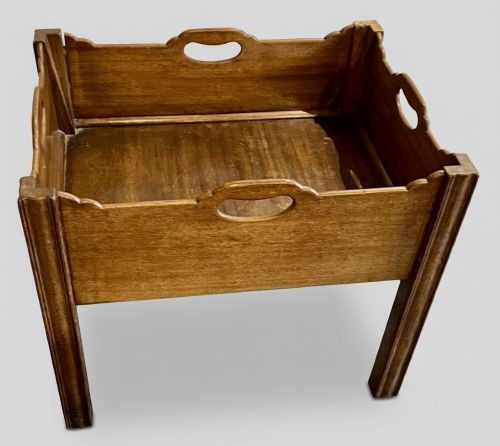
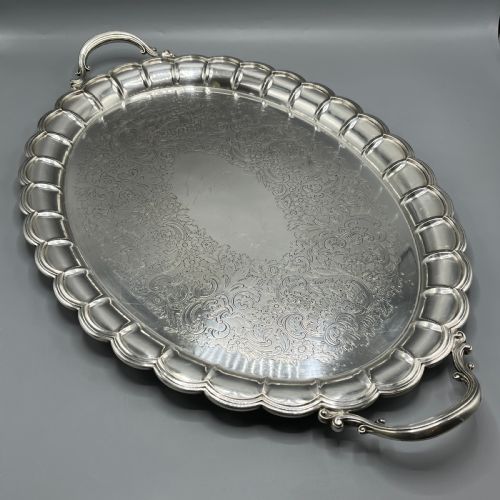
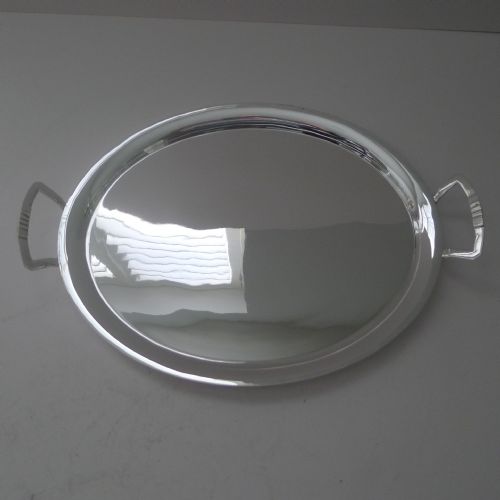
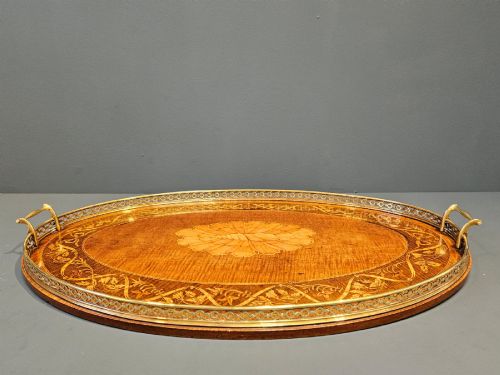
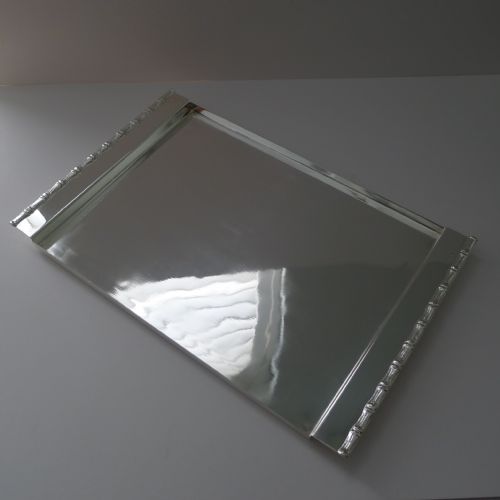
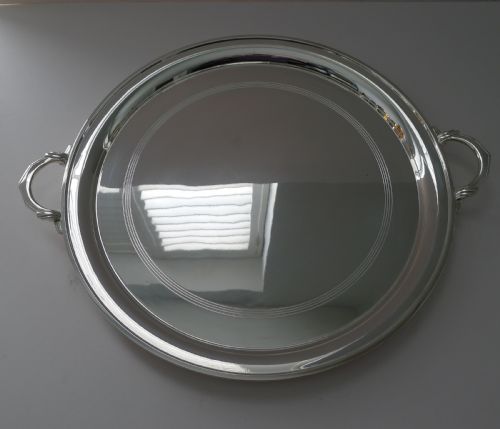
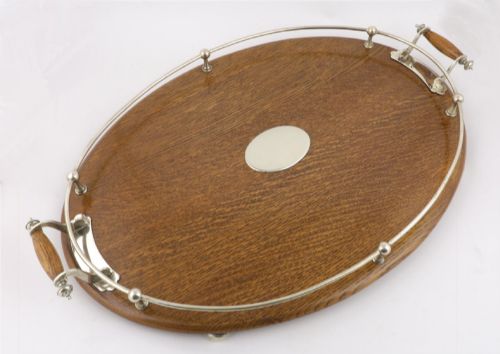
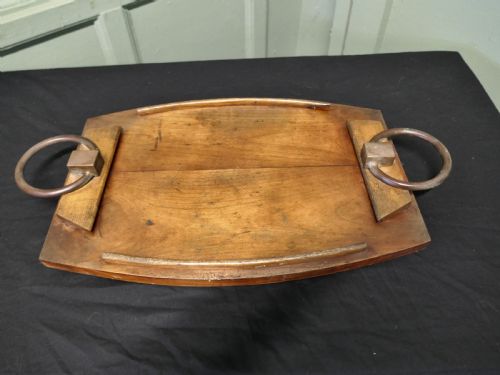
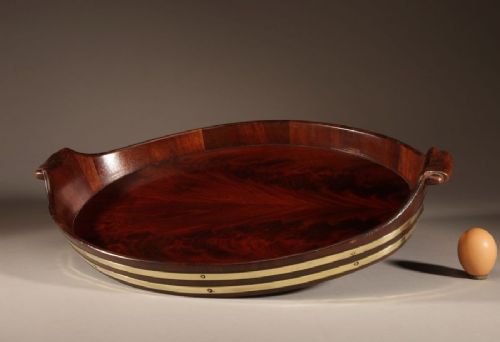
When searching for a vintage tray with handles, buyers encounter a diverse selection spanning the nineteenth and twentieth centuries, taking the form of serving trays, drinks trays, cocktail trays, and low gallery tables.
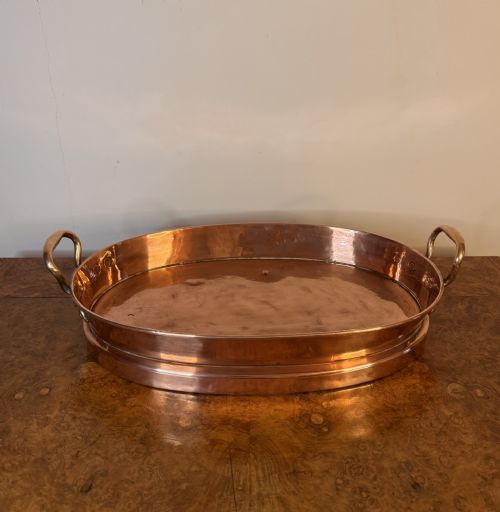
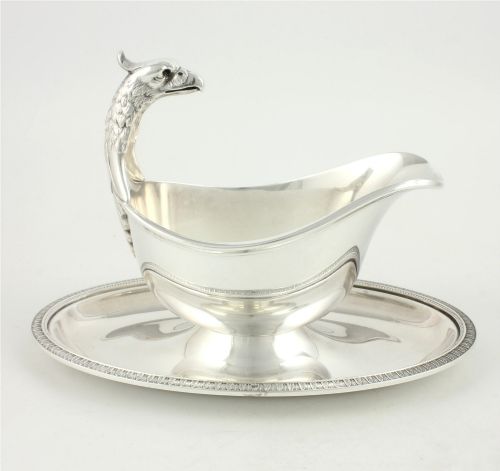
The pieces appearing on this page draw from Victorian, Edwardian, and Art Deco periods, encompassing traditional mahogany and satinwood timbers alongside silver plate, brass, copper, and sterling silver.
Makers and designers range from individual Arts and Crafts workshops to renowned firms such as Mappin and Webb, Christofle, and Keith Murray.
How they were made
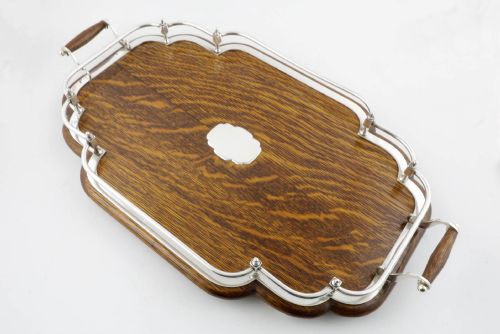
Wooden examples utilise timber framing in mahogany, satinwood, oak, or golden elm, frequently enhanced with marquetry inlay or delicate brass and wooden galleries.
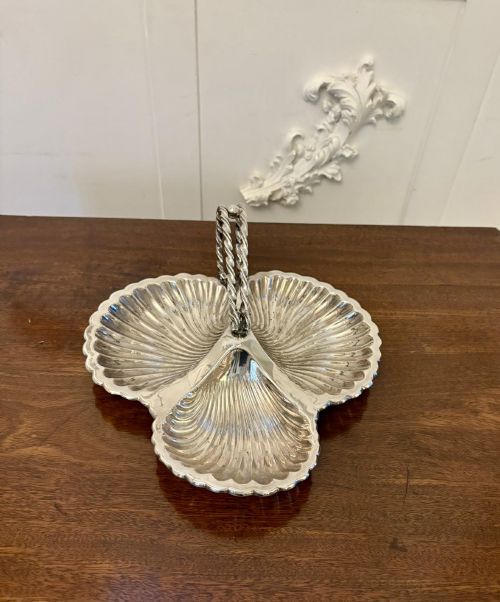
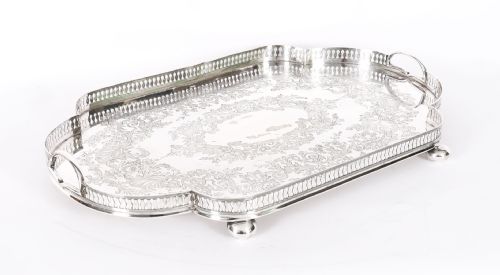
Metal variations depend on silver plating over base metals, heavy sterling silver, solid brass, or copper, sometimes featuring engraved borders, mirror glass bases, or applied handles.
Vintage Tray with Handles Retail Price Guide 2026
Typical asking prices for vintage tray with handles among the pieces listed under this phrase on Sellingantiques today, from the lower quarter to the upper quarter. They describe what is for sale here now, not the wider market.
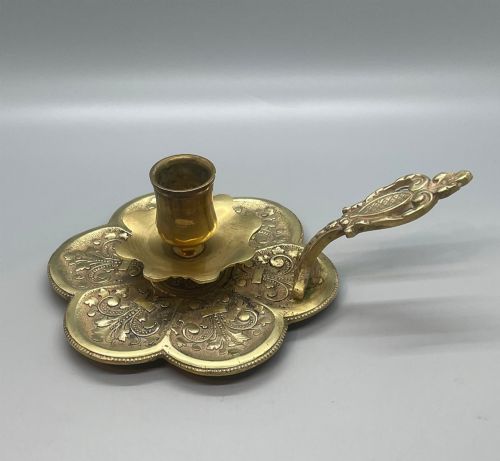
Object types range from standard serving platters and drinks trays to ship's trays and chamber candlesticks with fitted handles.
What varies in quality
Quality rests upon the crispness of the manufacturing, whether in the precision of the wood inlay and joinery or the depth and detail of engraved motifs on silver-plated and solid metal surfaces.
Heft, structural rigidity of the handles, and the integration of galleries separate standard utility items from finer examples designed for formal entertaining.
Mappin and Webb·Christofle·John Hunt·Ralph Lauren·Newlyn
The Vintage Tray with Handles Glossary
- Gallery
- A raised pierced border or railing fitted around the edge of a tray to secure items. This feature is common on twentieth-century cocktail and decanter trays.
- Marquetry
- Decorative woodwork where different coloured veneered woods are fitted together to form pictorial patterns. This technique appears frequently on Edwardian mahogany pieces.
- Silver Plate
- A thin layer of silver fused to a base metal such as copper or nickel brass. Sheffield plate represents an early method of this technique.
- Cartographer's Tray
- A specialised serving tray incorporating decorative maps under glass or within the surface design. These pieces reflect Edwardian interests.
- Chamber Candlestick
- A low candleholder fitted into a small tray with a handle for carrying through a house. These items belong to nineteenth-century domestic routines.
Vintage Tray with Handles: Frequently Asked Questions
How do I clean silver plated trays?
Clean silver-plated surfaces using a soft cloth and a dedicated silver polish designed to remove tarnish without abrading the thin metallic layer.
Avoid harsh scrubbing agents and abrasive pads that scratch the metal or wear through the plating over time.
Are wooden trays waterproof?
Most antique wooden trays feature traditional French polish or varnish finishes that resist light moisture from glasses.
Prolonged contact with standing liquid or heavy condensation can damage timber or marquetry inlay, so wipe spills promptly.
How do I date an Edwardian tray?
Edwardian pieces generally date between nineteen-hundred and nineteen-ten, often identified by light mahogany timbers, satinwood inlay, and neoclassical or Sheraton revival motifs.
Maker marks, registration numbers, and structural fasteners provide further clues for precise dating.
Can I use these trays daily?
Metal and wooden trays with sturdy handles suit regular use for serving drinks, cocktails, or breakfast in bed.
Delicate glass-bottomed or finely inlaid antique examples benefit from more careful handling to preserve their decorative surfaces.