


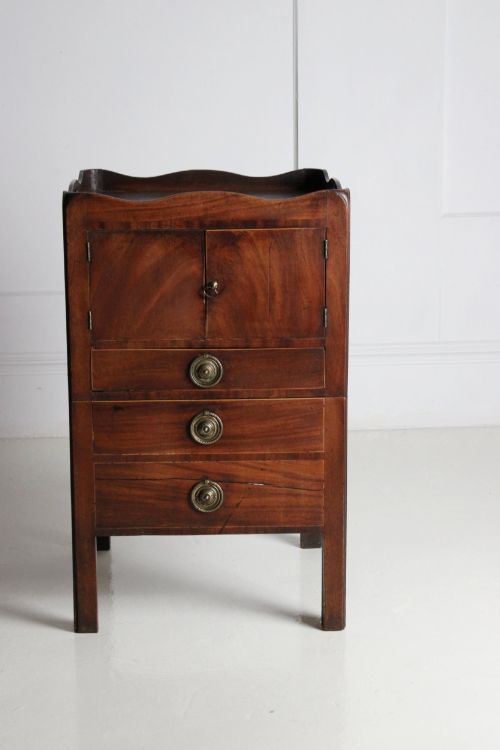
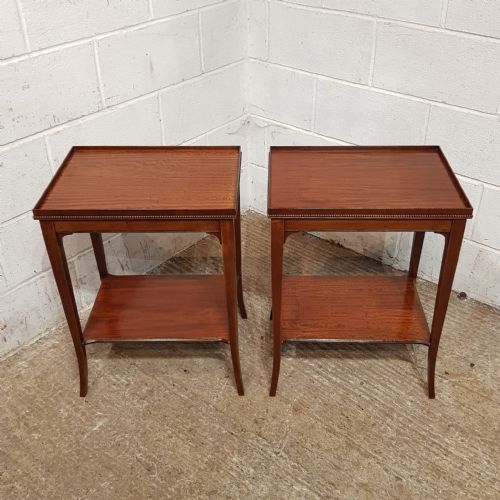
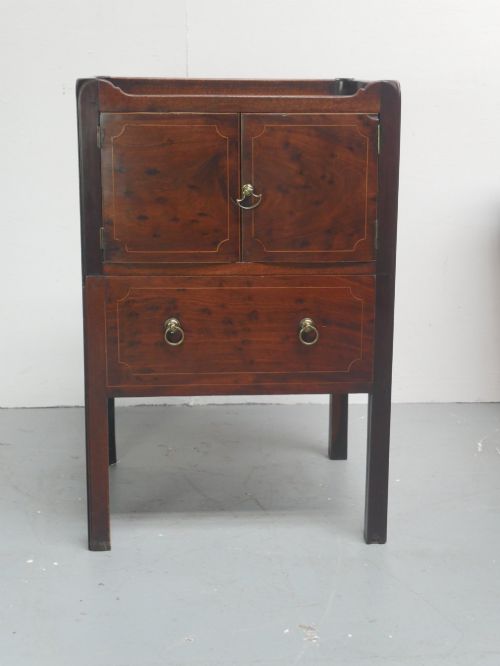
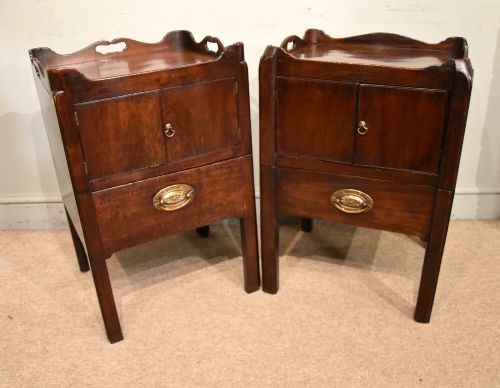
Vintage Tray Top Stand
A vintage tray top stand brings versatile folding function and raised edges to a room, offering both practical surface space and traditional craftsmanship.
Vintage Tray Top Stand
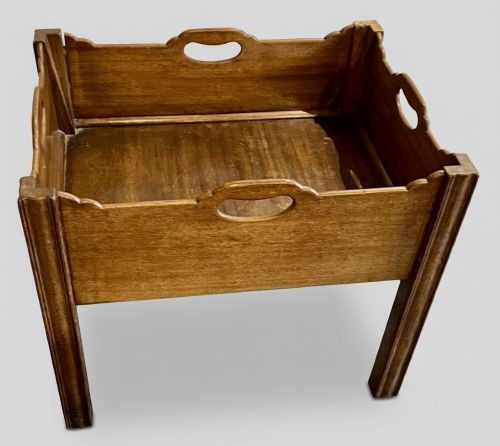
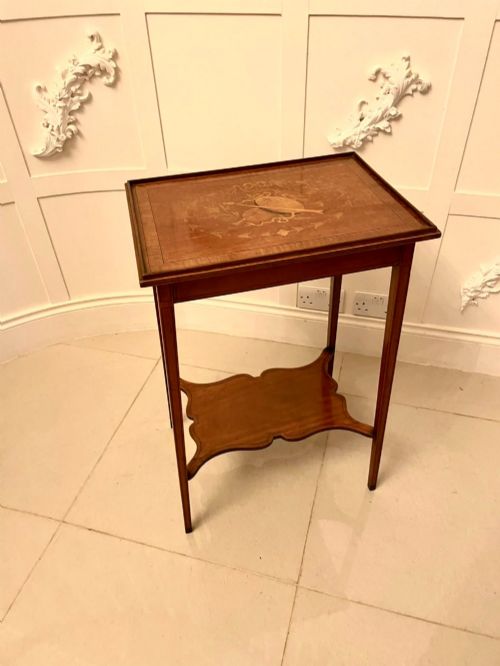
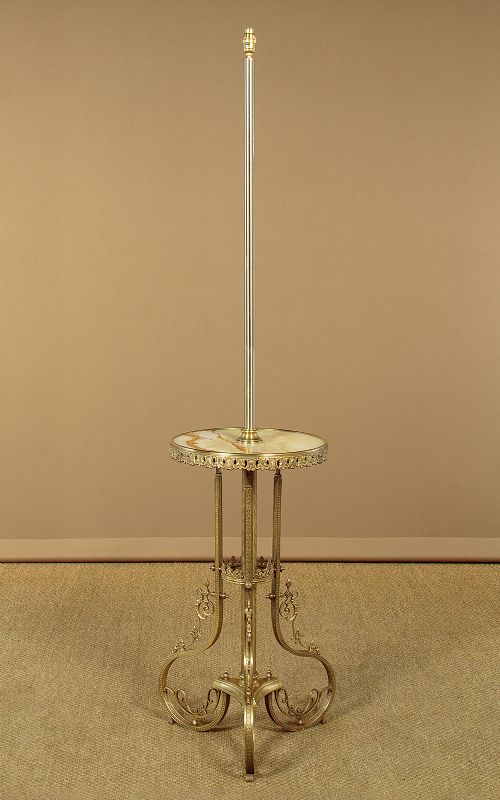
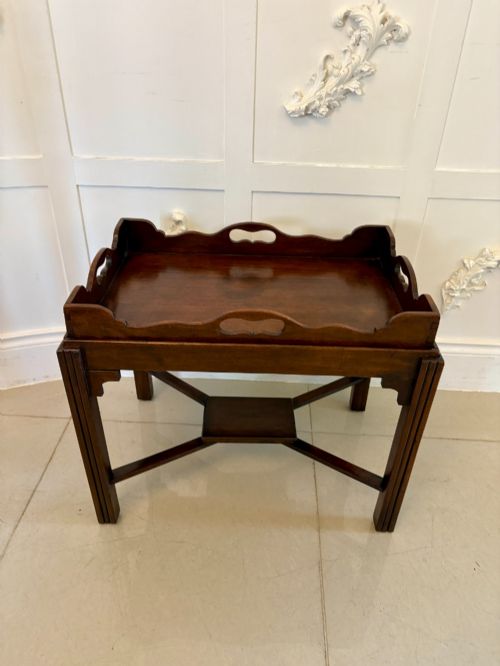
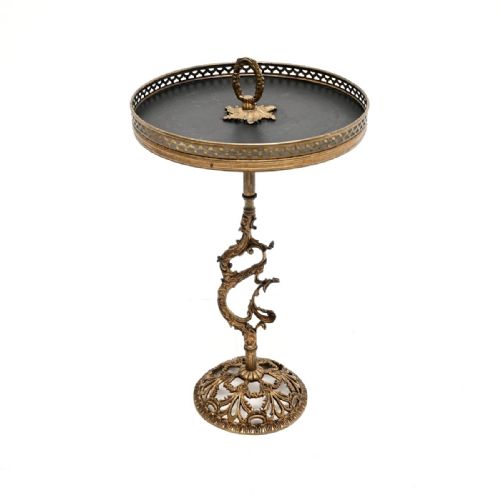
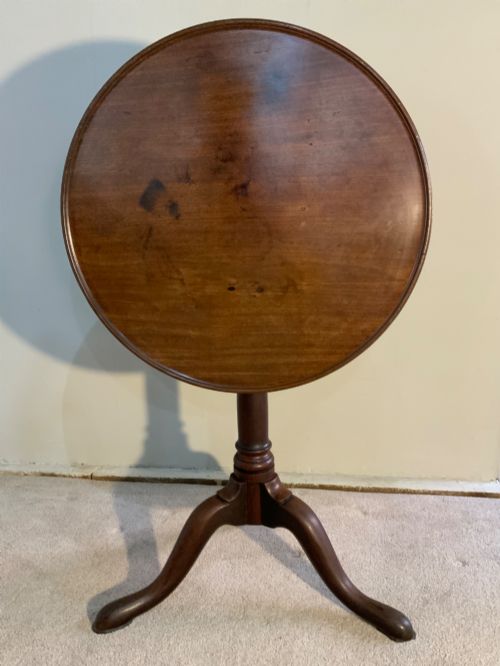
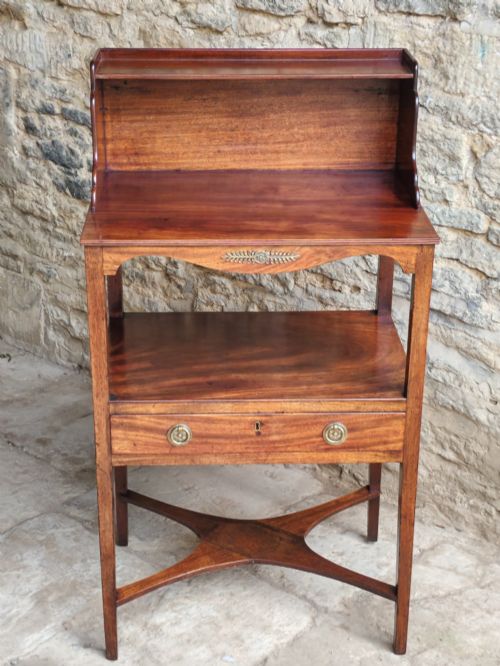
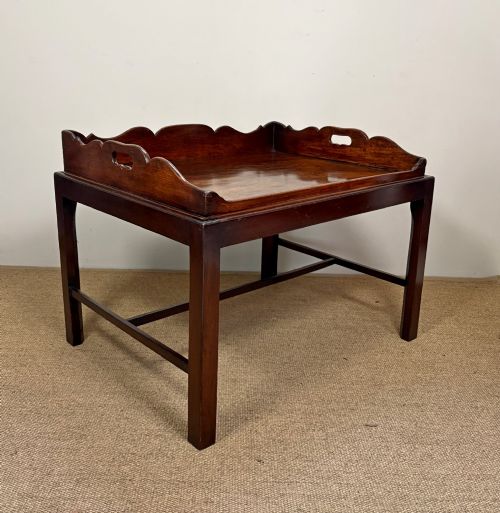
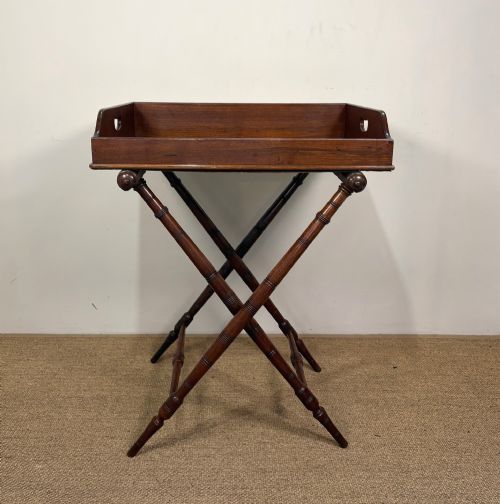
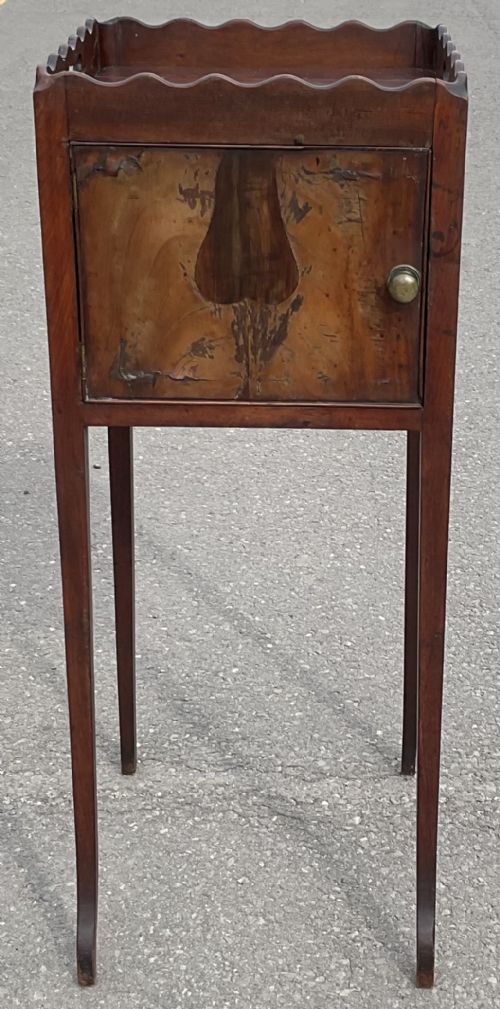
The form frequently appears as a removable wooden tray resting upon X-frame folding supports, alongside fixed bedside cabinets and tripod tables featuring raised galleries. Mahogany remains the dominant timber across these variations, though oak and occasional exotic brass or copper tops appear in diverse international styles.
Materials and construction methods
Cabinet makers relied heavily on solid mahogany and oak for structural durability, often incorporating finely figured veneers and delicate satinwood inlay for decorative contrast. Metal components such as brass carrying handles, hinges, and cast iron bases provided functional strength to folding and adjustable designs.
Joinery techniques ranged from traditional dovetailing on tray corners to turning and carving on the supporting legs and columns. Surfaces were typically finished with hand-applied polish or wax to protect the timber while highlighting the natural grain of the wood.
Vintage Tray Top Stand Retail Price Guide 2026
Typical asking prices for vintage tray top stand among the pieces listed under this phrase on Sellingantiques today, from the lower quarter to the upper quarter. They describe what is for sale here now, not the wider market.
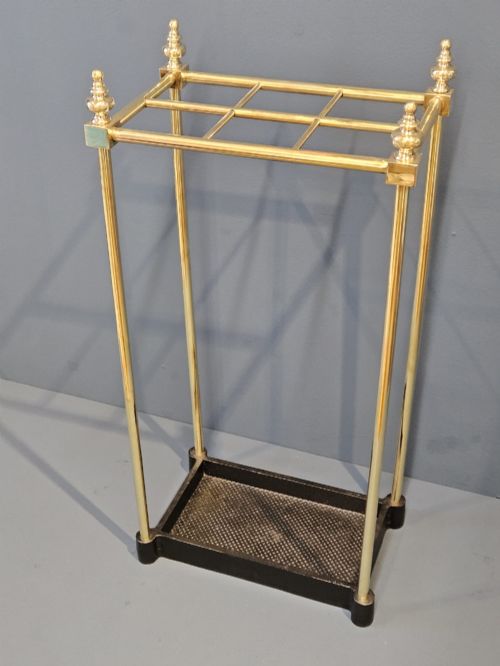
Listings demonstrate materials spanning mahogany, oak, brass, copper, and cast iron across eighteenth to twentieth-century periods.
Assessing quality and craftsmanship
Quality rests in the crispness of the joinery, the thickness of the timber used for the raised tray gallery, and the snug fit of the tray upon its folding stand. Superior examples show careful attention to detail in the grain matching across the tray floor and the restraint of any inlaid decoration.
The integrity of the folding mechanism and the retention of original hardware, such as brass drop handles or hinges, distinguish better specimens from later replacements. Pieces displaying refined proportions in both the tray depth and the height of the stand demonstrate superior design intent.
The Vintage Tray Top Stand Glossary
- Tray top
- A table top finished with a raised moulded rim or gallery designed to prevent items from sliding off.
- Butler's tray
- A large rectangular wooden tray, often fitted with hinged drop sides for easy carrying, paired with a folding stand.
- Gallery
- A decorative raised border surrounding the edge of a table or tray, pierced or solid in construction.
- Pot cupboard
- A small bedside cabinet enclosed by a door, frequently housing a shelf or interior compartment.
- Tripod table
- A small occasional table supported by a central pillar resting on three spreading feet.
Vintage Tray Top Stand: Frequently Asked Questions
What is a tray top stand used for?
These stands served originally for serving drinks or meals and for transporting silver or porcelain between rooms.
In modern interiors, they function effectively as flexible side tables, bedside surfaces, or decorative display pieces.
How do I distinguish Georgian from Edwardian stands?
Georgian pieces generally exhibit heavier timber construction, simpler functional lines, and hand-cut joinery typical of the eighteenth century.
Edwardian versions often display lighter satinwood inlay, revival styles, and machine-assisted precision alongside factory-produced brass hardware.
Are tray tops removable from their stands?
Many traditional butler's trays lift completely off their folding X-frames to allow the tray to function independently as a serving platter.
Other variations feature fixed tops integrated permanently into tripod bases or cabinet structures.
What woods are most common?
Mahogany forms the vast majority of surviving examples, prized for its strength and stability when shaped into raised galleries.
Oak and satinwood appear regularly, alongside occasional metal iterations featuring brass or copper trays.