

Vintage Transferware
Vintage transferware brings patterned ceramics to the table, offering printed scenes and borders that transform everyday earthenware into historical displays.
Vintage Transferware
When you search for vintage transferware, you encounter a broad selection of ceramic vessels and tableware carrying monochrome or multi-coloured printed designs. The pieces span from the Georgian and Regency eras through the Victorian period and into the Edwardian years.
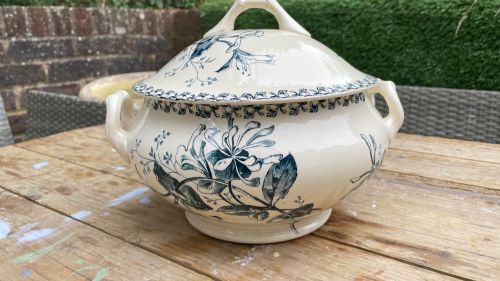
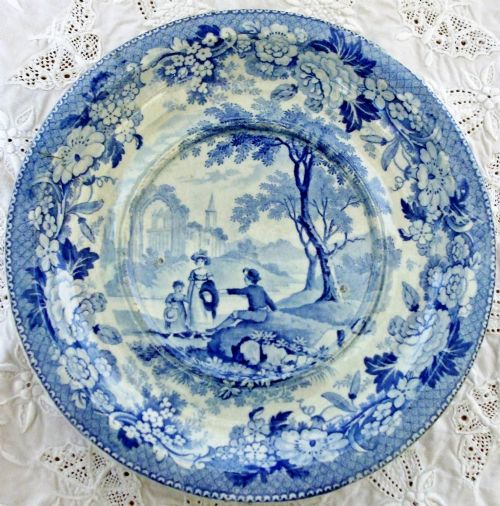
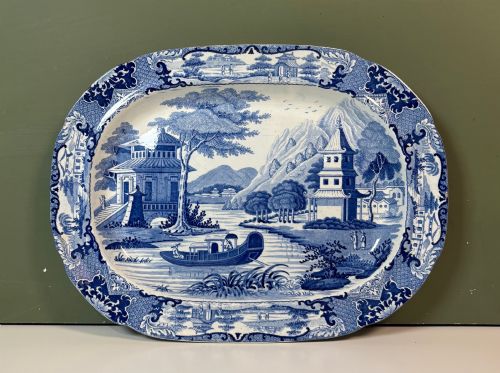
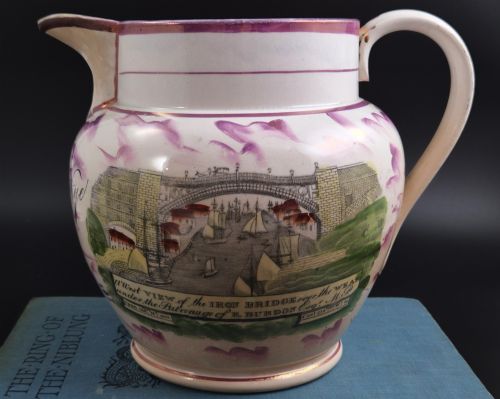
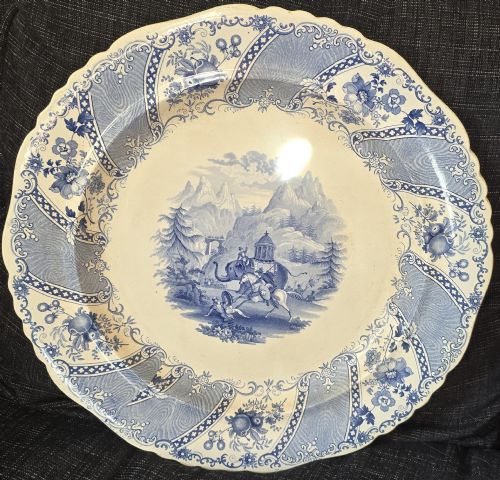
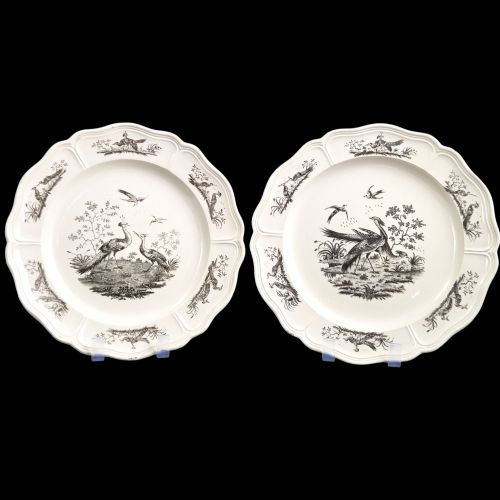
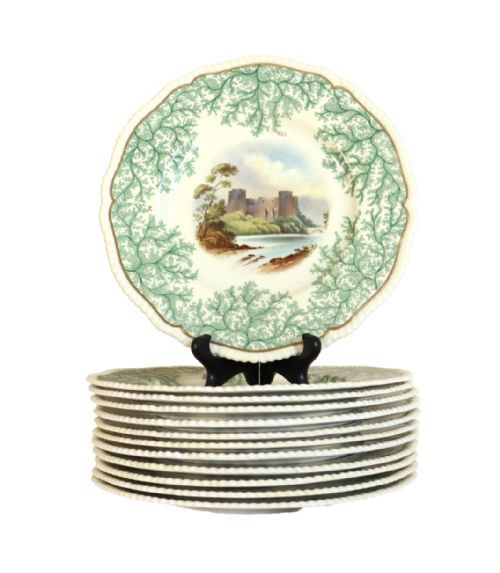
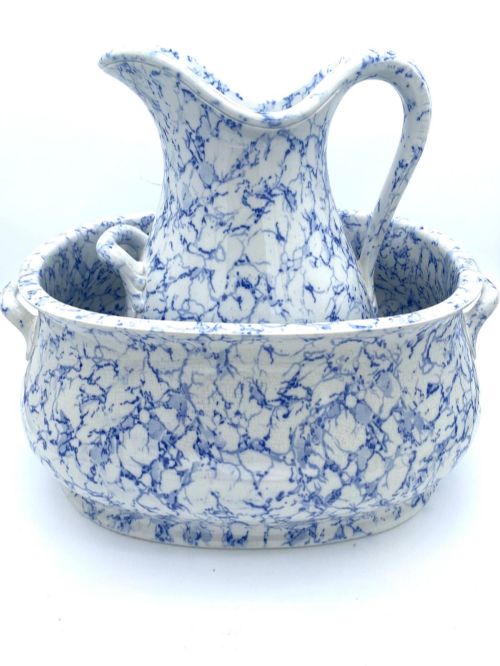
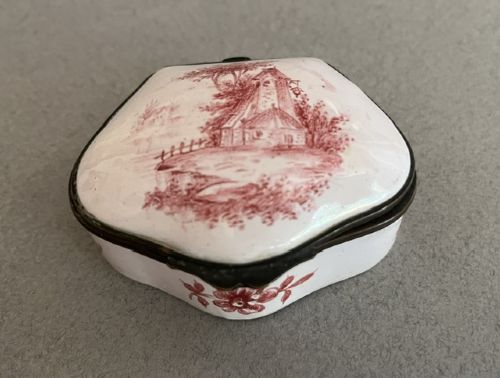
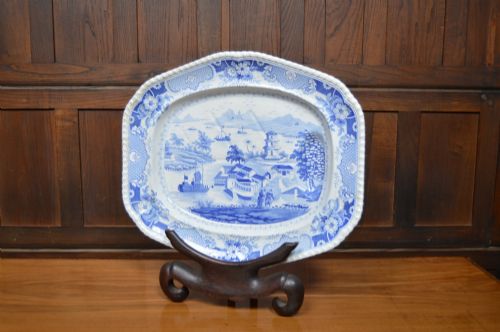
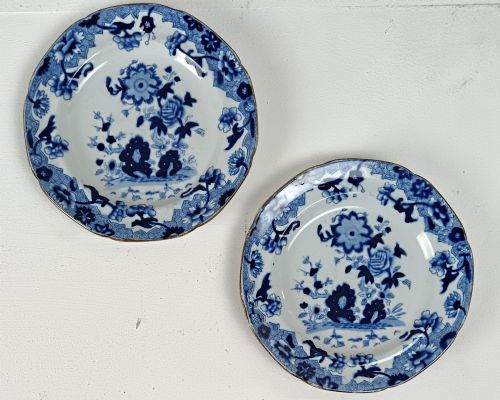
Platters, plates, jugs, footbaths, and tureens dominate the selection. The most common forms on this page are blue and white dinner plates, large meat platters, and serving dishes featuring scenic or botanical motifs.
How They Were Made
Potters produced these items using earthenware, ironstone, and ceramic bodies formed into tableware and decorative pieces. Artisans applied copperplate engravings onto tissue paper, then transferred the inked pattern directly onto the porous biscuit pottery before glazing and firing.
Makers utilised various coloured inks, including traditional blue, mulberry, pink, and magenta. A protective glaze sealed the printed design into the surface, resulting in durable domestic wares intended for daily dining or display.
Vintage Transferware Retail Price Guide 2026
Typical asking prices for vintage transferware among the pieces listed under this phrase on Sellingantiques today, from the lower quarter to the upper quarter. They describe what is for sale here now, not the wider market.
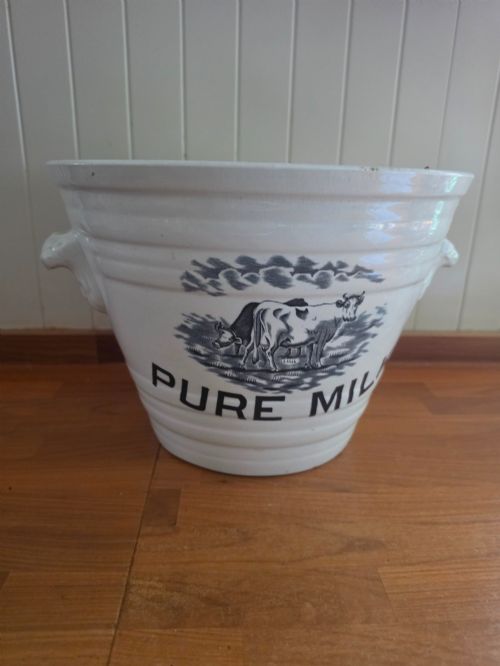
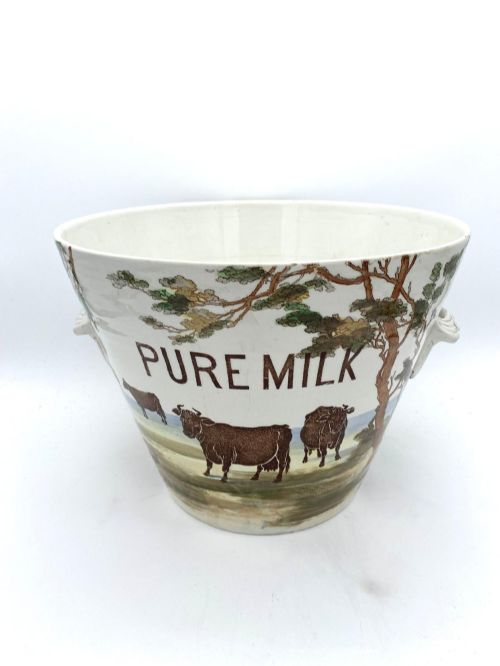
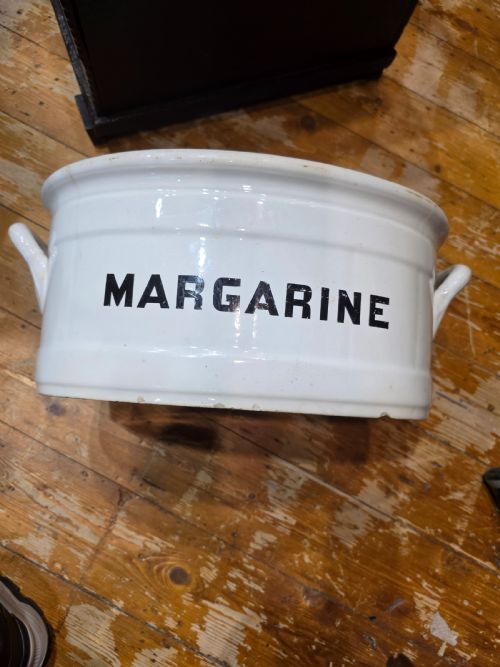
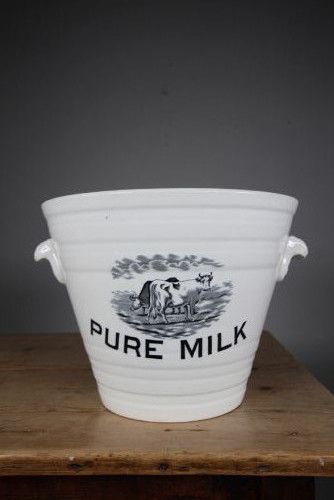
Object forms range from serving platters and meat drainers to dairy pails, footbaths, and chamber pots.
What Varies in Quality
The clarity of the printed transfer dictates the visual appeal of a piece, separating sharp, detailed architectural or landscape scenes from blurred or smudged impressions. The crispness of the underlying ceramic body and the uniformity of the glaze also distinguish finer service plates and platters from standard utility wares.
Maker attribution and specific historical patterns elevate certain pieces above anonymous domestic vessels. Items bearing clear factory marks or commemorative subjects carry greater historical interest for collectors.
William Smith And Co·Leeds Pottery·Spode·Minton·Robert Hamilton·John Rogers And Son·John And Richard Riley
The Vintage Transferware Glossary
- Transferware
- Pottery decorated by printing a design from an engraved copper plate onto tissue paper and transferring it to the ceramic surface. This technique allowed factories to produce intricate patterns consistently across large dinner services.
- Ironstone
- A heavy, durable type of earthenware patented in the nineteenth century. It resists chipping and provided a sturdy body for large platters, jugs, and tureens.
- Flow blue
- A style of transfer printing where cobalt oxide bled into the surrounding glaze during the firing process. This created a soft, hazy outline around the printed pattern.
- Pearlware
- A refined earthenware developed in the late eighteenth century with a slightly bluish glaze that pooled in recesses. It bridged the transition between creamware and later white ironstone.
- Tureen
- A deep covered vessel used for serving soups, vegetables, or sauces at the table. These pieces often included matching ladles and decorative handles.
Vintage Transferware: Frequently Asked Questions
What is vintage transferware?
Vintage transferware encompasses ceramic plates, platters, jugs, and tureens decorated with printed scenes applied via an engraved copper plate. These items range from eighteenth-century creamware to Victorian ironstone.
Potters used this mechanical printing method to apply intricate landscape, architectural, and botanical designs onto tableware. The technique made decorated ceramics widely accessible for domestic dining.
How do I identify different periods?
Identifying periods relies on examining the ceramic body, weight, glaze colour, and maker marks. Earlier pieces from the Georgian era often utilise creamware or pearlware, while Victorian examples frequently employ heavy ironstone.
Border styles and colour tones also help determine age. Vibrant flow blue and deep mulberry prints gained prominence during the mid-nineteenth century, whereas earlier designs favoured crisp cobalt blue scenes.
Were these pieces used for dining?
These ceramics served practical functions in nineteenth-century households for food preparation, serving, and dining. Large platters held roasted meats, while tureens contained soups and vegetables at the table.
Footbaths, jugs, and dairy pails handled washing and agricultural tasks. Many pieces formed part of extensive dinner or dessert services designed for formal entertaining.
How should I display transferware?
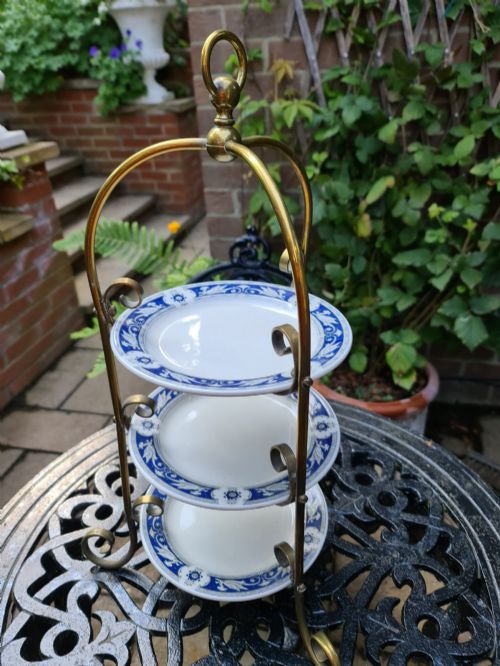
Displaying transferware works well by mounting large platters on walls or arranging chargers and plates on dressers and plate racks. Mixing different scenic patterns creates an engaging historical display.
Because these items are durable ceramics, they suit everyday use or decorative placement in dining rooms and kitchens. Keeping them away from direct heat protects the historic glaze.