

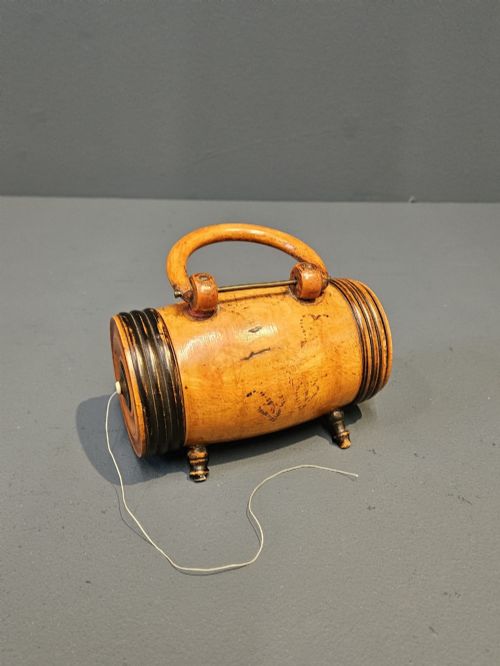
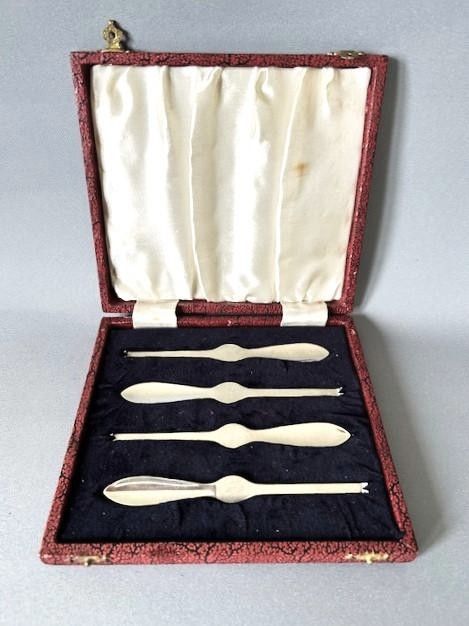
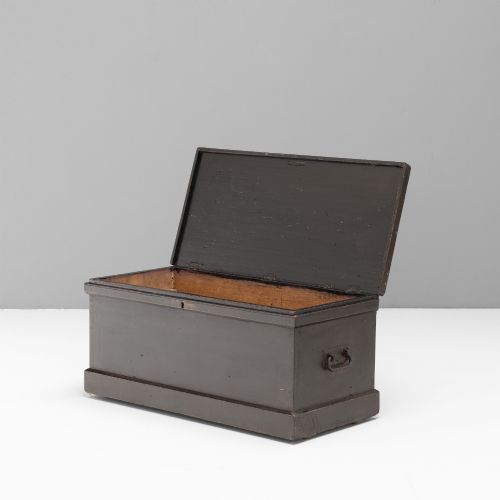
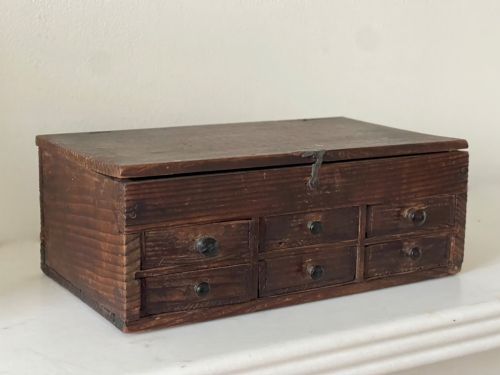


Vintage Tool Box
A vintage tool box is a sturdy wooden receptacle made to store implements, combining everyday utility with honest workshop character.
Vintage Tool Box
When searching for a vintage tool box, buyers encounter robust storage pieces created during the Victorian, Georgian, and Edwardian periods. These items range from simple pine carpenter chests and solid elm joiner cabinets to specialised maritime and watchmaker boxes.
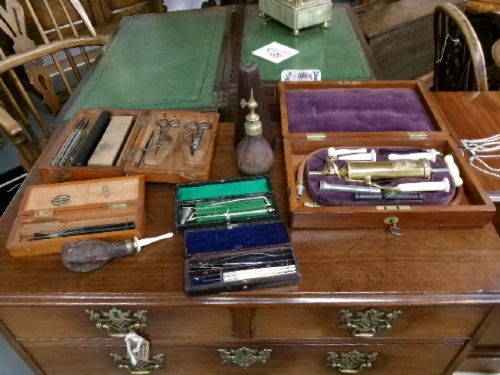
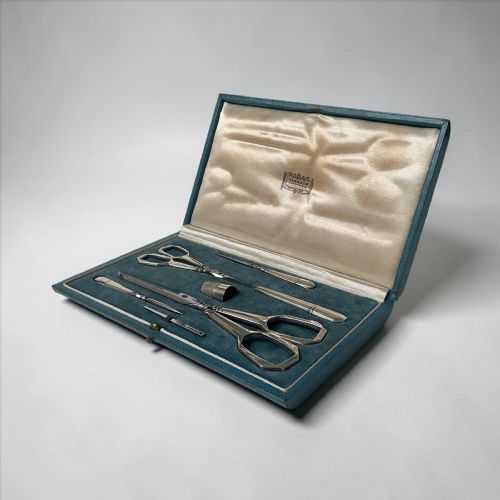
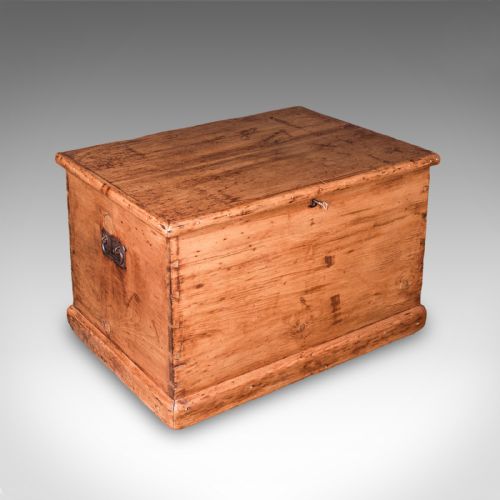
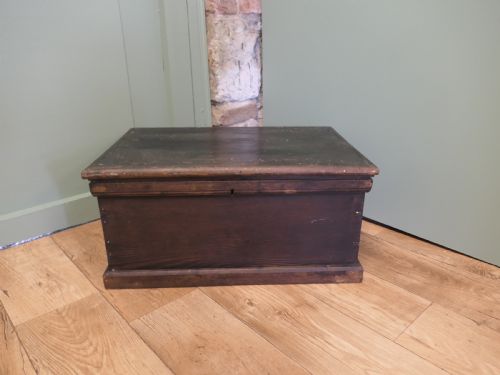
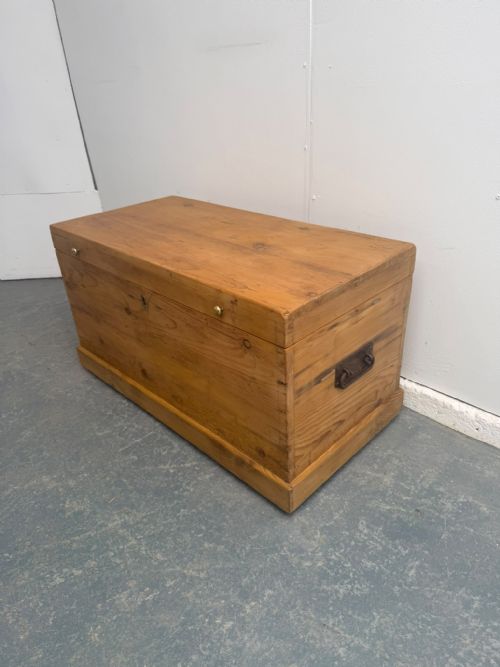
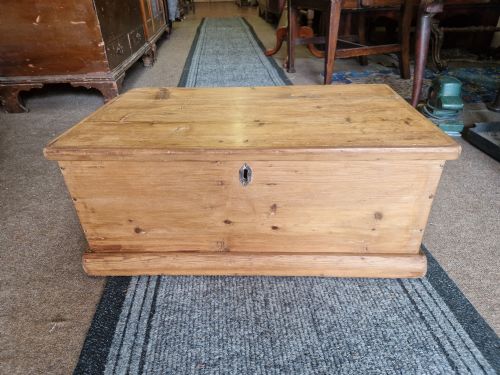
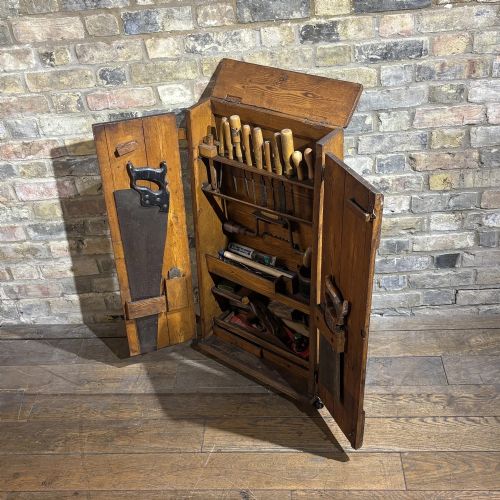
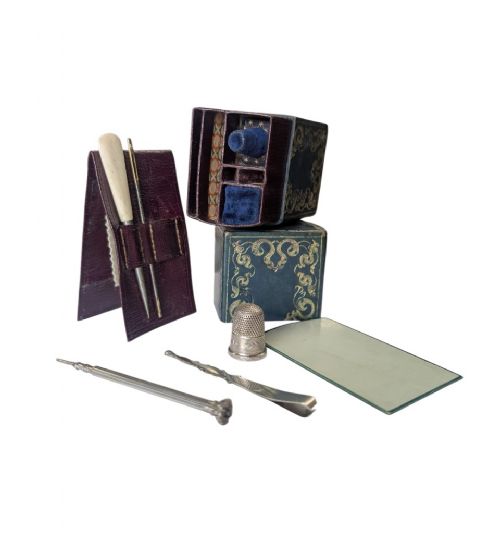
The pine storage trunk or portable tool cabinet appears frequently, reflecting the practical needs of tradespeople from the nineteenth and early twentieth centuries. Alongside these utilitarian chests, related scientific and technical containers also emerge.
Originating primarily from English and French workshops, these containers served working trades, engineers, and specialists before finding a second life in modern domestic interiors.
How They Were Made
Makers relied heavily on solid pine, pitch pine, mahogany, and elm to construct bodies that could withstand heavy implements. Brass bindings, reinforced corners, and robust locks provided necessary durability for transport and daily site use.
Surfaces often show waxed or darkened finishes, preserving the original timber while handling the friction of tools. Internal partitions, drawers, and fitted compartments were carefully built to secure specific instruments or hardware.
Vintage Tool Box Retail Price Guide 2026
Typical asking prices for vintage tool box among the pieces listed under this phrase on Sellingantiques today, from the lower quarter to the upper quarter. They describe what is for sale here now, not the wider market.
The inventory spans Victorian, Georgian, Edwardian, and 1920s periods, encompassing utilitarian and specialised workshop equipment.
What Varies in Quality
Quality rests upon the integrity of the timber selection and the strength of the original construction joints. Pieces utilising dense pitch pine or solid mahogany with precise dovetailing stand apart from standard utility boxes.
The presence of intact brass hardware, functional original locks with keys, and specialised internal fittings elevate a piece. Evidence of working life, such as honest wear and original patination, contributes to the character of superior examples.
Holtzapffel and Co·L Casella and Co·Gnome Et Le Rhone Engine Company·Manoah Rhodes and Sons Ltd·Smith
The Vintage Tool Box Glossary
- Pine
- A softwood commonly used for utilitarian boxes and trunks due to its availability and strength. Pitch pine offers a harder, resinous variant often found in maritime and heavy-duty tool chests.
- Dovetail
- A joint technique utilising interlocking wedge-shaped fingers to bind box corners securely together. It provides high tensile strength without relying solely on metal fasteners.
- Pitch Pine
- A dense, durable variety of pine characterised by prominent grain patterns and high resin content. It was frequently selected for Victorian work chests requiring extra resilience.
- Chatelaine
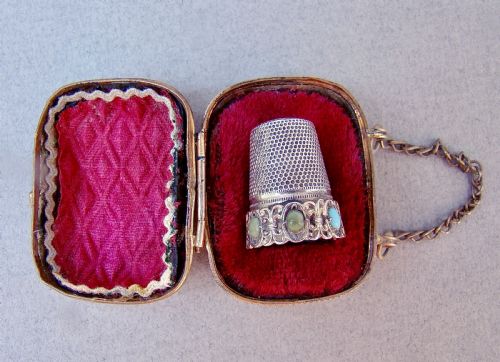
- A decorative belt hook worn with suspended tools or cases, occasionally housing small implements. It represents a more ornate accessory format compared to utilitarian tool chests.
Vintage Tool Box: Frequently Asked Questions
What trades used these vintage tool boxes?
Carpenters, joiners, shipwrights, and watchmakers relied on these specialised wooden chests to transport and protect their instruments. Each trade required distinct internal layouts and material strengths.
Cabinet makers and engineers also commissioned robust containers to secure valuable iron and brass implements during transit between jobs.
How do I date an older wooden tool box?
Dating relies on examining construction methods, such as hand-cut dovetails versus machine-made joints, alongside the hardware materials like brass or iron. Timber choices, such as pitch pine or solid elm, also point toward specific nineteenth or early twentieth-century manufacturing eras.
Maker stamps, paper labels, and lock manufacturers can provide additional chronological clues for specific workshops or retailers.
Can I use a tool chest for modern storage?
These sturdy chests adapt well to contemporary homes for organising blankets, books, or everyday household items. Their internal compartments and durable timber construction offer practical, robust storage solutions.
Placing them in living spaces or hallways preserves historical utility while serving modern functional requirements.
How should I care for waxed pine surfaces?
Maintain the timber by applying a traditional beeswax polish sparingly and buffing it with a soft cloth to preserve the finish. Avoid placing wooden chests in direct sunlight or near heat sources to prevent timber splitting.
Regular dusting keeps the grain clear without stripping the historical patination accumulated through decades of workshop use.