
Vintage Timepiece Clock
These vintage timepiece clock examples span centuries of horological craft, offering reliable mechanical precision and distinct period character for any interior.
Vintage Timepiece Clock
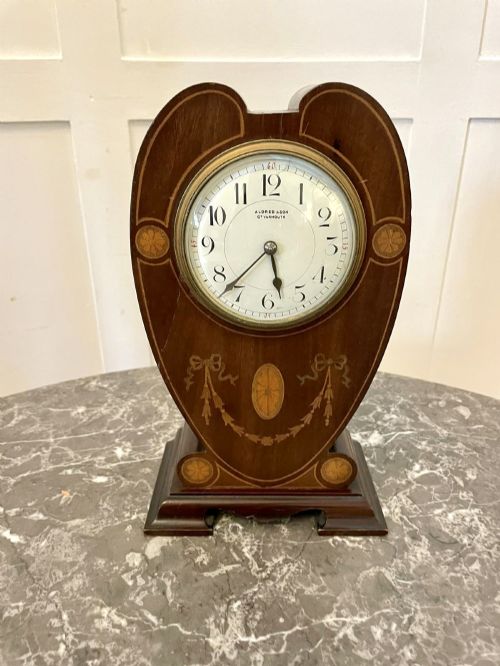
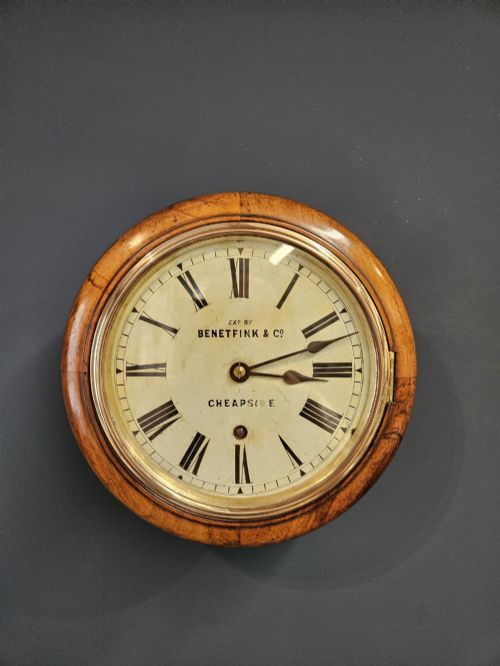
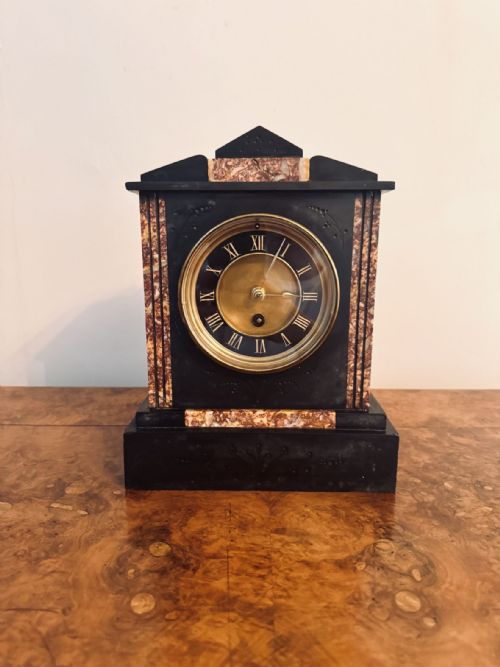
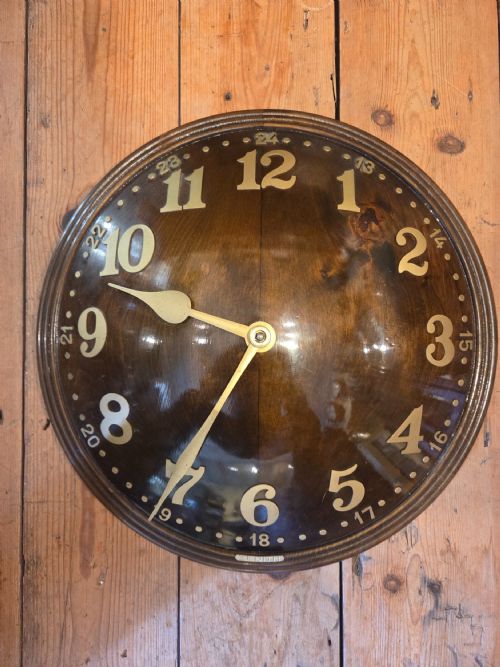
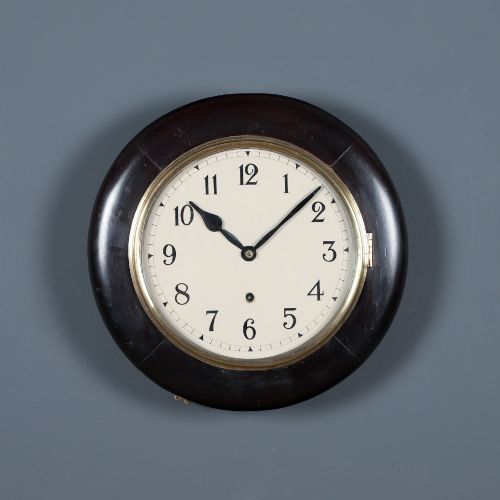
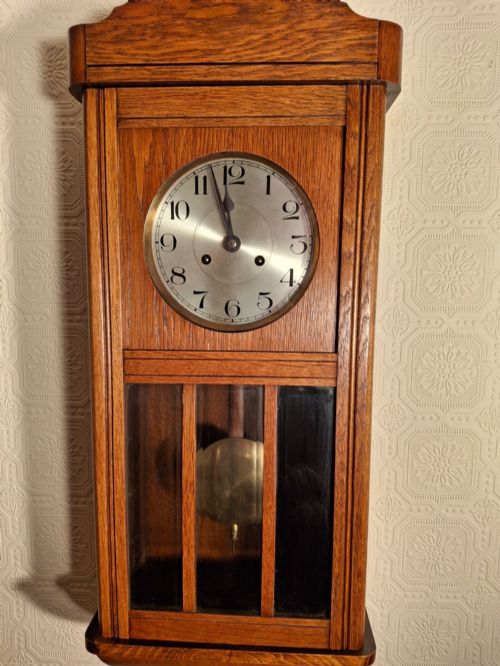
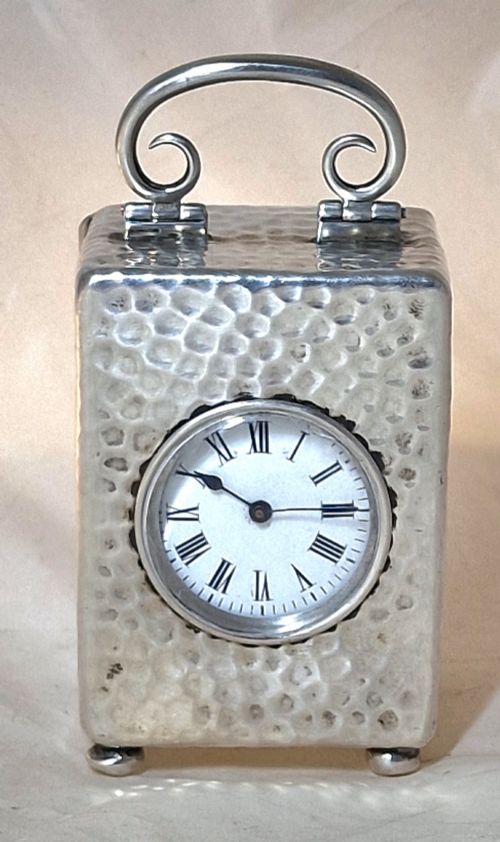
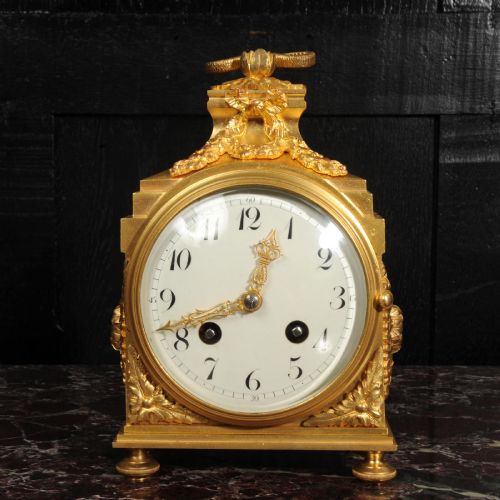
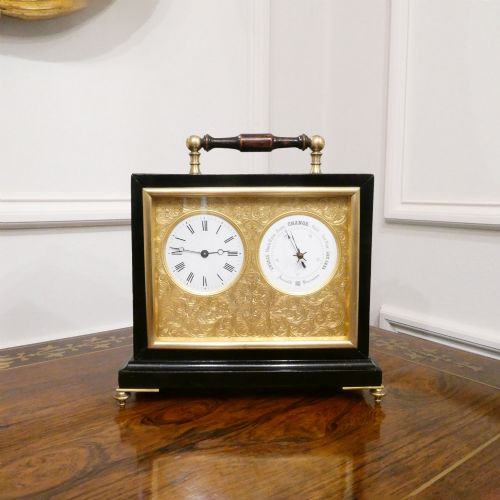
When you search for a vintage timepiece clock, you encounter a broad range of horological instruments spanning several distinct periods and forms. The selection includes carriage clocks, robust railway wall dials, intricate mantel pieces, and decorative desk timepieces.
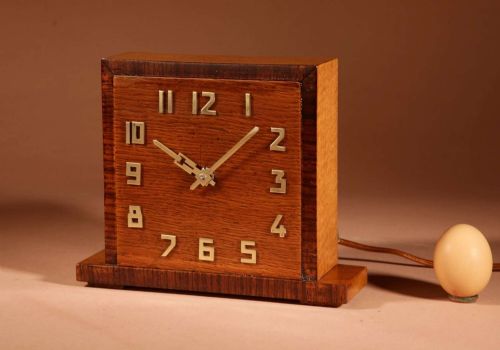
Most examples you meet on this page originate from the nineteenth and twentieth centuries, incorporating styles such as Victorian, Edwardian, and Art Deco. These items function as both practical timekeepers and decorative objects rooted in specific domestic, travel, or industrial uses.
How they were made
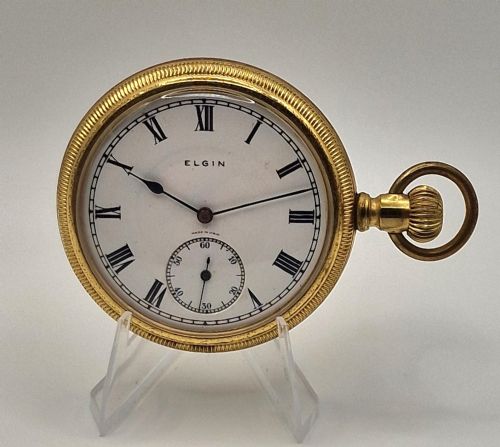
Makers utilised traditional cabinet woods like mahogany, oak, and rosewood for cases, often pairing them with cast brass, bronze, and plated metalwork. Dial faces frequently incorporated white enamel, silvered metals, or painted porcelain numerals protected beneath glass bezels.
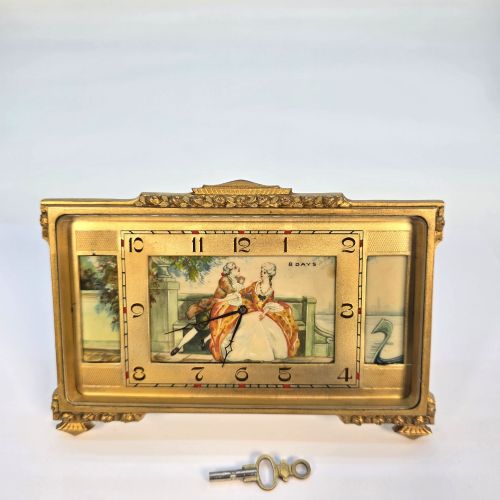
Movements relied on mechanical gear trains driven by springs or weights, though later twentieth-century iterations integrated electrical systems or early battery operations. Artisans also applied decorative techniques such as lacquerwork, chinoiserie painting, and metal hammering to enrich the exterior presentation.
Listings feature items spanning the Victorian era, the Edwardian period, and the 1920s Art Deco movement.
What varies in quality
Quality differentiates through the precision of the mechanical movement and the integrity of the original casing materials. Finer items exhibit superior hand-finishing on internal brass components and substantial wood selections without secondary alterations.
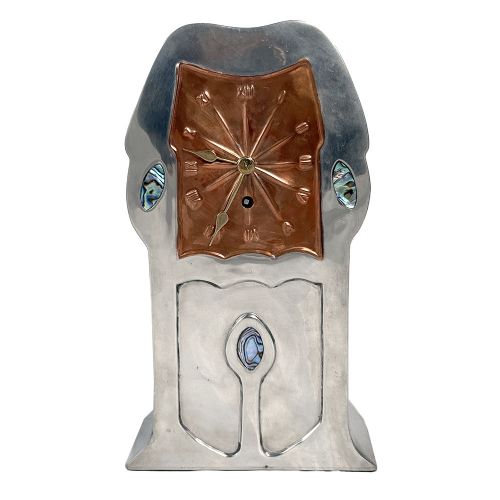
The degree of artistic execution in decorative elements, such as enamel dial painting, cast bronze ornamentation, or specialised casework like inlaid mahogany and carved Tudric pewter, marks the distinction between standard production and top-tier workshop output.
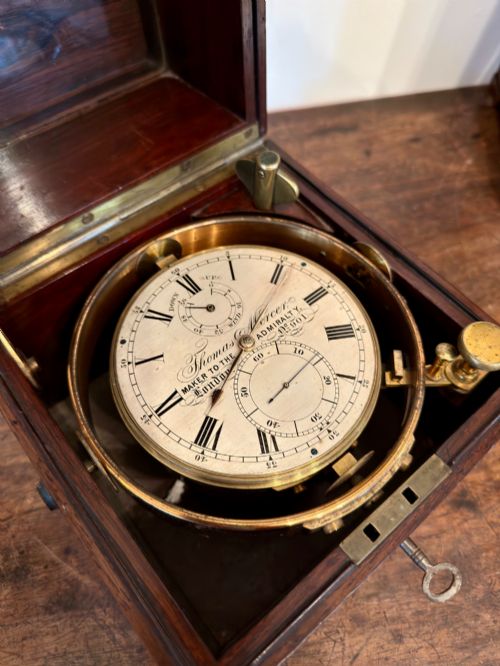
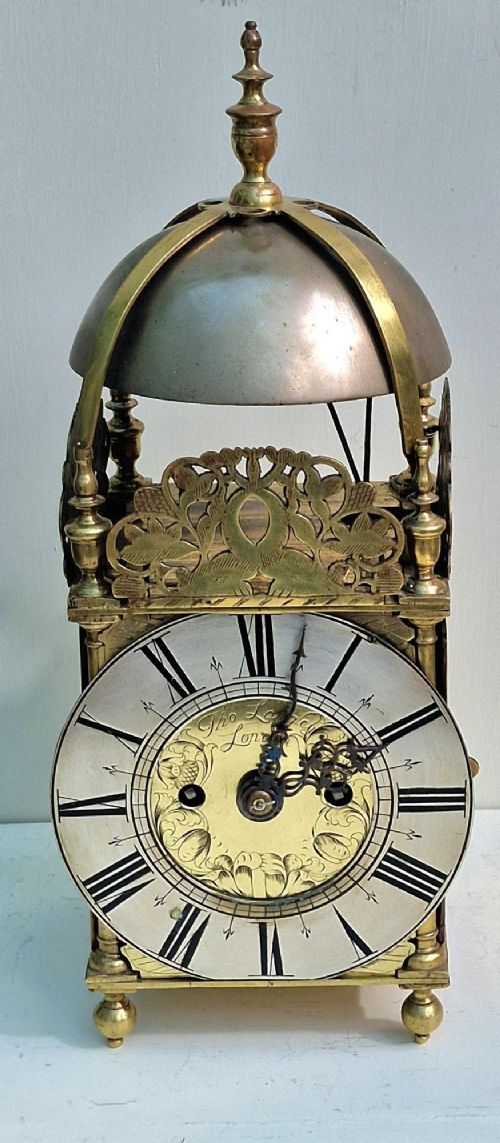
Mercer of London·Thomas Langley·Henri Jacot·William Gard·George Clarke·Walker and Hall·Archibald Knox for Liberty·Mappin and Web
The Vintage Timepiece Clock Glossary
- Carriage clock
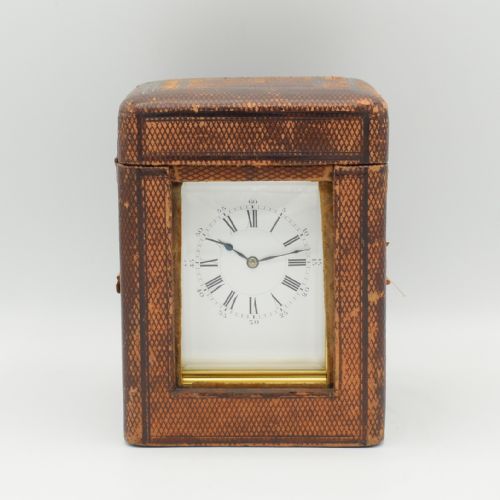
- A portable spring-driven timepiece designed for travel, typically fitted with a carrying handle and glass panels to view the movement. These pieces originate in the nineteenth century and often include leather travel cases.
- Fusee movement
- A conical pulley mechanism that equalises the driving force of the mainspring as it winds down, ensuring consistent timekeeping accuracy. This traditional method appears frequently in higher-quality British bracket and marine timepieces.
- Dial
- The face of the clock upon which the hours and minutes are marked. Materials range from painted enamel and porcelain panels to brushed brass and silvered metal.
- Chinoiserie
- A European artistic style reflecting Chinese motifs and decorative techniques, applied to lacquered clock cases. This aesthetic is prominent on select decorative mantel pieces.
- Anniversary clock
- A torsion pendulum timekeeper designed to run for a year on a single winding, often housed beneath a glass dome. These items became popular during the late Victorian and early twentieth-century periods.
Vintage Timepiece Clock: Frequently Asked Questions
How do I wind a mechanical timepiece?
Most spring-driven clocks require a specific winding key inserted into the dial arbors to tension the mainspring. Care must be taken not to overwind the mechanism.
Consult the specific winding interval for your model, as durations range from thirty-hour formats to eight-day movements.
Where should I place a vintage clock?
Select a stable, level surface away from direct sunlight, moisture, and extreme temperature fluctuations. Mantelpieces, desks, and interior walls provide ideal environments.
Wall clocks require secure wall fixings suited to the weight of the timber case and brass movement.
What is the difference between a clock and a timepiece?
In horological terms, a timepiece indicates the current hour and minute without incorporating a striking mechanism or chime. A clock traditionally includes bells or gongs to sound the hours.
Many vintage wall and desk models are specifically designated as timepieces because they focus solely on visual tracking.
How can I identify the period of a clock?
Examine the stylistic cues of the casing, such as Victorian mahogany framing, Edwardian inlay work, or the geometric lines of Art Deco Bakelite and chrome. Maker signatures and registration marks on movements also provide direct chronological reference points.
Material choices, from early brass and hand-blown glass to mid-century plastics, further clarify the decade of production.