




Vintage Timber Steps
These vintage timber steps offer practical height and honest utility, bringing warmth and enduring function to any interior.
Vintage Timber Steps
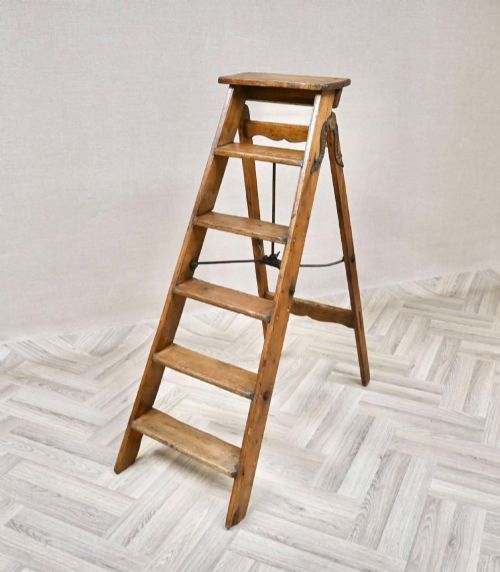
When you search for vintage timber steps, you encounter sturdy functional items designed for reaching high shelves or aiding daily labour. The pieces on this page span several centuries, reaching from the eighteenth century through the Georgian and Victorian eras into the nineteen-twenties and nineteen-thirties.
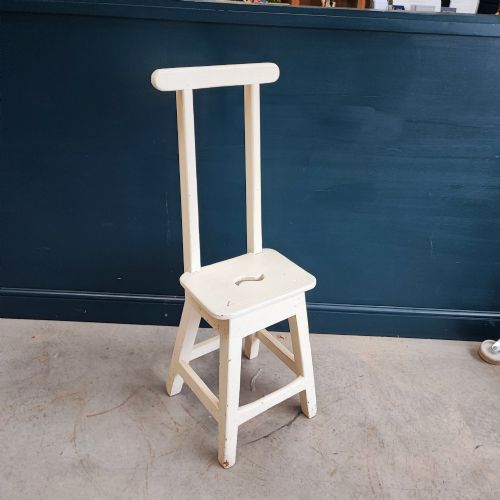
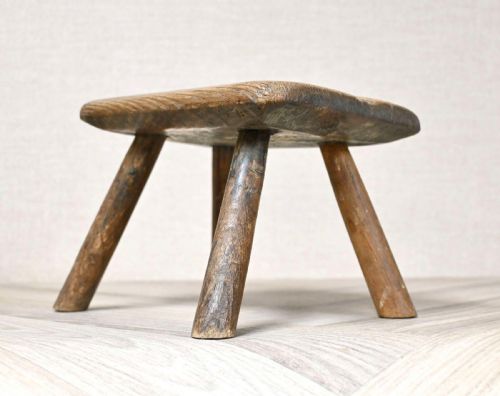
The selection ranges from utilitarian folding pine steps and A-frame library steps to compact step stools and loft ladders. Alongside these practical ladders, you find related seating forms such as dairy stools, hearth stools, and footstools.
Origins stretch across British and European workshops, featuring rustic farmhouse, primitive country, and Italian or Japanese folk art styles. These objects served real purposes in homes, libraries, and rural dairies before finding new life in modern interiors.
How they were made
Makers utilised solid timbers including pine, oak, elm, walnut, and ash, selecting each wood for its strength and grain character. Carpenters often incorporated brass fittings, iron brackets, and rope for structural support and folding mechanisms.
Construction methods rely on traditional joinery designed to bear heavy weight safely during everyday tasks. Surfaces frequently display traces of original paint finishes, showing the honest wear of working history.
Vintage Timber Steps Retail Price Guide 2026
Typical asking prices for vintage timber steps among the pieces listed under this phrase on Sellingantiques today, from the lower quarter to the upper quarter. They describe what is for sale here now, not the wider market.
Some antique dairy stools show distinct paint splashes from centuries of farmhouse chores, adding undeniable character to a modern kitchen.
What varies in quality
Quality in these pieces depends on the integrity of the timber and the tightness of the original joints. Superior examples maintain structural stability and balance without relying on modern reinforcements.
The presence of untouched period surfaces and honest patination separates standard utility items from more desirable examples. Craftsmanship shows in the deliberate shaping of treads and the smooth operation of folding elements.
The Vintage Timber Steps Glossary
- A-frame
- A self-supporting structural configuration shaped like the capital letter A. This design provides stability for library steps and wooden ladders.
- Library steps
- Portable staircases designed to reach high bookshelves in private studies or institutional libraries. They often incorporate handrails or turned supports.
- Patina
- The surface sheen and colour developed by wood and metal through age and handling. It reflects the history of use over decades or centuries.
- Stool
- A seat without back or arms, resting on three or four legs. Many domestic examples doubled as low steps in pantries and dairies.
Vintage Timber Steps: Frequently Asked Questions
Are vintage timber steps safe to use?
Most vintage steps retain their structural integrity and function well for daily household tasks. It is wise to inspect the joints and treads before bearing significant weight.
Many buyers use them both as functional ladders and as display stands for plants or books. Their sturdy timber construction ensures they remain reliable household objects.
How do I date wooden steps?
Dating relies on examining the timber species, tool marks left during construction, and the style of hardware used. Georgian and eighteenth-century examples often feature hand-sawn boards and traditional joinery.
Nineteenth and twentieth-century versions introduce machine-cut timber and different folding mechanisms. Comparing the construction methods to known period pieces helps narrow down the decade.
Where should I place library steps?
Library steps suit studies, living rooms, and hallways where height or display space is needed. Their sculptural forms make them striking standalone decorative objects.
They work particularly well beside bookshelves or in corners holding trailing plants and framed photographs. Their compact footprint allows them to fit easily into smaller spaces.
What woods are most common?
Pine and oak appear frequently in utilitarian steps and ladders due to their durability and availability. Elm and ash also turn up in rustic stools and country designs.
Walnut was often reserved for more refined pieces like standard lamps and decorative library steps. Each wood type dictates the weight, colour, and overall character of the piece.