







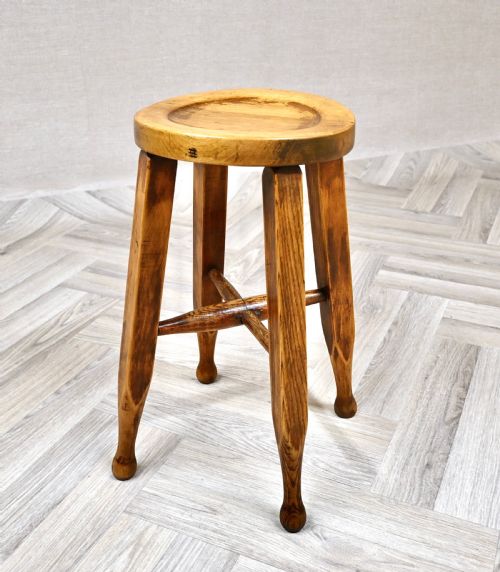
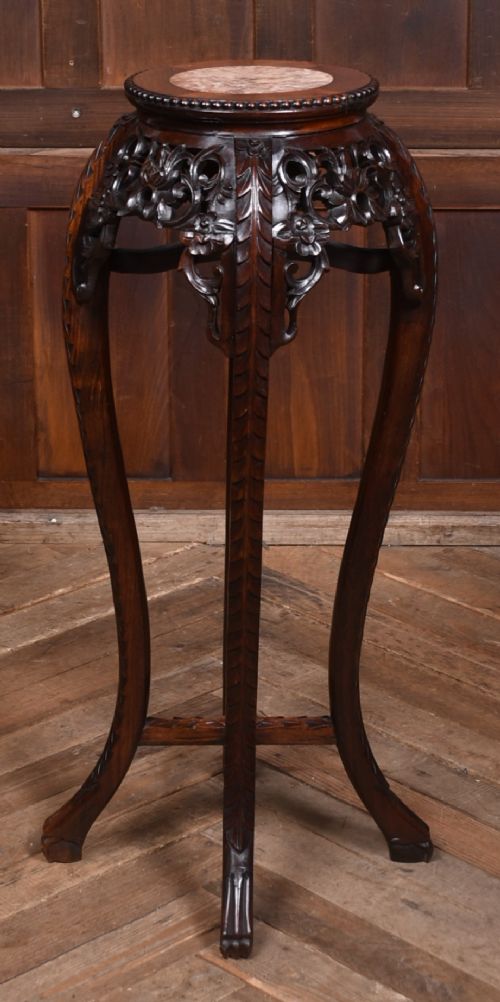
Vintage Timber Plant Stand
A vintage timber plant stand brings natural height and character to a room, holding green foliage or heavy ceramic pots with quiet authority.
Vintage Timber Plant Stand
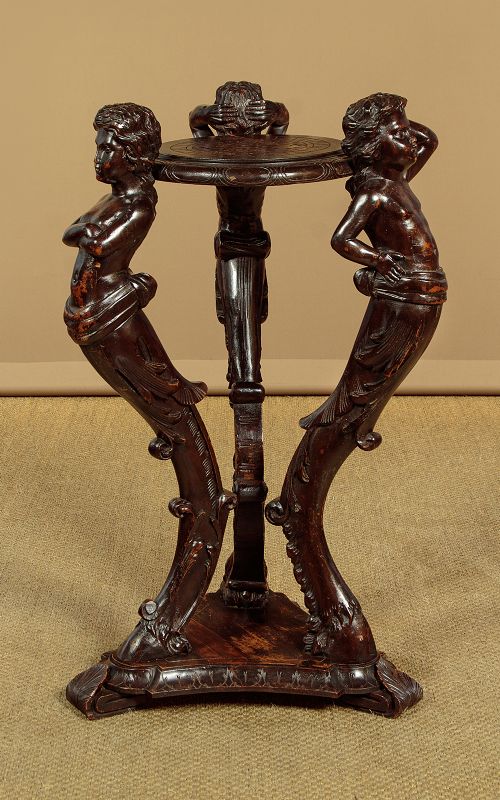
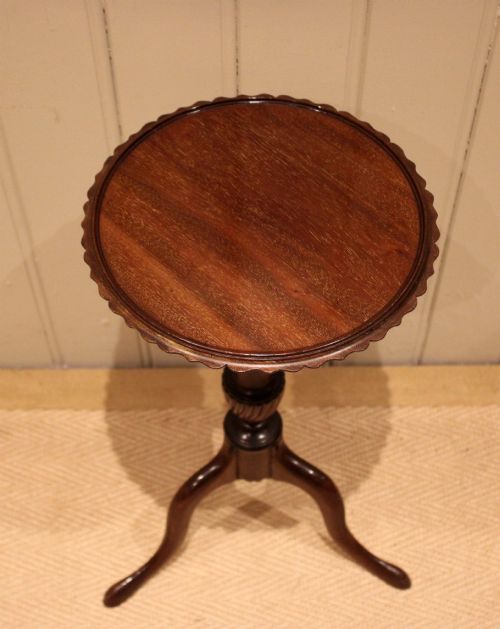
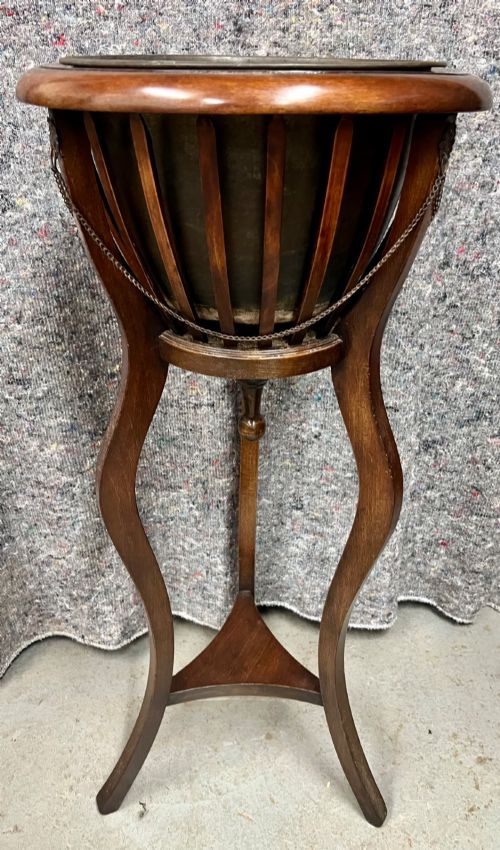
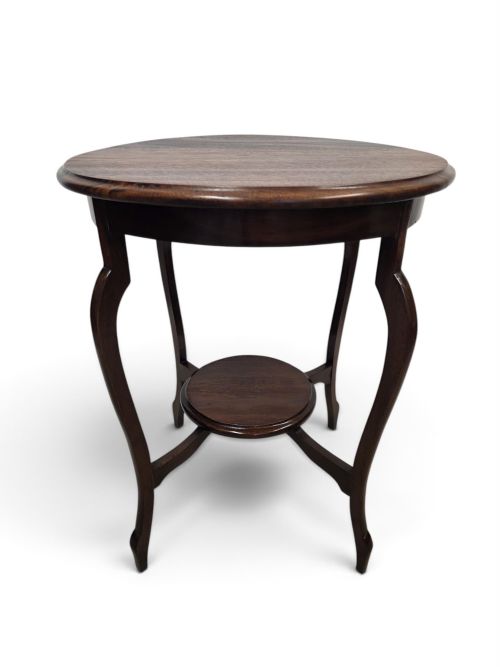
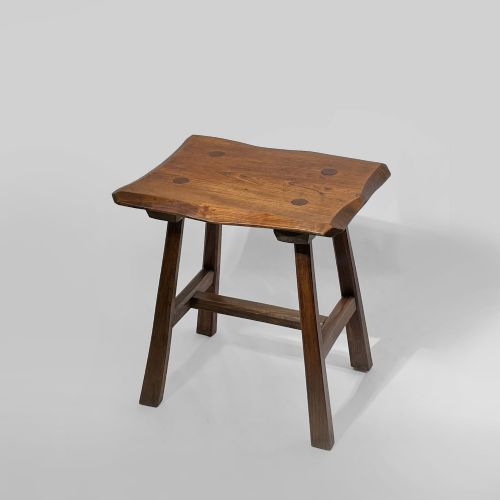
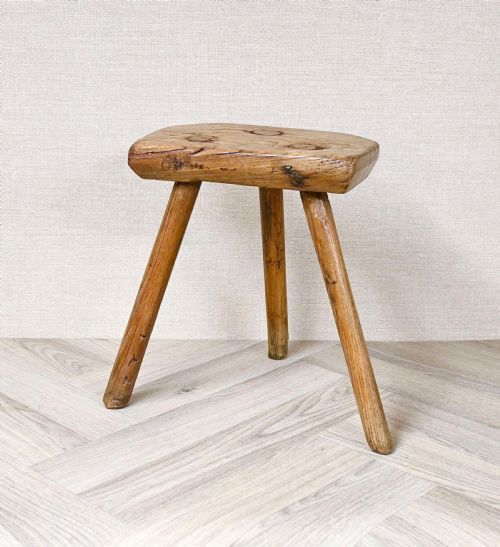
A vintage timber plant stand is primarily designed to elevate greenery, serving as a dedicated stage for ferns, trailing ivies and flowering pots within domestic spaces. Buyers seeking a vintage timber plant stand will encounter forms ranging from slender columns and torchieres to low stools, tripods and occasional tables.
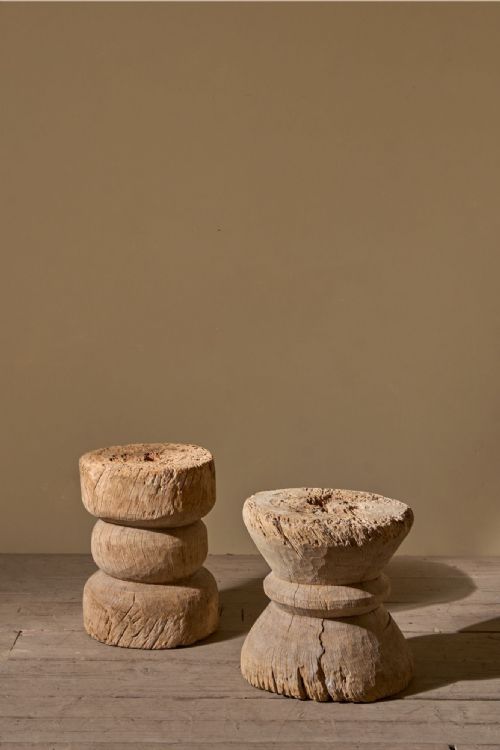
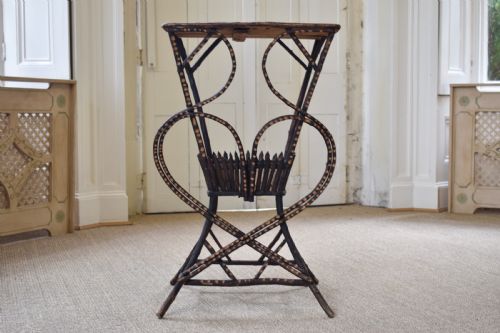
The selections span distinct eras from the nineteenth century through the nineteen-thirties, taking shape as Edwardian jardiniere stands, Victorian mahogany pedestals and Chinese export hardwood tables with inset marble tops. Alongside formal mahogany and walnut pieces, the inventory holds rustic vernacular items, folk art twig tables and primitive elm stools.
Origin and material vary widely, encompassing English oak, Indian rosewood, teak and painted pine alongside Anglo-Indian and Oriental designs. These objects function equally well as display pedestals for sculpture or as small side tables, bringing structural variety to interior layouts.
How they were made
Construction relies upon traditional cabinet-making and carpentry techniques, utilising solid hardwoods such as mahogany, oak, walnut and rosewood alongside native timber and rustic elm, ash or pine. Joinery ranges from fine turned columns and carved tripod bases to pegged joints found in primitive vernacular pieces and folk art twig constructions.
Surface treatments and decorative details include hand carving, mother of pearl inlay, pokerwork, painted finishes and polished natural grain. Marble inserts frequently top Oriental jardiniere stands, while iron components appear alongside natural timber in nineteen-thirties industrial designs.
Vintage Timber Plant Stand Retail Price Guide 2026
Typical asking prices for vintage timber plant stand among the pieces listed under this phrase on Sellingantiques today, from the lower quarter to the upper quarter. They describe what is for sale here now, not the wider market.
One nineteenth-century Scottish stool bears pokerwork reading 'TOUCH ME WHA DAUR', daring visitors to test its rustic charm.
What varies in quality
Quality reveals itself in the integrity of the timber selection and the precision of the joinery, whether in a finely turned Victorian column or a hand-carved Edwardian jardiniere. Denser hardwoods and robust structural framing separate durable furniture intended for heavy pots from lighter decorative items.
The refinement of decorative work, from detailed hand-carving and mother of pearl inlay to the crisp execution of turned legs, distinguishes standard vernacular items from exceptional workshop pieces.
Liberty of London·Anton Seuffer
The Vintage Timber Plant Stand Glossary
- Jardiniere
- A decorative pot or stand specifically made to hold plants and flowers indoors. These often feature raised platforms or liners to protect the surrounding timber.
- Torchiere
- A tall standing column or pedestal originally designed to hold a light source. In domestic settings, they serve as prominent display stands for sculpture or large floral arrangements.
- Cricket table
- A small, lightweight three-legged table with a round top, traditionally used in vernacular settings. The three-legged design ensures stability on uneven floors.
- Vernacular
- Everyday objects built by local craftspeople using regional materials without grand architectural pretensions. These pieces prioritise functional utility over academic style.
- Pokerwork
- A decorative technique using a heated metal point to burn designs into wood. This method creates dark, textured patterns across stools and small tables.
Vintage Timber Plant Stand: Frequently Asked Questions
What is a vintage timber plant stand used for?
These pieces elevate potted plants, ferns and floral arrangements to improve room layout and catch natural light. They also function as display columns for sculptures, vases and decorative objects.
Beyond botanical use, many double as small side tables or occasional tables next to seating. Their compact footprints make them versatile additions to corners and hallways.
How do I date a wooden plant stand?
Dating relies on identifying stylistic markers, construction methods and timber types associated with specific eras like the Victorian or Edwardian periods. Machine-sawn timber and simpler fixings often point towards later twentieth-century production.
Design influences, such as Arts and Crafts simplicity or Chinese export carving, help narrow the timeframe. Examining the wear patterns and patina on the wood provides further clues to age.
Can these stands support heavy pots?
Sturdiness depends entirely on the construction, base footprint and timber density of the individual piece. Heavy hardwood pedestals and three-legged tripod tables generally offer superior stability for large ceramic containers.
Lighter wicker, bamboo or delicate occasional tables are better suited to smaller, lightweight foliage. Checking the width of the top and the spread of the legs ensures safe placement.
Where should I place a plant stand at home?
Position stands near windows where plants receive adequate sunlight without suffering from extreme temperature shifts. Tall torchieres and columns work well in empty corners that need vertical interest.
Shorter stools and tripod tables suit living rooms next to armchairs or sofas. Ensure the stand rests on level flooring to prevent tipping.