



Vintage Timber Candlesticks
These vintage timber candlesticks bring warmth and texture to a room, offering practical lighting shaped by centuries of woodworking traditions.
Vintage Timber Candlesticks
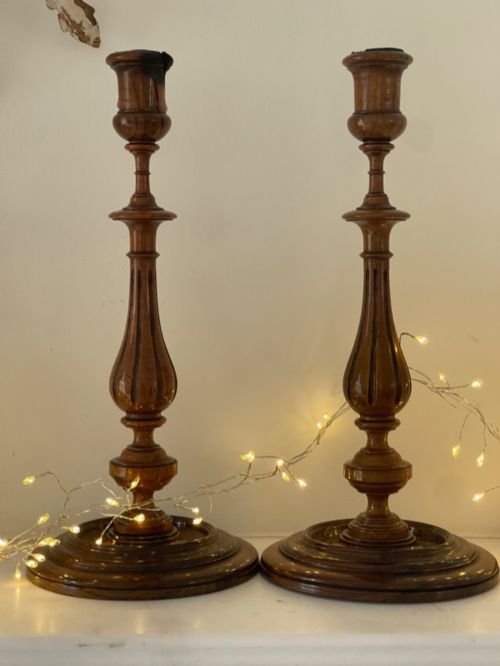
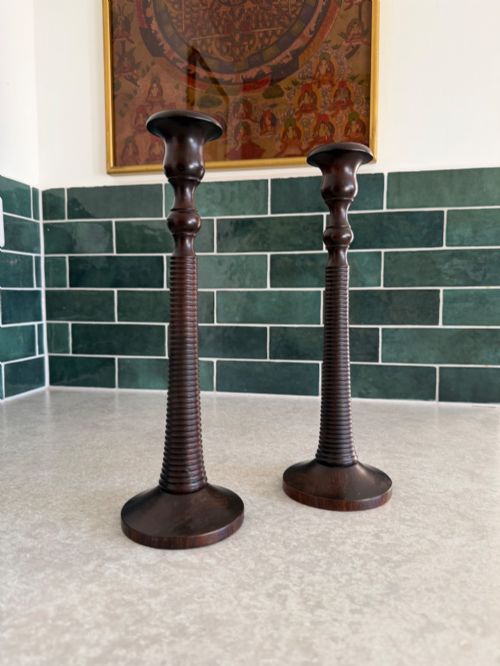
When you search for vintage timber candlesticks, you encounter a varied selection of turned, carved, and painted items designed to hold candles or adapt into table lamps. The pieces listed on this page span several eras, reaching from the seventeenth century through the Georgian and Victorian periods into the early twentieth century.
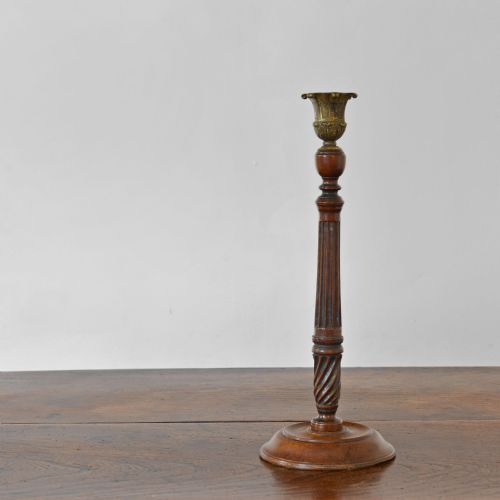
You are most likely to meet mahogany examples and turned wood designs among these listings. Makers utilised various timbers, sometimes pairing the wood with brass elements, gilt highlights, or painted finishes to create decorative forms ranging from folk art figures to classical Adam style pieces.
How they were made
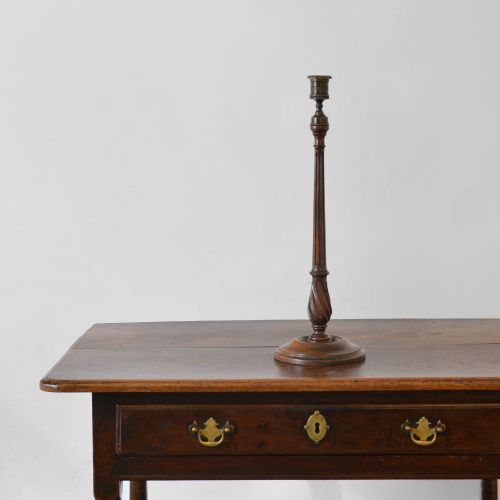
The construction of these items relies heavily on traditional woodworking techniques such as hand-carving and lathe-turning. Craftsmen shaped solid timber into slender stems and weighted bases, occasionally incorporating spiral carvings or detailed figural elements like folk art poachers and carved angels.
Materials extend beyond plain timber to include applied gilt, hand-applied paint, and brass socket components or metal prickets. These secondary materials provide structural support and visual contrast against the dark grains of mahogany and walnut.
Vintage Timber Candlesticks Retail Price Guide 2026
Typical asking prices for vintage timber candlesticks among the pieces listed under this phrase on Sellingantiques today, from the lower quarter to the upper quarter. They describe what is for sale here now, not the wider market.
One charming pair depicts folk art poachers proudly carrying their game.
What varies in quality
Quality in these items rests upon the crispness of the carving and the proportional balance of the turned form. Pieces with finely executed details, such as complex spiral twists or expressive figural carving, demonstrate a higher degree of artisan skill.
The choice of timber and the preservation of original surfaces also dictate the standing of a piece. Retaining an authentic aged patina or original paint finish elevates the character of the candlestick, distinguishing standard turned items from exceptional decorative examples.
The Vintage Timber Candlesticks Glossary
- Turned wood
- Timber shaped on a lathe to create symmetrical, rounded profiles with rings and curves. This method produces the classic columnar shafts seen in many traditional candle holders.
- Pricket
- A sharp metal spike set into the top of a candlestick to secure a candle in place. This form appears frequently on earlier ecclesiastical or gothic styles.
- Adam style
- A neoclassical design vocabulary characterised by symmetrical urn shapes and delicate decorative motifs. It draws inspiration from ancient Roman architecture.
- Folk art
- Objects created by self-taught or traditional craftsmen outside academic artistic circles. These pieces often feature charmingly idiosyncratic interpretations of human or animal forms.
Vintage Timber Candlesticks: Frequently Asked Questions
How do I date a timber candlestick?
Dating relies on observing tool marks, timber species, and stylistic traits associated with specific periods like the Georgian or Victorian eras. Examining the wear patterns around the base and socket also offers clues to age.
Changes in turning technology and design fashions help narrow down the decade of production. Comparing the construction methods with documented examples provides further confirmation.
Were these always used for lighting?
These pieces served primarily to hold wax candles for illumination before electric lighting became common. Wealthy households utilised matched pairs on dining tables and mantelpieces.
Over time, many of these holders found new life when converted into table lamps. This adaptation allowed older turned timber bases to remain functional in modern interiors.
What is the difference between Georgian and Victorian styles?
Georgian timber candlesticks often display restrained classical proportions and clean classical lines influenced by architectural theory. Mahogany was a favoured material during this period for its rich colour.
Victorian designs frequently embrace more ornate or revivalist aesthetics, including Gothic and French Chateau influences. You will also find novelty forms and gilt finishes becoming more prominent during the nineteenth century.